Tag

Mtorc1

All articles tagged with #mtorc1

Fruit Fly Protein Lsp2 Links Early Diet to Adult Lifespan
science1 month ago

Fruit Fly Protein Lsp2 Links Early Diet to Adult Lifespan

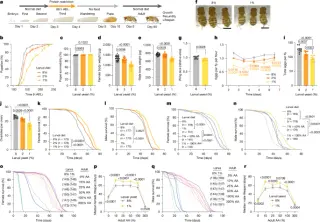
Researchers at Nature have identified larval serum protein 2 (Lsp2) as the molecular mechanism linking early-life diet to adult lifespan in fruit flies. By restricting protein intake during the larval stage, scientists found that Lsp2 levels drop, which reduces ribosomal protein abundance and translational activity in early adulthood. This reduction extends lifespan without compromising reproduction, suggesting that Lsp2 acts as a 'nutritional memory' carrier across developmental transitions.

Berkeley Study Identifies Reactive Astrocytes as Primary Drivers of Tuberous Sclerosis Epilepsy
science1 month ago

Berkeley Study Identifies Reactive Astrocytes as Primary Drivers of Tuberous Sclerosis Epilepsy

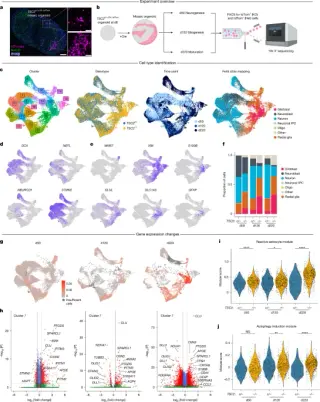
A new study published in Nature demonstrates that hyperactive mTORC1 signaling in tuberous sclerosis complex (TSC) causes neural progenitors to prematurely differentiate into reactive astrocytes. These abnormal glial cells, characterized by reduced glutamate transport and increased inflammation, are identified as a primary driver of brain lesions and seizures, rather than a secondary consequence of chronic epilepsy.

Exercise Reboots Aging Muscles by Lowering DEAF1, Restoring Repair
science3 months ago

Exercise Reboots Aging Muscles by Lowering DEAF1, Restoring Repair

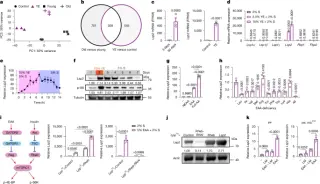
New Duke-NUS research shows exercise can reverse aging-related muscle decline by lowering DEAF1, which otherwise drives excessive mTORC1 activity and damaged-protein buildup. By rebalancing protein production and removal, exercise helps aging muscles repair and stay stronger, a result seen in fruit flies and older mice. The benefit may be limited when DEAF1 is very high or FOXO activity is too low, suggesting potential therapies that mimic exercise.

Exercise Rewinds Muscle Aging by Tuning a Key Genetic Switch
science7 months ago

Exercise Rewinds Muscle Aging by Tuning a Key Genetic Switch

Researchers identify DEAF1 as a driver of aging-muscle decline through overactive mTORC1, which disrupts protein turnover. Exercise lowers DEAF1 via FOXO-regulated pathways, restoring balance and enabling damaged proteins to be cleared, helping aging muscles repair and stay stronger; however, high DEAF1 levels or very low FOXO activity can blunt exercise benefits. Findings from fruit flies and mice suggest potential therapies that mimic exercise to protect muscle health during aging or illness.