Tag

Mythology

All articles tagged with #mythology

Nolan's Odyssey Reimagined: A Nonlinear, Monster-Soaked Homecoming
entertainmentfilm4 months ago

Nolan's Odyssey Reimagined: A Nonlinear, Monster-Soaked Homecoming

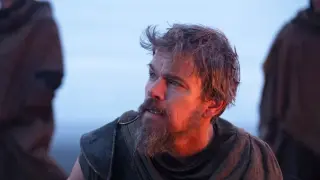
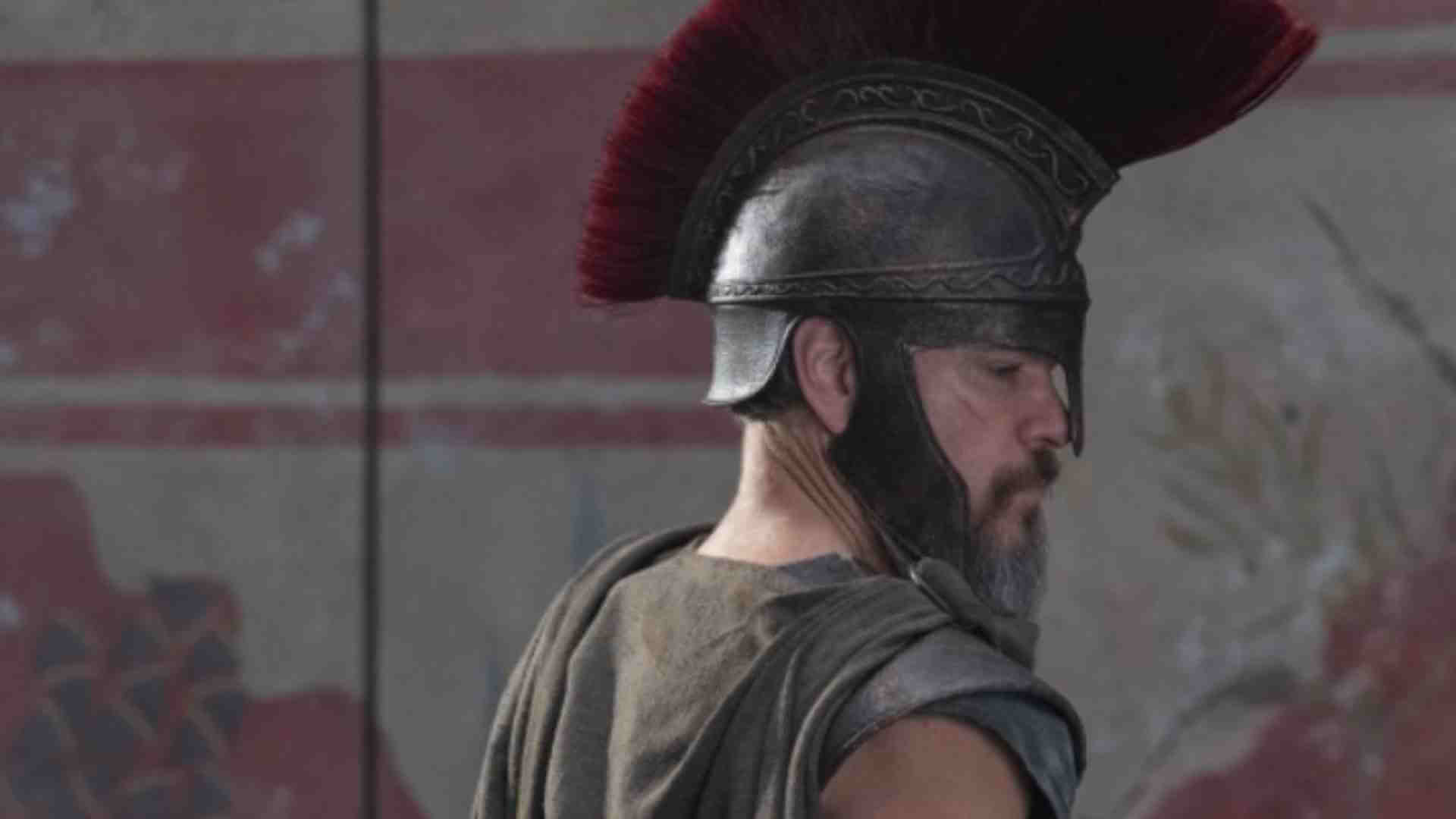
Christopher Nolan’s The Odyssey reimagines Homer’s epic as a near three-hour nonlinear adventure narrated by a bard who retells Odysseus’ journey from Troy to Ithaca. The piece traces the Trojan War, the cunning use of the Trojan Horse, and a voyage filled with mythic stops—Polyphemus, Circe, the underworld, the Sirens, and the choice between Charybdis or Scylla—leading to Odysseus’ undercover return, the suitors’ defeat, and a Penelope–Telemachus reunion that honors Zeus’s laws and fate. The article highlights the starry cast and Nolan’s ambitious fusion of myth and modern filmmaking.

Nolan’s Odyssey: Five Sea Monster Showstoppers
entertainment4 months ago

Nolan’s Odyssey: Five Sea Monster Showstoppers

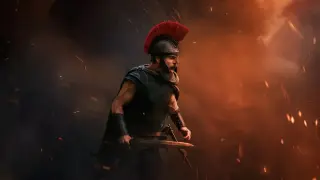
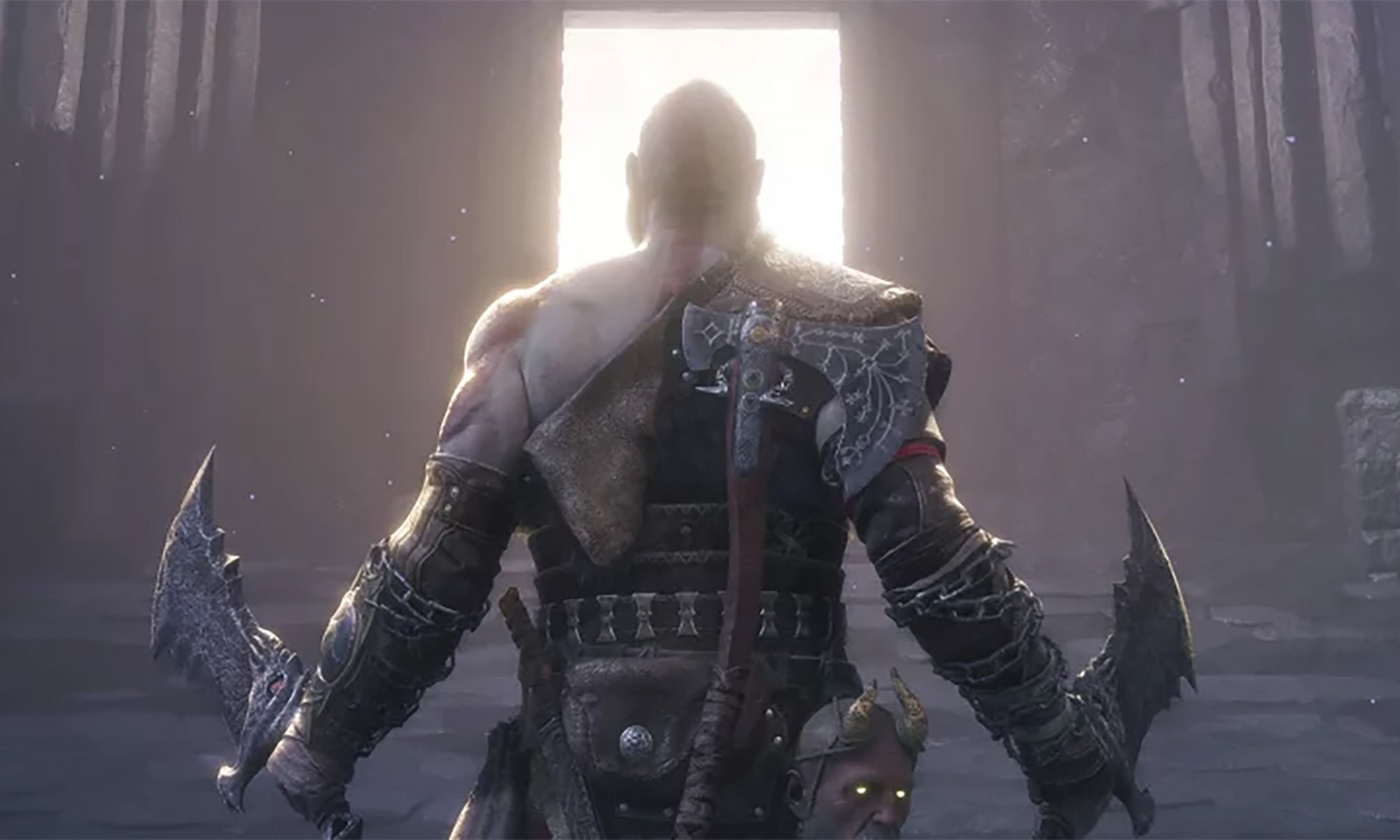
Christopher Nolan's The Odyssey leans into myth and horror, drawing inspiration from Guillermo del Toro. Early reactions are ecstatic as Odysseus' 10-year voyage battles five marquee monsters—Polyphemus, Laestrygonians, Charybdis, Scylla, and possibly Sirens—per trailers and source material. The film marks a bold genre shift for Nolan and hits theaters and IMAX on July 17, 2026.

The Sacred Anaconda: How a Giant Serpent Holds the Amazon Together
world5 months ago

The Sacred Anaconda: How a Giant Serpent Holds the Amazon Together

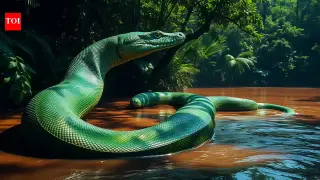
The green anaconda, the world’s largest snake, is more than a predator in the Amazon: it is a central cosmological figure in Indigenous myths, embodying the river and the cosmos, creator of social order, and guardian of ecological balance. From the ancestral anaconda-canoe in Vaupés to Yakumama in Peru, these stories link origins, ritual, and governance to the health of the rainforest, while scientific facts about its size and habitat underscore its enduring significance amid environmental threats.

Moon Twice in a Month: Why the Blue Moon Captivates Us
space6 months ago

Moon Twice in a Month: Why the Blue Moon Captivates Us

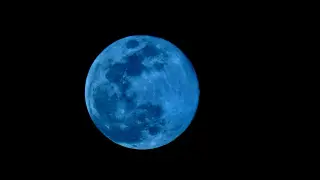
Space.com explains that a Blue Moon is not literally blue; it refers to either the second full moon in a calendar month or the fourth in a season with four full moons; the article traces its pop-culture roots—from a 1940s Sky & Telescope misinterpretation to songs and films—and notes that the Moon's enduring appeal comes from its regular cycles and its place in human culture and science.

John Blair's 'Killing the Dead': A Gory History of Vampires
history11 months ago

John Blair's 'Killing the Dead': A Gory History of Vampires

The article explores the historical and cultural origins of vampire beliefs across different societies, highlighting how fears of the undead have led to exhumations and rituals to prevent the dead from harming the living, and argues that such practices are often therapeutic responses to societal stresses. It also critiques Bram Stoker's Dracula as being disconnected from actual historical beliefs.

Colorado Rabbits Develop Horns and Tentacles Due to Virus
science-and-environment1 year ago

Colorado Rabbits Develop Horns and Tentacles Due to Virus

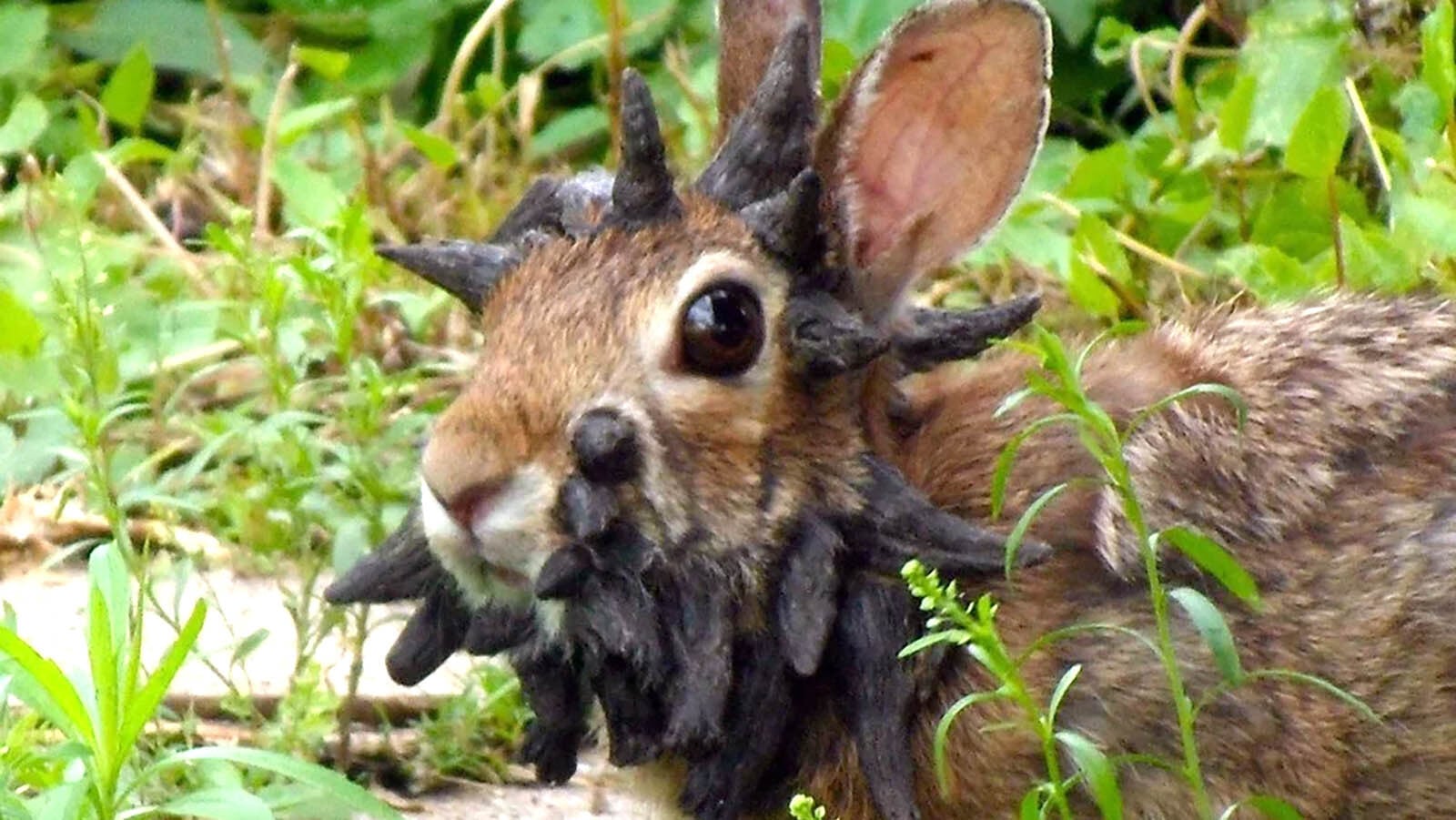
Rabbits in Colorado are developing horn-like growths and tentacles due to the Shope papilloma virus, which causes benign, horn-shaped keratin growths. This phenomenon has sparked social media interest and is linked to the myth of the jackalope in Wyoming, a legendary creature possibly inspired by infected rabbits. Experts confirm the virus is harmless to humans and not a threat to local wildlife, though it has fueled local folklore and tourism.

The Challenges of Naming Quasi-Moons
space2 years ago

The Challenges of Naming Quasi-Moons

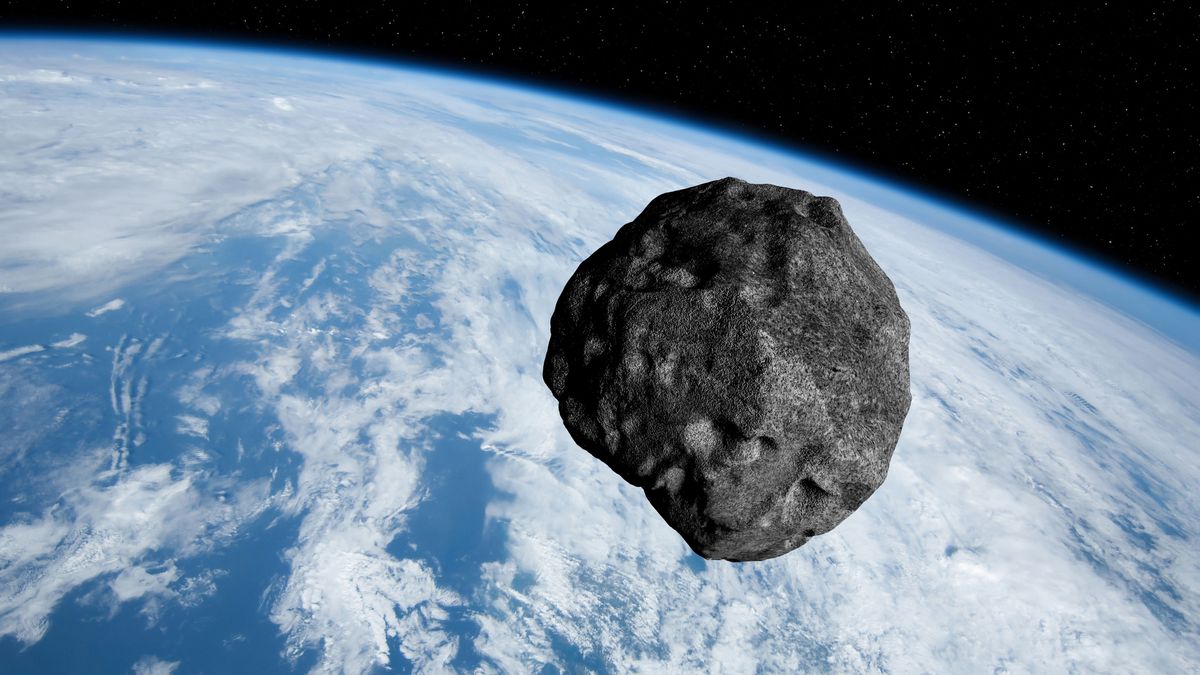
The International Astronomical Union (IAU) is overseeing a contest to name Earth's quasi-moon, 2004 GU9, with a requirement that the name be rooted in mythology. Despite humorous suggestions like "Moony McMoonface," the IAU emphasizes cultural significance and mythological connections. The final name options include mythological figures from various cultures, highlighting the complexity and cultural considerations involved in naming celestial objects.

ChatGPT Settles the Dragon Existence Debate
technology2 years ago

ChatGPT Settles the Dragon Existence Debate

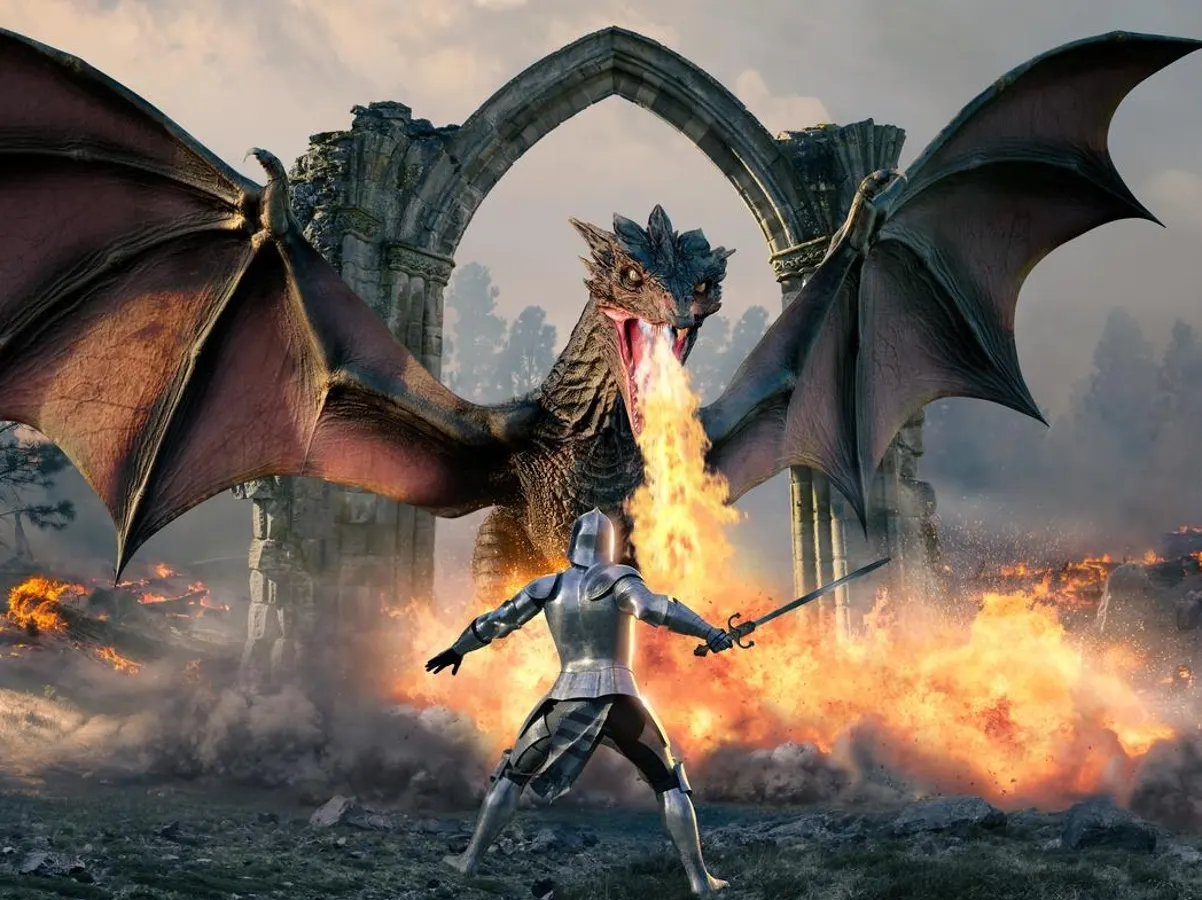
A recent media debate about the existence of dragons has been addressed by generative AI, including ChatGPT, which suggests that dragons, as depicted in mythology, did not exist. The AI proposes that ancient cultures might have been inspired by large animals or fossils, leading to dragon myths. The article highlights the importance of questioning AI's responses, as they are based on human data and not absolute truths. It also explores how AI can be prompted to simulate belief in dragons, demonstrating the flexibility and limitations of current AI technology.