Tag

Nsaids

All articles tagged with #nsaids

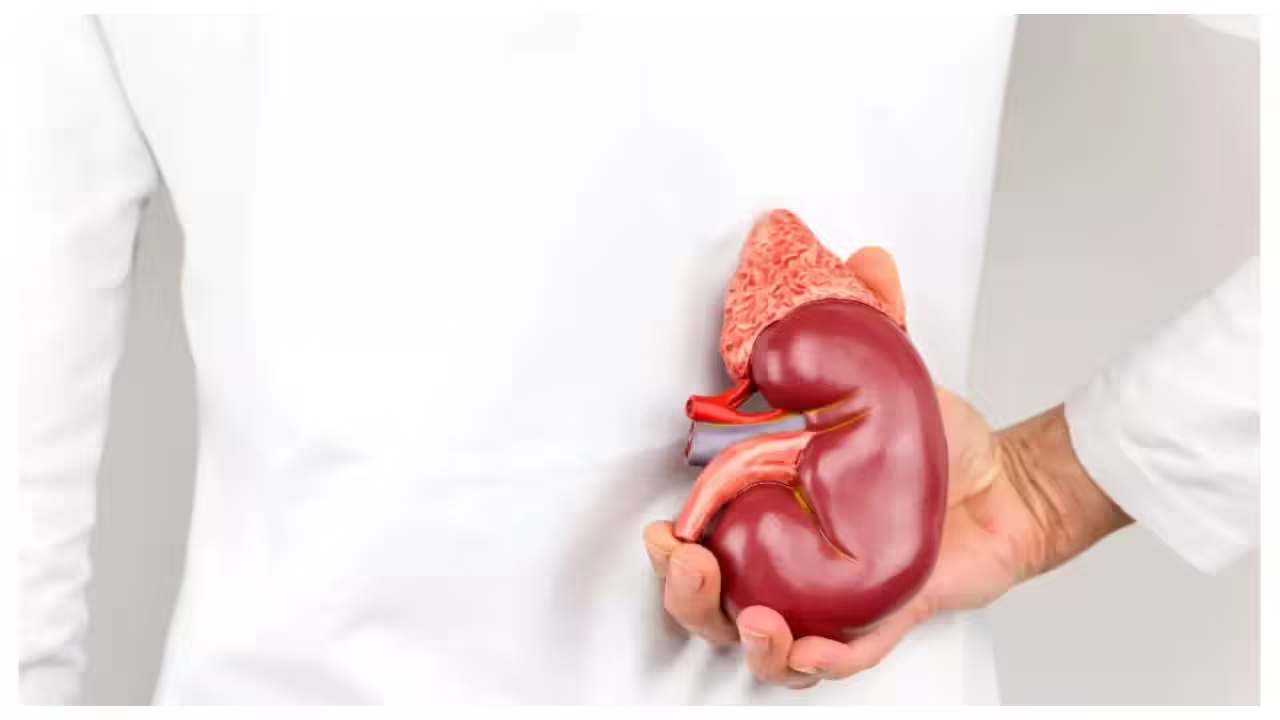
Six everyday habits quietly damaging your kidneys—and how to protect them
health6 days ago

Six everyday habits quietly damaging your kidneys—and how to protect them

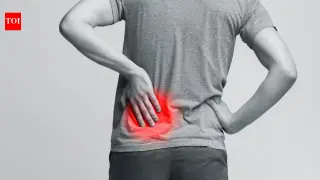
Kidney health can be silently harmed by daily choices: frequent NSAID painkillers, hidden salt in processed foods, a diet dominated by ultra-processed products, mismanaged hydration (not too little or too much), and smoking; plus not regularly checking blood pressure, blood sugar, or kidney function can delay detection of problems—so use painkillers cautiously, watch sodium, opt for minimally processed meals, stay appropriately hydrated, quit smoking, and discuss routine kidney screening with a clinician.

Paracetamol tops period-pain purchases, but ibuprofen offers stronger relief, study finds
health1 month ago

Paracetamol tops period-pain purchases, but ibuprofen offers stronger relief, study finds

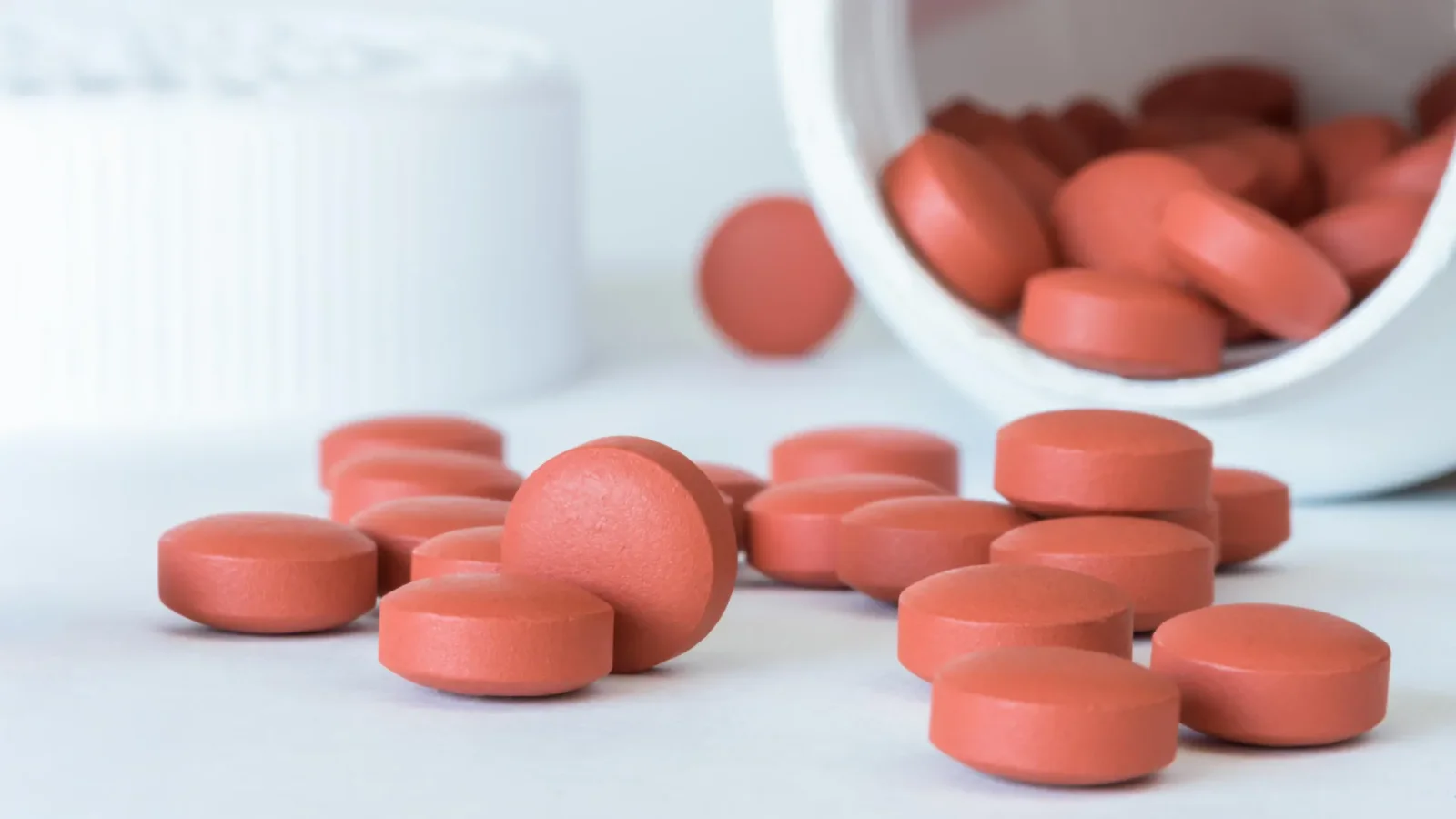
An analysis of supermarket data shows paracetamol is the most purchased painkiller for menstrual cramps, even though NSAIDs like ibuprofen are more effective at reducing period pain by blocking prostaglandin production. Timing matters—NSAIDs work best when started one to two days before bleeding starts. Other options include additional NSAIDs (naproxen, mefenamic acid, aspirin), hyoscine, the combined oral contraceptive pill, and non-drug methods like heat or Tens. For severe or persistent pain, consult a clinician to rule out conditions such as endometriosis or fibroids.

Antibiotics Are the Biggest Gut Microbiome Disruptors, but Other Meds Matter
health6 months ago

Antibiotics Are the Biggest Gut Microbiome Disruptors, but Other Meds Matter

Gastroenterologists say antibiotics cause the most disruption to the gut microbiome, but other medications—including proton pump inhibitors, laxatives, NSAIDs, and certain cardiac drugs—can also alter gut bacteria, with some changes lasting years after stopping. Probiotics aren’t reliably regulated or proven to protect the microbiome, though Saccharomyces boulardii may reduce the risk of C. difficile diarrhea. If you must take such meds, focus on fiber-rich foods to support gut health and discuss qualquer protective steps with your doctor.

Could ibuprofen lower some cancer risks? Early findings with caveats
health7 months ago

Could ibuprofen lower some cancer risks? Early findings with caveats

Emerging studies link regular ibuprofen use with lower risks of endometrial and bowel (colorectal) cancers, possibly by dampening inflammation and affecting cancer-related genes, though evidence is not conclusive and high-dose or long-term NSAID use can cause serious side effects. Experts caution against self-prescribing ibuprofen for cancer prevention and emphasize proven prevention strategies like a healthy weight, exercise, and a balanced diet.

Ibuprofen and Cancer Risk: Early Signals, Cautious Outlook
health7 months ago

Ibuprofen and Cancer Risk: Early Signals, Cautious Outlook

New research links ibuprofen’s anti-inflammatory action to possible cancer-risk modulation, including a potential lower risk of endometrial cancer and hints of protection against other cancers, but the evidence is mixed and experts warn against using ibuprofen for cancer prevention due to side effects and drug interactions; maintaining a healthy lifestyle remains the best prevention strategy.

Pain Relief Drug Shows Potential Anti-Cancer Benefits
health10 months ago

Pain Relief Drug Shows Potential Anti-Cancer Benefits

Recent research suggests that ibuprofen, a common pain reliever, may have anti-cancer properties, particularly in reducing the risk of endometrial, bowel, breast, lung, and prostate cancers, by reducing inflammation and affecting cancer-related genes. However, experts caution against self-medicating due to potential side effects and emphasize lifestyle prevention strategies.

Ibuprofen: A Common Painkiller's Potential Anti-Cancer Benefits
health10 months ago

Ibuprofen: A Common Painkiller's Potential Anti-Cancer Benefits

Recent research suggests that ibuprofen, a common anti-inflammatory drug, may have protective effects against certain cancers, including endometrial, bowel, breast, lung, and prostate cancers, by reducing inflammation and influencing cancer-related genes. However, conflicting studies and potential side effects mean it should not be used for cancer prevention without medical guidance, and lifestyle factors remain crucial for reducing cancer risk.