Gold Collisions Reveal Unexpected Dip Hinting at Nuclear Matter's Critical Point
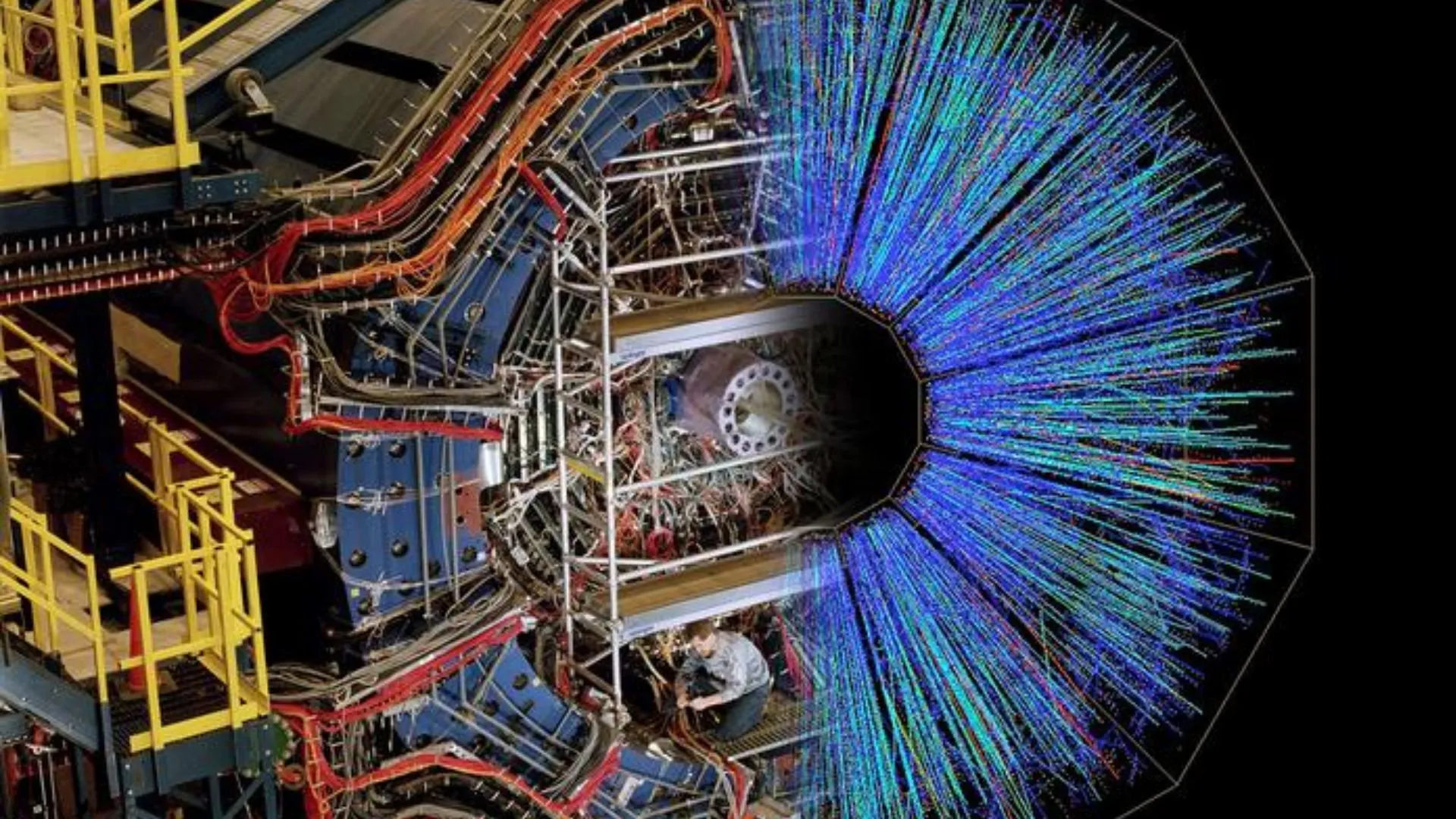
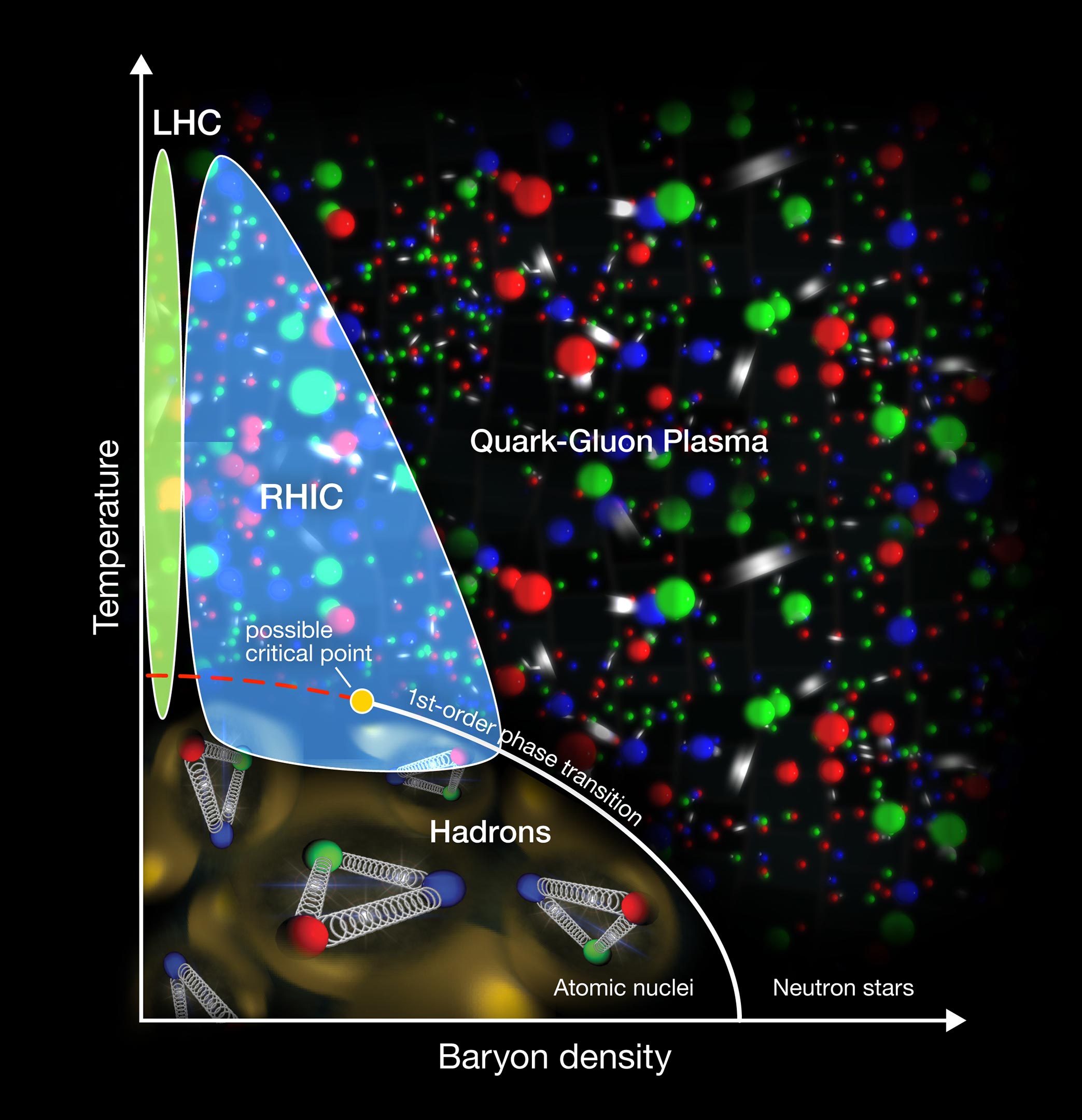
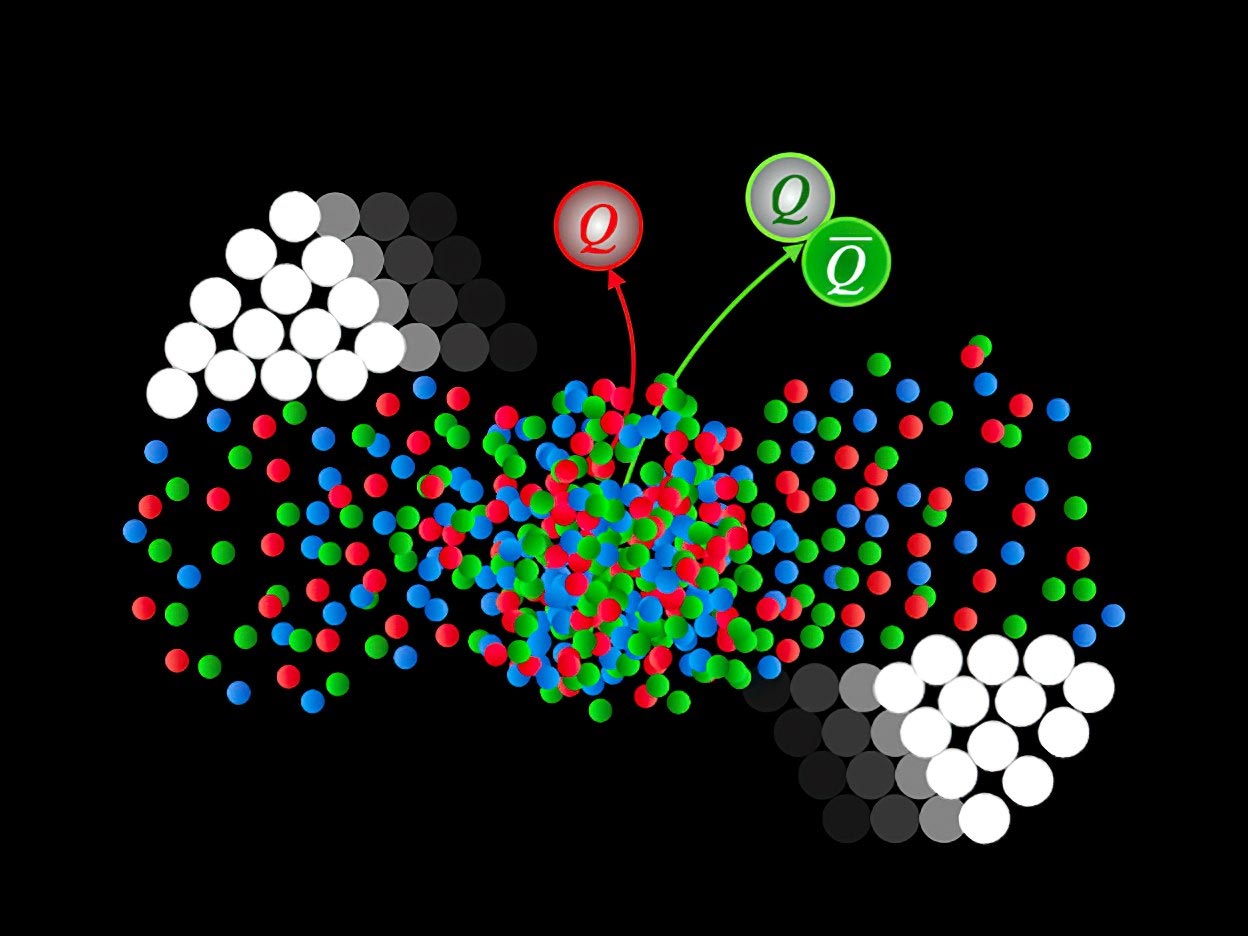
Physicists at Brookhaven National Laboratory have detected an unexpected pattern in gold atom collisions that may signal the long-sought 'critical point' of nuclear matter. By smashing gold nuclei together at nearly the speed of light, researchers created quark-gluon plasma, a state of matter believed to have existed microseconds after the Big Bang. While analyzing the spray of particles, they observed a dip in the variation of sideways particle ejection as collision energy changed. This non-smooth behavior suggests a transition point where nuclear matter changes how it transforms between states. The findings, published in Physical Review Letters, are statistically significant but described as a hint rather than definitive proof. This experiment aims to map the 'equation of state' of nuclear matter, which governs conditions in extreme environments like neutron star cores.