Tag

Pangaea

All articles tagged with #pangaea

A 1976 NASA satellite carries a Sagan-designed plaque that timestamps Earth through deep time
space7 days ago

A 1976 NASA satellite carries a Sagan-designed plaque that timestamps Earth through deep time

NASA’s LAGEOS-1, launched in 1976, is a bare-bones, durable satellite designed to reflect laser pulses for geodynamics research. It carries two Carl Sagan–designed stainless-steel plaques with three maps showing Earth’s continents 268 million years ago (Pangaea), at launch in 1976, and about 8.4 million years in the future—the latter date aligned with the satellite’s expected re-entry. The plaque is not targeted at aliens but serves as a timekeeping message, dating itself via continental drift while the satellite—an electronics-free sphere studded with reflectors—awaits eventual opening when it returns to Earth.
Where Was Your Backyard 320 Million Years Ago? A New Tool Maps Earth's Drift
science1 month ago

Where Was Your Backyard 320 Million Years Ago? A New Tool Maps Earth's Drift

Paleolatitude.org now features a global 320-million-year paleogeographic model with updated paleomagnetic data, letting users trace any location’s latitude through continental drift, export results, and upload data for bulk paleolatitude calculations. Researchers illustrate its use by reconstructing late Jurassic biodiversity gradients and mapping a Dutch fossil site to ancient latitudes near today’s Arabia, with plans to extend the model back to the Cambrian to study biodiversity resilience through deep time.

Cutting-edge Moon camera undergoes successful testing in Europe
science-and-exploration2 years ago

Cutting-edge Moon camera undergoes successful testing in Europe

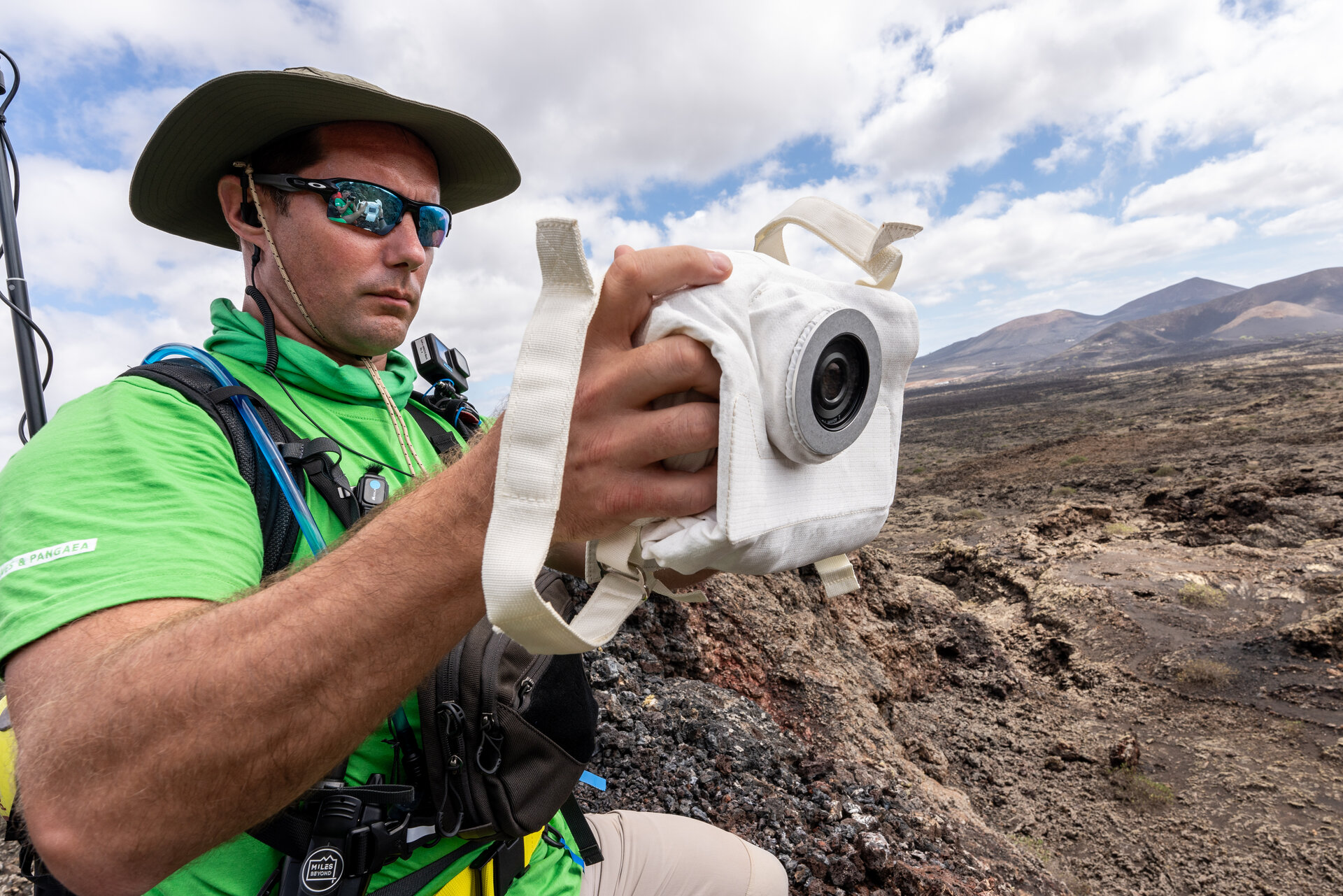
European astronauts and scientists are collaborating with NASA's Artemis imagery team to develop the Handheld Universal Lunar Camera (HULC) for future Moon missions. The camera, tested in lunar-like landscapes in Spain, is built from off-the-shelf cameras with modifications for space, including dust and thermal protection. Astronauts used the camera during geological field trips to document their exploration work, and the camera's design was praised for its simplicity and reliability. The camera will be the first mirrorless camera for handheld use in space and will record videos to provide situational awareness and document lunar exploration. Further testing and modifications will be done before the Artemis III lunar landing.

Saber-Toothed Predator Unveils Insights into the "Great Dying" Extinction Event.
paleontology3 years ago

Saber-Toothed Predator Unveils Insights into the "Great Dying" Extinction Event.

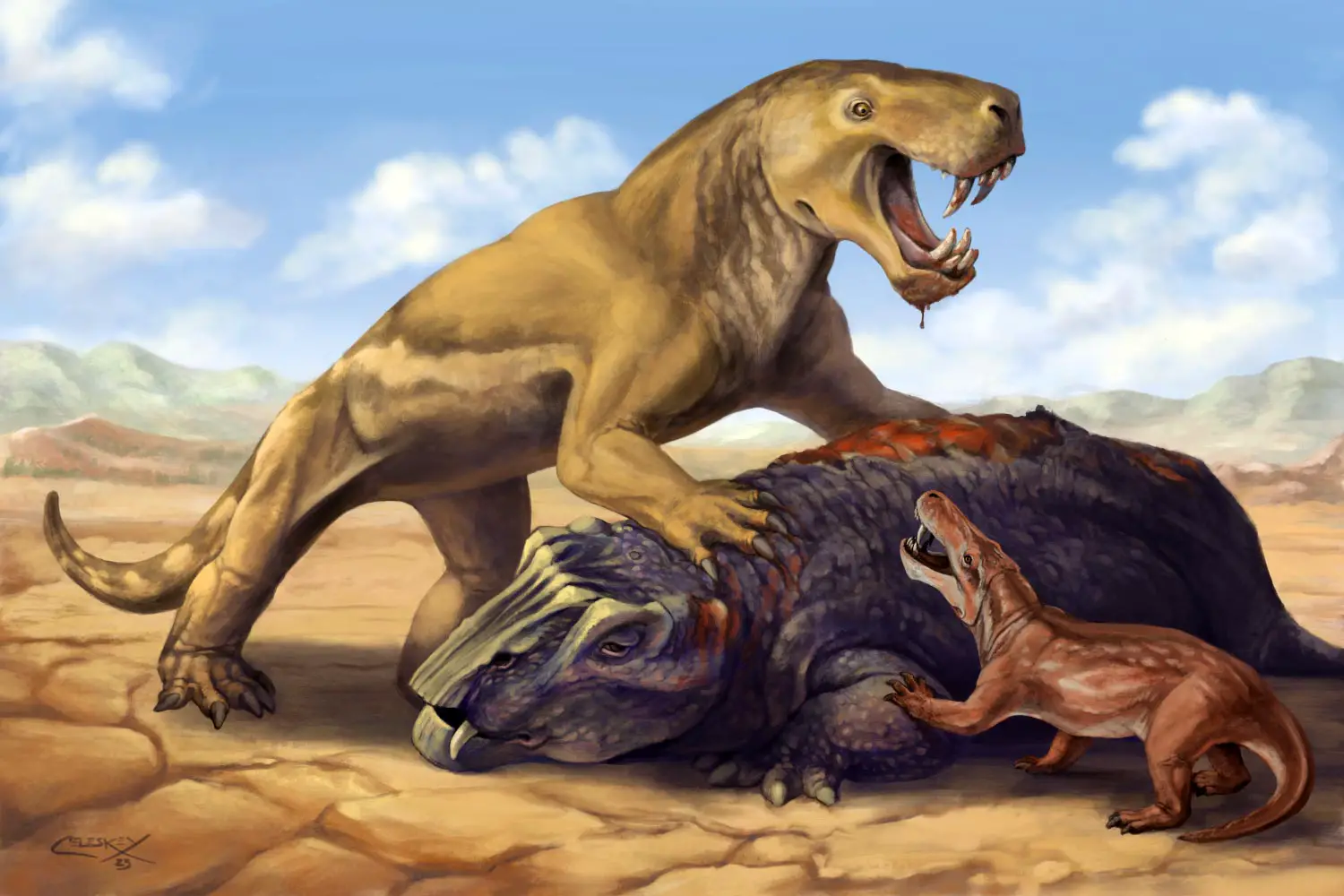
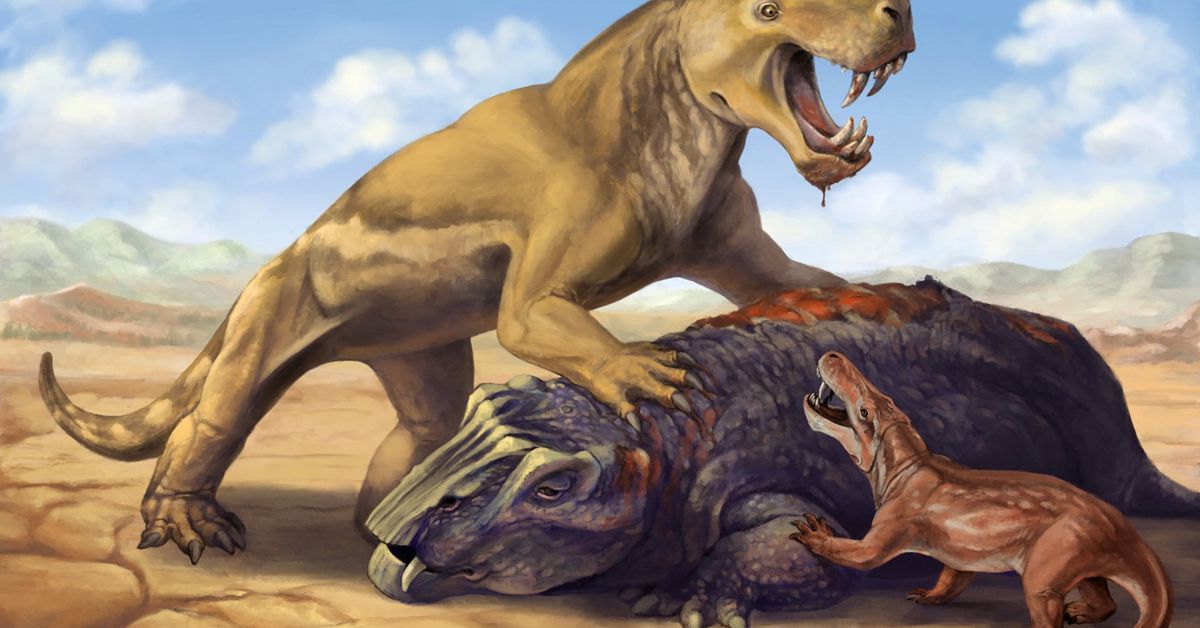
Fossils of Inostrancevia, a saber-toothed predator the size of a tiger, were discovered in South Africa's Karoo Basin, 7,000 miles from its original habitat in Russia. The creature filled a gap left by extinct top predators in a far-flung ecosystem before becoming extinct itself, indicating that apex predators could serve as early indicators of impending mass extinctions. Researchers draw parallels between these prehistoric patterns and current ecological crises, underscoring the importance of understanding ancient extinction events to predict and possibly mitigate today's biodiversity loss.

The Epic Journey and Extinction of an Ancient Saber-Toothed Predator.
science3 years ago

The Epic Journey and Extinction of an Ancient Saber-Toothed Predator.

Fossils of an apex predator called Inostrancevia, a tiger-sized, saber-toothed mammal forerunner, were discovered in South Africa, revealing that it migrated over time, about 7,000 miles across Earth's ancient supercontinent Pangaea, in a desperate, and ultimately failed, bid to survive the mass extinction called "the Great Dying" that occurred roughly 252 million years ago at the end of the Permian Period. The mass extinction was triggered by runaway global warming caused by calamitous volcanism in Siberia, dooming perhaps 90% of species. The researchers see parallels between the Permian crisis and today's human-induced climate change.

The Rise and Fall of a Saber-Toothed Predator Before the Great Dying.
science3 years ago

The Rise and Fall of a Saber-Toothed Predator Before the Great Dying.

Fossils of the saber-toothed mammal forerunner Inostrancevia, found in South Africa, reveal that it migrated over 7,000 miles across Earth's ancient supercontinent Pangaea in a bid to survive the mass extinction event at the end of the Permian Period. The apex predator filled the ecological niche of top predator in South Africa after four other species had vanished, but ultimately disappeared in the mass extinction called "the Great Dying." The event was triggered by runaway global warming caused by volcanic activity in Siberia, which caused the extinction of perhaps 90% of species. Researchers see parallels between the Permian crisis and today's human-induced climate change.