Tag

Peanut Allergy

All articles tagged with #peanut allergy

Gut Microbiome Transplants Show Early Hints of Peanut Allergy Tolerance
health1 day ago

Gut Microbiome Transplants Show Early Hints of Peanut Allergy Tolerance

A small Boston Children’s Hospital study used donor gut bacteria delivered via “poop pills” to people with severe peanut allergies; several participants showed increased tolerance to peanuts months later, especially after antibiotics to clear existing gut microbes. The results suggest a microbiome-based pathway affecting immune tolerance, with follow-up trials exploring teen capsule transplants and combining microbiome therapy with peanut immunotherapy.
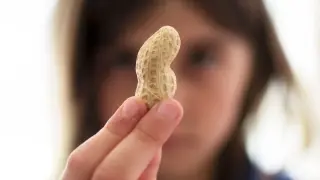
Gut microbiome therapy shows early promise for peanut allergy
health10 days ago

Gut microbiome therapy shows early promise for peanut allergy

A small phase 1 trial suggests oral fecal microbiota transplantation from healthy donors may increase peanut tolerance in some adults with peanut allergy (6 of 15 participants across two stages). Safety was acceptable, and mouse studies supported a gut-bacteria–driven mechanism involving RORγt+ regulatory T cells and bile acid metabolites. While encouraging, results are preliminary and not ready for clinical use; researchers aim to develop purified microbiome therapies (MTT) and conduct larger trials over the coming years. In the meantime, standard care—strict avoidance and an emergency allergy plan—remains essential.

Gut microbiome transplant offers early hope for peanut allergy treatment
health12 days ago

Gut microbiome transplant offers early hope for peanut allergy treatment

In a phase 1, open-label trial at Boston Children’s Hospital, 15 adults with peanut allergies received fecal microbiota transplants to reset the gut microbiome. Ten participants received FMT capsules and five later got a transplant after antibiotics; about 40% achieved meaningful, durable increases in peanut tolerance (up to 300–600 mg, with one participant tolerating 1,043 mg) lasting at least four months. Side effects were minor and no major adverse events occurred. While promising, larger randomized trials are needed and FMT is not yet ready for clinical use; mouse studies suggested two Bacteroides species may drive the protective effect.

Aunt's Precaution Dilemma Over a Niece's Suspected Peanut Allergy
advice15 days ago

Aunt's Precaution Dilemma Over a Niece's Suspected Peanut Allergy

An anxious aunt questions how her sister is handling a potential peanut allergy in her 4-year-old niece, choosing to treat exposures as potentially severe while awaiting an allergist. The piece advocates a supportive, proactive conversation with the parents—sharing what she’s learned about precautions, offering to help coordinate care, and proposing a simple plan—using a suggested script to start the discussion without judgment.

Fecal Pill Therapy Shows Early Promise Against Peanut Allergies
health16 days ago

Fecal Pill Therapy Shows Early Promise Against Peanut Allergies

A small human trial found that frozen donor gut microbes delivered as pills reduced peanut allergy reactions: 10 adults with severe peanut allergies received 36 pills over a few hours, and after four months, three could tolerate multiple peanuts; a follow-up phase with antibiotics enhanced the effect, highlighting bile-acid metabolism and immune-tolerance changes as the mechanism. Researchers are pursuing a refrigerator-storable, purified version and larger studies.

Gut bacteria transplant shows promise in treating peanut allergy in humans
science20 days ago

Gut bacteria transplant shows promise in treating peanut allergy in humans

In a small human trial, six of 15 peanut-allergic participants could tolerate more peanut after receiving a fecal transplant from healthy donors, with four months of follow-up showing up to 600 mg of peanut protein tolerated in most responders, suggesting that reshaping the gut microbiome could offer lasting allergy relief—though responses varied and more research is needed.

Saliva's Hidden Shield: Rothia aeria Could Neutralize Peanut Allergens
health5 months ago

Saliva's Hidden Shield: Rothia aeria Could Neutralize Peanut Allergens

Researchers found bacteria common to the mouth and gut, especially Rothia aeria, can degrade peanut allergen proteins Ara h 1 and Ara h 2 in lab tests, markedly reducing allergenicity in vitro and correlating higher Rothia aeria with non-allergic or tolerant individuals; this points to potential probiotic or adjunct oral immunotherapy approaches for peanut allergy, with further work in animals and humans.

Oral-Gut Microbes Could Dampen Peanut Allergies
science5 months ago

Oral-Gut Microbes Could Dampen Peanut Allergies

Researchers identify mouth and gut bacteria, notably Rothia and Staphylococcus, that can break down peanut proteins Ara h 1 and Ara h 2. In children undergoing oral immunotherapy, higher levels of these microbes correlate with greater peanut tolerance and milder reactions; mouse studies show the same bacteria reduce anaphylactic responses. The findings hint at microbiome-based markers and therapies to manage peanut allergy, but human applications remain observational and require further testing.

Significant Drop in Children's Peanut Allergies Since 2017
health9 months ago

Significant Drop in Children's Peanut Allergies Since 2017

Peanut allergies among children have decreased by over 40% since 2017, largely due to changes in early introduction guidelines following research showing that introducing peanuts early in infancy can significantly reduce allergy risk. Experts recommend cautious early exposure, especially for high-risk children, and emphasize the importance of monitoring for allergic reactions. While early introduction doesn't guarantee prevention, recent evidence suggests it is an effective strategy to lower peanut allergy prevalence.

Early Peanut Introduction Significantly Reduces Child Allergies
food10 months ago

Early Peanut Introduction Significantly Reduces Child Allergies

A study published in Pediatrics shows a 43% decrease in childhood peanut allergies following the 2017 updated early introduction guidelines, which recommend introducing peanuts to infants around 4-6 months, supporting the effectiveness of these public health recommendations. The study analyzed medical records of about 40,000 children and found no change in egg allergy rates, with eczema rates increasing during the same period.

Early Peanut Exposure Significantly Reduces Child Food Allergy Risks
health10 months ago

Early Peanut Exposure Significantly Reduces Child Food Allergy Risks

A new study shows that early introduction of peanuts to infants, following updated guidelines, has prevented approximately 60,000 children in the U.S. from developing peanut allergies, with a significant decline in cases among children aged 0-3 since 2015. Despite initial slow adoption, the practice is gaining traction and offers a promising strategy to reduce food allergy prevalence.