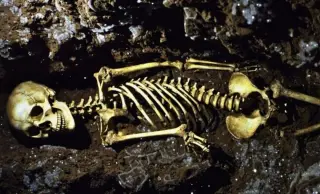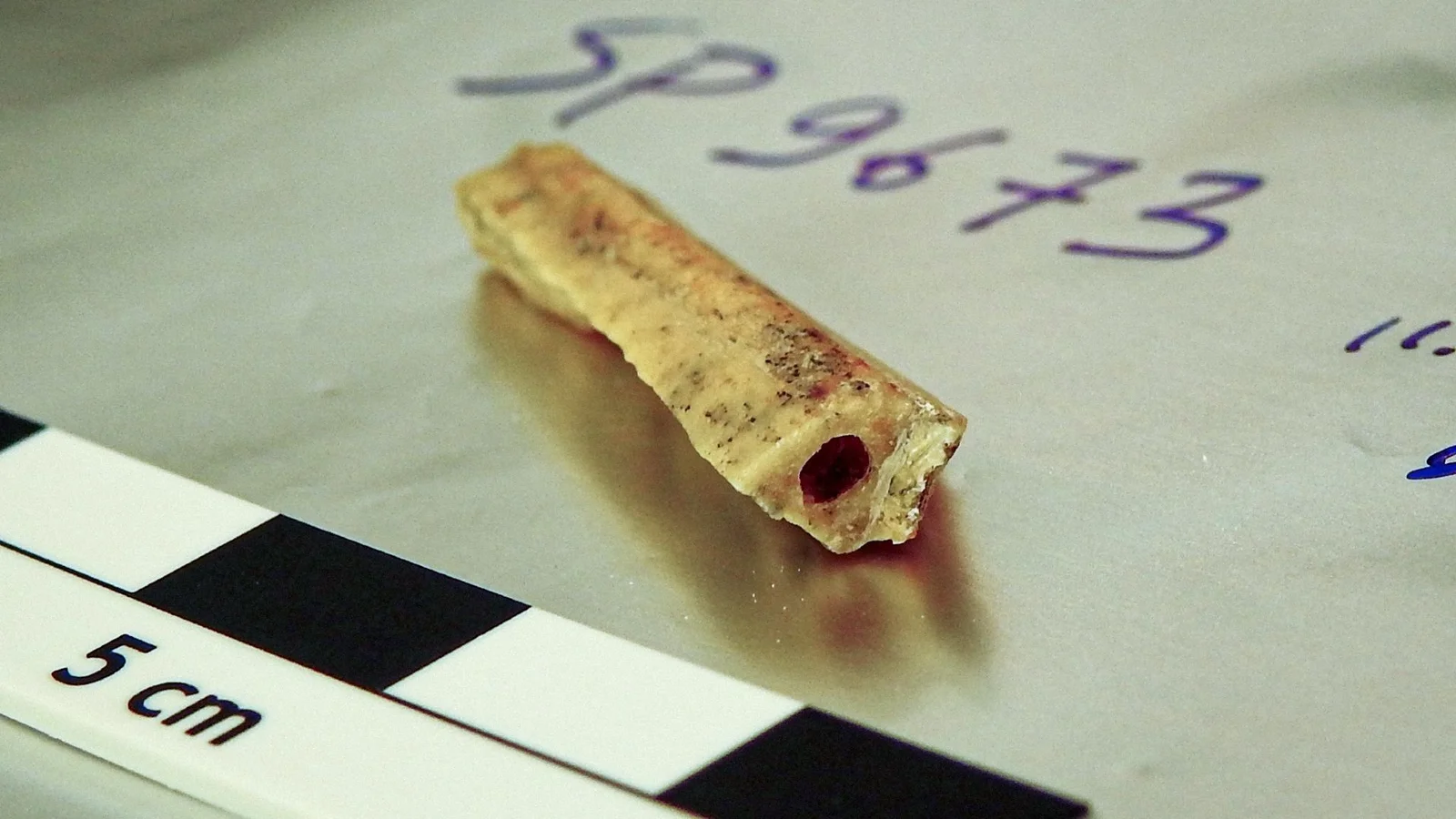
DNA from a 110,000-year-old Neanderthal bone from Denisova Cave shows two individuals belonged to closely related lineages but were not direct ancestors, indicating small, isolated Neanderthal populations in the Altai region and repeated use of Denisova Cave.
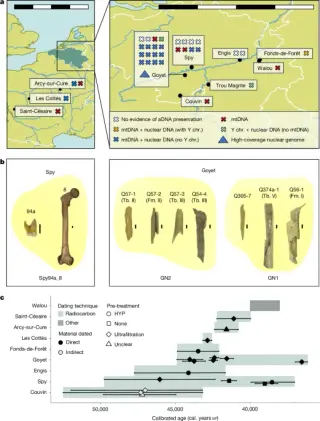
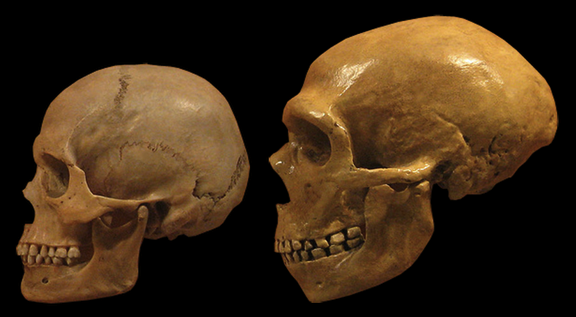
A study published in Science finds Neanderthal males interbred with human females more often than the reverse, suggesting a non-random partner pattern possibly driven by migration or social dynamics; researchers also note that hybrids from Neanderthal mothers and human fathers may have had lower survival, helping explain the persistence of Neanderthal DNA (up to about 2%) in modern European and Asian populations.
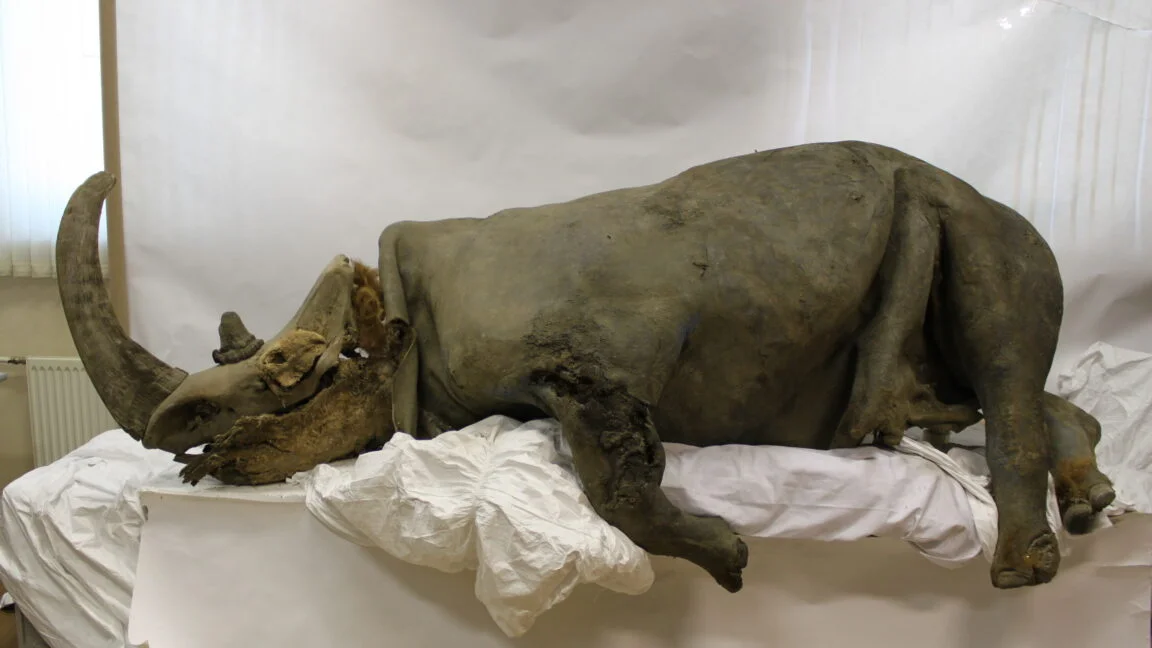
Scientists sequenced a full woolly rhino genome from the stomach of a 14,400-year-old wolf pup, revealing a genetically healthy population with low inbreeding before a rapid extinction likely caused by late Ice Age warming; comparison with an older rhino genome suggests the end came quickly after climate change, offering insights for modern biodiversity crises.
A new study using a mathematical model suggests that the disappearance of Neanderthals could be explained solely by genetic dilution resulting from repeated small-scale interbreeding with modern humans over thousands of years, without the need for catastrophic events.
Scientists have discovered a DNA discrepancy in great white sharks that cannot be explained by migration or known genetic factors, leaving the cause of the mitochondrial and nuclear DNA differences an open scientific mystery.
A recent study reveals an unexplained split in the DNA of great white sharks, with mitochondrial DNA differences not accounted for by migration or known behaviors, leaving scientists puzzled about the underlying cause of this genetic divergence.
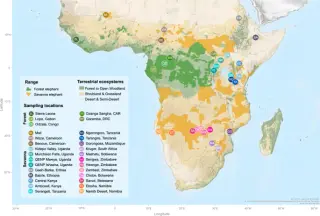
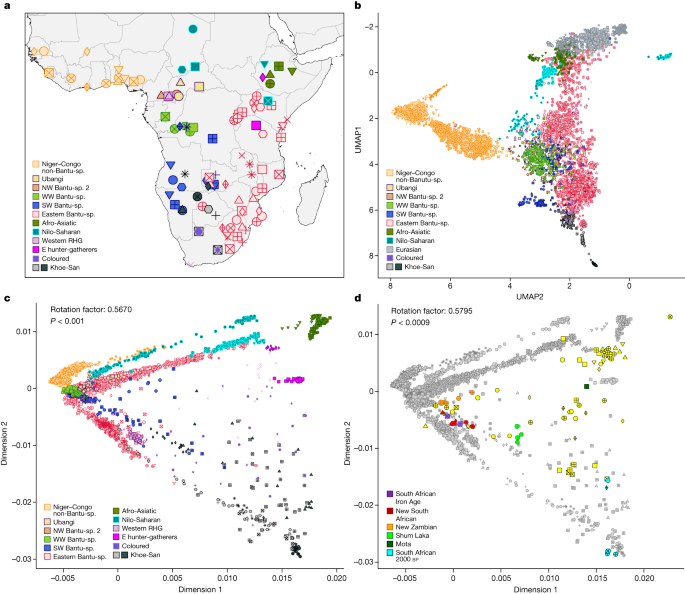
A comprehensive genomic study of Bantu-speaking populations (BSP) in sub-Saharan Africa reveals the genetic legacy of their expansion across the continent. The study confirms the demic nature of the BSP expansion and identifies complex patterns of genetic admixture with local populations. The research suggests that the expansion of BSP started from west-central Africa and followed primarily longitudinal routes, with the Congo rainforest playing a crucial role. The study also highlights the importance of Zambia and the western Democratic Republic of Congo as interaction zones between different linguistic subgroupings of BSP. The findings provide insights into the demographic history and genetic diversity of BSP, shedding light on the complex interplay between genetics, linguistics, and geography in African human history.