Tag

Paleogenomics

All articles tagged with #paleogenomics

DNA on the Walls: Ancient Human Clues Found in Prehistoric Rock Art
science5 days ago

DNA on the Walls: Ancient Human Clues Found in Prehistoric Rock Art

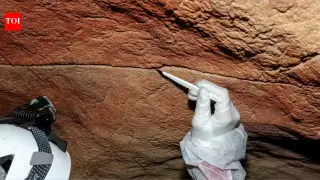
Scientists retrieved ancient human DNA from calcite crusts on cave walls and pigment on rock art across 11 caves in Spain and Portugal, a first that could someday help identify the artists behind prehistoric paintings. DNA was found in 24 painted panels, though only a few samples yielded usable ancient DNA, and ages are uncertain—likely at least a couple of thousand years old. The DNA may have been deposited via saliva or fluids during art creation, and some samples from unpainted cave areas also contained human DNA. While it raises exciting possibilities, researchers caution that it isn’t yet sure the DNA belongs to the artists, and future work will refine methods and expand sampling to more sites.

Ancient hunter-gatherer DNA linked to centenarian longevity
science2 months ago

Ancient hunter-gatherer DNA linked to centenarian longevity

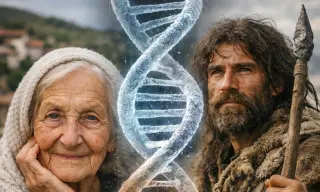
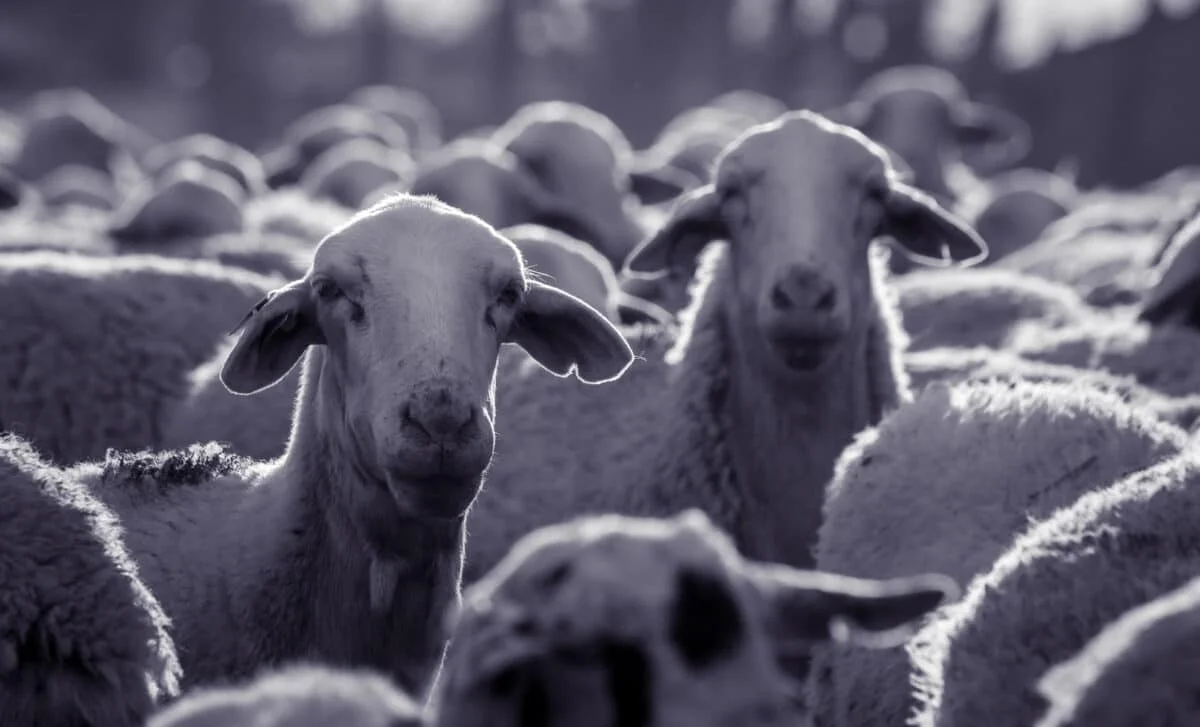
An Italian study links extreme longevity to inherited DNA from Ice Age Western Hunter-Gatherers, finding centenarians more likely to carry this ancestry and reporting a 38% higher odds of centenarians with that ancestry; paleogenomics shows this pattern, but researchers caution that ancestry alone isn’t a predictor of aging and call for further biological follow-up.

Ancient Colombian skeleton yields oldest Treponema genome, reshaping syphilis origins
science5 months ago

Ancient Colombian skeleton yields oldest Treponema genome, reshaping syphilis origins

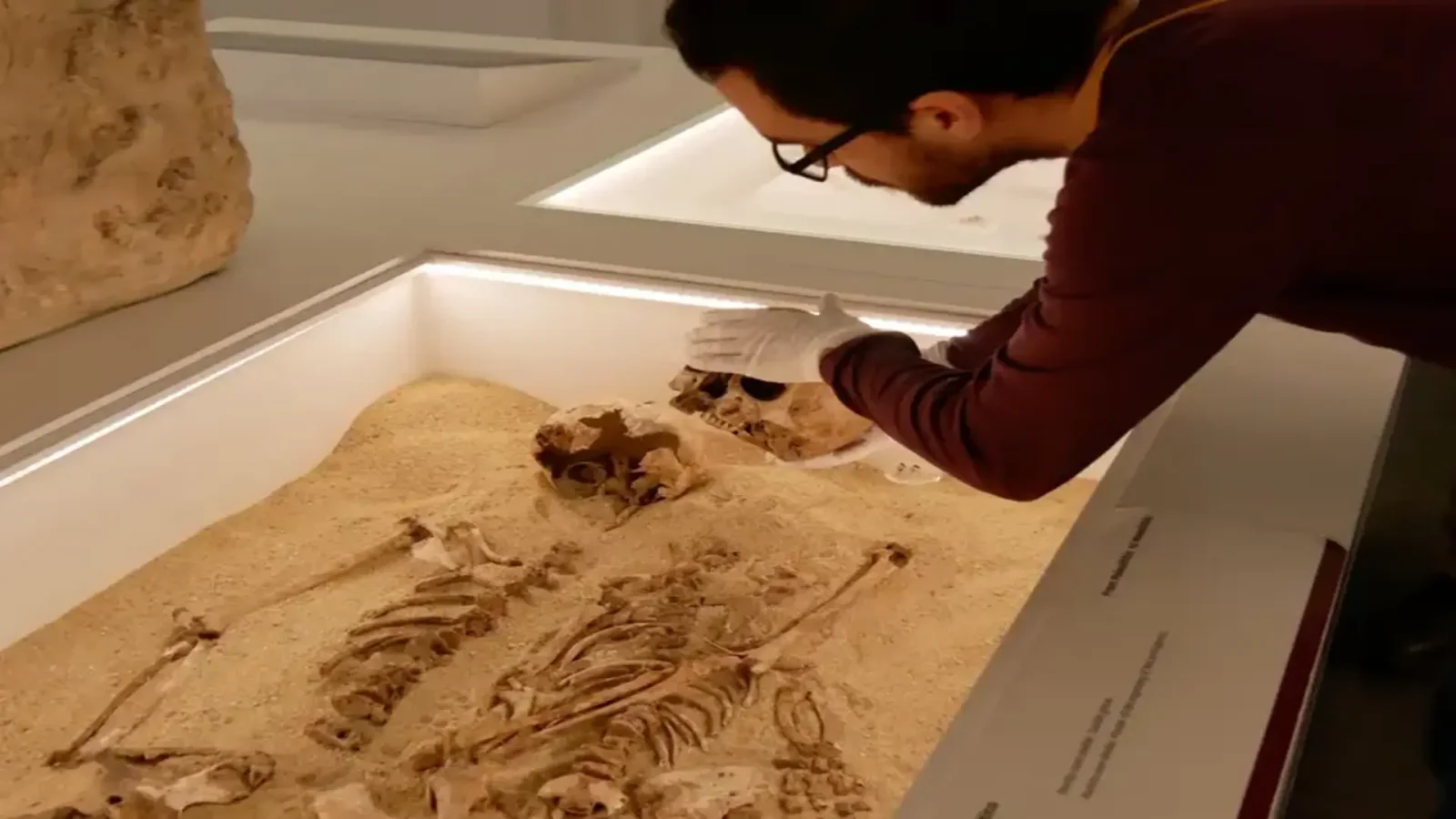
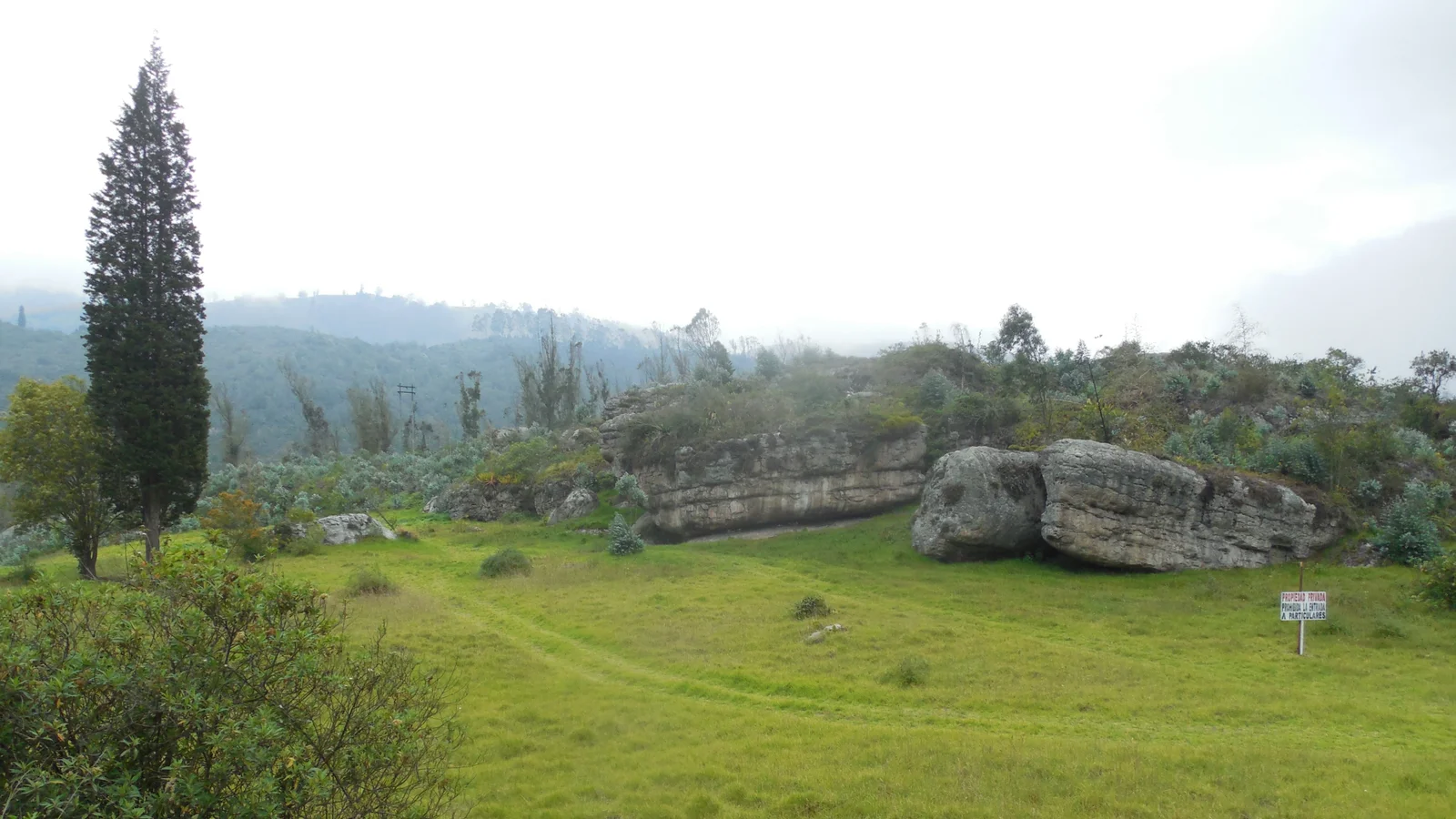
Researchers recovered TE1-3, the oldest Treponema pallidum genome, from a 5,500-year-old skeleton in Sabana de Bogotá, Colombia, pushing the bacterium’s presence in the Americas back by thousands of years and fueling the argument that syphilis may have originated in the Americas, though the exact origin and transmission routes remain unsettled.

Wolf Pup’s Meal Preserves Woolly Rhino DNA, Illuminating a Swift Extinction
science5 months ago

Wolf Pup’s Meal Preserves Woolly Rhino DNA, Illuminating a Swift Extinction

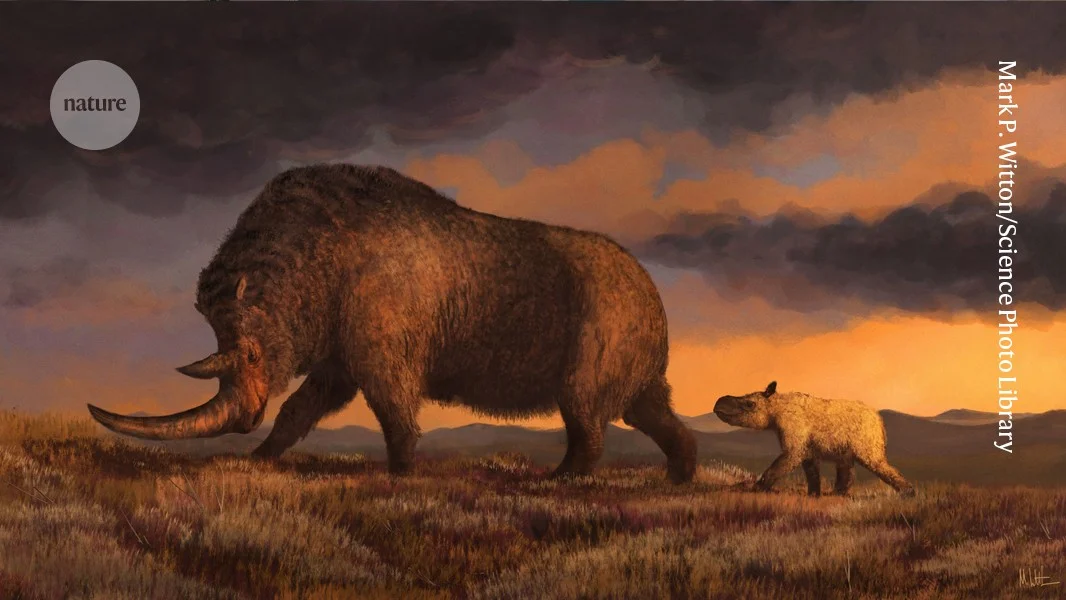
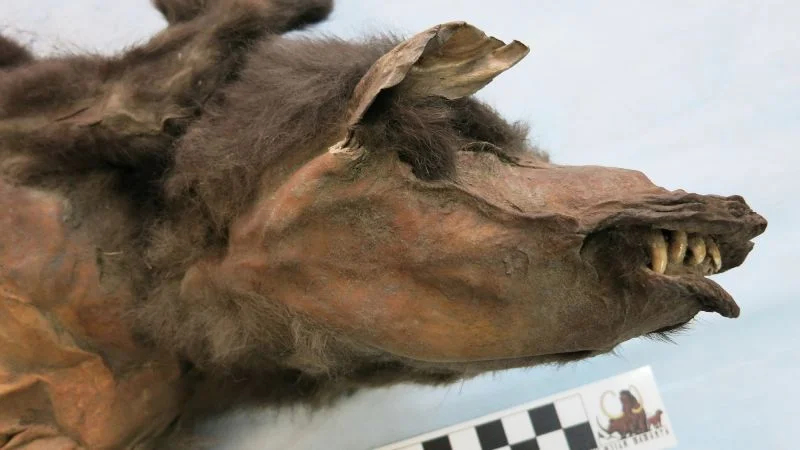
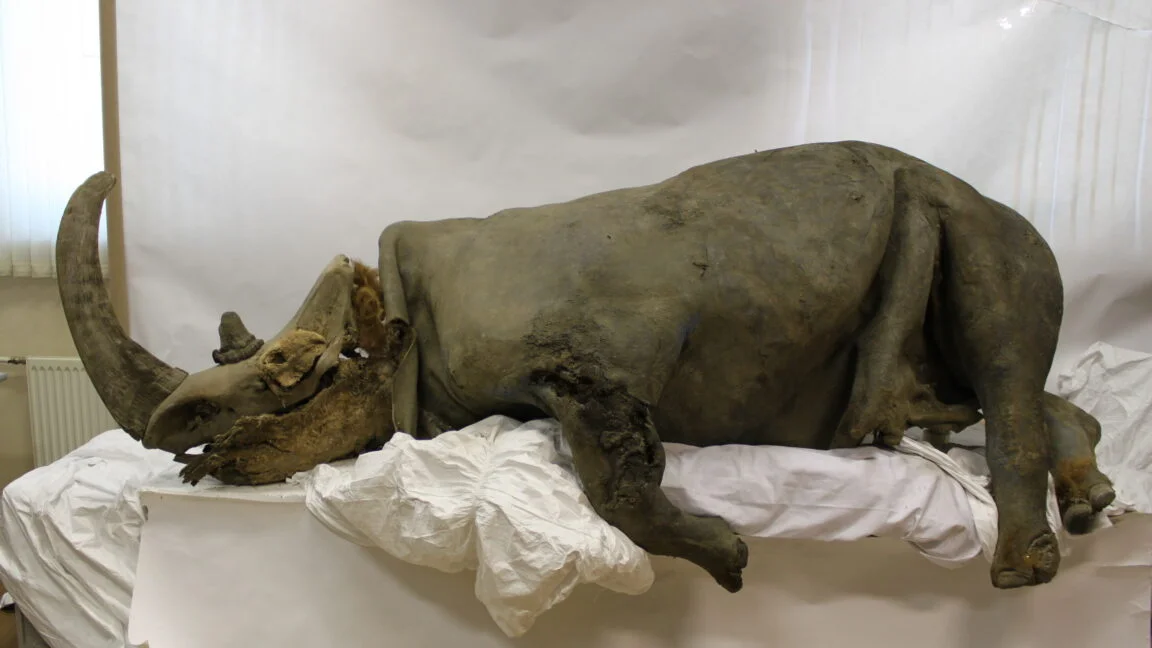
A genomic analysis recovered woolly rhino DNA from the stomach of a mummified ice-age wolf pup dating to about 14,400 years ago in Russia, offering a rare direct glimpse into the species’ gene pool as it was near extinction. The study suggests the woolly rhino’s final decline occurred rapidly after a population collapse likely linked to climate warming, and the sample was initially mistaken for belonging to a cave lion.

Wolf’s last meal reveals woolly rhino genome, reframing Ice Age extinction
science5 months ago

Wolf’s last meal reveals woolly rhino genome, reframing Ice Age extinction

Scientists sequenced the woolly rhinoceros genome from tissue preserved in a 14,000-year-old wolf pup’s stomach in Siberian permafrost, marking the first time a genome has been reconstructed from inside another animal. By comparing this genome with other woolly rhino fossils and the Sumatran rhino, researchers found the species remained genetically stable until climate warming ended the last Ice Age, suggesting environmental change—not human hunting—drove extinction. The wolf pups likely died when their den collapsed, and the preserved stomach contents also offer a broader view of their ecosystem.

Wolf's Last Meal Unlocks Woolly Rhino Genome, Tracing Rapid Ice-Age Extinction
science5 months ago

Wolf's Last Meal Unlocks Woolly Rhino Genome, Tracing Rapid Ice-Age Extinction

Scientists sequenced a full woolly rhino genome from the stomach of a 14,400-year-old wolf pup, revealing a genetically healthy population with low inbreeding before a rapid extinction likely caused by late Ice Age warming; comparison with an older rhino genome suggests the end came quickly after climate change, offering insights for modern biodiversity crises.

Ice-Age DNA Linked to Living Past 100, Italian Study Finds
science6 months ago

Ice-Age DNA Linked to Living Past 100, Italian Study Finds

Italian researchers analyzed DNA from over 1,000 individuals and found that centenarians carry more Western Hunter-Gatherer DNA, particularly the Villabruna cluster from about 14,000 years ago, which is linked to immune response and cellular repair. In a comparison of 333 centenarians and 690 younger adults, those with hunter-gatherer ancestry had about 38% higher odds of living to 100+, with the signal strongest in women. The study suggests ancient genomic patterns may influence aging and inflammaging, though environment and healthcare remain important and further lab work is needed to confirm functional effects.

"Unveiling Humanity's Origins: Insights from Ancient Genomes"
science2 years ago

"Unveiling Humanity's Origins: Insights from Ancient Genomes"

In a commentary for the 50th anniversary issue of Cell, researchers Fu Qiaomei and E. Andrew Bennett from the Institute of Vertebrate Paleontology and Paleoanthropology discussed the contribution of paleogenomics to understanding the evolution of modern humans. They highlighted the direct and indirect approaches of studying ancient DNA to identify genetic changes and reconstruct the life history of archaic and early modern human populations. The authors reviewed studies that revealed differences between early modern humans and archaic populations, suggesting that population-level advantages and adaptations to local environments may have contributed to the success and expansion of modern human populations. The commentary integrates the latest findings from ancient DNA with those from paleoanthropology and archaeology, expanding and updating the discussion of human origins.

Unveiling the Archaeological Revolution: Ancient DNA's Impact from Neanderthals to the Black Plague
science-and-technology2 years ago

Unveiling the Archaeological Revolution: Ancient DNA's Impact from Neanderthals to the Black Plague

The field of paleogenomics, which focuses on reconstructing ancient genomes from DNA samples, has revolutionized archaeology. Researchers have made significant advancements in extracting and analyzing ancient DNA, allowing them to reconstruct complete genomes and gain insights into human evolution, migrations, and the origins of diseases. Ancient DNA has revealed the existence of new human species, such as the Denisovans, and provided evidence of interbreeding between Neanderthals and modern humans. The technique has also been used to sequence the DNA of extinct species and track the evolution of diseases. However, the ethical implications of studying ancient DNA and the need for collaboration with descendant communities remain important considerations in this field.

The Pros and Cons of De-Extinction for Conservation.
science3 years ago

The Pros and Cons of De-Extinction for Conservation.

Beth Shapiro, a leading expert on paleogenomics, is working with de-extinction companies like Colossal Biosciences and Revive and Restore to develop technologies that could resurrect extinct traits and help protect vulnerable species of birds. Shapiro's initial work mapping the dodo genome laid the groundwork to bring back a version of it from extinction, and the knowledge gained from de-extinction could help protect species under threat now. However, it is not possible to bring back an identical copy of an extinct species.