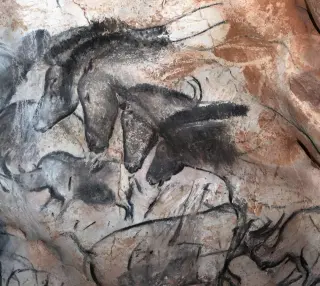
Researchers used ultraviolet spectroscopy to detect a thin, invisible calcite layer covering 37,000-year-old paintings in France’s Chauvet Cave, suggesting natural mineral deposits have acted as a protective varnish for millennia.
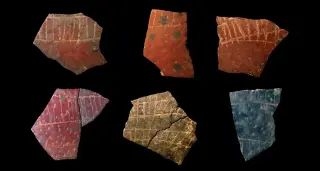
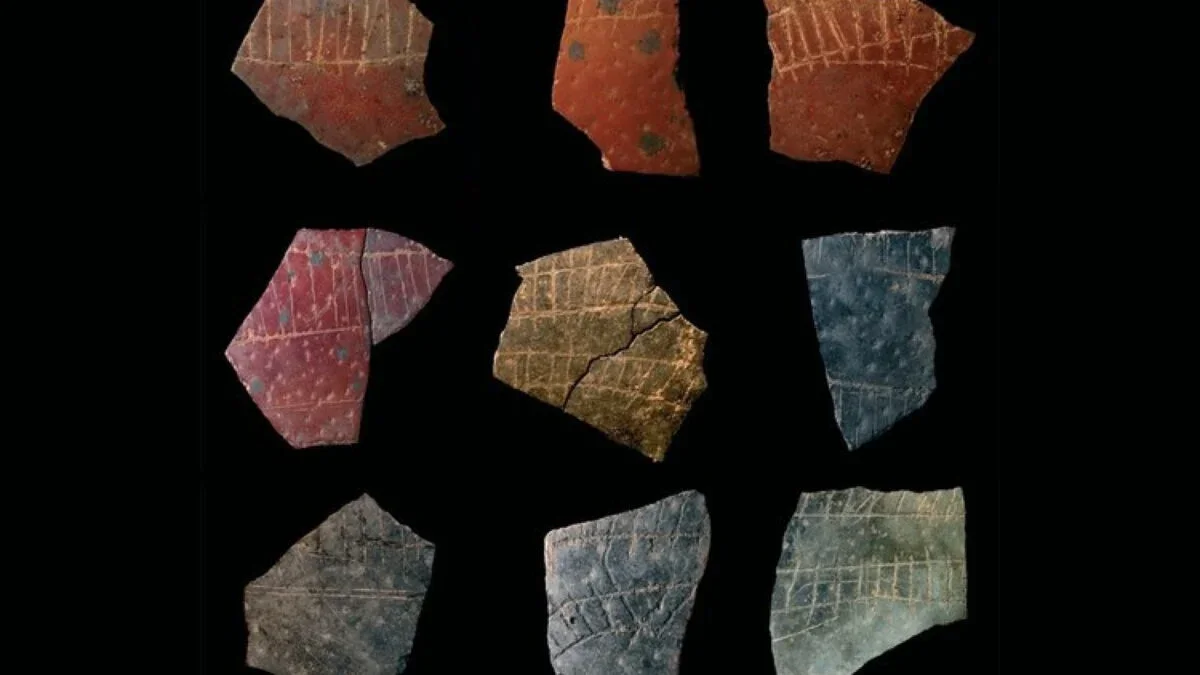
Researchers at the University of Bologna have analyzed 112 ostrich eggshell fragments from southern Africa, dating back over 60,000 years, and found that the engravings followed strict geometric rules rather than being random. Published in PLOS One, the study suggests early Homo sapiens possessed advanced visuo-spatial planning and abstract thinking capabilities.
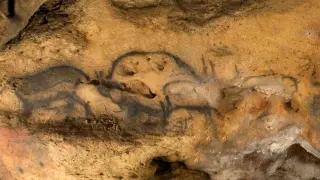
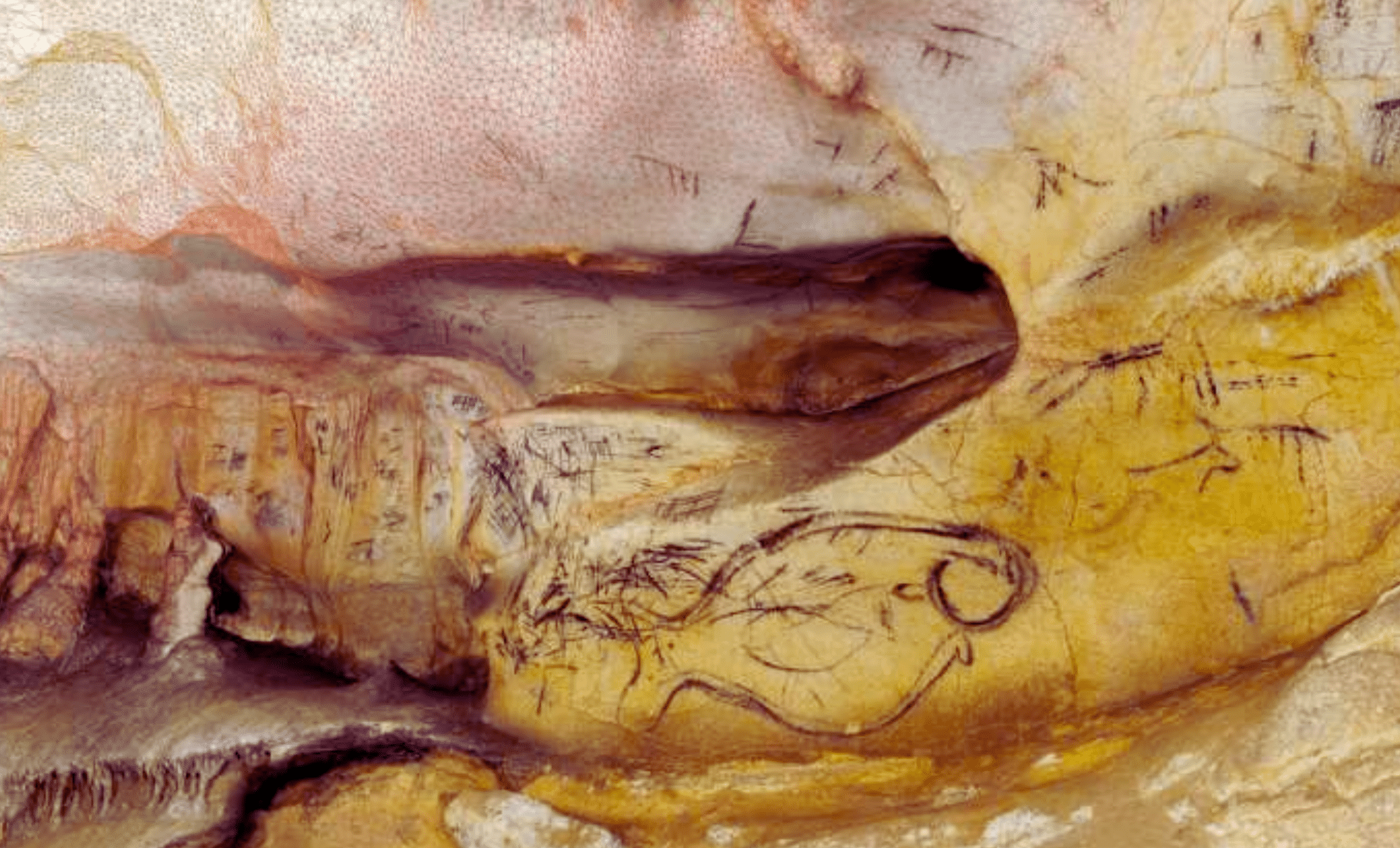
Researchers have successfully dated prehistoric paintings in the Font-de-Gaume cave in southwestern France by detecting hidden charcoal within black mineral pigments. Using non-invasive imaging techniques, scientists confirmed the presence of carbon in a bison and a mask-like figure, allowing for radiocarbon analysis. The bison dates to the Upper Paleolithic, while the mask shows evidence of creation across multiple distinct periods spanning thousands of years. This method offers a new way to date previously undatable cave art in the Dordogne region.
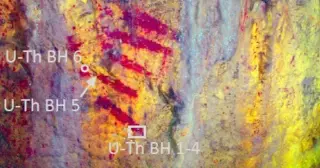
Researchers re-examined Bacon Hole in Wales and confirmed that the red pigmented stripes were intentionally painted by a finger about 17,100 years ago, making them the oldest cave art known in Britain and northwestern Europe and reshaping our understanding of Ice Age symbolism at Welsh sites.
A PLOS One study of 112 ostrich eggshell fragments from three southern African sites dating over 60,000 years finds engravings with coherent geometric organization—parallel lines, grids, rotations and repetitions—suggesting ancient humans may have had abstract geometric thinking, though the meaning of the markings remains uncertain.
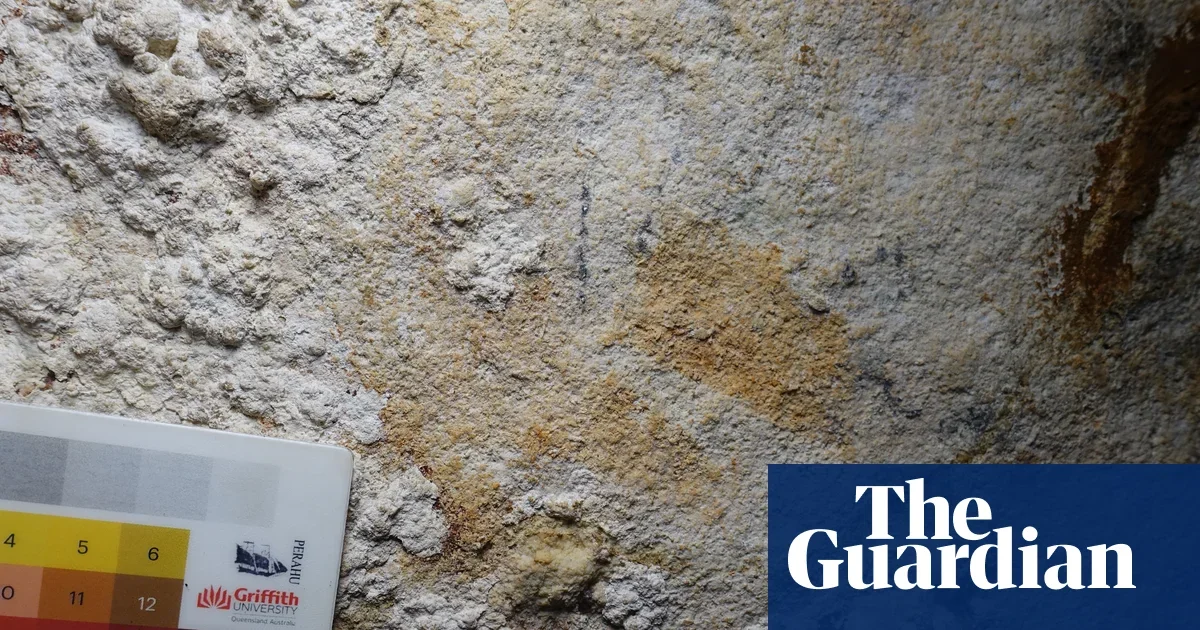
A faded hand outline in Liang Metanduno cave on Sulawesi is dated to at least 67,800 years ago via calcite overgrowth, potentially the oldest known rock art, created by spraying ochre over a hand; the find, along with other Sulawesi paintings dating to 51,200 years, supports early northern dispersal toward Sahul and suggests complex symbolic behavior by Homo sapiens, though attribution to specific hominin groups remains debated.
3D LiDAR technology was used to create highly detailed and accurate 3D maps of La Pileta Cave in Spain, revealing previously unseen prehistoric rock art and features, and enhancing archaeological research through precise modeling of the cave's interior and artifacts.
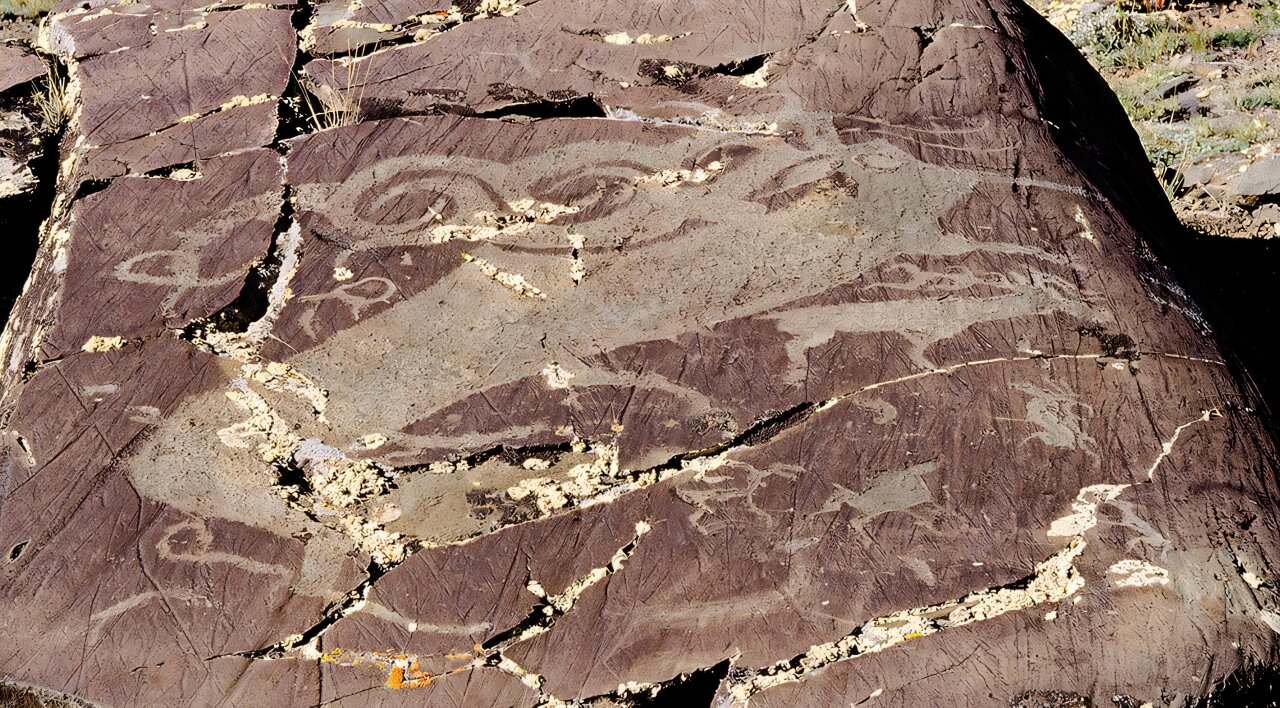
A study by Dr. Esther Jacobson-Tepfer reveals that ancient elk rock art in the Mongolian Altai evolved from realistic depictions to highly stylized, wolf-like images, influenced by environmental changes and shifting socio-political structures over time.
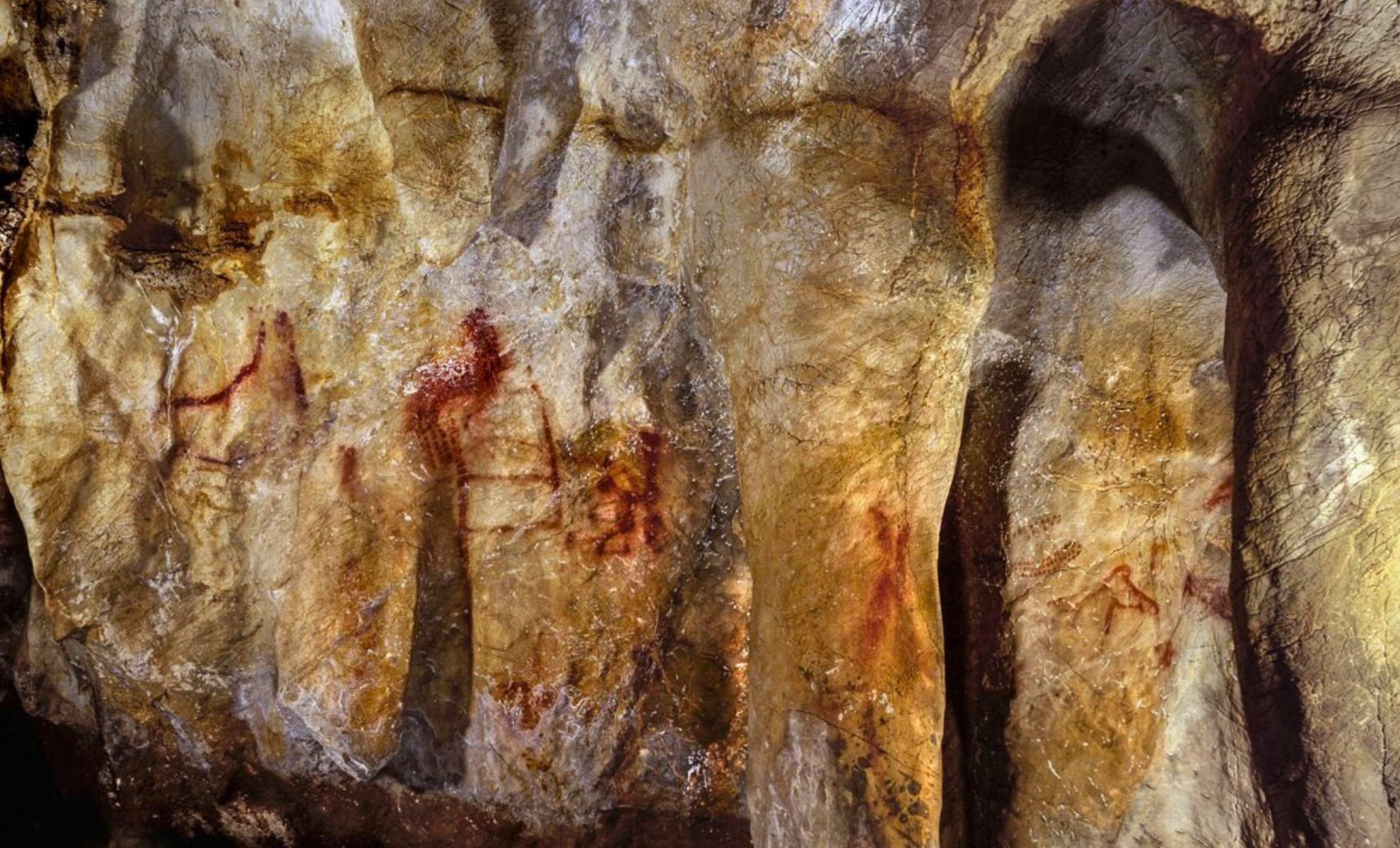
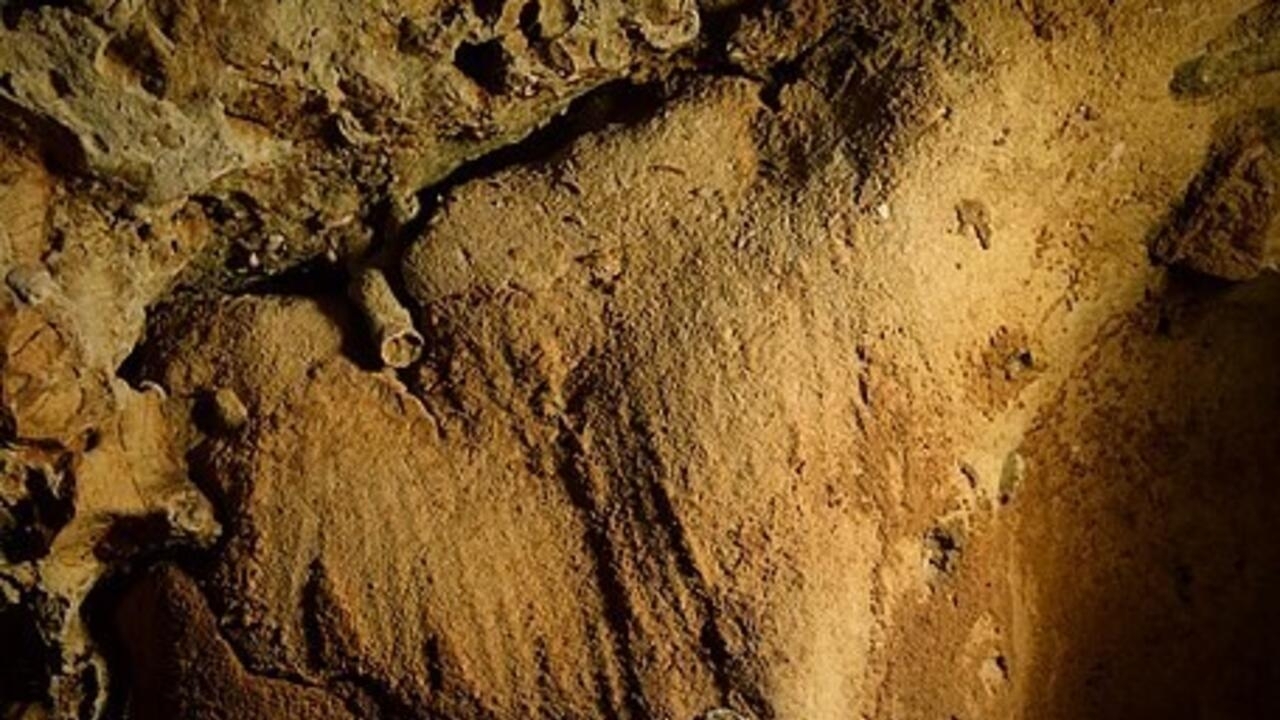
A groundbreaking discovery in Maltravieso Cave, Spain, reveals that Neanderthals, not Homo sapiens, may have been the first artists, with hand stencils dated to at least 66,710 years ago. Using uranium-thorium dating, researchers found these artworks to be far older than previously known examples, suggesting Neanderthals had advanced cognitive abilities. This challenges the perception of Neanderthals as unsophisticated and raises the possibility of cultural transmission to early modern humans, highlighting art as a shared heritage between species.
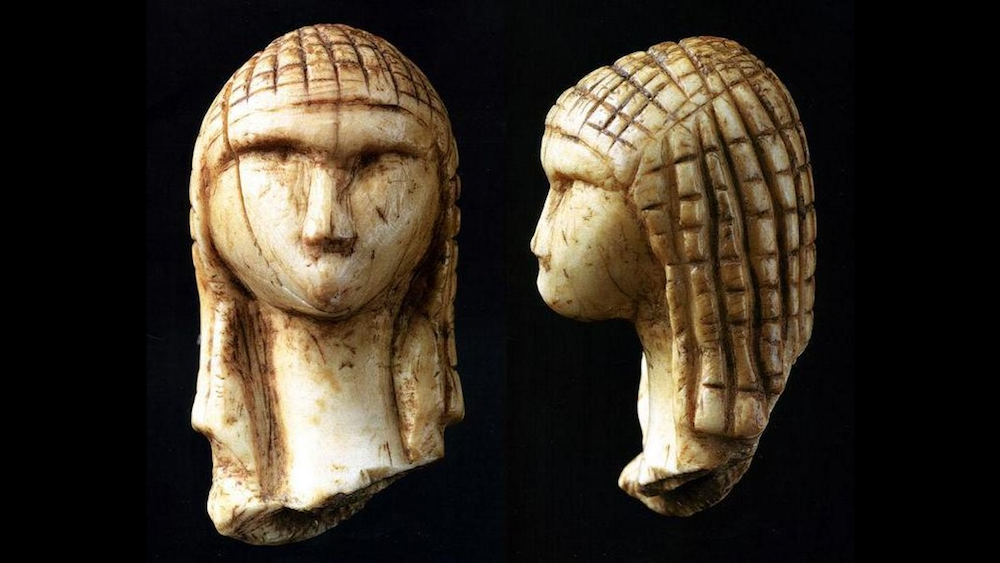
The Venus of Brassempouy, a 23,000-year-old ivory carving of a woman, was discovered in France's Grotte du Pape in 1894. Made from a mammoth tusk, this lifelike figurine is one of the earliest examples of a human face carving and may have symbolized fertility.
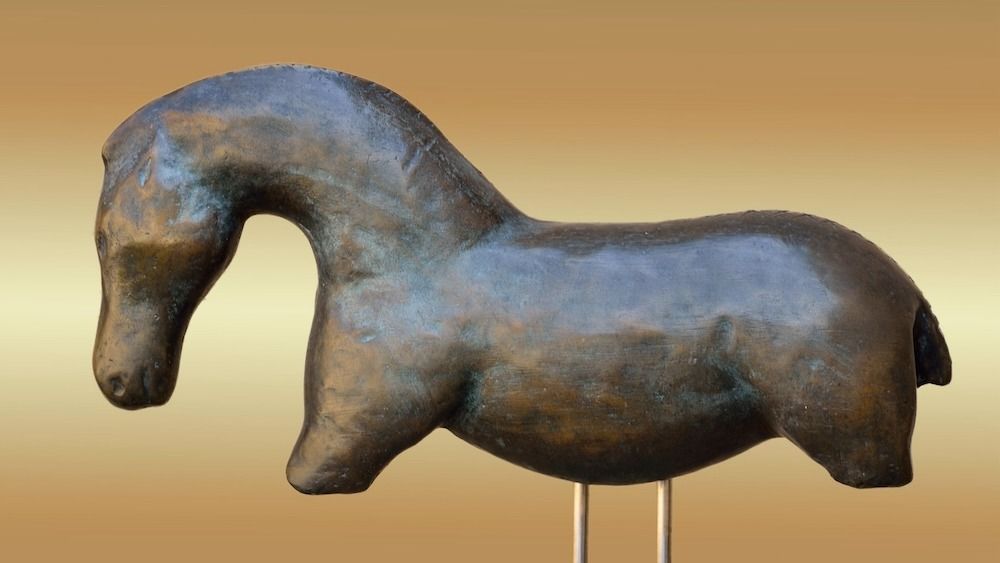
The Vogelherd horse, a 35,000-year-old mammoth ivory figurine found in Vogelherd Cave, Germany, is the oldest known horse sculpture made by Homo sapiens. This artifact, depicting a stallion, provides insights into the Aurignacian people, who coexisted with Neanderthals and were skilled hunter-gatherers and artists.
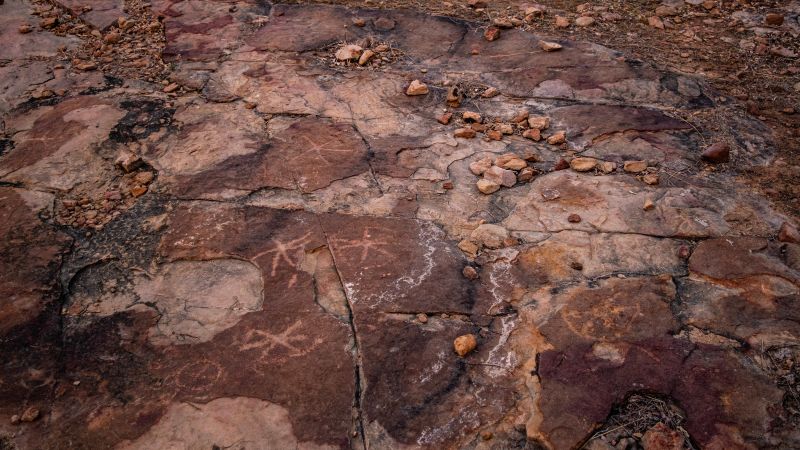
Prehistoric rock carvings, or petroglyphs, have been discovered near dinosaur footprints in Brazil, suggesting that ancient humans found them meaningful or interesting. The unprecedented clarity of the association between the petroglyphs and the footprints at the site called Serrote do Letreiro could have significant implications across paleontology, archaeology, and cultural heritage studies. The drawings, which are varied in style and may have been made during communal gatherings, remain a mystery in terms of their meaning. The direct association of the drawings with dinosaur fossil tracks is unique and may shed more light on the importance, meaning, and significance of rock art.
Recent research has significantly narrowed the behavioral gap between Neanderthals and Homo sapiens, revealing that Neanderthals were capable of creating art, crafting tools, and possibly engaging in symbolic behavior. Advances in ancient DNA analysis have confirmed interbreeding between the two species and suggest that Neanderthals contributed to the human gene pool. The discovery of complex structures, use of pigments, and evidence of a varied diet challenge the stereotype of Neanderthals as simple carnivores. Cognitive and cultural differences, as well as demographic factors, may have influenced the distinct development of Neanderthal and human societies. Despite their extinction, Neanderthals have left a lasting legacy in the genetic makeup of modern humans.
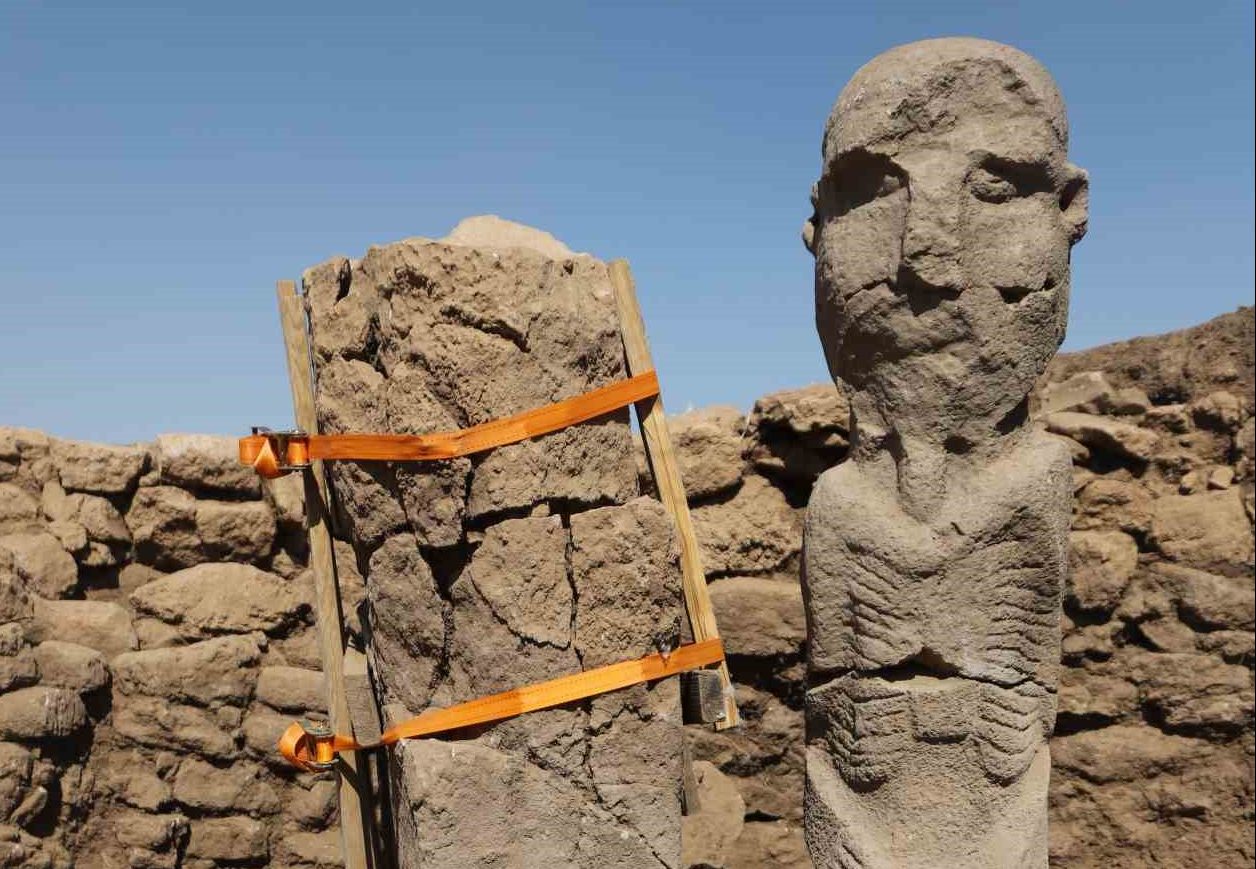
A painted wild boar statue has been discovered in the ancient site of Göbeklitepe, the world's oldest megalithic site. The statue, believed to be around 12,000 years old, is the first painted sculpture found from its period. Additionally, a lifelike human statue with a realistic facial expression was unearthed in Karahantepe, a sister site of Göbeklitepe. The discoveries shed new light on prehistoric art and provide further insights into the ancient civilizations that once thrived in the region.
The oldest known cave engravings in France, dating back at least 57,000 years to the age of Neanderthals, have been discovered in the Loire Valley. The designs are abstract but intentional, making a new and important contribution to our knowledge of Neanderthal behavior. The Roche-Cotard cave was discovered in 1846 but remained largely inaccessible until 1912, with extensive archaeological excavations beginning in 2008. Most of the images were traced by finger and represent non-figurative designs.