Internal emails obtained by KATU show Portland Trail Blazers leaders debated how to respond to the City of Portland’s questions about commitments for private investment in the Moda Center, signaling behind-the-scenes discussions on venue funding without detailing a final agreement.
UEFA warned it could pursue legal action, arbitration, or regulatory complaints over FIFA's plan to spin off a $20bn commercial entity and sell a 20% stake to private investors; Infantino later backed down, saying the proposal will not proceed, amid broad backlash from federations, politicians and fans, with UEFA demanding preservation of documents related to the venture.
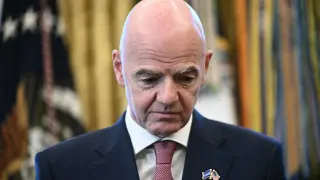
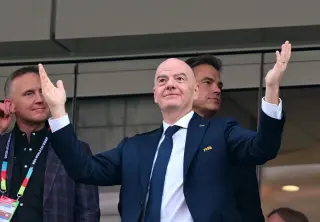
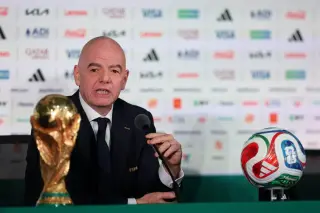
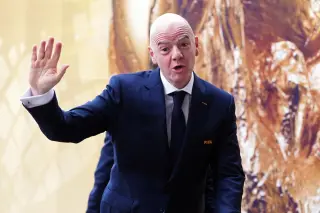
FIFA dropped Gianni Infantino's plan to privatize World Cup operations by selling a 21% stake in FIFA Forward Enterprises after broad opposition from UEFA, AFC and Concacaf and threats of boycotts; internal resignations and accusations that staff were deceived left Infantino politically exposed, raising questions about his leadership ahead of the 2027 election.
UEFA voted unanimously (55 member associations) to boycott FIFA-controlled competitions, including the World Cup, in protest of FIFA's plan to inject private investment via a new entity, a move that could ripple to other confederations and affect upcoming tournaments like the 2027 Women’s World Cup and the 2030 World Cup, while intensifying pressure on FIFA president Gianni Infantino ahead of reelection.
UEFA and 55 European associations unanimously reject FIFA’s plan to privatize ownership of World Cup events, vowing that no UEFA national teams will compete in FIFA events while the proposal stands unless it is fully abandoned and governance guarantees are provided. FIFA plans to form FIFA Forward Enterprises (FFE) to run commercial operations and sell up to 21% stake for about $4.2 billion to be distributed to member associations, with approvals needed by September 19. Concacaf and AFC criticized the process; the next World Cup schedule features the women’s tournament in Brazil next summer and the men’s in 2030 in Spain/Portugal/Morocco.
FIFA president Gianni Infantino reportedly drafted a secret plan to privatise or sell stakes in the World Cup, a unilateral proposal developed behind closed doors that has drawn anger from UEFA and other football authorities and raises questions about governance, funding, and the calendar if it ever goes to a vote.
Executives from Starlab Space, Axiom Space, and Vast argue there is a developing market for commercial space stations, citing billions in private funding and paying missions, sovereign-nation interest, and future in-space manufacturing. They push back against NASA’s claim that demand hasn’t emerged and urge a clear path under the Commercial LEO Destinations program, noting NASA’s CLD budget and the potential for profitable collaboration with two market players as demand signals become clearer.
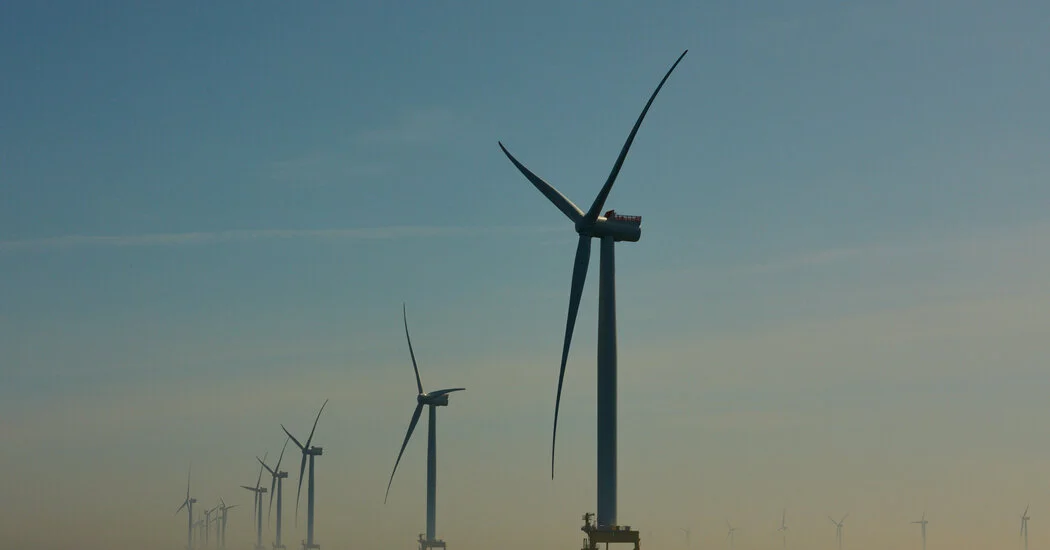
Britain's government awarded guaranteed electricity prices in an offshore wind auction, approving 8.4 GW of capacity that could power about 12 million homes. The average strike price was around £91/MWh (2024 prices), potentially unlocking about £22 billion in private investment and marking a revival of offshore wind with developers including RWE–KKR–Masdar and SSE. The move supports a 2030 target for 95% clean electricity, though some analysts warn the deals may still keep consumer bills high.
Germany has launched a 30 billion euro fund, Deutschlandfonds, to attract around 130 billion euros in private investment for energy, industrial, and tech sectors, using guarantees and loans to de-risk investments and support economic transformation.
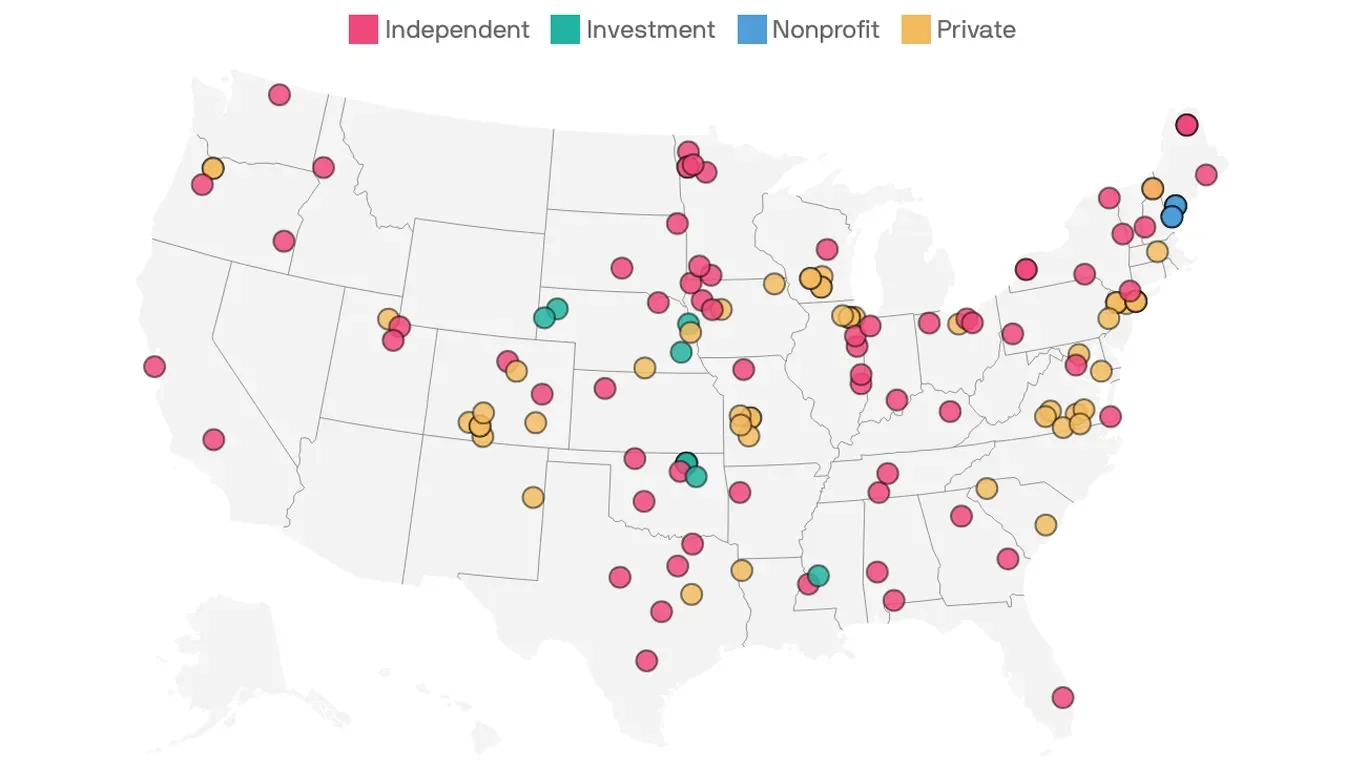
Independent newspapers in the U.S. are rapidly disappearing as private investment firms take over, leading to increased news deserts, especially in rural areas, with most remaining newspapers owned by a few large corporations, reducing local community representation.
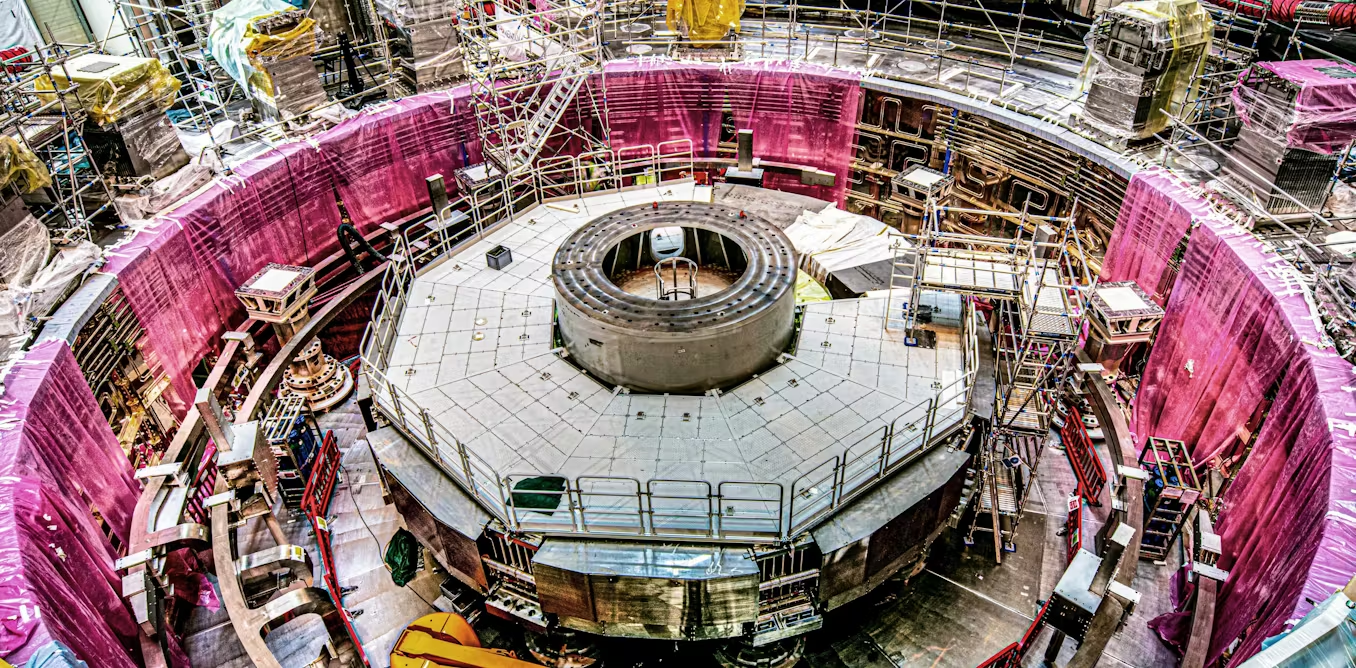
Private sector funding for fusion energy has surged to nearly US$10 billion, driven by technological advances, climate urgency, and major investments from tech billionaires, with several companies aiming to commercialize fusion power by the 2030s, despite the significant technical and construction challenges involved.
The Denver Broncos have chosen Burnham Yard as their preferred site for a new, privately financed stadium and entertainment district, with plans to develop the 100-acre area without public funding, focusing on community benefits and environmental considerations, though negotiations and planning are still ongoing.
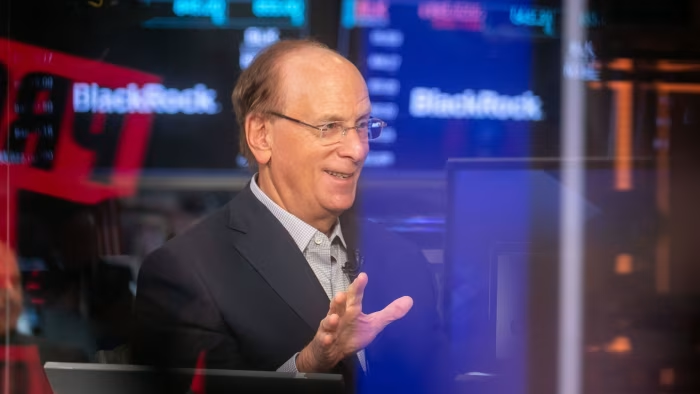
BlackRock experienced its lowest quarterly inflows in over a year due to a major client withdrawal in Asia, but overall assets under management reached a record $12.5 trillion, driven by market rally and currency swings. The firm is shifting focus towards private investments and technology to sustain growth, with significant acquisitions and fundraising efforts.
India's economy grew by 7.4% in Q4, surpassing expectations, but full-year growth is projected at 6.5%, the slowest in four years, due to weak urban consumption and global uncertainties. The government aims to boost growth through infrastructure spending and tax cuts, but challenges like global trade tensions and declining private investment remain. The IMF forecasts further slowdown in the coming years.
The Exploration Company, a European startup, has raised $160 million in a Series B funding round to develop Nyx, a reusable space capsule aimed at providing cargo delivery to the International Space Station, challenging the current U.S. dominance by SpaceX and Northrop Grumman. Founded by aerospace engineers Hélène Huby, Sebastien Reichstat, and Pierre Vine, the company plans to launch Nyx by 2028. The funding round was led by Balderton Capital and Plural, with participation from Bessemer Venture Partners and others, bringing total funding to over $208 million. The company has secured a €25 million contract with the European Space Agency and has a significant commercial contract backlog with private space station developers.