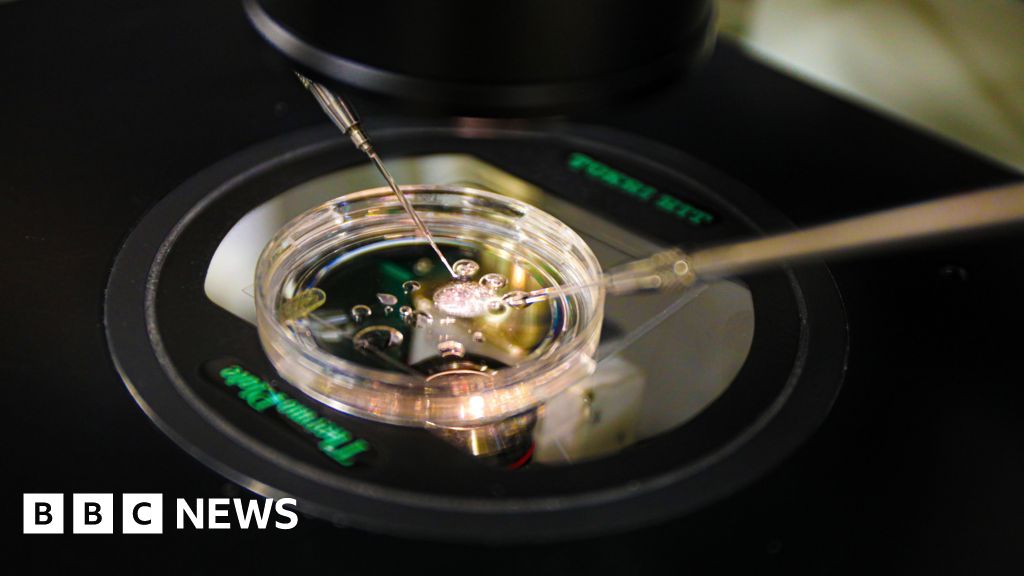
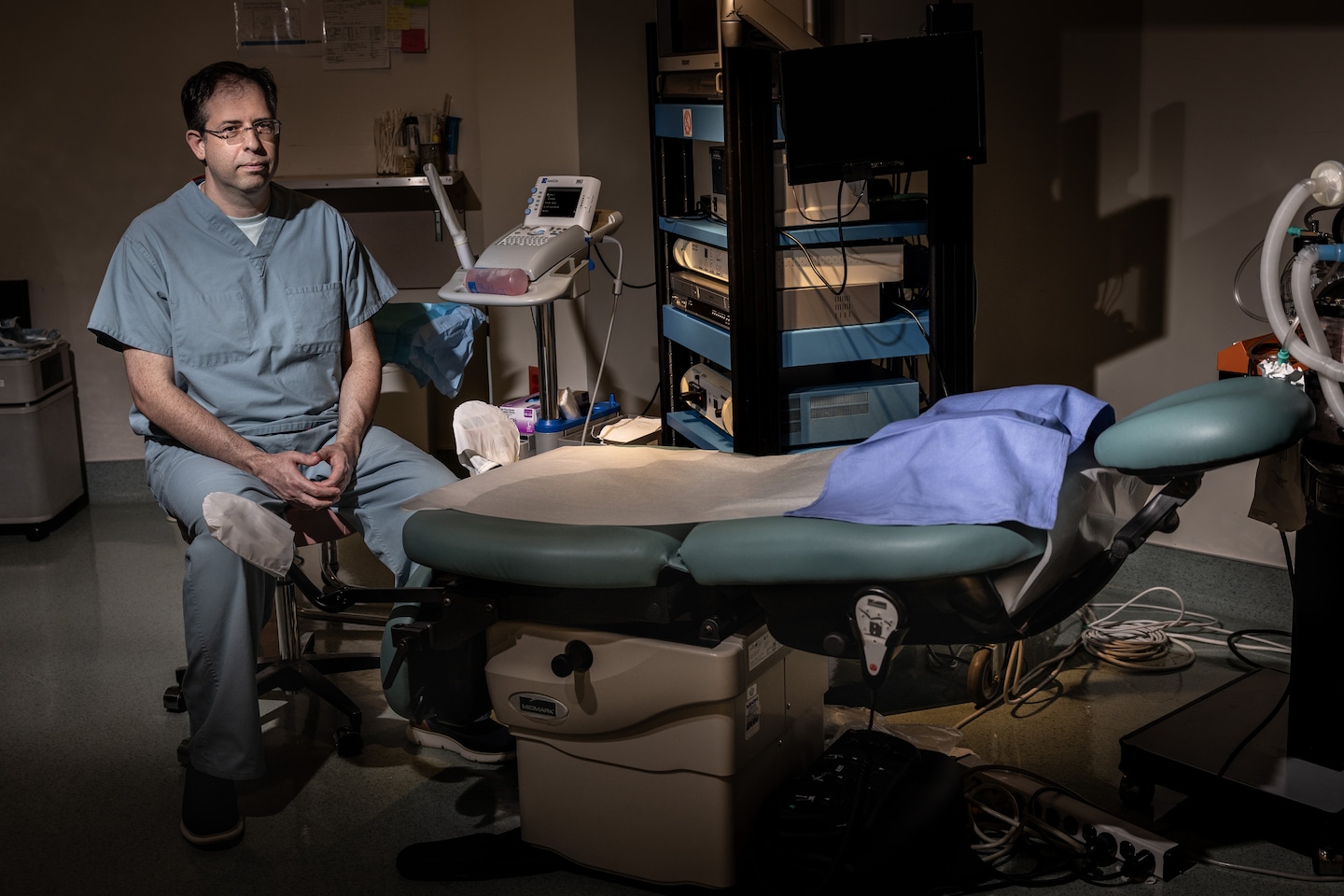
Cathy Tie, founder of Origin Genomics, argues that editing human embryos to prevent hereditary diseases is a moral imperative, despite current U.S. bans and safety concerns. While critics warn of eugenics and off-target risks, proponents cite new precise editing tools and patient demand for alternatives to IVF screening.
Researchers have successfully created human eggs from skin cells, a breakthrough that could revolutionize fertility treatments for women of advanced age, those who have undergone chemotherapy, and potentially for same-sex male couples, although the process is still in early stages and faces significant challenges before clinical application.
Scientists have successfully created early-stage human embryos using DNA from human skin cells, a breakthrough that could revolutionize fertility treatments and enable same-sex couples to have genetically related children, though the technique requires further refinement before clinical application.
British scientists have successfully used a technique called mitochondrial donation to create 'three-parent' babies, helping families avoid inherited mitochondrial diseases, marking a significant milestone in genetic technology, though ethical and safety concerns remain.
Scientists have successfully created healthy, fertile mice with two fathers, advancing reproductive technology and genetic engineering, although creating animals with two fathers has been more challenging than with two mothers.
Noor Siddiqui, founder of reproductive startup Orchid, defends her company's practice of allowing parents to select embryos based on genetic traits, insisting it's not eugenics despite the literal meaning of the term. In a contentious interview with Wired, she faced scrutiny over the implications of genetic selection, particularly in relation to her own family history. Orchid offers whole-genome sequencing of embryos for a steep price, sparking ethical debates about the implications of such technology as a consumer service.
Noor Siddiqui, the 29-year-old founder of fertility startup Orchid, offers prospective parents the choice to have a regular baby or an Orchid baby, which undergoes genetic enhancement to reduce the risk of developing diseases and conditions. The company screens embryos for over 1,200 genetic diseases and conditions, aiming to provide parents with more information and reduce the risk of future suffering. Despite concerns and discomfort from some, Orchid has gained traction in the fertility industry and is being used by thousands of customers, including figures in the tech industry.
A new study from the Oregon Health & Science University suggests that it may be possible for gay male couples to have biological children using DNA from both partners. The research involves converting skin cells into egg cells through a process known as in vitro gametogenesis (IVG). While the practical application is at least a decade away, the technique could potentially help infertile couples and women unable to produce eggs. The study aims to produce eggs for patients who don't have their own eggs, and researchers are working to refine the process to avoid genetic abnormalities in resulting embryos.
The Alabama Supreme Court's ruling that frozen embryos are legally children has sparked new scrutiny of in vitro fertilization (IVF) and the ethical questions surrounding it, particularly in the absence of regulations on screening embryos for sex and other traits. The lack of regulation has led to controversial practices such as selecting embryos based on sex, eye color, and even non-disease traits. The ruling has reignited debates over the personhood of embryos and the ethical implications of genetic testing in reproductive technology, as the industry continues to evolve and expand with hefty investments.
The University of Alabama at Birmingham has paused in vitro fertilization (IVF) treatments following a ruling by the Alabama supreme court that frozen embryos are considered "children". The decision has raised concerns about the implications for assisted reproductive technology treatments, with patients and physicians potentially facing legal consequences. The ruling stemmed from two wrongful death suits against a Mobile fertility clinic, allowing the suits to proceed and asserting that fertilized eggs and embryos are protected under the state's existing law. Patients seeking IVF in Alabama are now uncertain about the fate of their frozen embryos and are seeking guidance amidst the legal uncertainty.
Infertile individuals, as well as gay and transgender couples, are hopeful for advancements in in vitro gametogenesis (IVG), a technology that aims to create eggs and sperm from any cell in the human body. While IVG has not been tested in humans yet, it offers the potential for individuals to have genetically related children, providing a new option for those struggling with infertility or desiring a genetic connection. However, concerns about the ethical implications of IVG, such as the creation of "designer babies" and discrimination against disabled individuals, have also been raised. Despite these concerns, many individuals hope that IVG will become a reality and provide a solution for their desire to have children genetically related to them.
Reproductive technology startup Orchid has launched a new genetic test that allows couples undergoing in vitro fertilization (IVF) to identify genetic risks in embryos before pregnancy begins. The test, which sequences over 99% of an embryo's genome, can detect birth defects, neurodevelopmental disorders, chromosomal abnormalities, and pediatric and adult-onset cancers. Orchid's test costs an additional $2,500 per embryo sequenced and is currently available at IVF clinics in major cities. The company aims to make the test more accessible and affordable in the future. The test provides couples with more control and confidence in the IVF process, potentially redefining reproduction.
The process of egg freezing can be emotionally challenging for women, as it is often driven by relationship issues and the desire for a traditional partnership. The increasing popularity of egg freezing is attributed to changing gender ratios in higher education and shifting attitudes toward fatherhood. The procedure involves injecting hormones, monitoring follicle growth, and undergoing a short surgery for egg retrieval. However, there is no guarantee of a future baby, and the quality of frozen eggs cannot be determined at the time of freezing. Despite the uncertainties, many women feel empowered and grateful for the option to freeze their eggs, providing them with psychological optimism and more time to make decisions about their fertility.
The AI app "Remini" is gaining popularity by allowing users to create realistic images of themselves in various life stages, including holding a child that resembles them and their partner. This feature has sparked a newfound desire for parenthood in many millennials. However, concerns have been raised about the potential commodification of children and the impact on reproductive technology. Scholars warn that computer-generated children can conflict with religious teachings and lead to a consumerist approach to reproduction. The largely unregulated fertility industry already faces ethical questions, and the advancement of AI technology could further blur the lines. It is crucial to maintain ethical standards and prioritize the sanctity of life when embracing new AI innovations.
The Supreme Court's decision in Dobbs v. Jackson Women's Health Organization, which stripped away the federal right to an abortion, has raised concerns among in vitro fertilization (IVF) patients about the fate of their frozen embryos. The ambiguity in the wording of restrictive abortion measures has left patients worried about potential restrictions on their rights over embryos. The options for unused embryos include destruction, donation to someone else, or donation for scientific research. However, the lack of federal funding for embryonic research and the patchwork of laws since the Dobbs decision have made the process more difficult. Patients are also emotionally conflicted about making a decision on embryo disposition, as it involves complex emotions and grief.