SpaceX executive Michael Nicolls urged global satellite operators to share trajectory data at the International Astronautical Congress, citing 164,000 potential collisions in six months. The company argues that undisclosed maneuvers by rivals, particularly from China, create unacceptable risks in low-Earth orbit, where Starlink now accounts for two-thirds of active satellites.
NASA researchers detail a traffic-management approach for Gateway in its near-rectilinear halo orbit, proposing a 'string of pearls' strategy that keeps loitering spacecraft safely phased with Gateway. The study compares independent reference trajectories with a relative-motion method, testing 60-, 30-, and 10-minute phase offsets; 60 minutes keeps large separations but costs more propellant, 30 minutes offers a balance, and 10 minutes can lead to dangerous close approaches in the simulations. The plan is a theoretical starting point for operational rules and must be refined with vehicle-specific models and contingencies, given the realities of three-body gravity and docking margins.
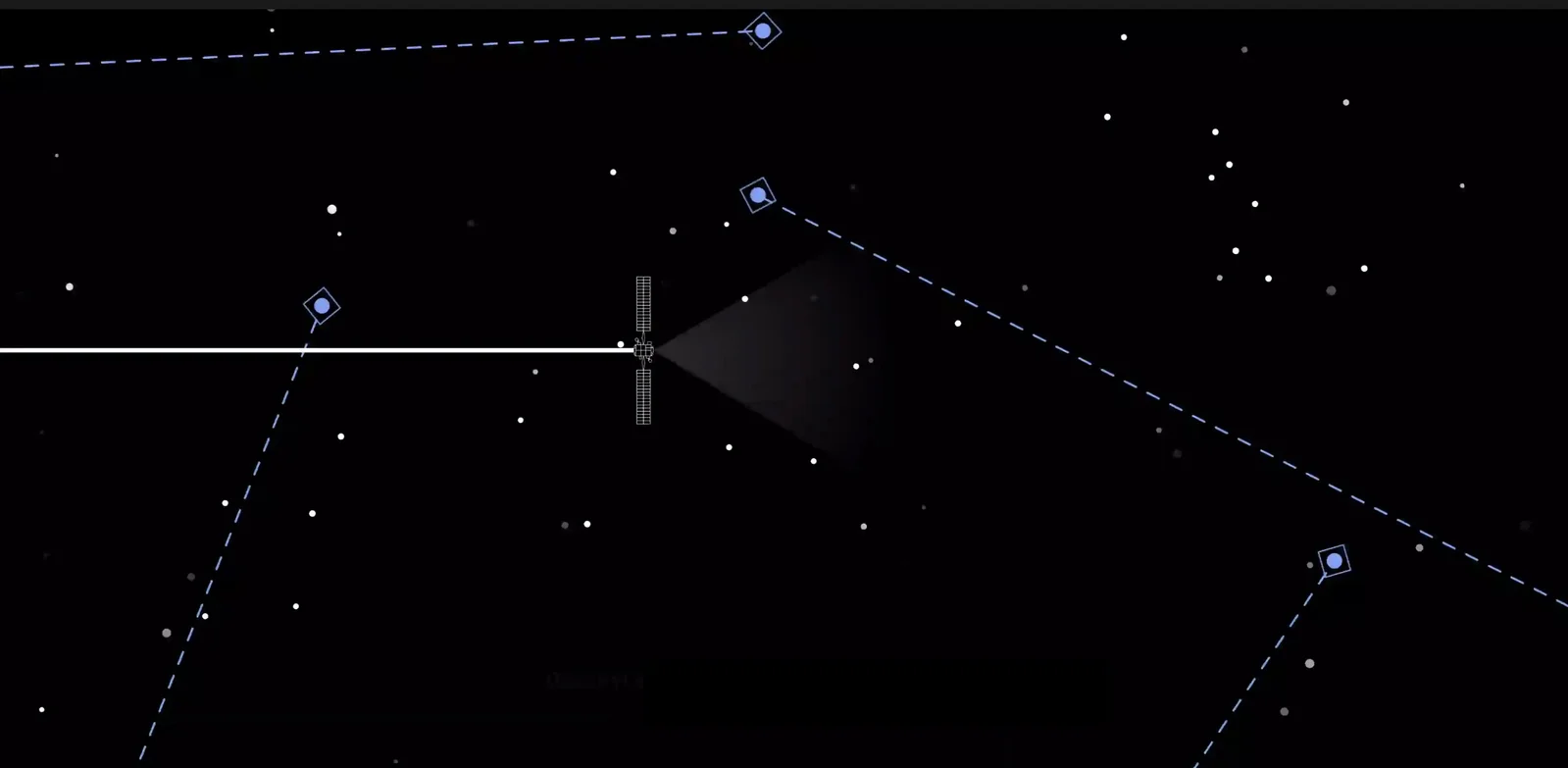
SpaceX unveiled Stargaze, a space traffic management tool using star-tracker data from nearly 10,000 Starlink satellites to observe objects, compute orbits, and issue near‑real‑time conjunction data messages. More than a dozen operators are beta testing, with plans to open the service to all satellite operators for free in the spring. The system hinges on operators sharing ephemeris and maneuver data to improve deconfliction, a point of cautious optimism among industry players, who note concerns about data quality, the government-backed TraCSS effort, and how free SSA services could impact paid providers.
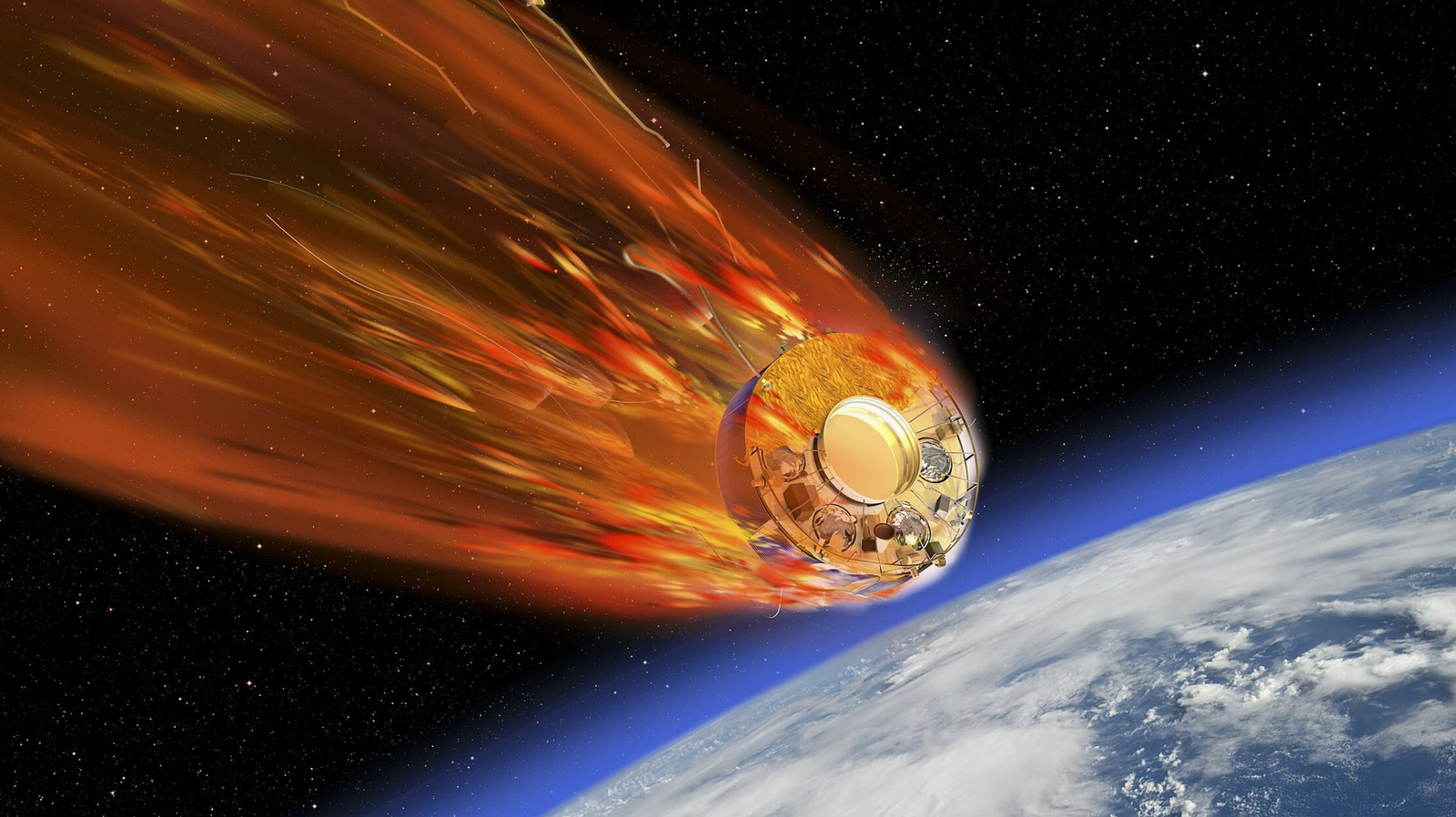
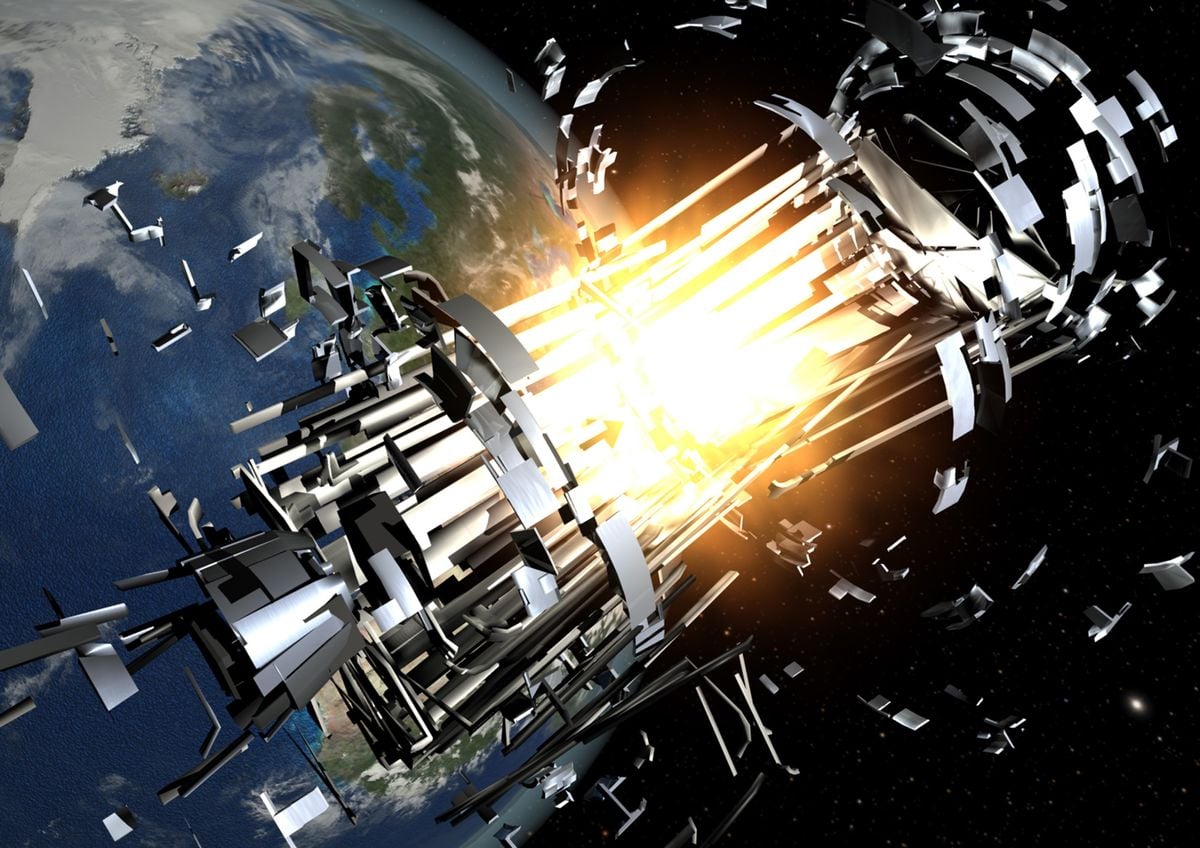
The article discusses the increasing risk of space debris hitting airplanes, highlighting the challenges in predicting re-entry of space junk, recent incidents like China's Long March 5B re-entry, and efforts to improve safety through better prediction models, international coordination, and standards, while reassuring that the probability of a collision remains very low.
The article discusses the increasing frequency of space debris re-entering Earth's atmosphere, the lack of effective international regulation and coordination for space traffic, and the growing risks posed by congested orbits, especially with the rise of commercial satellite constellations like SpaceX's Starlink, highlighting the urgent need for updated treaties and management frameworks.
ESA's CREAM system automates collision risk assessment and facilitates collaboration among space stakeholders to enhance satellite safety and support future space traffic management as Earth's orbit becomes increasingly congested.
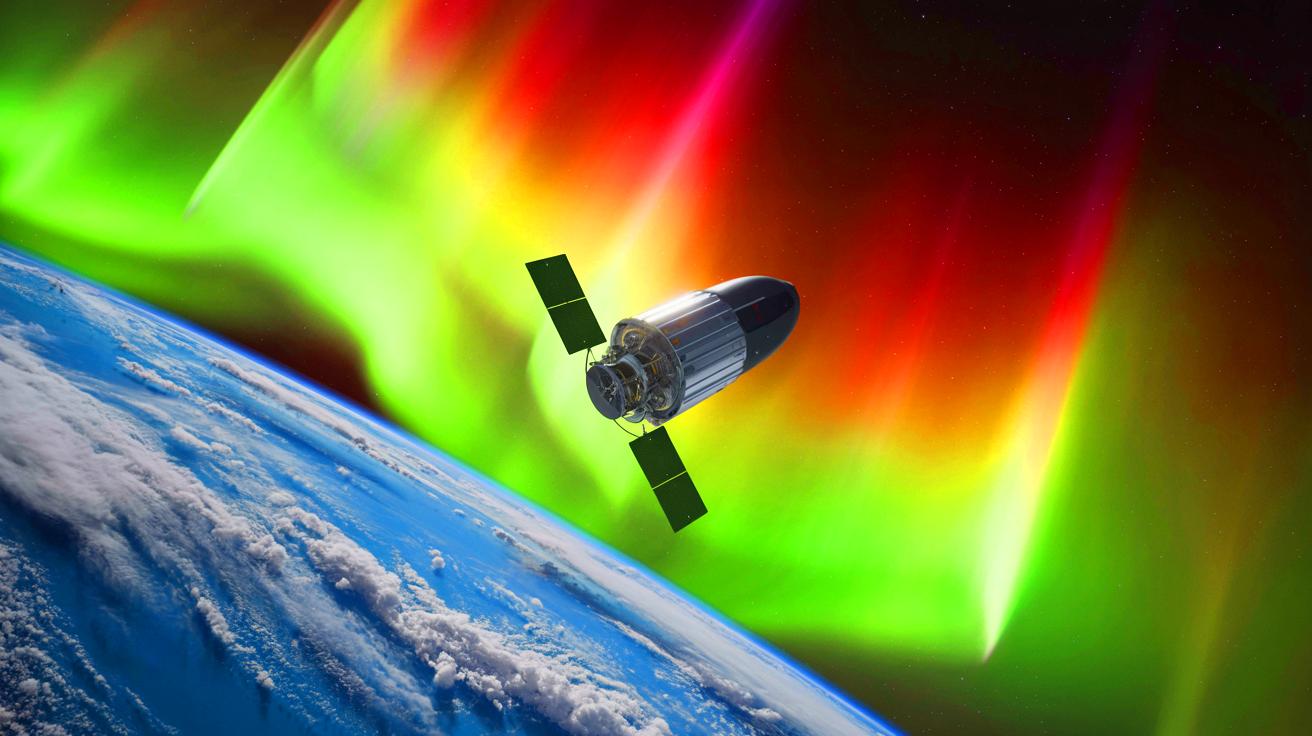
Solar storms caused by increased solar activity are shortening the lifespan of SpaceX's Starlink satellites by 10-12 days due to atmospheric drag, raising risks of satellite collisions, debris, and challenges in managing Earth's crowded orbit, necessitating improved space traffic strategies.
Portuguese startup Neuraspace has launched a free version of its space traffic management platform, providing real-time satellite position data and conjunction alerts to operators in an effort to promote collaboration and transparency in crowded orbits. The platform, called SYNC, offers a chat room for operators to discuss collision risk and is already being used by operators responsible for over 250 satellites. Neuraspace also offers a premium version with collision avoidance maneuver suggestions and more powerful analysis tools, aiming to streamline workflows and minimize disruption risks for operators while seeking customers in satellite manufacturing and insurance markets.
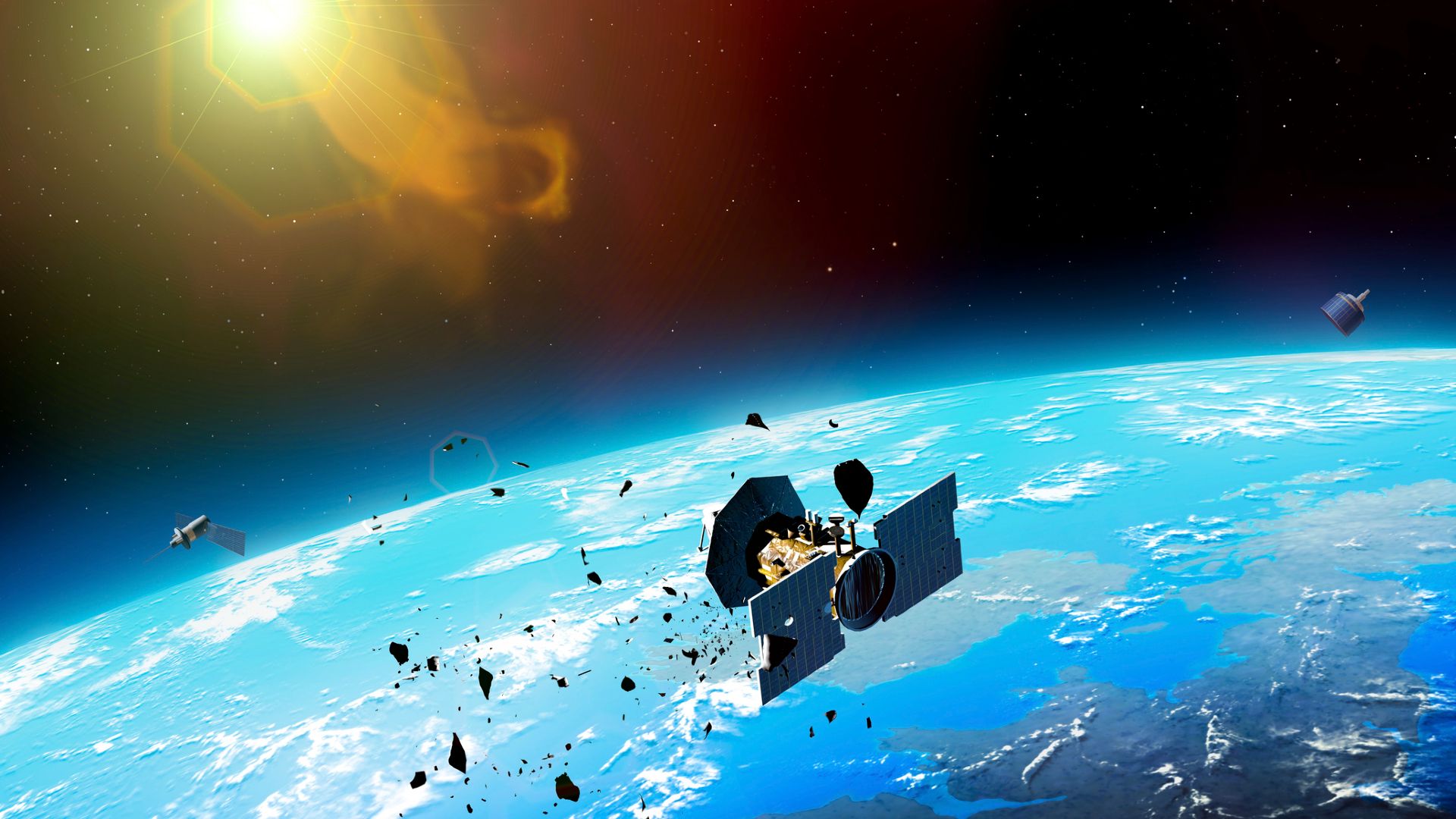
Researchers have found that attempting to avoid satellite collisions in orbit actually increases the risk of future collisions due to the limitations of current space traffic management methods. After each avoidance maneuver, operators and space traffic observers have only a rough idea of the satellite's actual location, leading to inaccurate collision predictions for several days. With the increasing number of satellites in space, such uncertainties pose a significant concern. For example, SpaceX's Starlink internet megaconstellation had to perform 25,000 collision avoidance maneuvers in a six-month period, and this number is expected to double as the constellation grows. Inaccurate data after each maneuver could lead to devastating crashes, as demonstrated by the 2009 collision between the U.S. satellite Iridium 33 and Russia's Kosmos-2251. To address this issue, commercial companies are developing platforms that incorporate data about maneuvers to improve accuracy and timeliness of collision predictions.