
Tag

Sun Exposure

All articles tagged with #sun exposure

The Agony of Hell’s Itch: A Rare, Debilitating Reaction to Sun Exposure
health1 hour ago

The Agony of Hell’s Itch: A Rare, Debilitating Reaction to Sun Exposure

Hell’s Itch is a rare, severe dermatological reaction to sun exposure characterized by intense, stabbing pain and uncontrollable itching that typically appears one to three days after sunburn. While not a clinical term, the condition causes excruciating pain often described as feeling like fire ants biting beneath the skin, with symptoms triggered by water or topical creams. A 2023 survey found that 44% of self-reported cases experienced suicidal thoughts due to the pain. Although the exact cause remains unclear, leading theories suggest abnormal nerve signaling and neurogenic inflammation. Remedies are highly variable; while some find relief in hot showers or beta-alanine, others are aggravated by common sunburn treatments like aloe vera. Prevention via broad-spectrum sunscreen and protective clothing is the most effective strategy, as the condition can last for days and significantly impacts mental health.

Sunlight Myths and Supplement Risks: Correcting Vitamin D Habits in India and the UK
health26 days ago

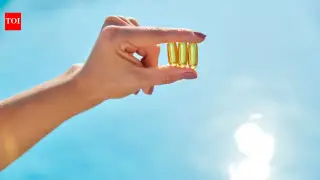
Sunlight Myths and Supplement Risks: Correcting Vitamin D Habits in India and the UK

A new Times of India report highlights that the common belief that 10-15 minutes of daily sun exposure guarantees adequate vitamin D is flawed, as production depends on UVB intensity, skin tone, and clothing. While British Vogue notes that one in six Britons have suboptimal levels due to low autumn UVB, both sources emphasize that self-prescribing high-dose supplements without testing is dangerous. Experts advise that the goal is adequate levels, not maximum saturation, and recommend medical guidance over guesswork.

Dr. Roach Advises Elderly Gardener to Monitor Heat-Related Neurological Symptoms
health1 month ago

Dr. Roach Advises Elderly Gardener to Monitor Heat-Related Neurological Symptoms

An 82-year-old man with osteoporosis and a pacemaker experienced temporary aphasia after spending five hours gardening in extreme heat. Dr. Mehmet Oz, writing as Dr. Roach, noted that while the quick recovery suggests the body temperature did not reach critical heatstroke levels, the incident warrants medical evaluation to rule out kidney or muscle damage. The doctor emphasized that drinking only water can lead to hyponatremia, recommending electrolyte replacement and preventive measures like gardening during cooler morning hours.

Why Summer Sun Fails to Fix Vitamin D Deficiency for Most People
health2 months ago

Why Summer Sun Fails to Fix Vitamin D Deficiency for Most People

Despite being called the 'sunshine vitamin,' approximately 60% of the global population suffers from vitamin D deficiency, even during summer months. Experts attribute this to factors beyond simple sun exposure, including dietary insufficiency, the timing of outdoor activity, skin pigmentation, aging, and environmental pollution. While sunlight triggers production, the body requires specific metabolic steps involving magnesium and liver function to activate the nutrient. Medical professionals recommend supplementation, typically 1,000 to 2,000 IU of Vitamin D3 daily, to maintain optimal levels, as diet alone rarely provides sufficient amounts.

Sunlight in small, steady bursts: a healthier balance for the body
health2 months ago

Sunlight in small, steady bursts: a healthier balance for the body

Moderate, regular sun exposure supports vitamin D production, mood, sleep, and cognitive health, but overexposure raises skin cancer risk. The piece advocates a “middle of the day, little and often” approach: short daily sun bursts, tailored to skin type (lighter skin needs less time; darker skin may require more), with protection during peak UV hours. In winter or high-latitude areas, UVB can be limited, sometimes necessitating supplements or fortified foods. Climate change increases sun risk, so guidance should be personalized and paired with sun-safe habits.

Sunny Season Falls Short: Vitamin D Deficiency Persists Even in Summer, Study Finds
health3 months ago

Sunny Season Falls Short: Vitamin D Deficiency Persists Even in Summer, Study Finds

Newcastle University researchers analyzed 299 people and found vitamin D insufficiency remains common even in summer, especially among adults 65+ and individuals with darker skin. Factors include older skin less able to produce vitamin D, higher melanin blocking UVB, and northern latitude limits on summer sun. The findings suggest sun exposure alone may not boost vitamin D for high-risk groups and year-round supplementation is important, though guidelines vary and the study has caveats (all participants started with low levels and supplement users were excluded; funded by BetterYou).

Reddit user warns Melanotan II users: it darkens skin slowly, offers no sun protection, and carries serious health risks
health3 months ago

Reddit user warns Melanotan II users: it darkens skin slowly, offers no sun protection, and carries serious health risks

A Reddit user who says he has injected Melanotan II for about 17 years warns that the peptide is not an instant UV shield and should not be exposed to sun too soon after starting. He describes a two-week loading period to see any darkening, reiterating that Melanotan II stimulates melanin but does not protect skin from UV damage. The drug remains untested and illegal to sell in many countries, with potential side effects including nausea, drowsiness, vomiting, loss of appetite, and, in severe cases, skin cancer or kidney issues. Experts caution that unregulated formulations can be dangerous, and highlight the health risks associated with long-term, unsupervised use.

Mole Check 101: ABCDE Signs That Could Signal Skin Cancer
health3 months ago

Mole Check 101: ABCDE Signs That Could Signal Skin Cancer

Heat waves raise sunburn and skin cancer risk, so doctors advise using the ABCDE checklist to spot melanoma early: A for asymmetry, B for irregular borders, C for color variation, D for diameter over 6mm, and E for evolution (changes over time). If a mole looks suspicious or changes, consult a clinician promptly since early diagnosis improves outcomes. Those at higher risk—pale-skinned individuals, tanning bed users, or those with a family history—should be especially vigilant, and self-referral options may be available for cancer care.

Sunlight, Not Fear: A New Case for More Sun Exposure
health4 months ago

Sunlight, Not Fear: A New Case for More Sun Exposure

Health writer Rowan Jacobsen argues in his new book that regular, safe sun exposure can promote longevity and mood, challenging the era of sun-avoidance and SPF-only skin protection. He points to studies suggesting sunscreen use hasn’t reduced skin cancer risk and notes concerns about certain chemicals in sun products, while vitamin D supplements offer little benefit for those with adequate sun exposure. The recommended approach is modest daily sun with sunscreen only when needed (no higher than SPF 30), avoiding burns, and seeking sun to support blood pressure and immune function; more sun is advised for darker skin and in darker seasons.

Sunshine Isn’t Enough: Vitamin D Deficiency Persists Year-Round for Some Groups
health4 months ago

Sunshine Isn’t Enough: Vitamin D Deficiency Persists Year-Round for Some Groups

Newcastle University researchers find that vitamin D levels remain low year-round in adults 65+ and people from minoritized ethnic backgrounds in northern Britain, even during sunny months. The study, involving about 300 participants, shows summer sun does not reliably raise vitamin D for these groups, highlighting a potential public-health blind spot and the need for year-round strategies—such as routine clinician discussions and targeted supplementation—to prevent long-term deficiency.

Experts Warn Many Are Lacking Essential Vitamin
health1 year ago

Experts Warn Many Are Lacking Essential Vitamin

Vitamin D deficiency is common and can cause symptoms like fatigue, bone pain, and muscle weakness. It plays a crucial role in bone health, immune function, heart health, and mood regulation. The best sources are sunlight, fatty fish, and fortified foods, but supplements may be necessary, especially for those with limited sun exposure. Consulting a healthcare professional is recommended to determine appropriate intake.