Tag

Symbiosis

All articles tagged with #symbiosis

Remoras: From Helpful Hitchhikers to Potential Parasites
science14 days ago

Remoras: From Helpful Hitchhikers to Potential Parasites

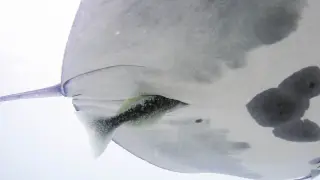
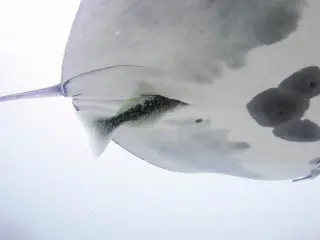
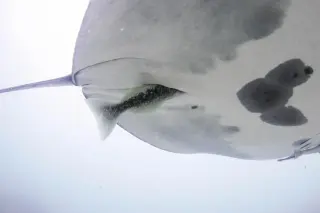
Remoras, long seen as mutualistic hitchhikers that clean and shield their hosts, may be more parasitic than previously thought. New research notes reduced grazing by hosts with remoras present and rare cases of remoras entering manta rays’ cloacae, a behavior dubbed “cloacal diving” that challenges the traditional view of a beneficial relationship and highlights the parasite-like potential of these clingy fish.

Remoras Dive Deep: New Findings Reframe Hitchhiking With Manta Rays
science14 days ago

Remoras Dive Deep: New Findings Reframe Hitchhiking With Manta Rays

A new study documents remoras diving into manta ray cloacas and attaching beneath gill slits across manta species, suggesting these hitchhikers may be more invasive than previously thought. While remoras can help by cleaning parasites, their aggressive attachment can increase drag and cause injuries, pushing the relationship along a spectrum from mutualism to parasitism and raising concerns for manta rays already facing threats from fishing, habitat loss, and climate change. Researchers emphasize the interaction is nuanced and context-dependent, potentially beneficial in some cases and costly in others.

Color-changing surgeonfish signals for a clean at the Great Barrier Reef
science1 month ago

Color-changing surgeonfish signals for a clean at the Great Barrier Reef

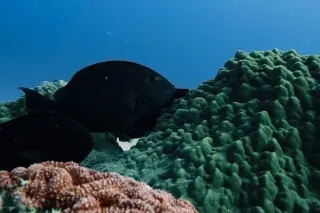
Diver Jamie Wilson filming the Great Barrier Reef captured hundreds of pale surgeonfish visiting a cleaning station, and one fish abruptly darkened from white to black. Scientists say such color changes may signal to cleaner wrasse that the fish is ready for a cleaning and not a threat, aiding parasite removal and communication in reef ecosystems.

The living trap: how ants and fungus rig a plant to catch prey
science4 months ago

The living trap: how ants and fungus rig a plant to catch prey

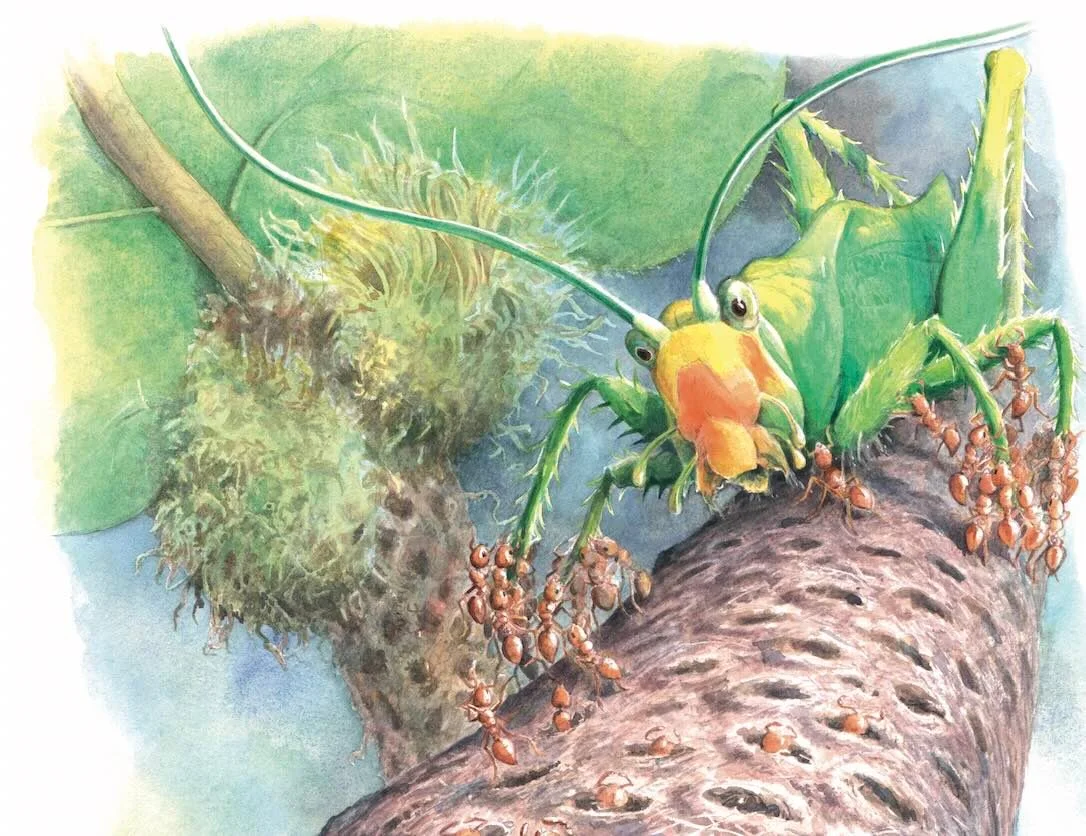
Researchers describe a three-way symbiosis in the Amazon between the shrub Hirtella physophora, the ant Allomerus decemarticulatus, and a cultivated fungus. The ants fashion a trap by cutting plant hairs and using fungal adhesive to build a stem platform with pores, where they ambush prey much larger than themselves; crickets are overcome and consumed. The plant gains defense and sugar rewards; the ants get prey, and the fungus feeds on waste, making a rare win-win-win interaction.

Sea Spiders Thrive in Darkness, Feed on Ocean Floor Methane
science9 months ago

Sea Spiders Thrive in Darkness, Feed on Ocean Floor Methane

Scientists have discovered that sea spiders in deep California methane seeps thrive by cultivating and grazing on methane-consuming bacteria on their bodies, revealing a unique survival strategy and potential role in reducing methane emissions, with implications for understanding deep-sea microbial ecosystems and climate change mitigation.

Newly Found Symbionts Reveal Unexpected Metabolic Abilities
science1 year ago

Newly Found Symbionts Reveal Unexpected Metabolic Abilities

Scientists at the Max Planck Institute for Marine Microbiology have discovered new mitochondria-like symbionts that live inside ciliates and perform unique metabolic functions, including nitrate respiration. These symbionts, found globally in various environments, have expanded to include new species capable of both anaerobic and aerobic respiration. This discovery has significant implications for understanding microbial evolution and the nitrogen cycle, as these symbionts can impact nutrient removal and greenhouse gas production.

Heart Cockles' Shell Windows Illuminate Symbiotic Algae
science1 year ago

Heart Cockles' Shell Windows Illuminate Symbiotic Algae

Researchers from the University of Chicago, Stanford, and Duke have discovered that heart cockles, a type of bivalve mollusk, have transparent windows in their shells that allow light to reach symbiotic algae living inside. These windows, made from aragonite, focus light using bundled fiber optic structures, enhancing photosynthesis while blocking harmful UV rays. This natural design could inspire more cost-effective artificial fiber optic cables. The study was published in Nature Communications.

Unusual Bacteria Found in Deep-Sea Coral
science1 year ago

Unusual Bacteria Found in Deep-Sea Coral

Scientists have discovered two new species of bacteria, Oceanoplasma callogorgiae and Thalassoplasma callogorgiae, in deep-sea coral in the Gulf of Mexico. These mollicutes have extremely small genomes, with only 359 and 385 protein-encoding genes, compared to the average bacterium's 3,000. They survive symbiotically in the coral's mesoglea, obtaining energy from an amino acid rather than carbohydrates. The discovery highlights the minimal genetic requirements for cellular life and introduces a new bacterial family, Oceanoplasmataceae.

Tiny Seahorse Unveils Hidden Worm Species
science1 year ago

Tiny Seahorse Unveils Hidden Worm Species

Researchers at the University of the Ryukyus in Okinawa, Japan, have rediscovered a long-lost species of polychaete worm, Haplosyllis anthogorgicola, while studying pygmy seahorses. These tiny, translucent worms live in coral burrows and were last recorded in 1956. The discovery highlights the complex symbiotic relationships between the worms, seahorses, and corals, and suggests that the worms may clean the coral by consuming leftover food. The study underscores the importance of examining species interactions within their ecosystems and the potential for citizen science platforms like iNaturalist to aid in such discoveries.