Tag

Tissue Engineering

All articles tagged with #tissue engineering

Two-Step Growth Factor Therapy Sparks Regeneration in Mice
science20 days ago

Two-Step Growth Factor Therapy Sparks Regeneration in Mice

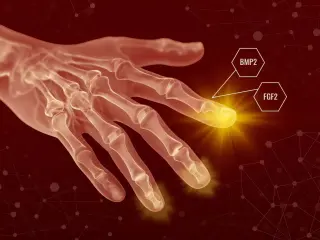
Texas A&M researchers showed that a two-step treatment—first applying FGF2 after wound closure, then BMP2—redirects local fibroblasts to form a blastema-like structure and triggers regrowth of bone, tendons, ligaments, and joints in mice after amputation. The regenerated tissues were not perfectly formed, but the main structures were restored, suggesting latent regenerative capacity in mammals and potential for reducing scarring. Because BMP2 is FDA-approved for some uses and FGF2 is in clinical trials, the approach could move toward clinical testing sooner rather than later.

Living knee implants could become your last knee replacement
health1 month ago

Living knee implants could become your last knee replacement

Columbia University and the University of Missouri are developing NOVAKnee, a living knee implant made from a biodegradable scaffold seeded with stem‑cell–generated bone and cartilage. The scaffold is designed to degrade as new tissue forms, potentially offering longer‑lasting restoration with fewer revision surgeries than traditional metal/plastic implants. Backed by the NITRO program, the approach explores autologous and allogeneic cell options and will progress from small animals to large‑animal studies before first‑in‑human trials targeted for around 2028; if successful, it could become a platform technology for other joints.

Dino-Derived Luxury: World’s First Lab-Grown T. rex Leather Handbag Debuts
technology1 month ago

Dino-Derived Luxury: World’s First Lab-Grown T. rex Leather Handbag Debuts

At the Art Zoo Museum in Amsterdam, the world’s first handbag crafted from lab-grown Tyrannosaurus rex leather debuted, created through AI-driven reconstruction of T. rex DNA and a proprietary tissue-engineering platform. The teal bag, designed by Enfin Levé, is biodegradable, cruelty-free, and will be auctioned with a starting price above $500,000; organizers envision expanding the material to luxury brands and other sectors.

Lab Grows Functional Hair Follicles, Advancing Hair-Loss Treatments
science2 months ago

Lab Grows Functional Hair Follicles, Advancing Hair-Loss Treatments

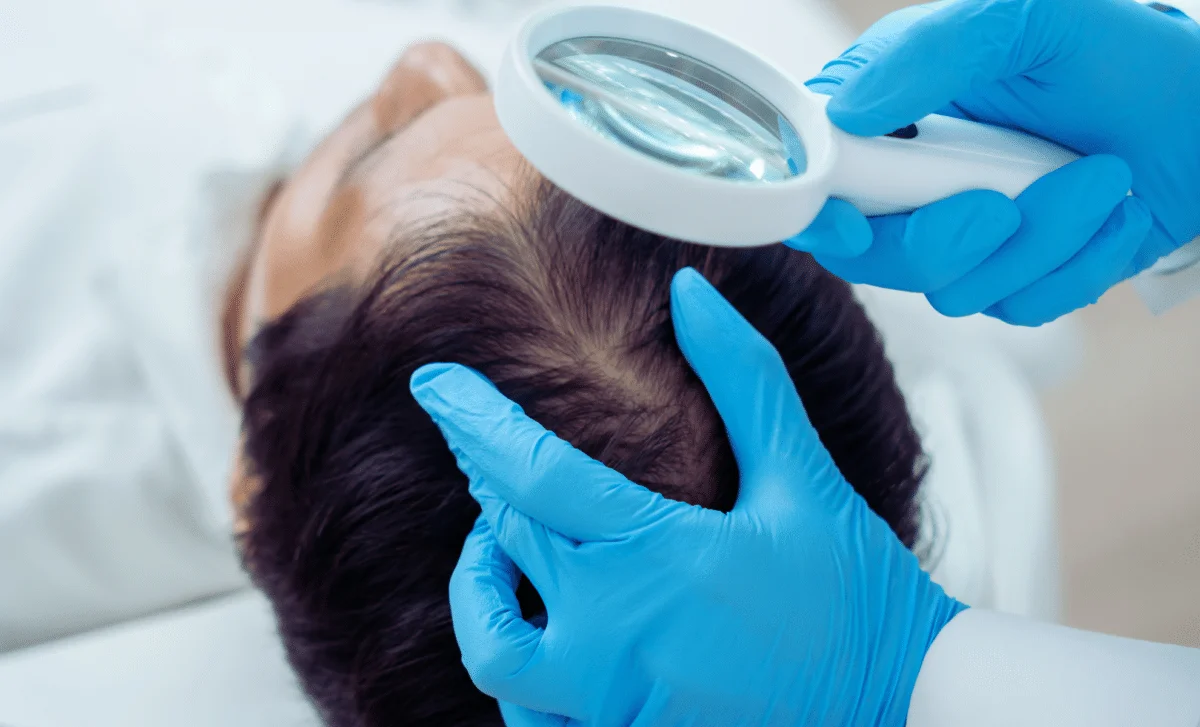
Scientists have grown fully developed, functional hair follicles in the lab by adding a third cell type—accessory mesenchymal cells—alongside epithelial stem cells and dermal papilla cells. This three-cell recipe enables follicles to mature and cycle like natural hair, with potential implications for hair restoration and broader regenerative medicine, though translating the approach to humans remains a key challenge.

Lab-Grown Hair Follicles Reach Growth Milestone in Mice
science2 months ago

Lab-Grown Hair Follicles Reach Growth Milestone in Mice

Researchers created fully functional hair follicles in the lab using a three-cell recipe (epithelial stem cells, dermal papilla cells, and accessory mesenchymal cells), enabling growth cycles and tissue attachment in mice; this marks progress toward lab-grown hair restoration and organ regeneration, though human trials are not yet underway and scaling/transplantation remain challenges. OrganTech partly funded the work, and the findings were published in Biochemical and Biophysical Research Communications.

Revolutionary Bioprinter Produces Human Tissue in Record Time
science1 year ago

Revolutionary Bioprinter Produces Human Tissue in Record Time

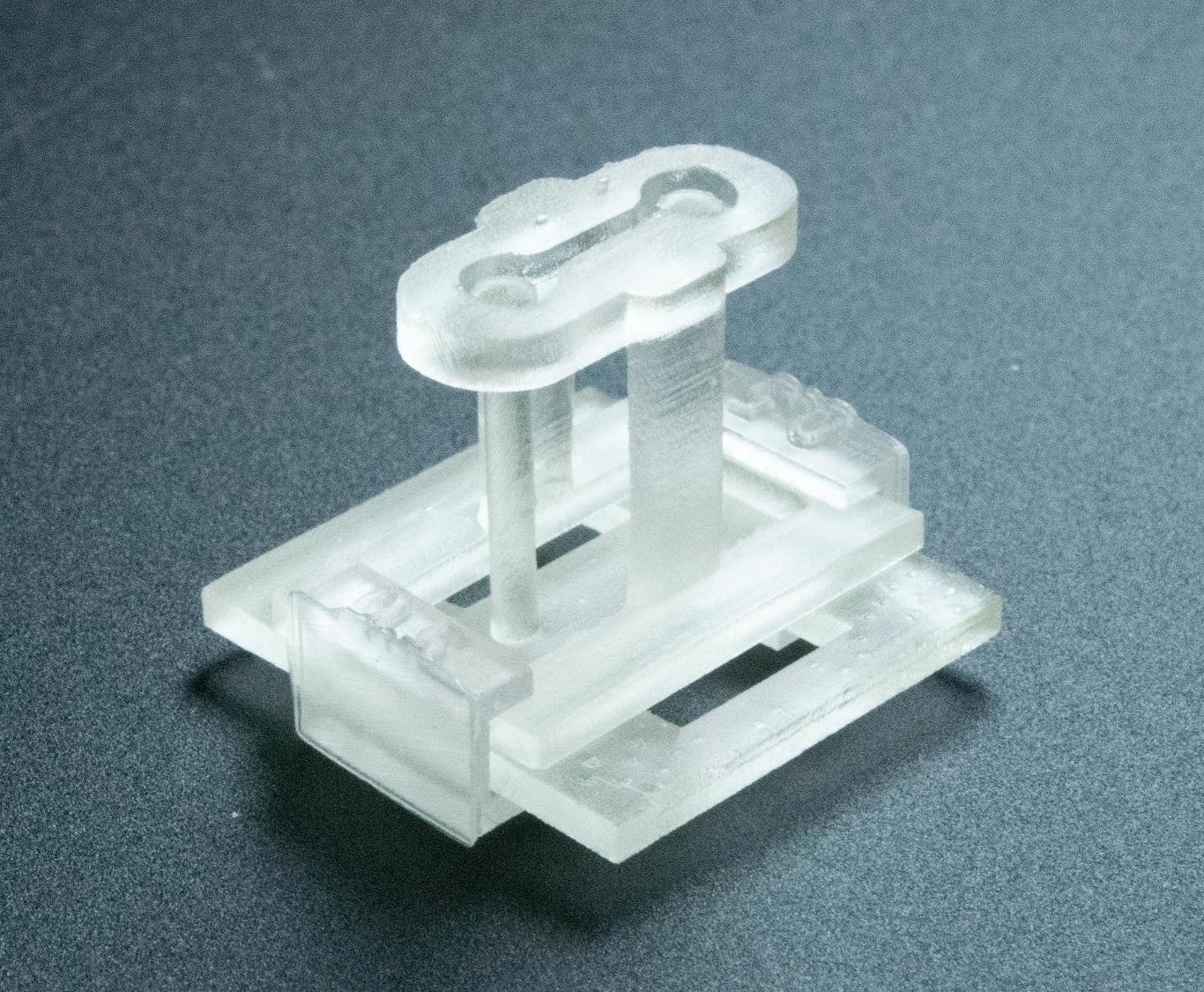
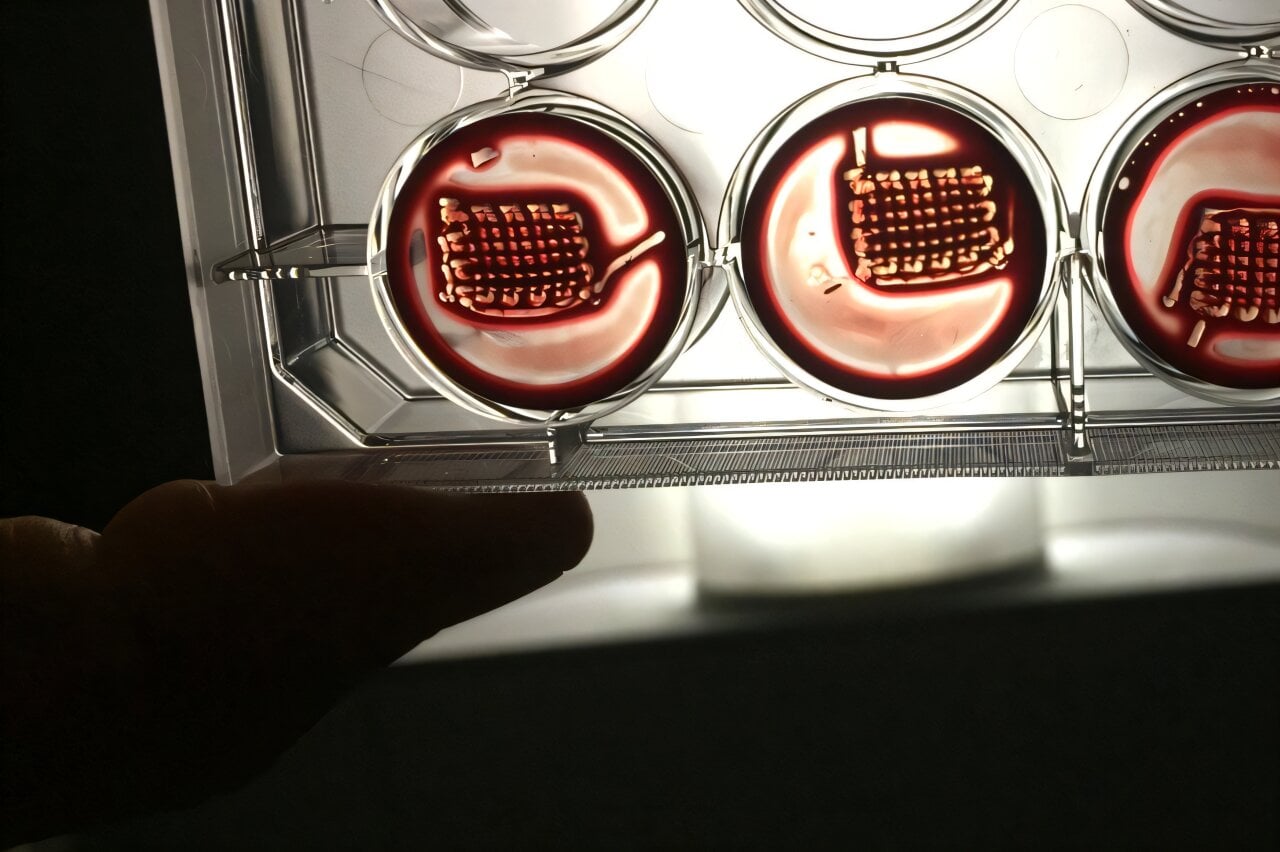
Researchers at Penn State have developed a new 3D bioprinting technique called High-throughput Integrated Tissue Fabrication System for Bioprinting (HITS-Bio), which can rapidly produce complex biological tissues using cell clusters known as spheroids. This method is ten times faster than existing techniques and maintains high cell viability, enabling the creation of functional tissues and potentially accelerating organ replacement and disease modeling. The technique has shown promising results in rat models, significantly speeding up bone repair.

Breakthrough in Artificial Cells: Self-Sustained Protein Transport Achieved
science1 year ago

Breakthrough in Artificial Cells: Self-Sustained Protein Transport Achieved

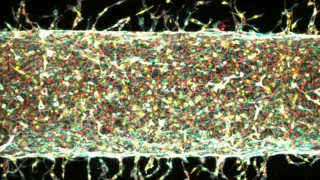
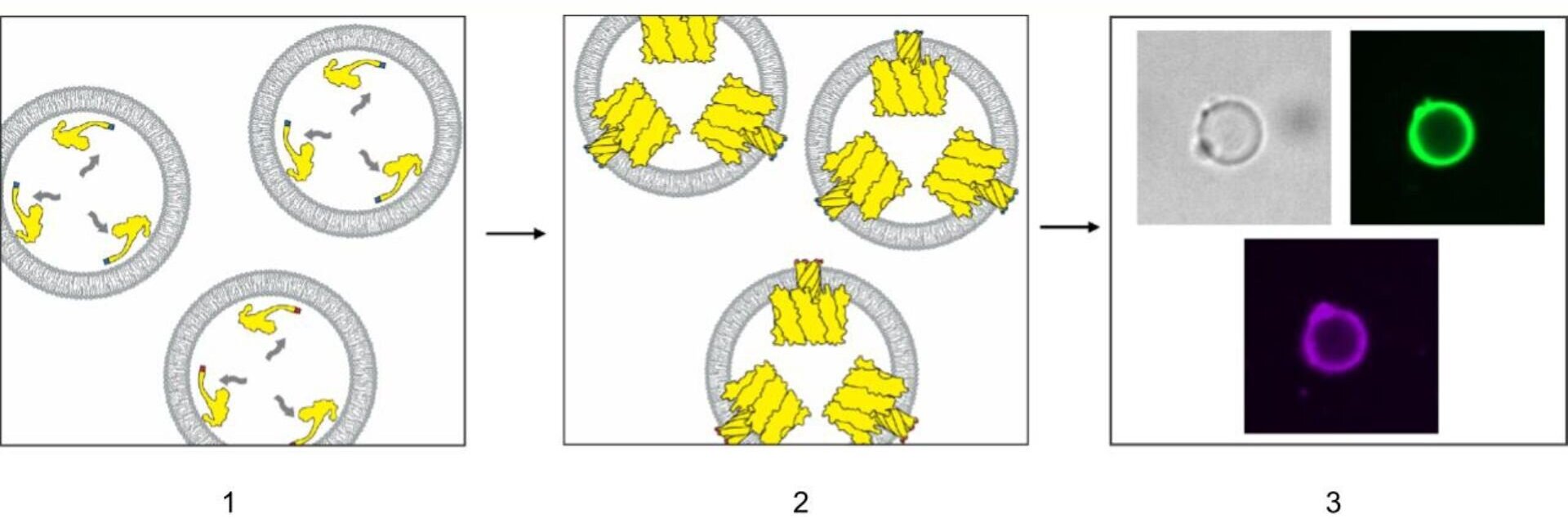
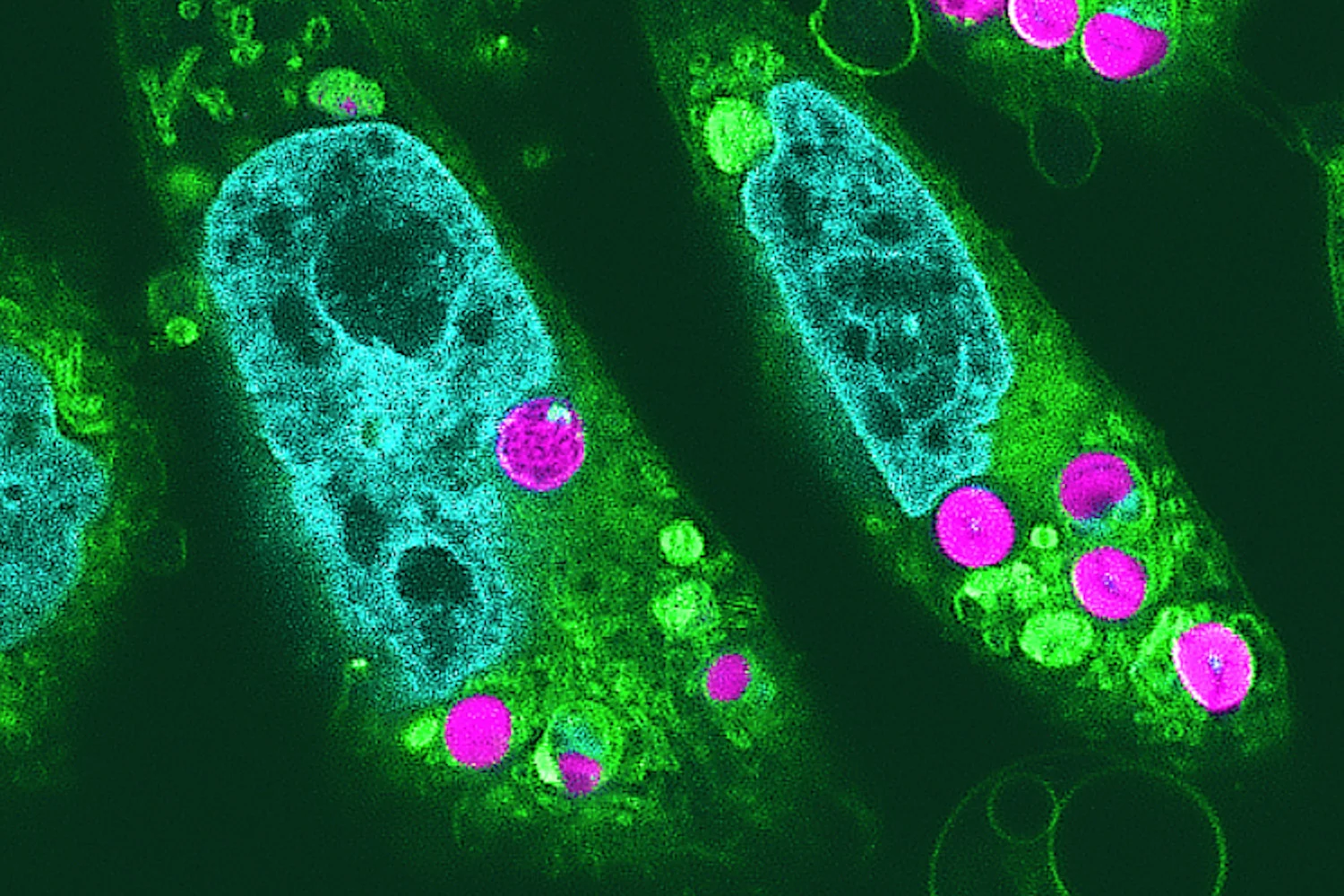
Scientists have developed a method for artificial cells to autonomously modify their membranes, enabling protein transport and tissue assembly without complex external modifications. This breakthrough, using α-hemolysin, could advance tissue engineering and drug delivery by allowing artificial cells to interact with their environment and form tissue-like structures. The study highlights the potential for creating more complex artificial tissues and improving drug delivery systems.

Blood Transformed into Bone-Healing Material for Personalized Implants
science-and-technology1 year ago

Blood Transformed into Bone-Healing Material for Personalized Implants

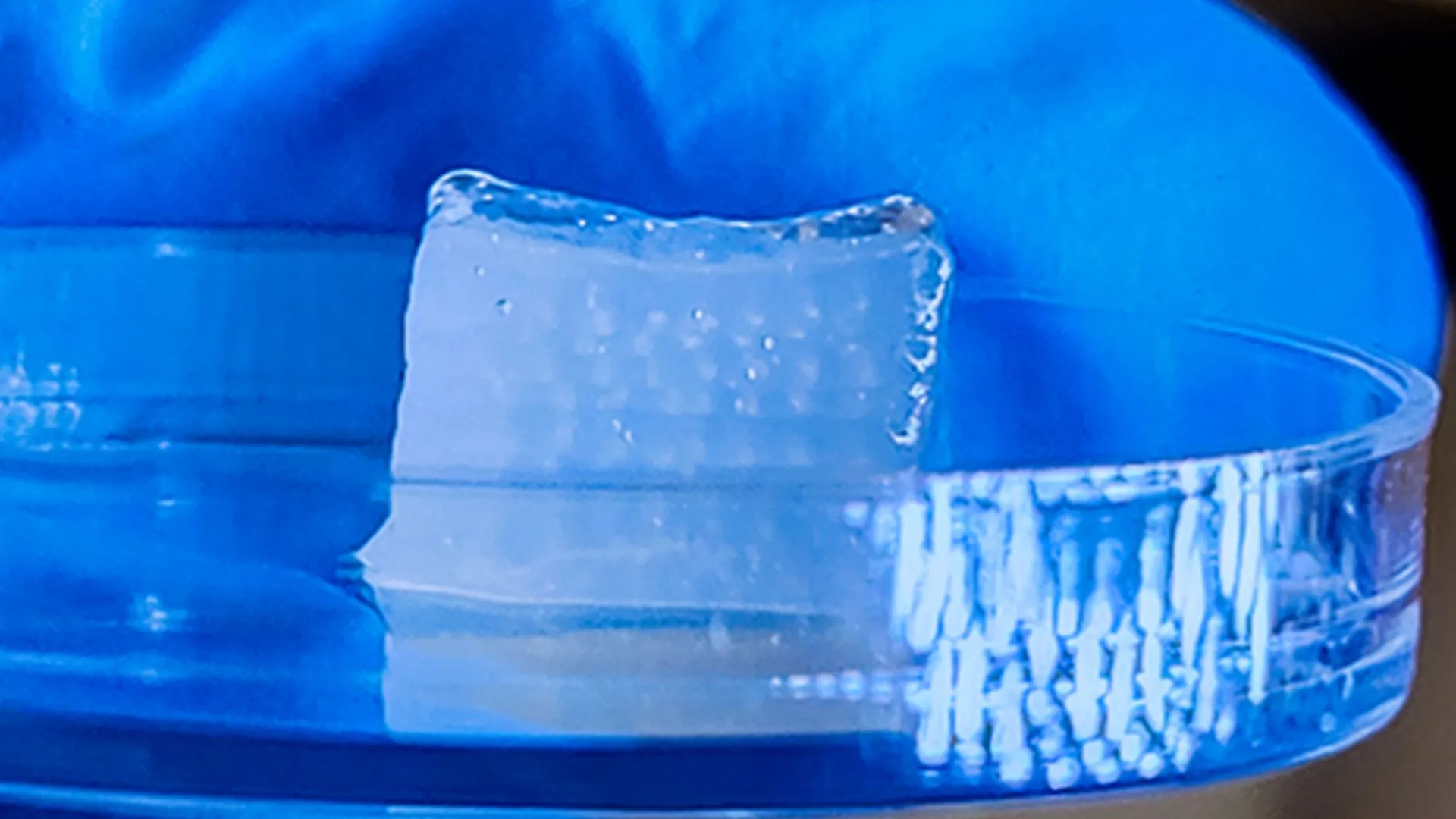
Researchers at the University of Nottingham have developed a 'biocooperative' material using blood and peptide molecules to enhance tissue regeneration, potentially leading to personalized, 3D-printed implants. This innovative approach leverages the natural healing processes of blood to create regenerative materials that can repair bones and other tissues. The method involves mixing synthetic peptides with a patient's blood to form a material that mimics and enhances the natural regenerative hematoma, offering a promising new avenue for regenerative medicine.

Scientists Engineer Photosynthetic Hamster Cells with Solar Power
science-and-technology1 year ago

Scientists Engineer Photosynthetic Hamster Cells with Solar Power

Researchers in Japan have successfully created photosynthetic animal cells by injecting chloroplasts from red algae into hamster cells, enabling them to photosynthesize light. This breakthrough, detailed in the journal Proceedings of the Japan Academy, challenges previous assumptions about the incompatibility of chloroplasts and animal cells. The innovation could have practical applications in artificial tissue engineering, potentially solving oxygenation issues in lab-grown tissues. The study found that these "planimal" cells not only produce oxygen but also have a higher growth rate, suggesting additional benefits from the chloroplasts.

Scientists Engineer Photosynthetic Animal Cells with Chloroplasts
science1 year ago

Scientists Engineer Photosynthetic Animal Cells with Chloroplasts

Japanese researchers have successfully transplanted photosynthetically active chloroplasts from algae into animal cells, specifically Chinese hamster ovary cells, marking the first time photosynthetic electron transport has been confirmed in animal cells. This breakthrough could lead to advancements in tissue engineering, such as creating artificial organs that can grow in low oxygen environments by incorporating chloroplasts to supply oxygen through light exposure. However, further research is needed to maintain chloroplast functionality in animal cells for extended periods.

"Revolutionizing Biotechnology: 3D Ice Printing for Artificial Blood Vessels and Organs"
science-and-technology2 years ago

"Revolutionizing Biotechnology: 3D Ice Printing for Artificial Blood Vessels and Organs"

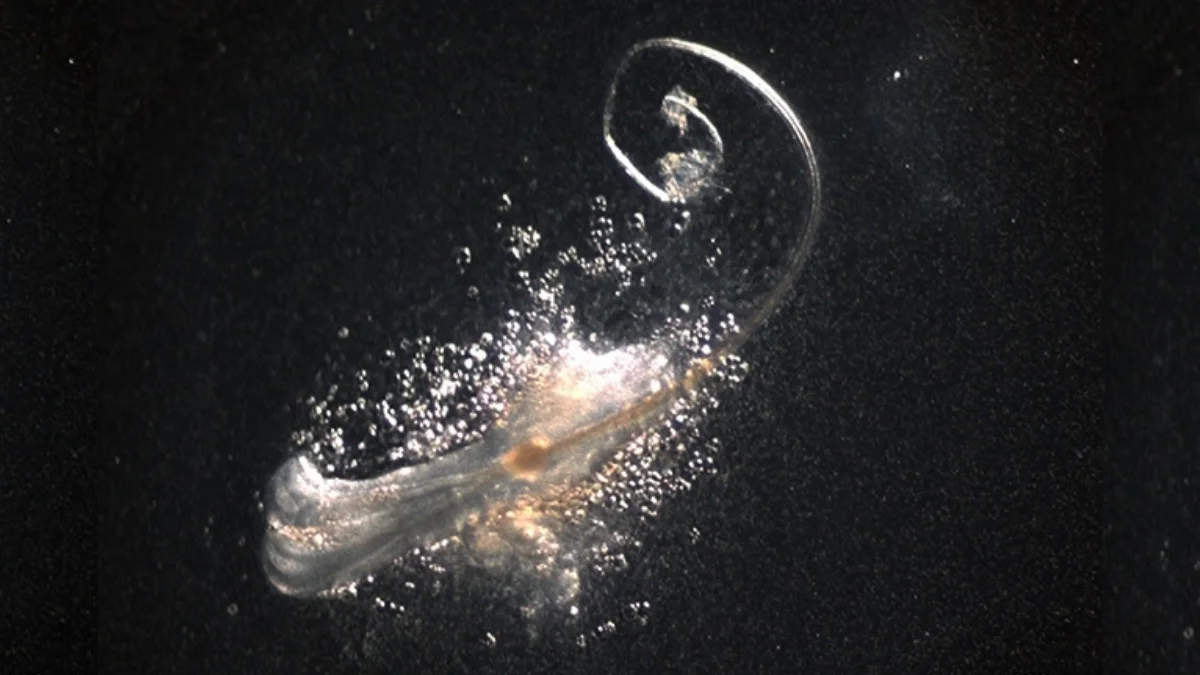
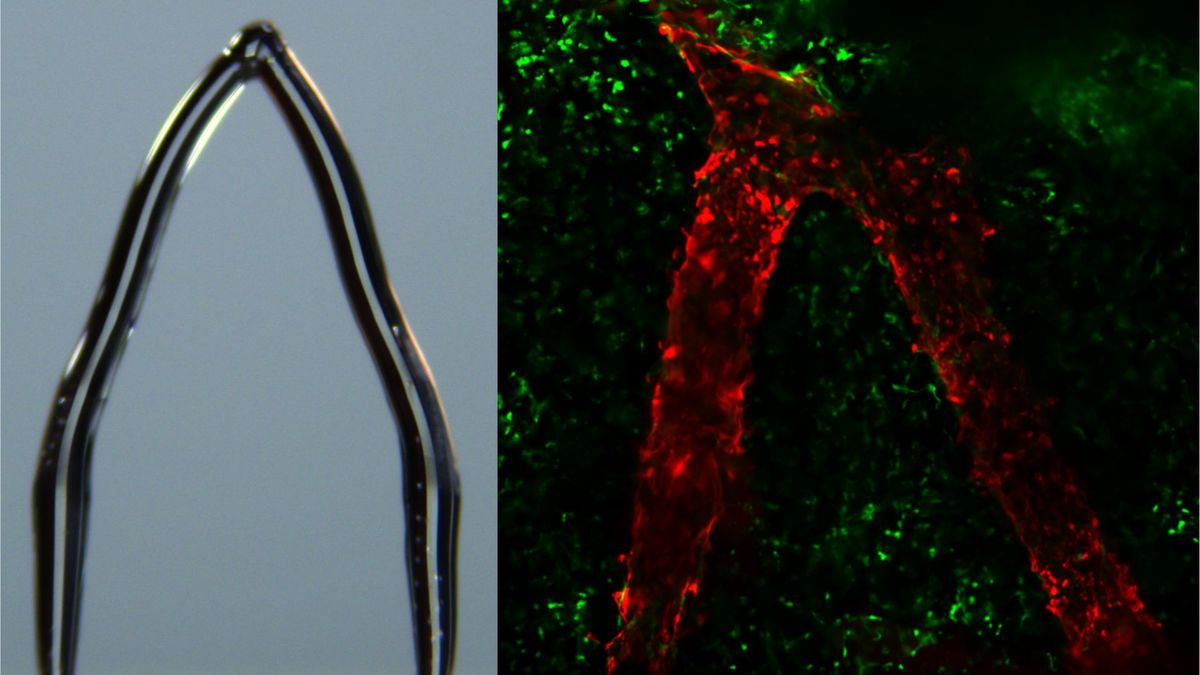
Scientists are using 3D-printed ice sculptures as temporary scaffolds to grow human cells into blood vessel-like structures, demonstrating the potential for creating realistic, lab-grown blood vessels from human cells. The ice printing technique, known as 3D-ICE, allows for the creation of smooth, free-flowing shapes at tiny scales, and could be used to engineer blood vessels that capture the complex geometries of real vascular networks in the body. This method may offer advantages over current artificial blood vessels and could also be helpful for crafting organ-on-a-chip devices. While it will be some time before this technique could be used for human patients, it shows promise for tissue engineering and biomedical applications.

Revolutionary Sound-Based 3D Printing: Repairing Bones and Organs Inside the Body
technology2 years ago

Revolutionary Sound-Based 3D Printing: Repairing Bones and Organs Inside the Body

Researchers from Duke University and Harvard Medical School have developed a new 3D printing technique called Deep-Penetrating Acoustic Volumetric Printing (DVAP), which uses soundwaves instead of light to create intricate structures within tissues. This method overcomes the limitations of traditional 3D printing techniques by enabling deep tissue printing and has potential applications in bone healing and targeted drug delivery.

Advancements in Bioprinting: Human-like Skin Revolutionizes Wound Healing
science-and-technology2 years ago

Advancements in Bioprinting: Human-like Skin Revolutionizes Wound Healing

Scientists have developed bioprinted skin that closely resembles natural human skin, with all three layers, using a combination of living cells and specialized hydrogels. In experiments with mice and pigs, the bioprinted skin promoted rapid growth of new blood vessels and improved wound healing with less scarring. While further research and clinical trials are needed, this breakthrough could potentially lead to the development of a treatment that allows people to fully heal from severe burns and other skin injuries.

"Expert Predicts Frozen Humans Revived in 50-70 Years"
science-and-technology2 years ago

"Expert Predicts Frozen Humans Revived in 50-70 Years"

An expert claims that frozen humans could be brought back to life in 50 to 70 years, citing the successful resurrection of a 46,000-year-old worm found in Siberian permafrost. However, the process would require significant advancements in medicine and tissue engineering. Cryoprotectant agents currently used in cryonic technology have toxic effects on the brain and body, making them insufficient for human revival. The ability to revive cryopreserved individuals could have profound philosophical, ethical, and medical implications, potentially offering an alternative to death for patients with terminal diseases.