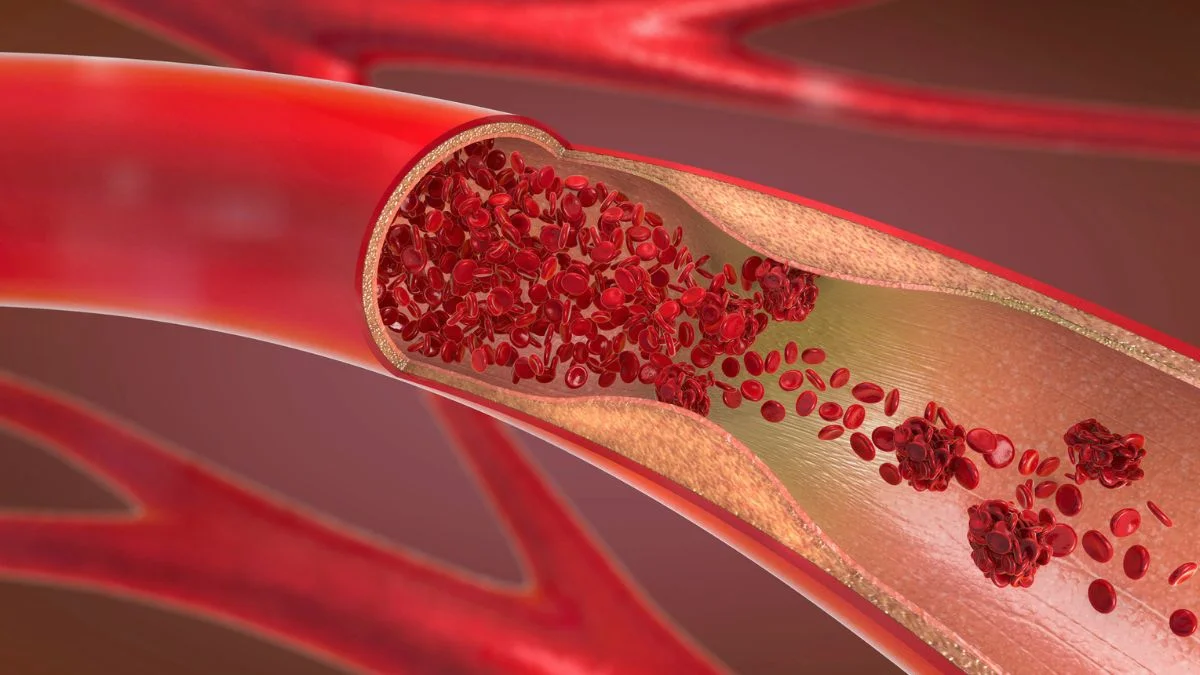
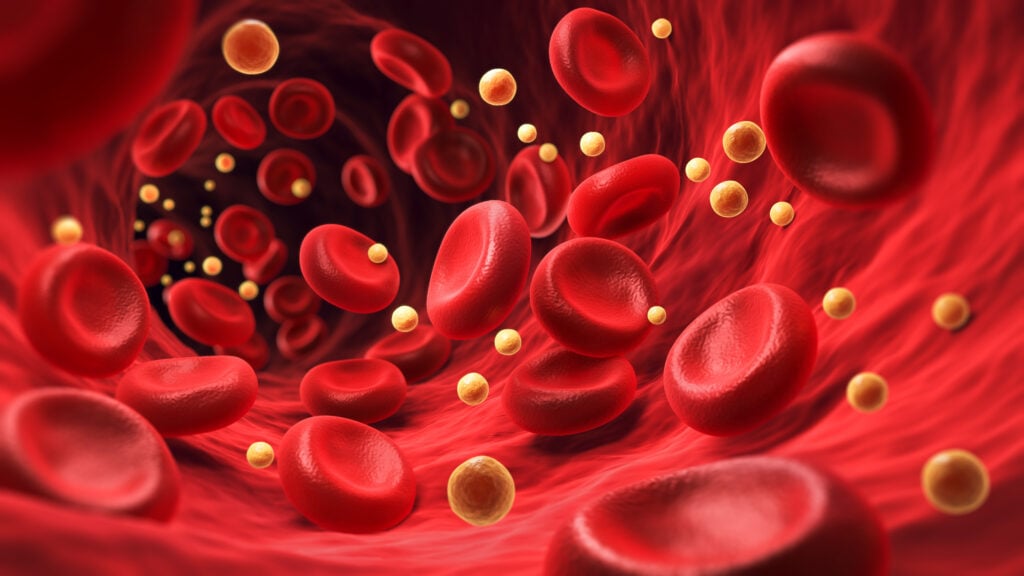
Remnant cholesterol, carried by large lipoprotein particles and rich in triglycerides, may drive heart disease more than LDL; it’s rarely measured, and while statins mostly lower LDL, newer drugs plus diet and weight loss can significantly reduce remnant cholesterol and cardiovascular risk.
Regular aerobic exercise, at least 120 minutes per week (about 20 minutes daily), can modestly lower LDL by 3–6 mg/dL and improve triglycerides and HDL; a combination of cardio and strength training yields the strongest cholesterol-related benefits and broader heart-health gains.
In a 14-day phase 1 trial, healthy volunteers taking TLC-2716 showed up to 38.5% lower triglycerides and up to 61% lower remnant cholesterol after meals, by inhibiting LXRα activity in the liver and gut. The oral drug was safe and well tolerated, suggesting potential for treating cardiometabolic disease, but longer studies in overweight/obese individuals with poor lipid profiles are needed to confirm benefits.
A preliminary study using CRISPR gene editing therapy showed significant reductions in 'bad' cholesterol and triglycerides in patients with heart disease, suggesting potential for one-time treatments to prevent heart attacks, though concerns about safety and ethical considerations remain.
Ionis Pharmaceuticals' experimental drug olezarsen significantly reduced triglycerides and pancreatitis events in a study, leading to a nearly 33% stock increase and plans to seek FDA approval this year, marking a major breakthrough in hypertriglyceridemia treatment.
A 7-day, customizable high-fiber meal plan designed by a dietitian to help lower triglyceride levels, featuring heart-healthy foods like fruits, vegetables, legumes, nuts, seeds, whole grains, and fish, with options to adjust calories from 1,500 to 2,000.
A 7-day high-fiber meal plan designed by a dietitian aims to lower triglyceride levels and improve heart health. The plan includes at least 31 grams of fiber daily, with modifications for different calorie needs (1,500, 1,800, and 2,000 calories). It features a variety of heart-healthy foods like fruits, vegetables, legumes, nuts, seeds, whole grains, and fish, and provides ample protein. The plan is flexible, allowing for meal substitutions and adjustments based on individual preferences and nutritional goals.
High triglyceride levels above 150 mg/dL increase the risk of heart attacks, strokes, and diabetes, even with normal cholesterol levels. Lifestyle changes, including diet and exercise, along with prescription treatments, can help lower high triglyceride levels. High triglycerides are often found in people with diabetes, obesity, high blood pressure, liver or kidney disease, and other conditions. High blood sugar after meals causes sugar to convert to triglycerides, leading to cell damage and potential health risks. Monitoring triglyceride levels, blood sugar, and HDL cholesterol can help predict the risk of diabetes and heart attacks. Dietary changes, such as consuming more vegetables, legumes, whole grains, and seafood, while limiting sugar, alcohol, and processed meats, can help manage high triglycerides.
Older individuals with higher levels of triglycerides, a common type of fat in the blood, may have a reduced risk of developing dementia and experience slower cognitive decline, according to a recent study. The research, which involved over 18,000 participants, found that every doubling of triglyceride levels was associated with an 18% lower risk of dementia. However, the study only focused on individuals aged 65 and above without cognitive issues, so the findings may not be applicable to other populations. Further research is needed to understand the specific components within triglycerides that may promote better cognitive function and develop preventive strategies.
Older individuals with higher levels of triglycerides, a type of fat, may have a lower risk of developing dementia and experience slower cognitive decline compared to those with lower levels, according to a study published in Neurology. The study, which followed over 18,000 seniors without prior dementia diagnoses, found that every doubling of triglyceride levels was associated with an 18% decreased risk of dementia. While the link does not prove that triglycerides prevent dementia, they may serve as a useful predictor for dementia risk and cognitive decline in older populations. Further research is needed to investigate the specific components within triglycerides that may promote better cognitive function.
A study has found that higher levels of triglycerides within the normal to high normal range are associated with a lower risk of developing dementia in older adults. These individuals also experience slower cognitive decline as they age. However, the study did not include enough data on triglyceride levels above the high normal range to determine their effect on dementia risk. It is important to note that people should not aim for high triglyceride levels, but rather focus on maintaining a balanced, nutrient-dense diet and regular exercise to reduce the risk of dementia.
A study conducted in Australia suggests that higher levels of triglycerides, which are found in butter, eggs, cooking oils, and red meat, may lower the risk of dementia. The research found that older adults with high levels of triglycerides were 18% less likely to develop dementia compared to those with lower levels. However, it is important to note that high triglyceride levels can also increase the risk of other conditions such as heart disease and stroke. The study highlights the need for further research to understand the specific components within triglycerides that may promote better cognitive function and potentially lead to new preventive strategies for dementia.
A new study published in the journal Neurology suggests that individuals with high variability in their total cholesterol and triglyceride levels may be at a higher risk for developing dementia later in life. The study followed 11,571 participants over a period of 13 years and found that those with the largest fluctuations in cholesterol and triglyceride levels were 19% and 23% more likely to develop dementia, respectively. The researchers believe that cholesterol may lead to inflammation in blood vessels in the brain, impairing nutrient transport and waste removal. While more research is needed, maintaining lower cholesterol levels may be beneficial for reducing the risk of dementia.
A study published in the journal Neurology suggests that individuals with high variability in their total cholesterol and triglyceride levels may be at a higher risk for developing dementia later in life. The study followed 11,571 participants over a period of 13 years and found that those with the greatest fluctuations in cholesterol and triglyceride levels were 19% and 23% more likely to develop dementia, respectively. The researchers believe that cholesterol may lead to inflammation in blood vessels in the brain, impairing nutrient transport and waste removal. While more research is needed, maintaining lower cholesterol levels through diet, exercise, and stress management may help reduce the risk of dementia.