U.S. Still Uncertain About Iranian Mines in the Strait of Hormuz
The U.S. military has not confirmed Iran placed mines in the Strait of Hormuz despite ongoing searches, keeping the assessment of the threat unclear.
All articles tagged with #uncertainty

The U.S. military has not confirmed Iran placed mines in the Strait of Hormuz despite ongoing searches, keeping the assessment of the threat unclear.

A CBS News/YouGov poll finds Americans are stressed about finances and view the economy as uncertain and unfair, with three-quarters saying incomes aren’t keeping up with inflation. Voters express frustration with Trump’s economic approach and say neither party is clearly helping with the cost of living, while concerns about AI job loss and a pessimistic outlook for growth persist.
MIT CSAIL researchers propose RLCR (Reinforcement Learning with Calibration Rewards), using the Brier Score to penalize over-confident wrong answers and reward well-calibrated uncertainty, leading to more reliable LLM outputs and the ability to admit when they don’t know—potentially increasing safety for high-stakes applications.

The article argues that our brains are wired to fear uncertainty due to energy costs and negativity bias, but we can train ourselves to tolerate ambiguity by cultivating curiosity, seeking diverse perspectives, practicing critical thinking, and regulating emotions. By recognizing that perception constructs reality and learning to hold multiple interpretations, we can foster flexible, creative thinking. Practical steps include asking what is not yet known, learning from adaptive environments (like Formula One teams), mindful breathing, mindfulness, regular exercise, and mindful information consumption, all while balancing realism with cautious optimism. The goal is not to eliminate uncertainty but to relate to it in a way that enhances learning, decision-making, and openness to possibility.

New Dartmouth-led research reframes the amygdala as a dynamic arbiter that toggles between action-based and stimulus-based learning under uncertainty, promoting flexible decision-making. When the amygdala is damaged, arbitration becomes random and behavior locks into rigid action-based patterns. The findings offer a potential path for treating phobias and anxiety by encouraging action-based exploration over stimulus-driven fear, and pave the way for further studies on how the amygdala coordinates with prefrontal circuits to guide learning.

Following a Supreme Court ruling that blocked reciprocal tariffs, Trump invoked Section 122 of the Trade Act to impose a new 10% global tariff, later hinted to rise to 15%, creating widespread uncertainty for businesses and consumers as existing trade deals may be overridden, refunds for past levies remain unclear, and higher import costs could push prices higher, with UK exporters potentially facing billions in extra costs and firms considering diversification away from the US.

The Dispatch chronicles how Trump’s 2025 tariff program, under IEEPA, disrupted American commerce and squeezed small businesses. Stories like Busy Baby Mat’s owner cutting staff and draining savings illustrate widespread revenue losses and looming costs as shipments stalled and duties rose. While tariff revenue increased, studies say Americans shoulder about 96% of tariff costs. The Supreme Court could rule the tariffs illegal, potentially triggering refunds, but uncertainty remains whether the administration will reinstate tariffs under other codes, prompting firms to rethink supply chains and some to seek suppliers abroad.

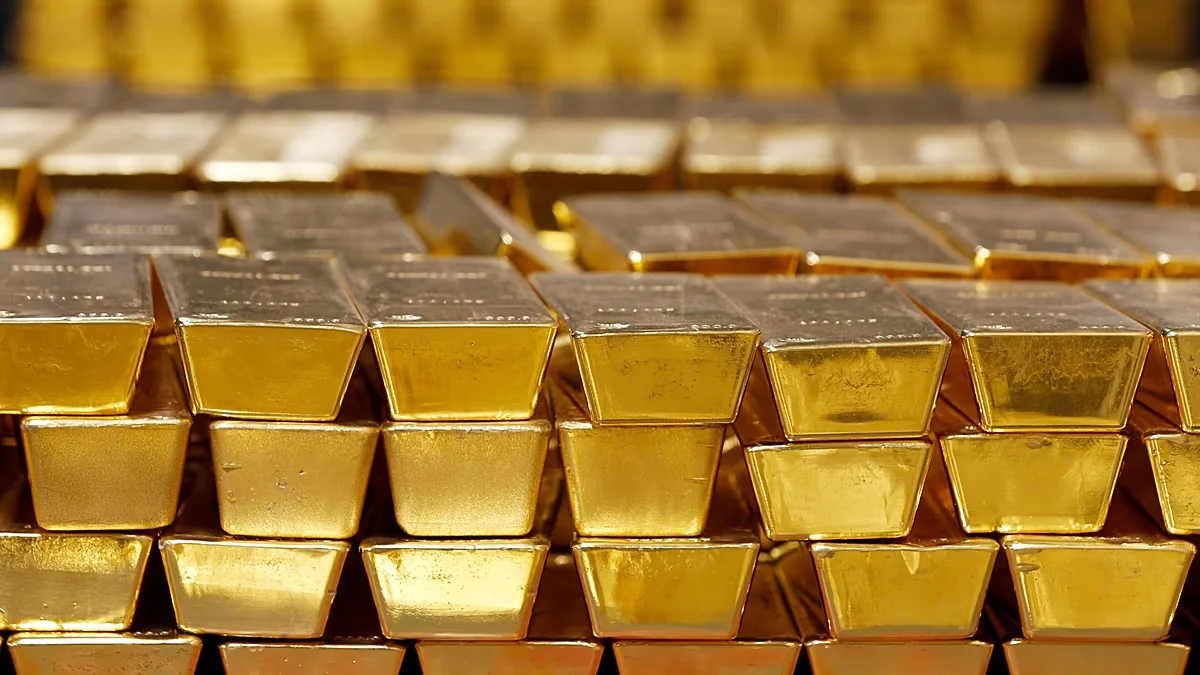
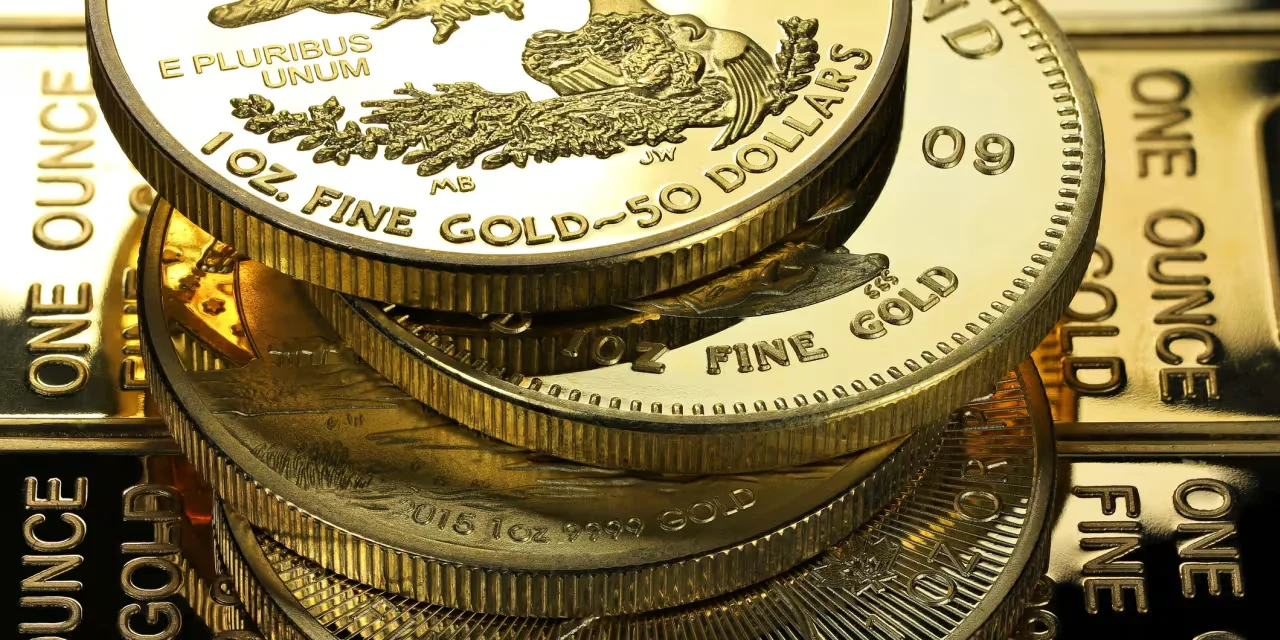
Gold tumbled from about $5,600/oz to roughly $4,700, and silver plunged around 31% in a single session, as uncertainty, a softer dollar, and signals of potential U.S. monetary-policy shifts (notably Warsh’s Fed nomination) weighed on metals that had just hit record highs earlier in the week.

Wall Street remains uneasy about President Trump’s Fed chair pick Kevin Warsh, worrying his hawkish past could shift to policy dovishness to please the administration and trigger uncertain rate moves later, prompting some investors to hedge with international diversification as they wait for clarity on the Fed’s path.

Gold advanced toward $5,000 as RBC warned there could be higher paths in a real risk-off scenario, with a projected range of $4,500–$5,000 for 2026 and upside beyond; Goldman Sachs also raised its year-end forecast to about $5,400 amid ongoing central-bank buying and geopolitical risk.
The most popular HBR articles of 2025 focus on AI, managing uncertainty, decision-making challenges, DEI, and strategic visualization, reflecting the year's overall theme of unpredictability and change.

A six-year research project has identified a surprisingly simple way to achieve happiness amidst global instability and uncertainty, emphasizing the importance of mental well-being in challenging times.

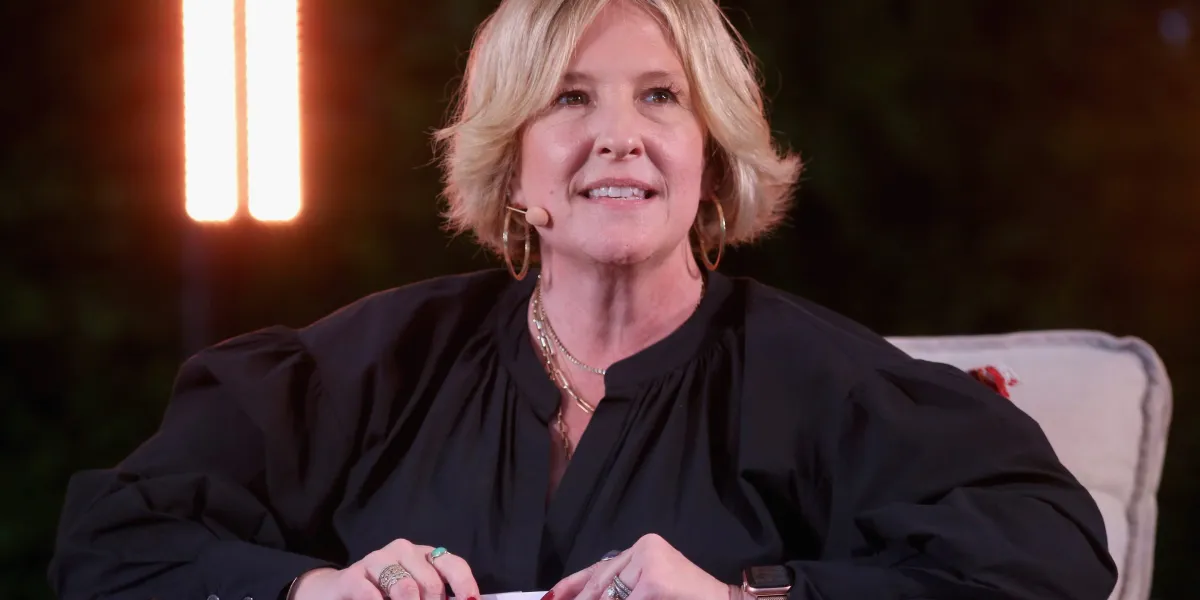
Brené Brown warns that American workers are struggling with mental health due to rapid change and instability driven by geopolitics, technology, and market shifts, emphasizing the need for empathetic leadership and systemic understanding to navigate these challenges.

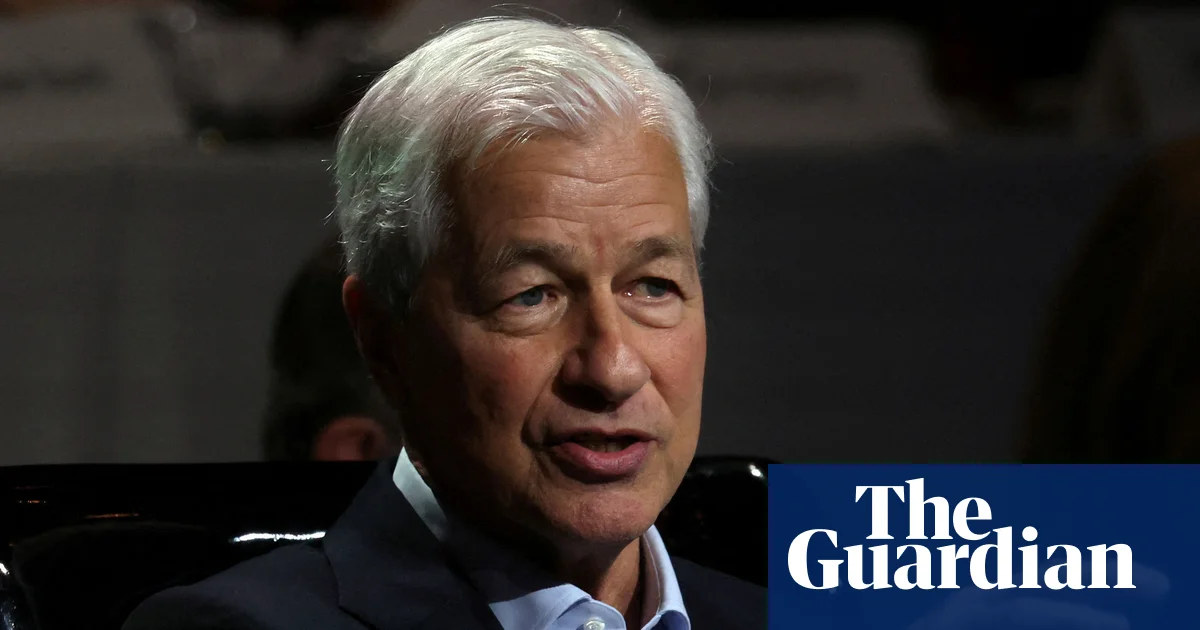
Jamie Dimon, CEO of JPMorgan Chase, warns that the likelihood of a US stock market crash within the next two years is higher than market expectations, citing geopolitical risks, fiscal concerns, and an AI bubble as contributing factors, amidst broader warnings of increased global economic uncertainty.

IMF chief Kristalina Georgieva warns that despite current resilience, the global economy faces ongoing uncertainty due to factors like US tariffs, geopolitical tensions, and rising gold prices as safe havens, emphasizing the need for preparedness for potential shocks.