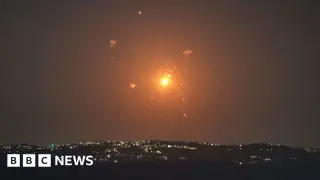
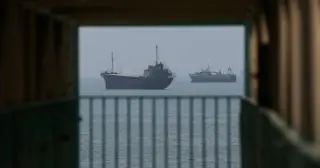
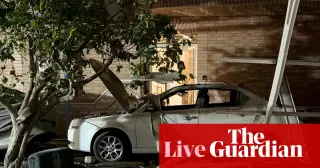
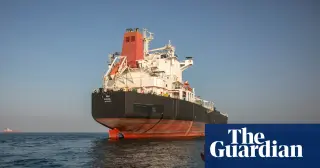
US Central Command says it struck five Iranian oil tankers linked to the IRGC in the Gulf of Oman in response to Iran’s missiles against a US base in Jordan; Tehran claimed missile launches and Jordanian defenses said most missiles were intercepted, with oil prices rising as tensions escalated.
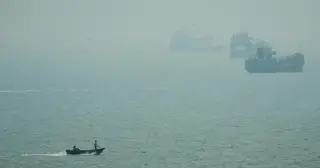
US forces struck Iranian oil tankers linked to the IRGC after Iran attempted to attack a US carrier and destroyer, with strikes reported near Kharg Island and the port of Jask; Tehran had warned it would target oil tankers in Kuwait and Bahrain, following a weekend clash in which the US sank one tanker and disabled two others, as sanctions on Iran’s aviation sector expand and the Strait of Hormuz remains a critical flashpoint.
Iran is signaling a broader offensive beyond the Strait of Hormuz, proposing a revised maritime posture that includes a new 'prohibited zone' outside the waterway, a proposed Oman–Iran shipping corridor, and sanctions on vessels to pressure US forces and regional energy infrastructure. The move accompanies threats to US ships and energy interests and a warning that the rules of engagement have changed, even as Washington says Hormuz remains open under US control. The report also covers Canada’s pledge to counter transnational repression after Iranian threats to journalists, plus domestic Iran stories about protests over pay in the oil sector and an Iraqi-students incident in Semnan, underscoring wider regional tensions.
Three analysts argue there is no clear path to a fast end to the US-Iran conflict: Washington uses a mix of military pressure and sanctions, Tehran seeks concessions while avoiding a larger war, and any exit hinges on reviving the June MoU, though the involvement of other powers and the IRGC makes a durable resolution unlikely.
James F. Jeffrey argues that six months into the US-Israel campaign against Iran, a mutual blockade of the Strait of Hormuz has produced a strategic stalemate that is the least bad option: it avoids decisive defeat or escalation while gradually weakening Iran’s economy and preserving space for negotiation. The United States should sustain the dual blockade indefinitely, accepting higher domestic energy costs while pressuring Tehran, and deter major Iranian escalation with credible threats of a devastating counteroffensive. If Iran escalates, Washington must be prepared to respond decisively; if not, the stalemate could yield concessions similar to terms from the earlier memorandum, though a withdrawal or invasion would be far costlier and risk broader war.
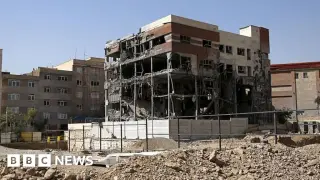
Iran condemned a US strike on a wedding in Sirik as a war crime, while the US says it targeted IRGC sites; the incident is part of a broader regional escalation that includes attacks on ships and bases, diplomatic efforts to de-escalate, and heightened rhetoric from Israel and other allies.
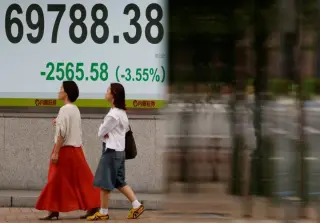
Global stocks fell as fresh U.S. airstrikes on Iran lifted oil prices to five-week highs and intensified inflation fears, sending bond yields higher and the dollar firmer while investors weigh the outlook for Fed policy ahead of key U.S. data; markets across regions were down and futures pointed to a muted open as the energy shock and geopolitical tensions persist.
At the Asheville G20 finance ministers meeting, the U.S. invited Russia’s Anton Siluanov, triggering European protests and boycott threats as Europe seeks to isolate Moscow over Ukraine; the gathering also aims to coordinate economic pressure on Iran and boost growth. Separately, the U.S. and Iran exchanged attacks after a month-long lull: Washington said it struck Larak Island to deter rocket-mined missiles near the Strait of Hormuz, while Iran fired at bases in Jordan and the UAE in retaliation, lifting oil prices and underscoring the war’s persistence despite talks.
Iranian officials deride the Trump administration’s plan for global economic isolation as colonial, Iran says Iraqi oil tankers may pass through the Strait of Hormuz, and a cleric claims the late Supreme Leader’s compound still bears the smell of burned flesh after an attack—though the accounts are not independently verified.
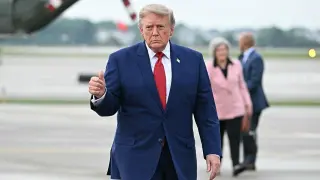
Oil prices climbed above $90 a barrel after the two-month window for a US-Iran ceasefire expired without a deal, as Iran warned of a tougher stance and Trump threatened to bomb Oman if it interferes, a combination that analysts say could push markets to price in a prolonged disruption through the Hormuz Strait, with shipping tensions and ongoing geopolitical risk adding to the energy rally.
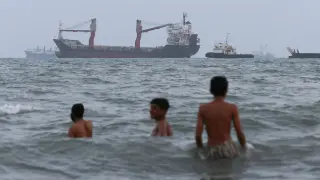
Oil prices rose as Iran said the IRGC would keep control of shipping through the Strait of Hormuz until the US meets its demands, the US blockade remained in place, Trump floated a map labeling Hormuz as a new US territory, and a vessel was struck near Oman as a 60-day ceasefire expired, signaling heightened market and geopolitical volatility over Iran’s nuclear and shipping policies.
As the US-Iran ceasefire nears its expiration, the Trump administration pursues backchannel talks with Iran’s IRGC while signaling there is no rush to end the conflict. Trump downplays concerns about the military stockpile, warns Oman against interference in the Strait of Hormuz, and reiterates that preventing Iran from obtaining a nuclear weapon remains his top goal. Iran responds with a $30,000 bounty on U.S. troops, and Gulf states’ alignment against Tehran suggests deeper isolation and a fragile path toward any lasting peace.
The monthlong U.S.-Iran ceasefire is set to lapse as talks stall, driven by Iran’s internal factional splits, demands over frozen assets, and disputes on shipping in the Strait of Hormuz and sanctions, risking a resumption of conflict ahead of the U.S. midterm elections.
ISW-CTP’s update portrays Iran pressing for new US concessions before “reopening” the Strait of Hormuz, using messaging and force to signal continued control while hardliners led by IRGC commander Ahmad Vahidi shape demands. Tehran is pushing a six-point package (blockade lifting, sanctions relief, withdrawal of forces, war reparations, released assets, and ceasing attacks on allies) and has floated a temporary transit route through Oman, signaling that reopening remains conditional. A missile strike on a UAE-affiliate tanker in the Strait shows Iran’s ongoing coercive tactics. The US blockade remains costly to Iran’s oil exports and economy, but Iran has not softened its maximalist position. Iranian aims, according to the update, include international recognition of strait control, degrading US capabilities, restoring deterrence, and dividing the US-Israel axis from Arab states, with the update noting a revised structure following the resumption of war.
Iran’s Supreme National Security Council laid out six conditions before reopening the Strait of Hormuz, including an end to US threats, a halt to attacks on Iran and its allies in Lebanon, Palestine, Yemen and Iraq, withdrawal of US naval and air forces, full compensation for damages from two “imposed wars,” lifting of sanctions, and release of frozen assets—conditions that broaden the earlier memorandum and link Hormuz to a wider political package as Oman-brokered talks continue. Pezeshkian says now is the best time for an agreement.