Tag

Rna

All articles tagged with #rna

RNA damage takes center stage in sunburn science
science1 month ago

RNA damage takes center stage in sunburn science

New research from Copenhagen and NTU Singapore shows the immediate sunburn response is driven by RNA damage, not DNA. UV exposure triggers RNA damage that activates the ribotoxic stress response via the ZAK-alpha pathway, leading to inflammation and cell death; knocking out ZAK in mice reduces these responses. This challenges long-held beliefs about UV damage and could rewrite textbooks, influence sun-protection strategies, and inspire new approaches to inflammatory skin conditions.

A Tiny RNA Enzyme Edges the RNA World Toward Self-Replication
science1 month ago

A Tiny RNA Enzyme Edges the RNA World Toward Self-Replication

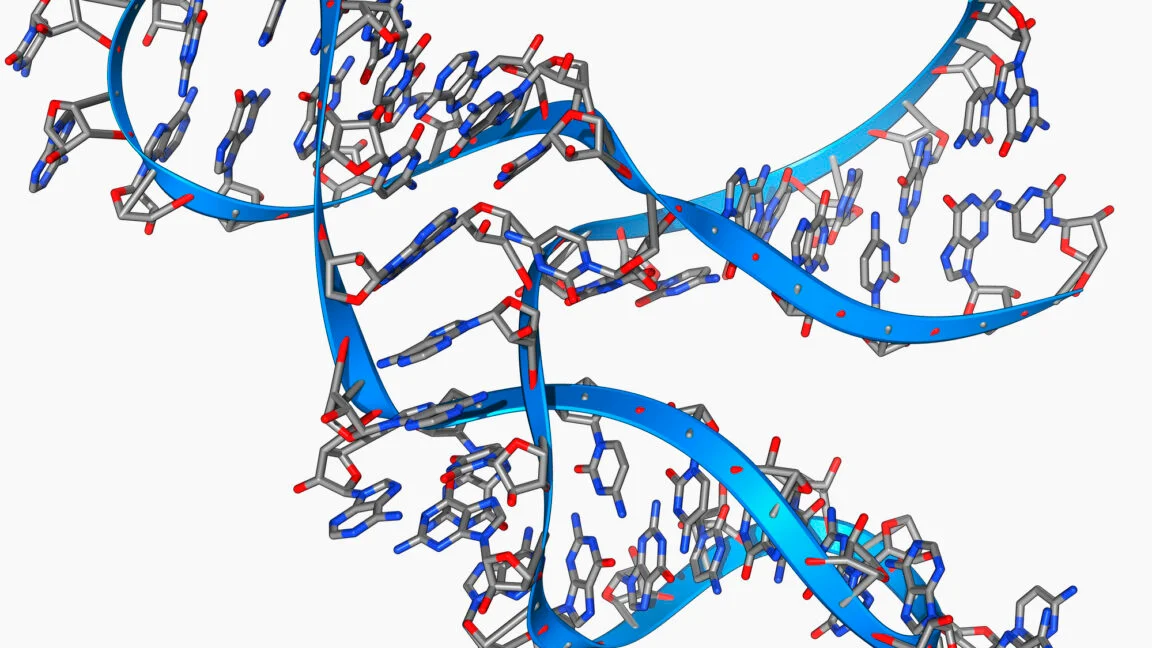
Researchers report QT45, a small polymerase ribozyme that can copy its own RNA and its template, demonstrating two crucial steps toward self-replication and bolstering the RNA world hypothesis; while not yet fully self-replicating, QT45 is smaller and more plausible to arise in prebiotic conditions than earlier ribozymes, discovered by screening trillions of random RNAs under cold conditions, with next steps to improve speed and yield.

Ryugu asteroid yields DNA and RNA building blocks, study finds
astronomy2 months ago

Ryugu asteroid yields DNA and RNA building blocks, study finds

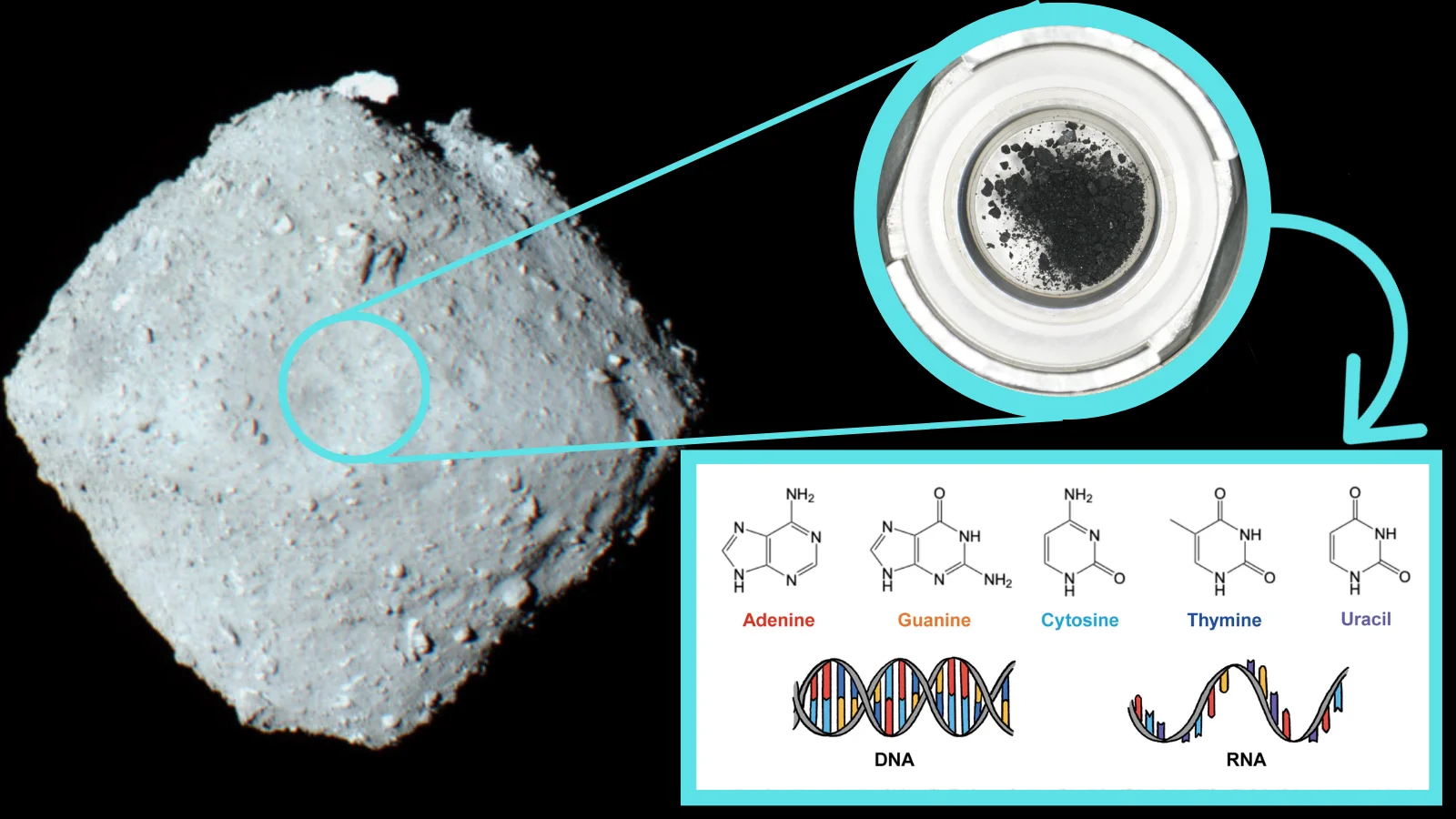
Two samples from asteroid Ryugu returned by JAXA’s Hayabusa2 contain the five nucleobases adenine, guanine, cytosine, thymine and uracil—the building blocks of DNA and RNA. The find suggests these compounds can form in space without life and may have been distributed across the early solar system, with Ryugu showing different base concentrations than Bennu and meteorites, hinting at diverse formation histories and a wide cosmic availability of life's chemical ingredients.

Tiny 45-base ribozyme copies itself, nudging origin-of-life theories
science3 months ago

Tiny 45-base ribozyme copies itself, nudging origin-of-life theories

Researchers identified QT-45, a 45-base RNA ribozyme that can act like a tiny polymerase to copy RNA strands and, crucially, can synthesize a copy of its own sequence by base-pairing with a template. In tests, QT-45 copied various RNAs with about 95% fidelity (roughly 2–3 errors per copy), though the process is slow. This demonstrates self-replicating RNA is plausible at very small sizes and could be refined by evolution under prebiotic conditions.

Cancer’s Hidden Barcode: OncRNA Signatures Map Tumor Identity and Treatment Response
science4 months ago

Cancer’s Hidden Barcode: OncRNA Signatures Map Tumor Identity and Treatment Response

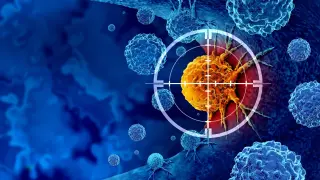
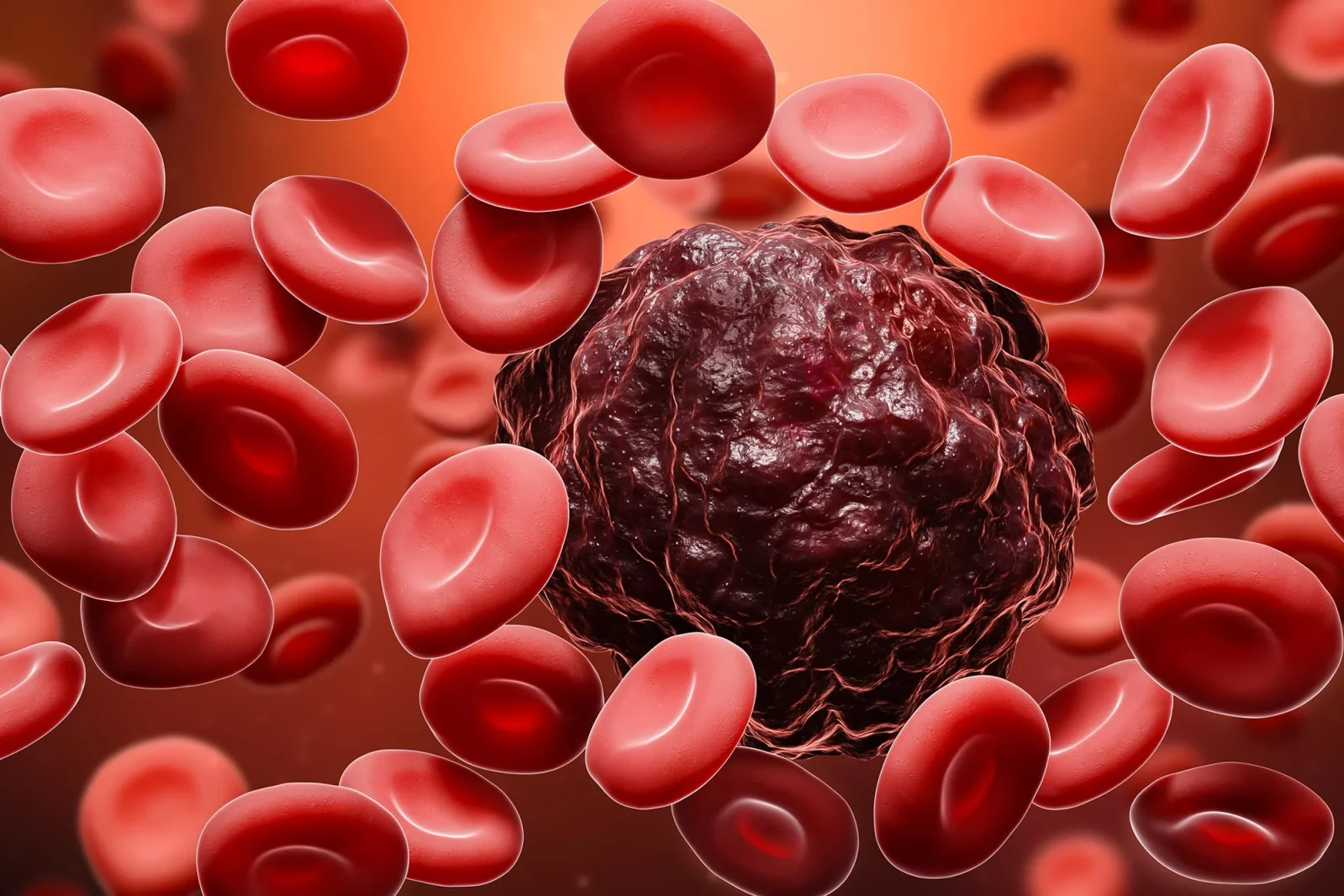
Researchers mapped hundreds of thousands of cancer-specific small RNAs (oncRNAs) that act as digital barcodes to identify cancer type, subtype, and aggressiveness. Many oncRNAs are secreted into blood, enabling a simple serum test to monitor treatment response and predict survival. The work blended large-scale genome analysis, machine learning, mouse experiments, and data from nearly 200 breast cancer patients, finding about 5% of oncRNAs can drive tumor growth. The discovery points to a new, blood-based approach for real-time cancer monitoring and personalized therapy, with ongoing development in collaboration with Exai Bio.

Sperm RNA Clock Reveals Mid-Life Aging Cliff Linked to Child Health
science4 months ago

Sperm RNA Clock Reveals Mid-Life Aging Cliff Linked to Child Health

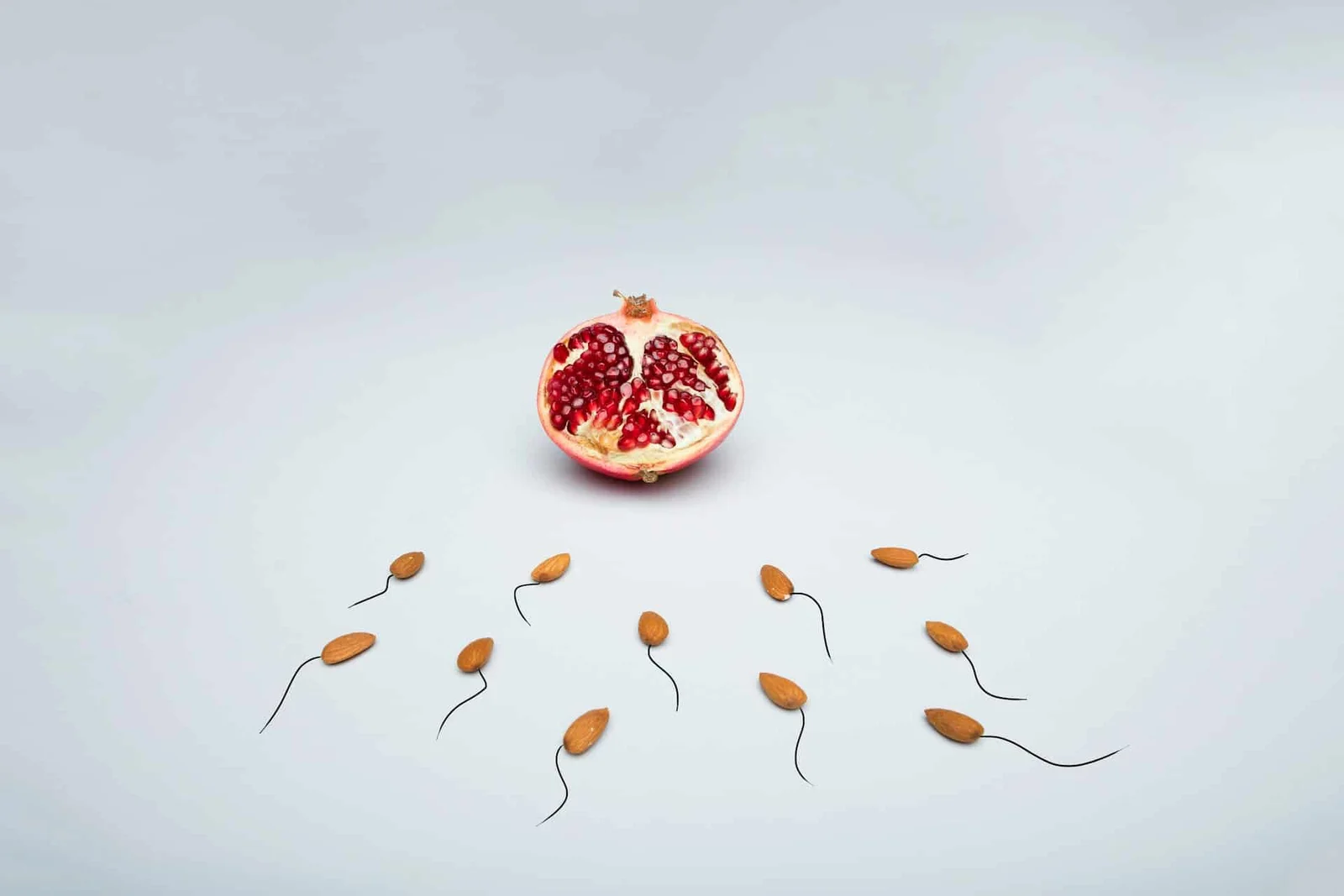
A new EMBO Journal study reports a mid-life, abrupt shift in sperm RNA—an “aging cliff”—that could influence what fathers pass to their offspring, offering a mechanism beyond DNA mutations that may help explain increased risks of neurodevelopmental and metabolic issues in children of older dads and supporting aging-related cautions in assisted reproduction.

TimeVaults give cells a memory of their gene activity
biology4 months ago

TimeVaults give cells a memory of their gene activity

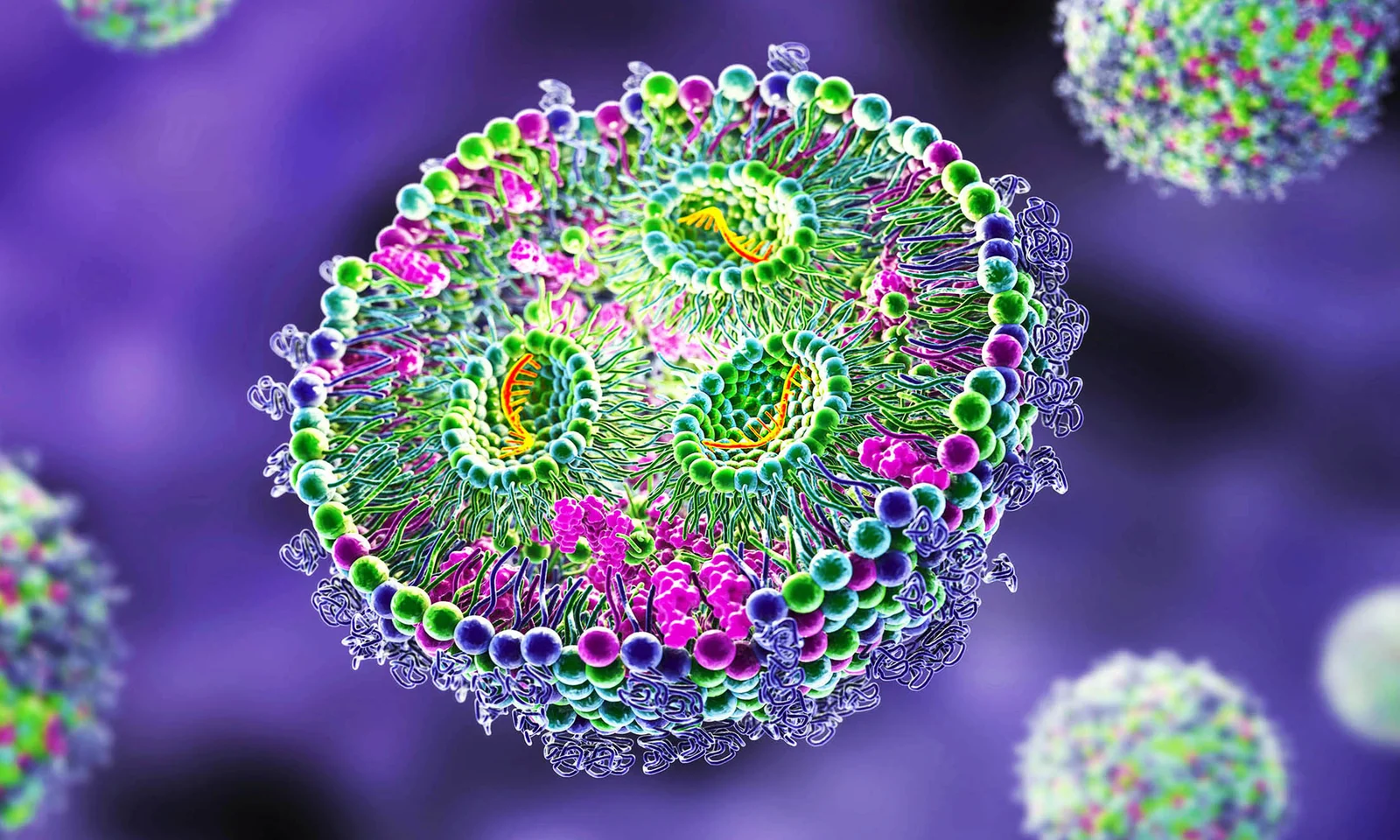
Researchers rewired vault proteins to create TimeVaults that capture and store messenger RNA produced by human cells over a 24-hour window, keeping a record for at least a week. The system acts as an unbiased cellular memoir of transcription, activated by a drug cue and reversible, and could shed light on cancer drug resistance and stem-cell biology without noticeably affecting cell behavior.