After 92 days away, 84-year-old Mitch McConnell returned to Capitol Hill, participating in one vote but largely remaining out of view on camera, renewing questions about his health and ability to perform Senate duties.
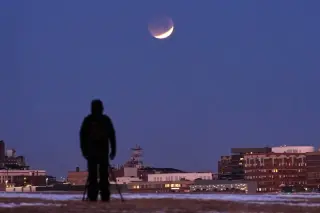
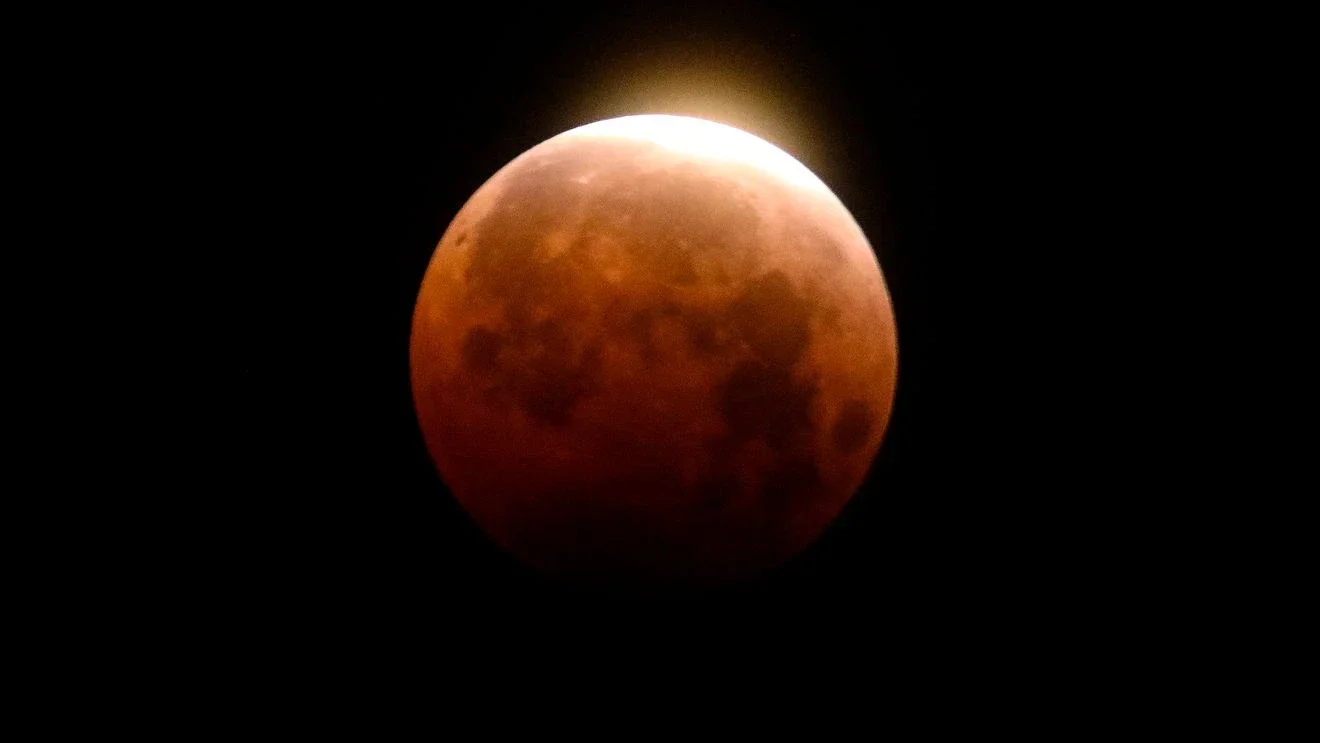
A 96% partial lunar eclipse will be visible across the Americas Thursday night into Friday, lasting about 5.5 hours with peak just after midnight EDT. The event follows a recent total solar eclipse and will be the best U.S. viewing window until 2029, with observers on Earth and astronauts aboard the ISS able to witness the shadow reddening the Moon.
A partial lunar eclipse of magnitude 0.93 will be visible across Europe, Africa, the Americas and western Asia on August 28; at maximum, about 93% of the Moon’s diameter will be in Earth’s umbra, with no eye protection needed. Viewability varies by location and weather, and moonset timing may affect how long the eclipse can be seen.
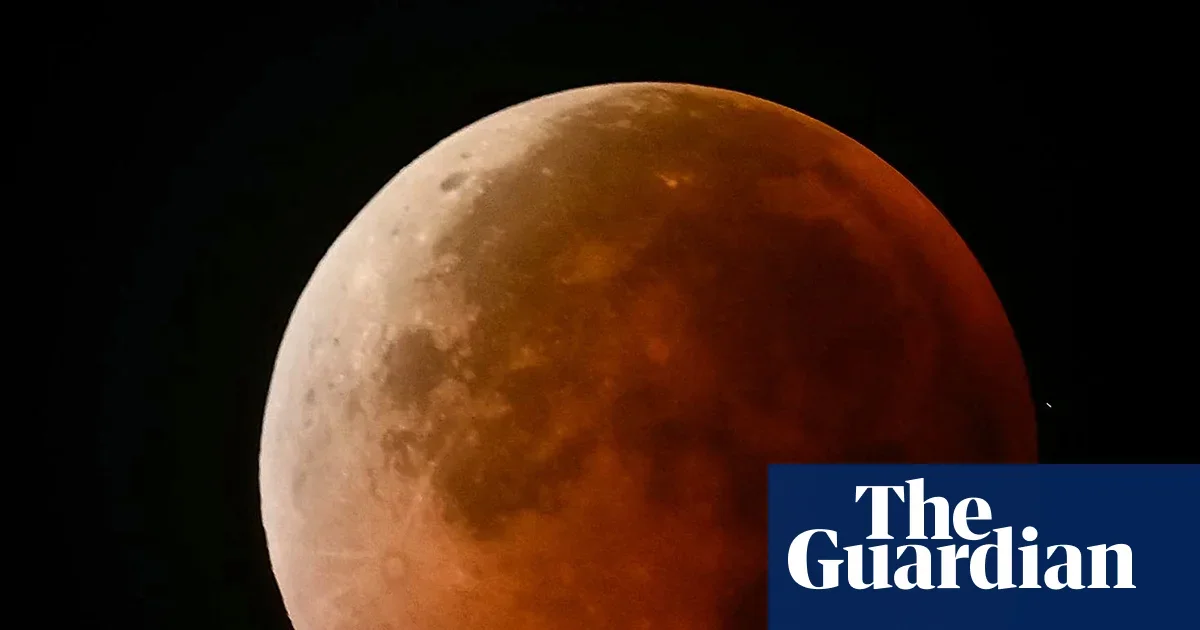
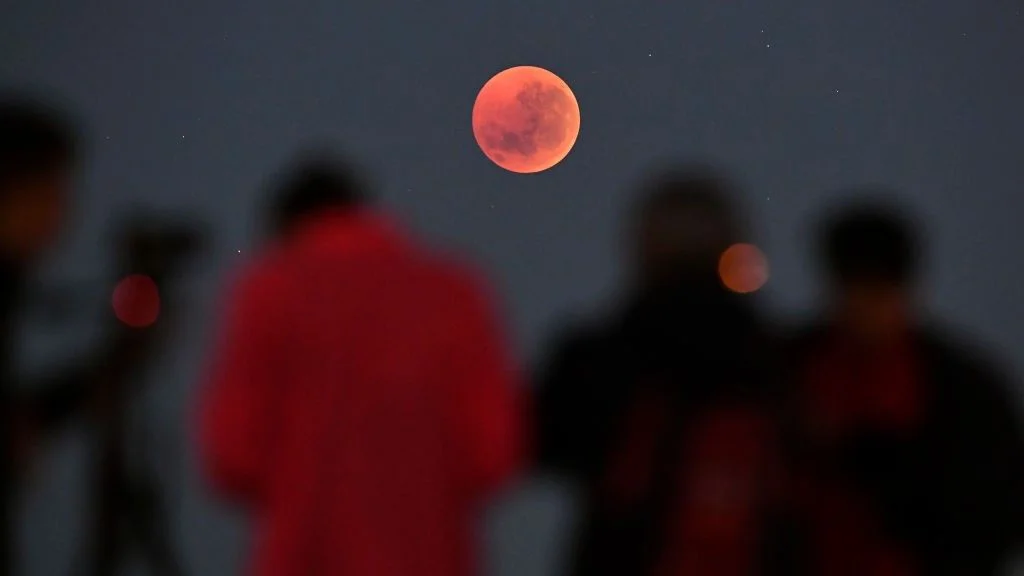
A near-total lunar eclipse will be visible mainly from the Americas on March 3, 2026, turning the Moon coppery as it passes through Earth’s shadow; clear skies across North and South America should provide a striking view of the event.
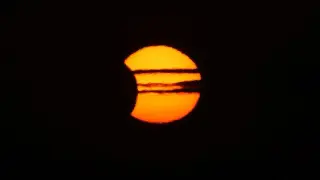
A partial solar eclipse on Aug. 12 will be visible across 26 U.S. states and Washington, D.C., with Alaska receiving the most coverage (over 20%). Totality will only be seen in parts of Greenland, Iceland, Portugal, Russia, and Spain, while Europe and northwestern Africa will see at most a partial event. Viewers should use proper eye protection (solar eclipse glasses) or safe viewing methods like pinhole projectors, as looking at the Sun through lenses or filters without a solar filter can cause eye injury. Viewing times vary by location, and NASA/Time and Date provide the full list of eligible areas and times.
Ariana Grande says she will step back from public visibility after her tour ends, a long-planned move prompted by ongoing scrutiny, and will withdraw from a London production; she frames it as setting boundaries and not impulsive, stressing that nothing will distort her reality or the love shared with fans, with a London O2 residency starting August.
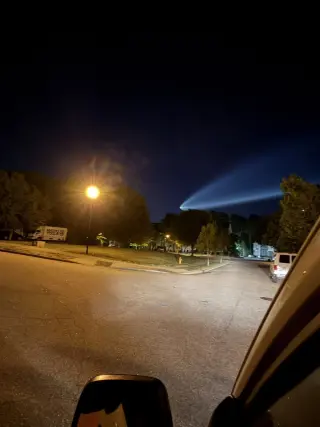
SpaceX is set to launch a rocket with a window opening at 5:05 a.m. Thursday, which could be visible from central and eastern North Carolina as a vapor trail in the eastern sky, depending on timing; sunrise is at 6:07 a.m., so the opportunity may fade as dawn approaches. Residents are encouraged to share photos if they spot the launch.
Astronomers predict the near‑Earth asteroid 99942 Apophis will pass by Earth on April 13, 2029, and be visible to the naked eye for about seven hours as it travels from Australia to the North Atlantic; at closest approach it will be roughly 19,700 miles above Earth and should be brightest near Cameroon. NASA says there is no impact risk for 2029 or the next century, making this a safe, rare opportunity to study how Earth's gravity affects an asteroid—potentially triggering landslides or exposing pristine material, though the exact outcome is unknown. Visibility depends on weather and light pollution, but estimates suggest billions could see it in principle.
Forecasters warn of a severe geomagnetic event that could spark a vivid Northern Lights display across 23 states on Thursday and Friday as solar wind reaches Earth; clear skies may allow the aurora to be visible well into the central and eastern U.S., not just the far north.
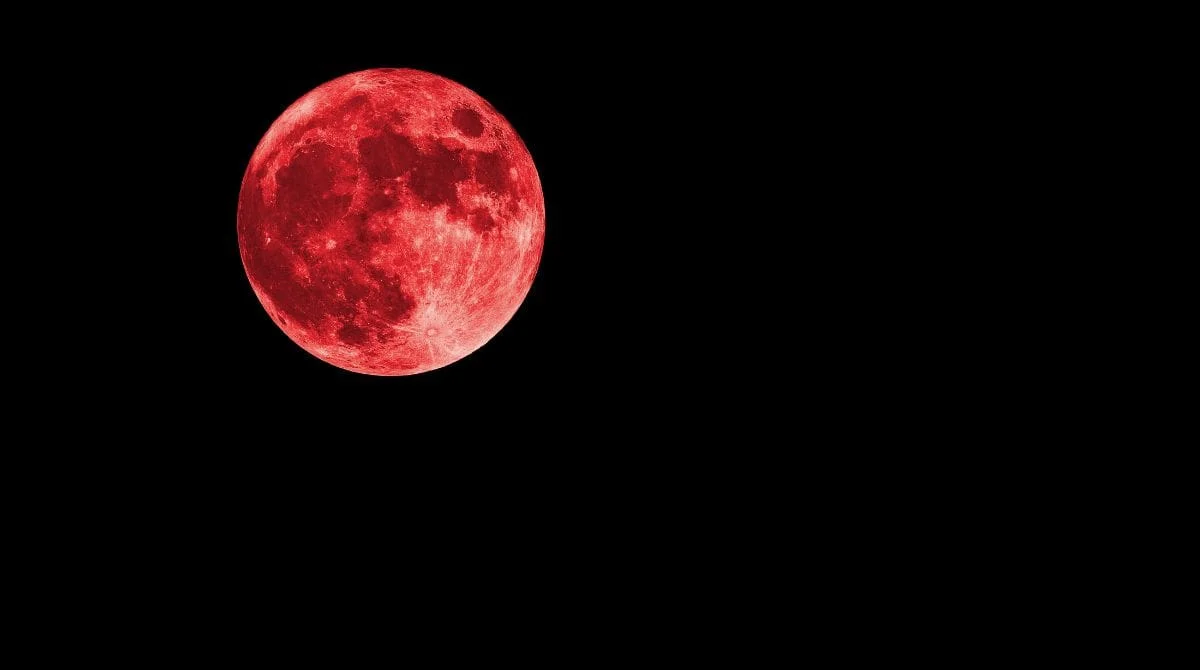
A total lunar eclipse, known as a blood moon, will light up the skies over North America, Australia and New Zealand on Tuesday as Earth's shadow reddens the Moon; viewing times vary by city with dark-sky locations offering the best view, and Jupiter will also be visible nearby. The next total lunar eclipse isn’t until late 2028/2029, and while ancient cultures once read the red Moon as an omen, today it’s celebrated as a striking astronomical event.
A total lunar eclipse, known as a Blood Moon, will be visible across North America on March 3, 2026, with about 58 minutes of totality as Earth’s shadow reddens the Moon. The penumbral phase starts 12:44 a.m. PST and the event ends around 6:23 a.m. PST; visibility across California depends on weather. The viewing is safe with the naked eye. Griffith Observatory will livestream from 12:37 a.m.–6:25 a.m. PST, and timeanddate.com will offer a YouTube livestream starting at 12:44 a.m. PST. NASA notes this is the first total lunar eclipse visible in the Americas since March 2025, and the next North American total lunar eclipse won’t occur until June 26, 2029.
On March 3, a total lunar eclipse—often called a Blood Moon—will be visible across the United States in the early morning, with totality peaking between 6:04 and 7:03 a.m. ET. The eclipse runs from 3:44 a.m. to 9:23 a.m. ET, and the Moon will appear copper-red during totality. The event is viewable with the naked eye, with binoculars or a telescope enhancing detail; best viewing is where the Moon is higher in the sky, particularly in the western U.S.
Space.com reports that the March 3, 2026 total lunar eclipse will turn the Moon copper-red (the “blood moon”) and be visible across the night side of Earth, with the best views from western North America, Australia and the Pacific. Totality lasts 58 minutes, from 6:04 to 7:02 a.m. EST, with local times varying by zone; check TimeandDate for your location. Watching is safe with the naked eye.
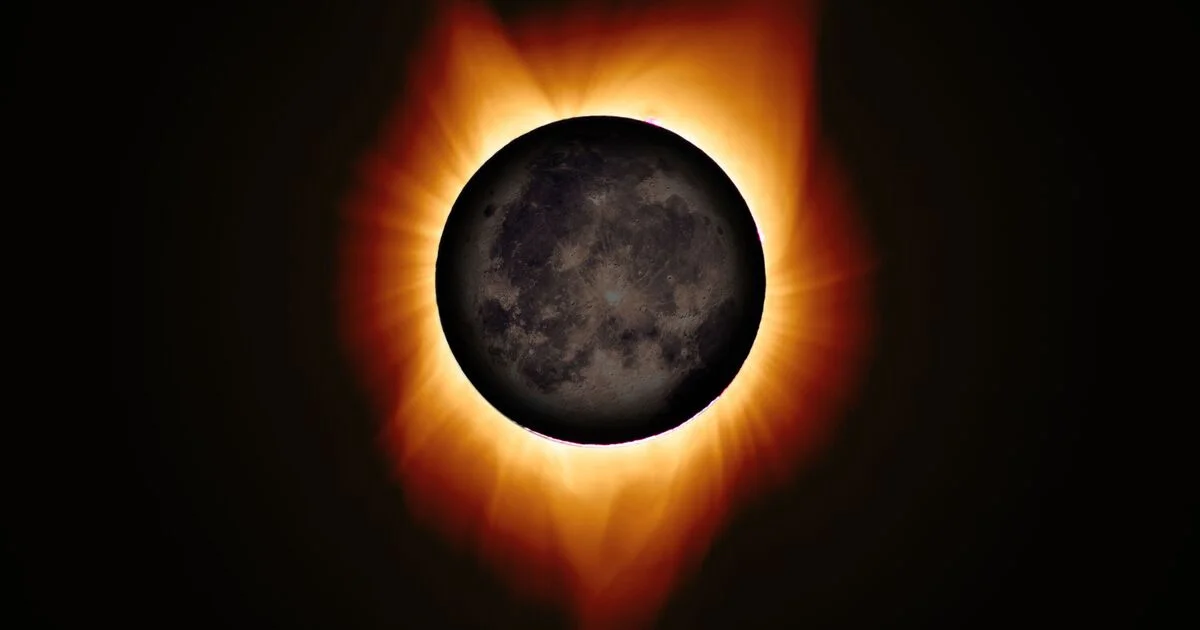
The year’s first solar eclipse is an annular “ring of fire” visible only from 13 locations along a narrow path that starts over western Antarctica and sweeps across the Davis Sea coastline and the Southern Ocean on Feb 17 at about 7:10am; the UK isn’t in the path, Antarctica watchers will see the full eclipse while other locations may witness partial views, and a lunar eclipse follows on March 3–4.
In Milan's Santagiulia Arena, banners and boards will be replaced with a lighter color after players and NHL officials flagged that the darker green surfaces hinder visibility of the black puck. The change is expected before the men’s Olympic qualification round, with arena staff starting the removal after a women’s semifinal. U.S. goalie Jeremy Swayman highlighted visibility challenges in the Denmark game, prompting broader discussions about color schemes at Olympic venues.