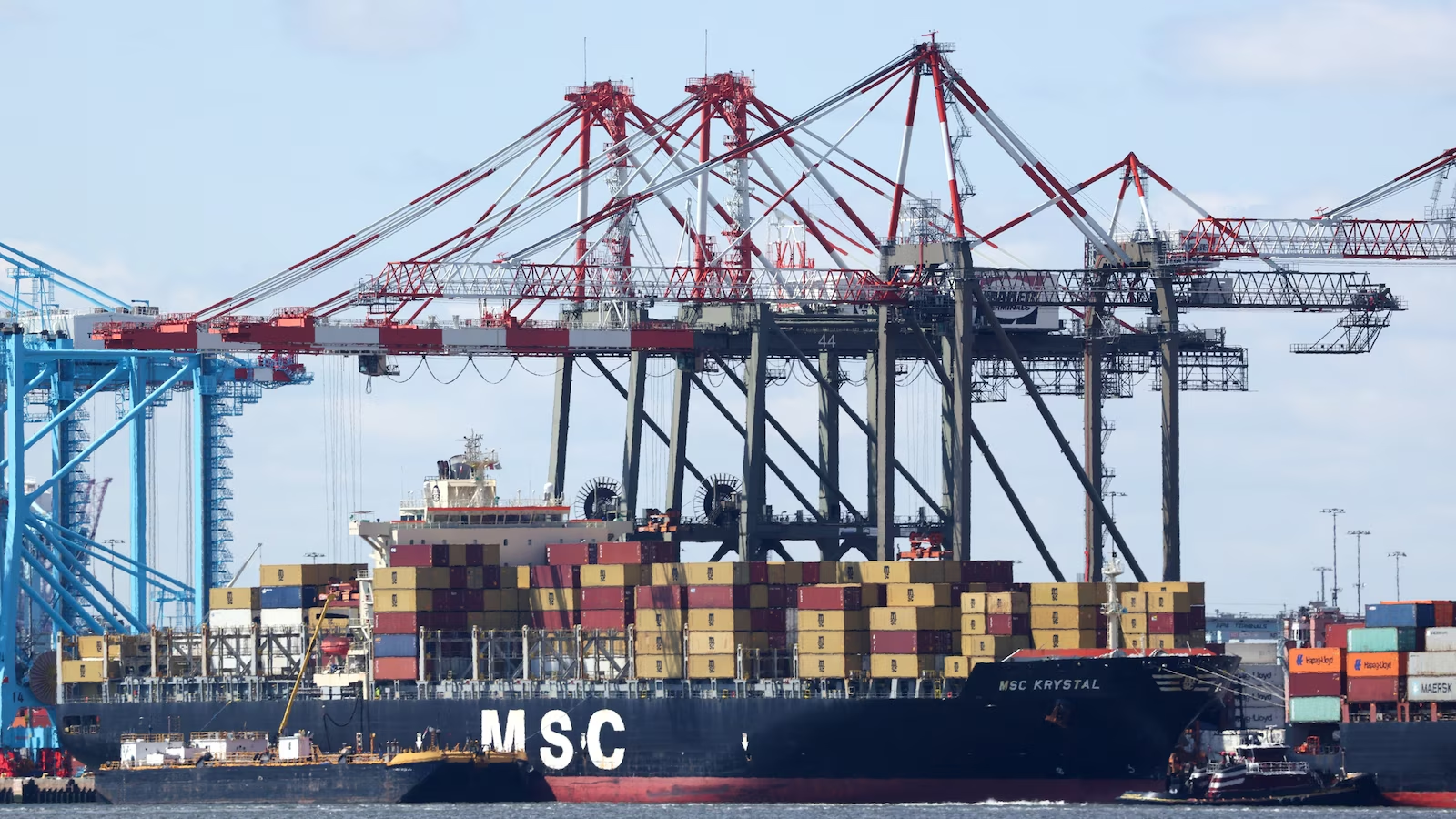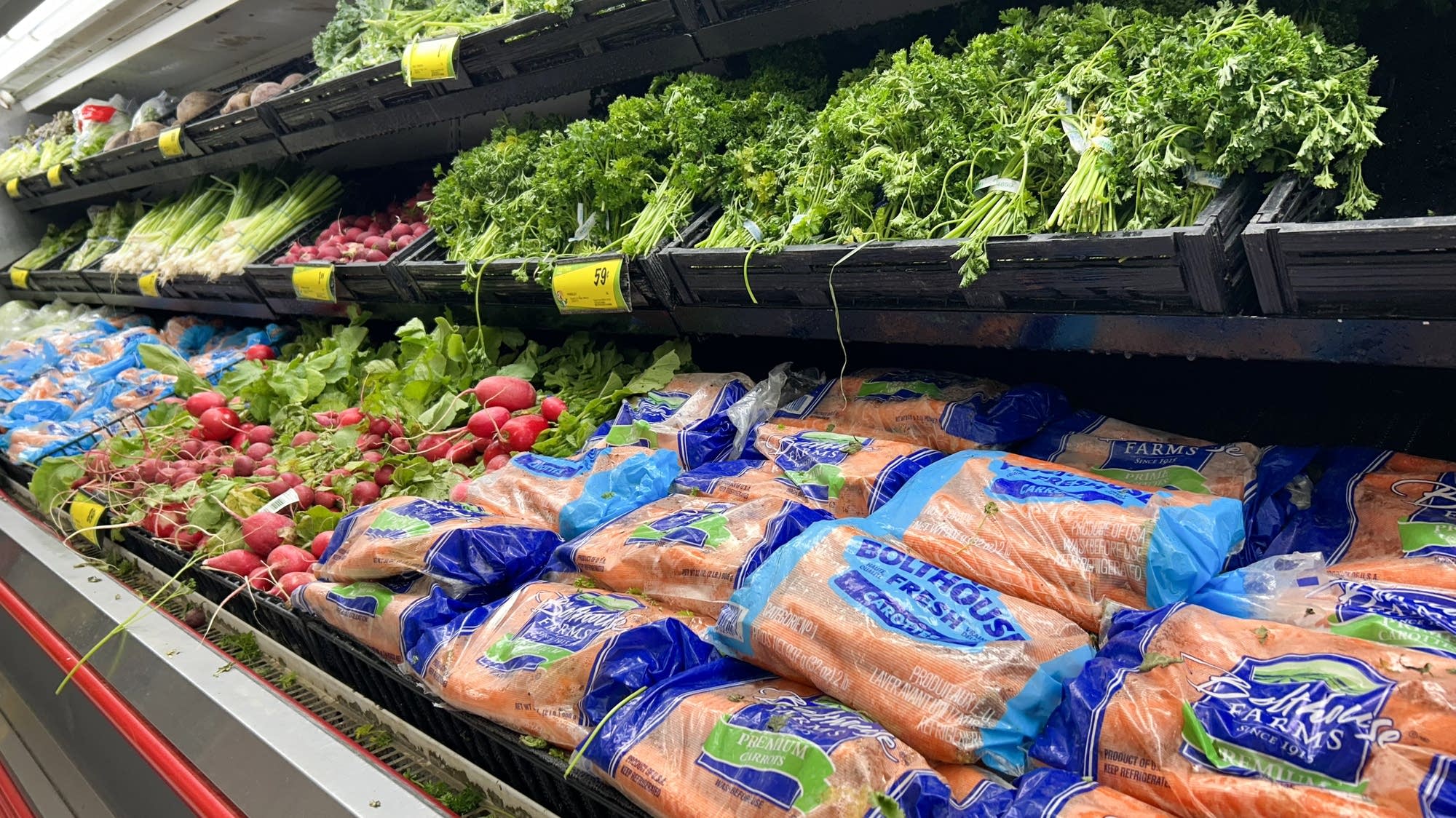
Wholesale prices surge 3.4% as Iran tensions push energy costs
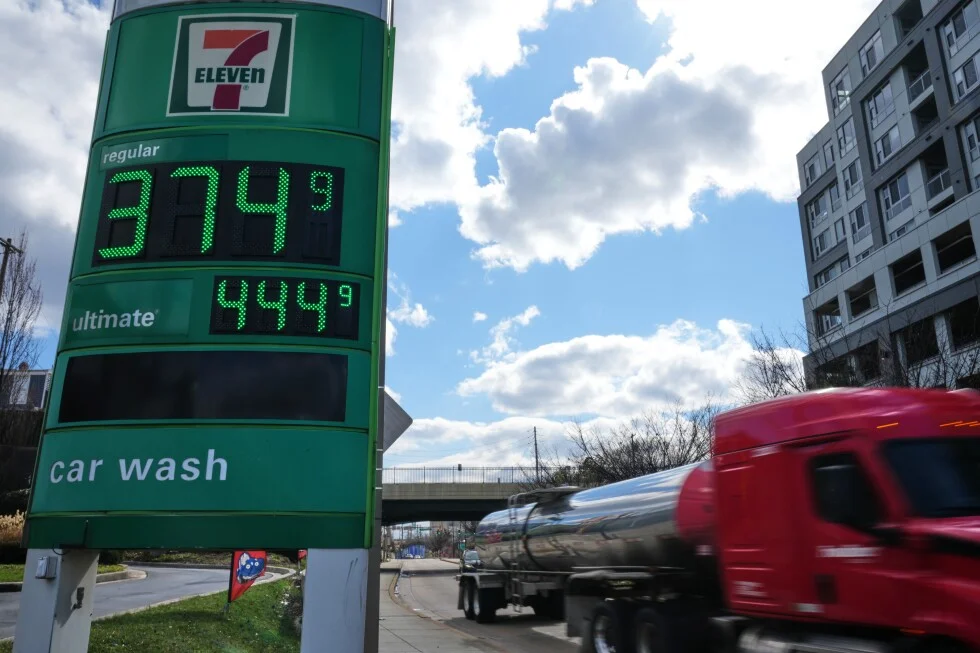
U.S. wholesale prices rose 3.4% in the latest month—the fastest monthly gain in a year—driven by higher energy costs as tensions around Iran push crude and gasoline prices higher.
All articles tagged with #wholesale prices

U.S. wholesale prices rose 3.4% in the latest month—the fastest monthly gain in a year—driven by higher energy costs as tensions around Iran push crude and gasoline prices higher.

U.S. wholesale prices increased 0.5% in January from December and were up 2.9% from a year earlier, signaling persistent inflationary pressure as producer costs climb.

U.S. wholesale prices rose 0.5% in January, nudging the annual Producer Price Index down to 2.9% but signaling tariff-driven costs could spill into consumer prices. The core PPI jumped 0.8% (3.6% year over year), led by a surge in trade services and price pressures in goods like apparel, chemicals, and electronics. Economists warn that tariff pass-throughs to retailers and consumers could keep inflation elevated, while markets fell on the inflation data amid expectations the Fed could pause rate cuts.

U.S. producer prices rose 0.5% in January, hotter than the 0.3% consensus and December’s revised gain, with the year-over-year PPI at 2.9% and core PPI up 0.8% MoM (3.6% YoY). The report shows persistent wholesale inflation, as final-demand services jumped 0.8% (led by trade services) while final-demand goods fell 0.3% (energy and food declines, with gasoline driving much of the drop). This could feed into consumer prices in coming months, even as CPI appeared cooler in January.

Wholesale prices jumped 0.5% in December, keeping the year-over-year wholesale inflation at 3% and signaling inflation will likely stay above the Fed’s 2% target into early 2026; core prices rose 0.4% for the month, leaving the 12-month core at 3.5%. With President Trump naming Kevin Warsh as his Fed chair pick, the central bank faces the challenge of cooling inflation while keeping policy rates steady.

US wholesale prices rose 0.2% in November, driven by higher energy costs, while the core PPI (excluding food and energy) was unchanged from October, signaling limited pass-through of higher costs. The data come as consumer inflation cools and investors await the Fed’s next policy move.

US wholesale inflation rose 0.2% in November, lifting the year-over-year Producer Price Index to about 3%. Energy costs helped push prices higher, while core PPI was flat for the month, keeping the 12‑month core rate near 3%. The report also showed margins in trade services slipping, suggesting higher costs are being absorbed rather than fully passed to consumers. Tariffs on imports are cited as a cost driver amid a softer labor market and slower wage growth, with some firms cutting prices to support affordability.

Used vehicle prices are expected to increase by 2% in 2026, marking a stable and modest rise after years of volatility, with factors like lower loan rates and increased tax refunds boosting demand, though prices remain higher than pre-pandemic levels.

Wholesale prices unexpectedly declined by 0.1% in August, providing the Federal Reserve with potential room to cut interest rates at its upcoming meeting, amid signs of easing inflation and a cautious economic outlook.

Wholesale vegetable prices in the U.S. surged by 38% in July, sparking debate over whether tariffs, weather, supply chain issues, or labor shortages are responsible. While some experts suggest tariffs may contribute, others point to weather and supply disruptions. Despite the wholesale increase, consumer vegetable prices remained stable in July, but a sustained rise could lead to higher grocery bills in the future, with potential increases exceeding 10%.

Wholesale vegetable prices have surged by nearly 39%, driven by factors such as market volatility, climate change, labor shortages, and tariffs on imports, which could lead to higher consumer prices in the coming months.

Wholesale vegetable prices in the U.S. surged to record levels in July, driven by tariffs and import issues, signaling potential increases in grocery store prices and inflation concerns for consumers.

US producer prices remained unchanged in June, with a decline in services costs offsetting a rise in goods prices, indicating cautious manufacturer pricing amid ongoing trade tariff impacts and mild inflation trends.

Recent data shows minimal inflation from tariffs, with wholesale prices rising only slightly in May, suggesting that trade tensions haven't yet caused significant price increases, which may influence the Federal Reserve's interest rate decisions.

Used vehicle prices decreased slightly in May from April but remain significantly higher than last year, driven by sustained demand and low inventory levels, despite some easing from recent highs caused by tariff-related buying surges.