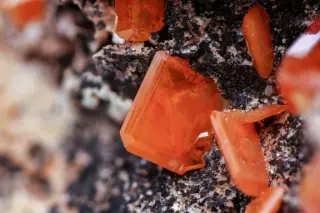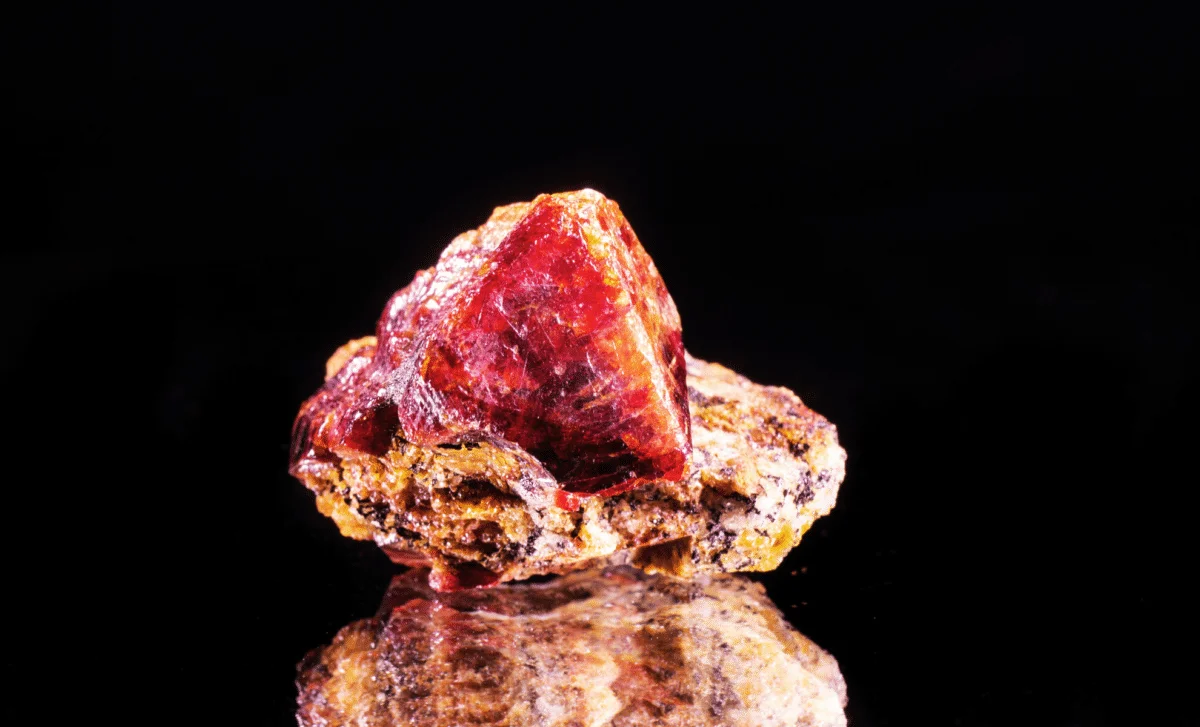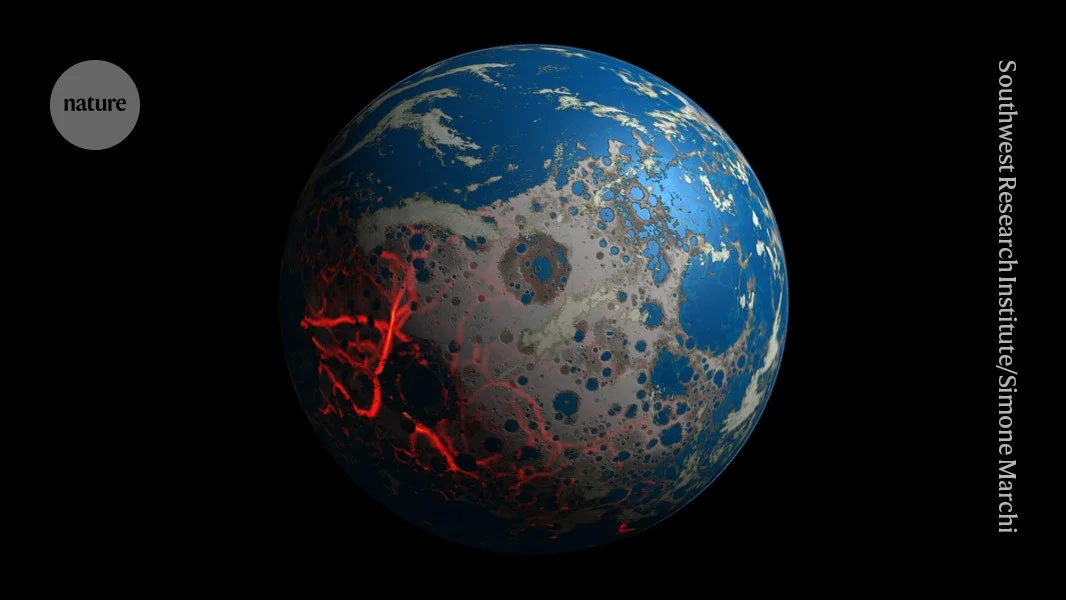
Using uranium-lead dating in ancient zircon crystals, scientists confirm Earth's age at about 4.54 billion years, with the oldest zircon from the Acasta Gneiss anchoring the planet’s early history.
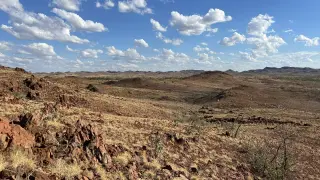
New analyses of 3.3‑billion‑year‑old zircon crystals from Jack Hills in Western Australia suggest Earth already hosted more atmospheric oxygen (and possibly more water) than previously thought, and that tectonic plates may have been moving by about 3.3 billion years ago—implying early Earth had geologic processes that recycle key chemicals and could support life, though the findings are debated and require further verification.
Tiny zircon grains in Australia’s coastal sands trap krypton produced by cosmic rays, providing a natural clock that lets scientists measure how long minerals stayed near the surface and reconstruct long-term landscape evolution, erosion patterns, and sediment storage—insights that could inform mineral exploration and our understanding of Earth's deep time.
Scientists read a “cosmic clock” in tiny zircon crystals to trace Australia’s ancient surface changes. By measuring cosmogenic krypton trapped in zircon from buried beach sands near the Nullarbor Plain, they estimate extremely slow erosion about 40 million years ago, revealing a long-stable landscape and explaining zircon-rich deposits. The approach provides a new long-term clock for Earth’s surface history and could illuminate landscape responses to major events like the rise of land plants, with implications for mineral wealth as well.
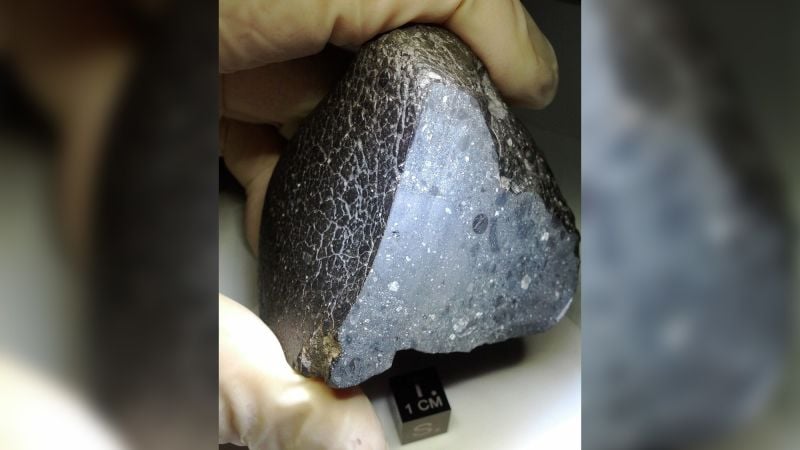
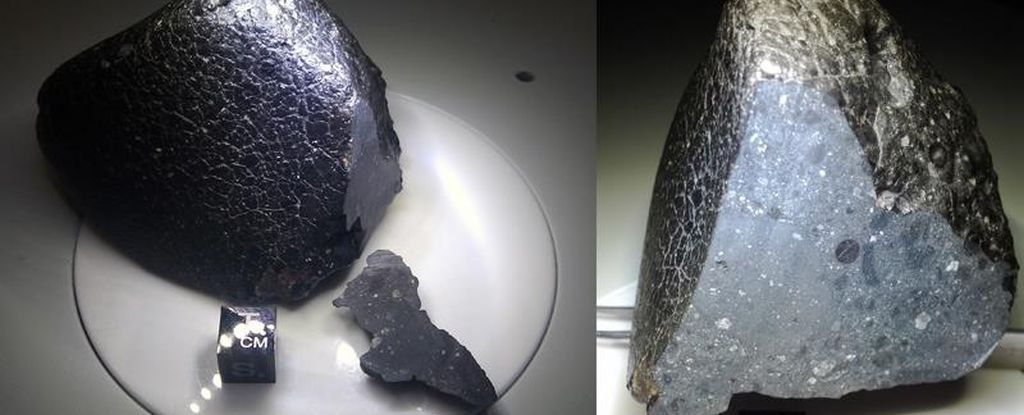
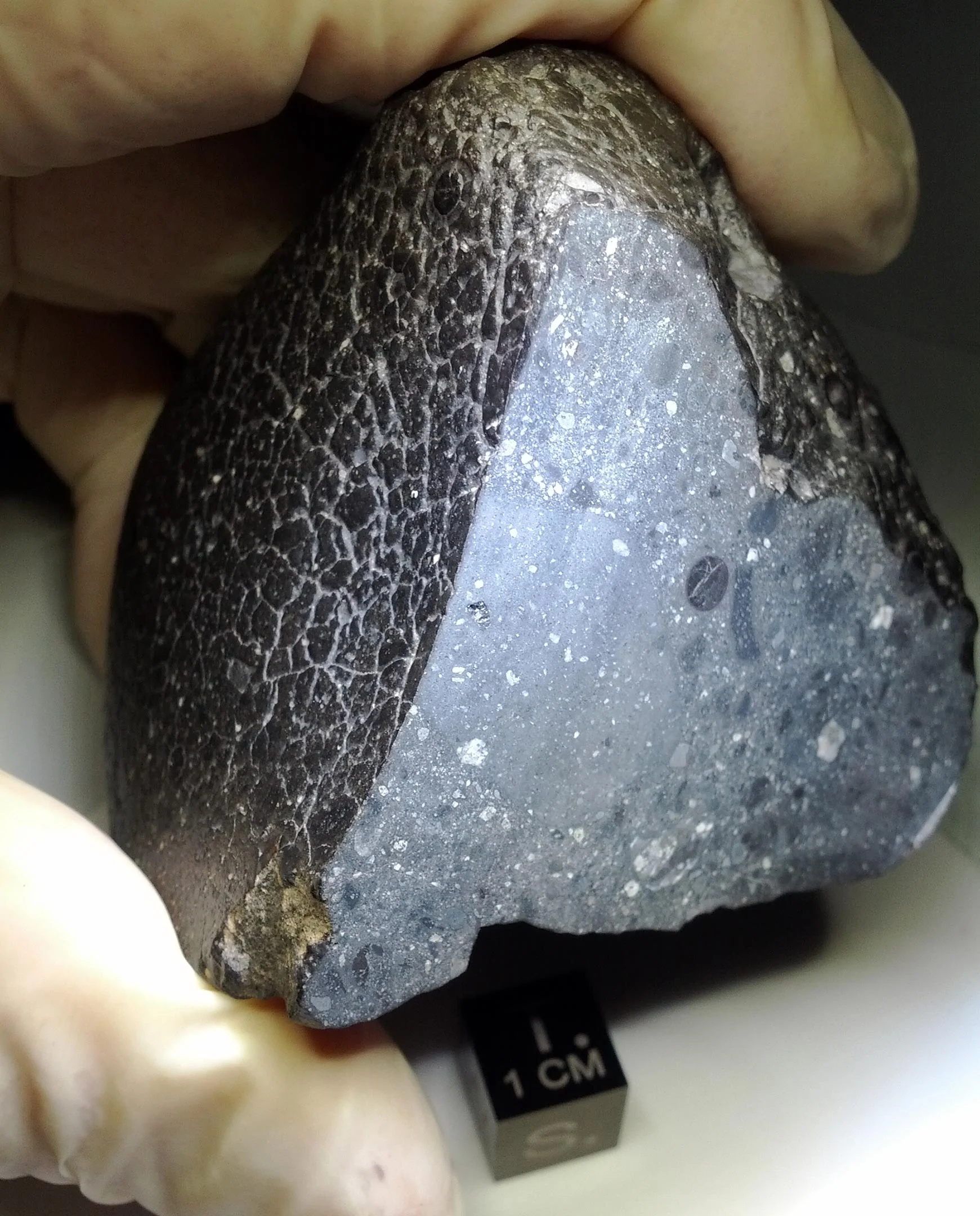
A Martian meteorite known as 'Black Beauty,' found in the Sahara Desert in 2011, has revealed traces of ancient water on Mars dating back 4.45 billion years. This discovery, based on the analysis of a zircon grain within the meteorite, suggests that Mars may have had environments capable of supporting life, such as hot springs, similar to those on early Earth. The findings provide new insights into Mars' potential habitability and its geological history, supporting the idea that water was present on Mars shortly after its formation.
Scientists have discovered the oldest evidence of water on Mars, dating back 4.45 billion years, through the analysis of a zircon grain in the Martian meteorite NWA 7034. This water was extremely hot, akin to hydrothermal vents, suggesting early Mars had conditions similar to early Earth, potentially supporting microbial life. The findings indicate that water was delivered to Mars in a manner similar to Earth, possibly through comets and asteroids, and highlight the planet's early wet and warm conditions.
Researchers have found evidence of ancient hot water activity on Mars through a 4.45 billion-year-old zircon grain in the Martian meteorite 'Black Beauty.' This discovery suggests that early Mars may have been habitable, with geochemical markers indicating the presence of water-rich fluids and hydrothermal systems. The study highlights the potential for life-supporting environments on Mars during its early history, despite massive meteorite impacts.
Researchers at Curtin University have discovered evidence of ancient hot springs on Mars, suggesting the planet may have had life-supporting environments 4.5 billion years ago. This conclusion comes from the analysis of a Martian meteorite containing zircon crystals, which revealed geochemical markers of water-rich fluids similar to Earth's hydrothermal systems. These findings enhance our understanding of Mars' potential to support life and its geological history.
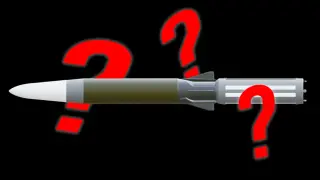
Ukraine claims that Russia used a new hypersonic Zircon missile in an attack last week, citing evidence from missile fragments analyzed by a government-run institute. The Russian authorities have not confirmed the use of the missile, and American officials are assessing the claim. However, experts caution that the debris might belong to another type of missile, as none of the warships from which the Zircon missile had previously been tested were operating in the Black Sea at the time of the attack. If confirmed, the use of the Zircon missile would pose a new challenge to Ukraine's air defenses.
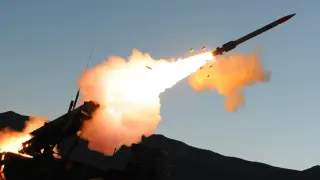
Ukraine claims to have evidence that Russia used an advanced hypersonic Zircon missile in a recent attack on Kyiv, which experts say is almost impossible to intercept due to its hypersonic speed and plasma cloud that makes it invisible to radars. The Zircon, if as fast as claimed, would be the fastest missile in the world. While the impact of the Zircon's use on the war is uncertain, it poses a significant challenge to Ukraine's air defense, which has struggled to intercept Russian missiles in the past. The scale of Russia's production and deployment of the Zircon remains a key consideration.
A new study based on lunar samples collected in 1972 suggests that the moon is approximately 40 million years older than previously believed, with an estimated formation date of about 4.46 billion years ago. Researchers from the Field Museum of Natural History in Chicago used atom probe tomography to examine small crystals containing the mineral zircon, which formed when the lunar surface cooled after a massive collision between Earth and a Mars-sized object. The findings provide valuable insights into the moon's formation and its impact on Earth's habitability.
Russia is equipping its new Yasen-M submarines with hypersonic Zircon missiles, which President Vladimir Putin has praised as "unmatched." The Yasen-M submarines, considered the crown jewel of the Russian Navy, are nuclear cruise missile submarines known for their speed and stealth. The submarines can carry Russia's sea-launched Kalibr cruise missiles and the new Zircon hypersonic missile, which Putin claims can travel up to nine times the speed of sound. Russia's investment in its underwater military capabilities has resulted in a submarine fleet that surpasses its surface vessels.
Russia is equipping its new nuclear submarines, specifically the Yasen-class submarines, with hypersonic Zircon missiles as part of its modernization efforts. The Zircon missiles have a range of 900 km and can travel at several times the speed of sound, making them difficult to defend against. President Vladimir Putin has previously announced plans for mass supplies of Zircon missiles to boost Russia's nuclear forces.
Russia is equipping its new nuclear submarines, specifically the Yasen-M project, with hypersonic Zircon missiles as part of its military modernization efforts. The Zircon missiles have a range of 900 km and can travel at several times the speed of sound, making them difficult to defend against. President Vladimir Putin has previously announced plans for mass supplies of Zircon missiles to boost Russia's nuclear forces.