Tag

Antares

All articles tagged with #antares

First TRISO-based small modular reactor reaches criticality in test
science2 months ago

First TRISO-based small modular reactor reaches criticality in test

Antares' Mark 0 small modular reactor, based on TRISO fuel, reached criticality at Idaho National Laboratory—the first new nuclear design to do so under a DOE push to accelerate development. The test is non-power-generating and aims to validate physics and safety data for licensing; full power generation is expected next year, with DoD’s Project Pele and NASA backing the effort.


May’s Blue Moon Lights Up the Night Sky (Second Full Moon of the Month)
space2 months ago

May’s Blue Moon Lights Up the Night Sky (Second Full Moon of the Month)

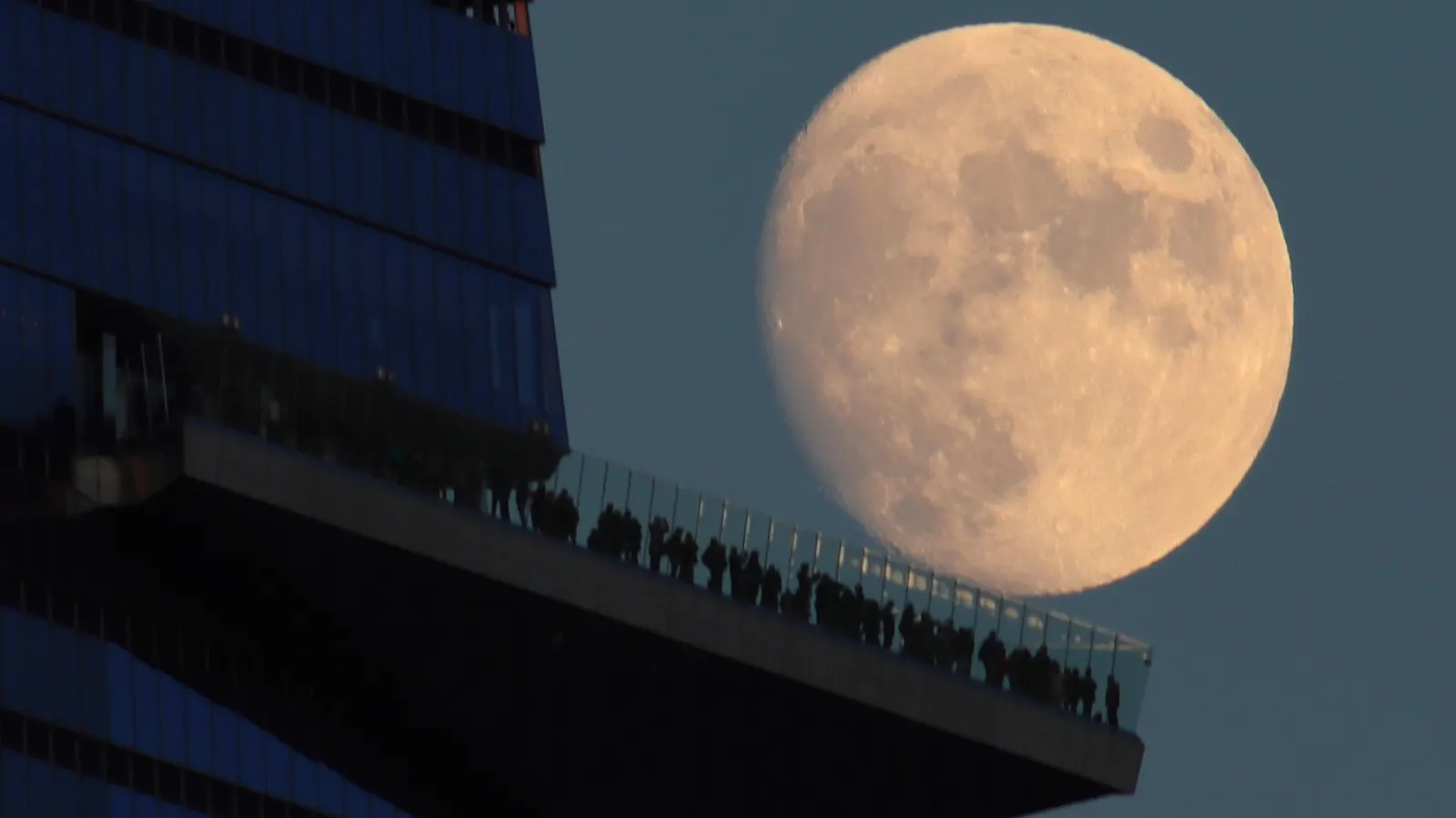
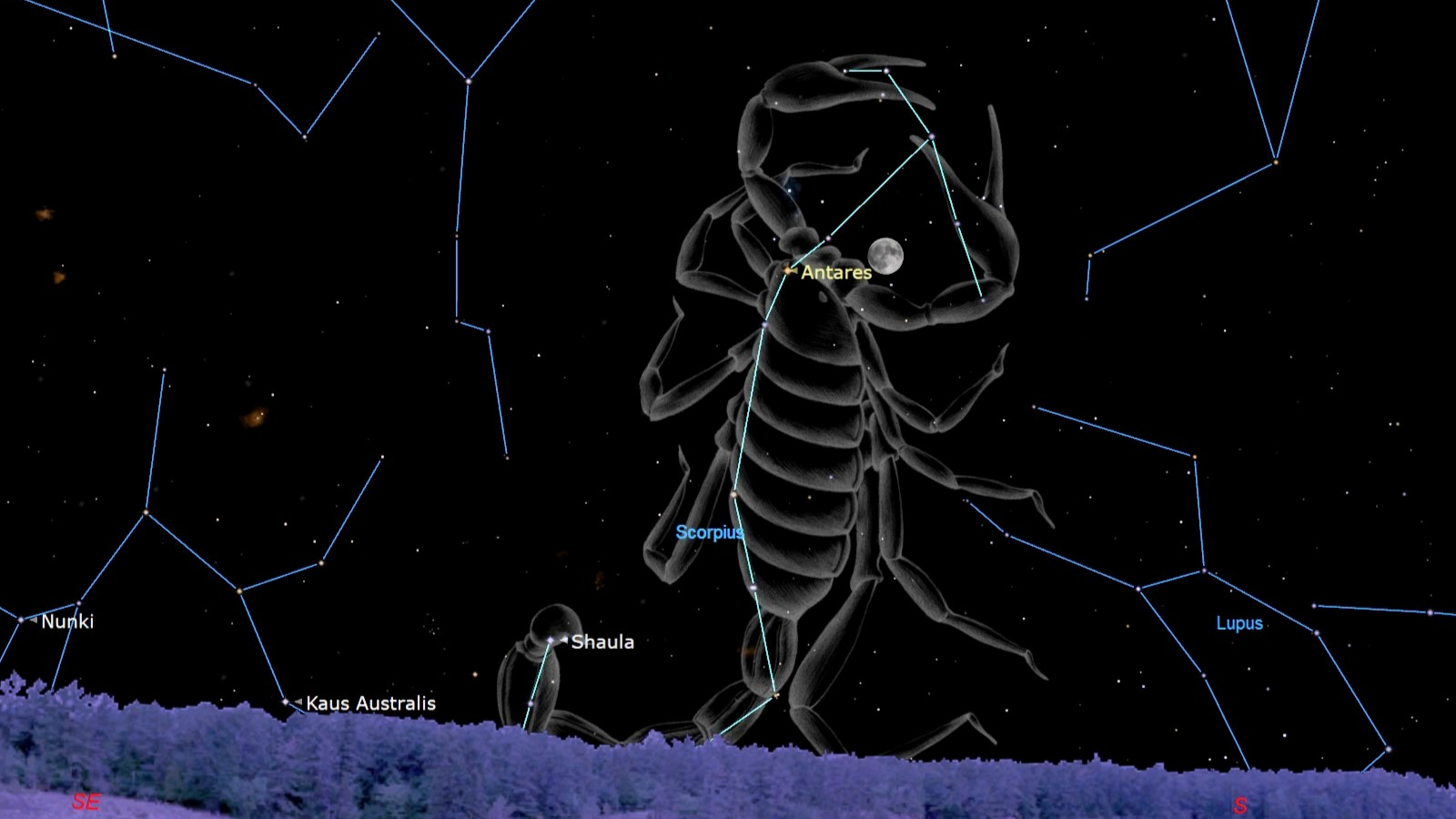
Space.com reports that the May Blue Moon—the second full Moon in May—will peak around 4:45 a.m. EDT on May 31. In the U.S., the Moon will first rise around sunset on May 30, with Antares the red star nearby and Jupiter, Venus, and Mercury lined up above the western horizon at sunset. A “Blue Moon” here simply means the second full Moon in a calendar month, not a color change; the article also notes additional context about Moon photography and viewing tips.

Weekend blue micromoon: a distant, dimmer full moon won't return until 2028
space2 months ago

Weekend blue micromoon: a distant, dimmer full moon won't return until 2028

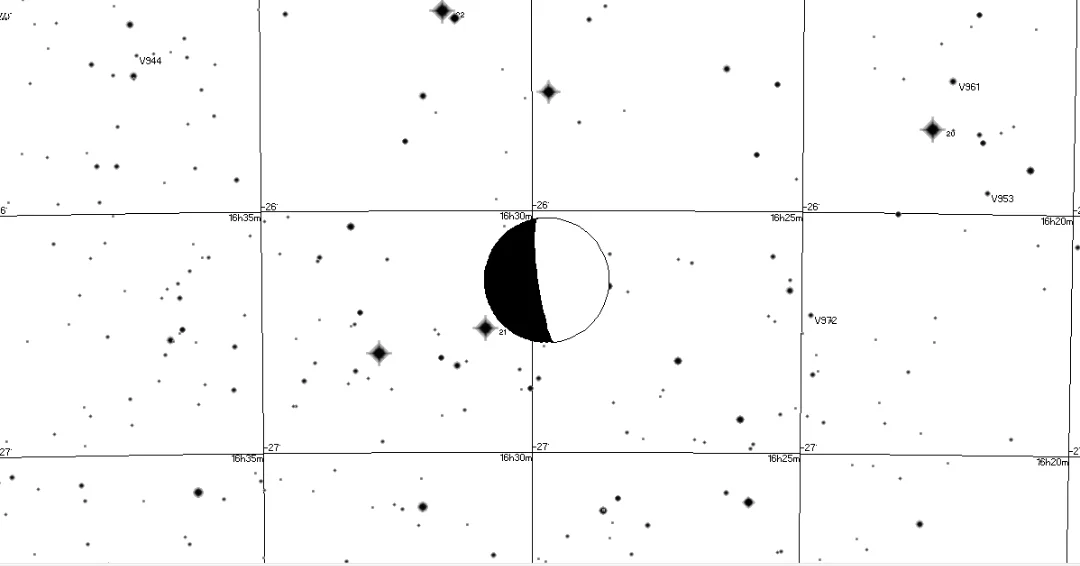
A rare blue micromoon will appear this weekend as the second full moon of May (a blue moon) and the most distant, smallest-looking full moon of the year. It will be about 6% smaller and 10% dimmer than a typical full moon due to its distance of roughly 252,360 miles, so the effect may be subtle. The next blue moon won’t occur until December 31, 2028. In the Northern Hemisphere it will appear near Antares in the Scorpius constellation, with the Southern Hemisphere potentially seeing Antares briefly disappear behind the Moon. The Virtual Telescope Project will stream live images of the event.

Antares and Crescent Moon Shine Together at Sunset on Sept. 27
science11 months ago

Antares and Crescent Moon Shine Together at Sunset on Sept. 27

On September 27, the crescent moon will pass close to the bright star Antares, with a rare occultation visible from parts of Antarctica and remote islands, offering a unique skywatching event. Antares, a red supergiant star about 604 light-years away, will be near a 33% illuminated crescent moon, providing an excellent opportunity for observers to view the star and lunar features with binoculars.

Moon Ride Near Antares on August 30
science1 year ago

Moon Ride Near Antares on August 30

The half-lit moon will pass near the bright red star Antares in Scorpius on August 30-31, with the moon reaching its first quarter phase on August 31, offering a great opportunity for skywatchers to observe this celestial event and the moon's shifting position relative to Antares before the upcoming full moon and lunar eclipse in September.

"Catch May's Full Flower Moon Tonight Near a Red Supergiant Star"
science-and-space2 years ago

"Catch May's Full Flower Moon Tonight Near a Red Supergiant Star"

The Flower Moon will rise near the red supergiant star Antares on Thursday night, peaking 50 minutes after sunset. Antares, located 600 light-years away, is nearing the end of its life and will eventually explode as a supernova. The moon will appear full at 9:35am and be visible in the east by 8:35pm ET. This celestial event coincides with the blooming of flowers in May and has historical significance for the Osage Nation.

Celestial Event: Moon's Encounter with Vanishing Star
astronomy3 years ago

Celestial Event: Moon's Encounter with Vanishing Star

On August 24, residents of Ohio will have the opportunity to witness a rare celestial event as Earth's moon covers the bright star Antares for about an hour. This phenomenon, which hasn't occurred since 2009, will be visible to the naked eye but can be enhanced with binoculars or a telescope. Northeast Ohio Astronomer Jay Reynolds advises looking to the southwest around 10:35 p.m. to observe the moon and Antares, which will slowly disappear around 10:39 p.m. due to the moon's movement.

Space News Roundup: July 31 - August 6
space3 years ago

Space News Roundup: July 31 - August 6

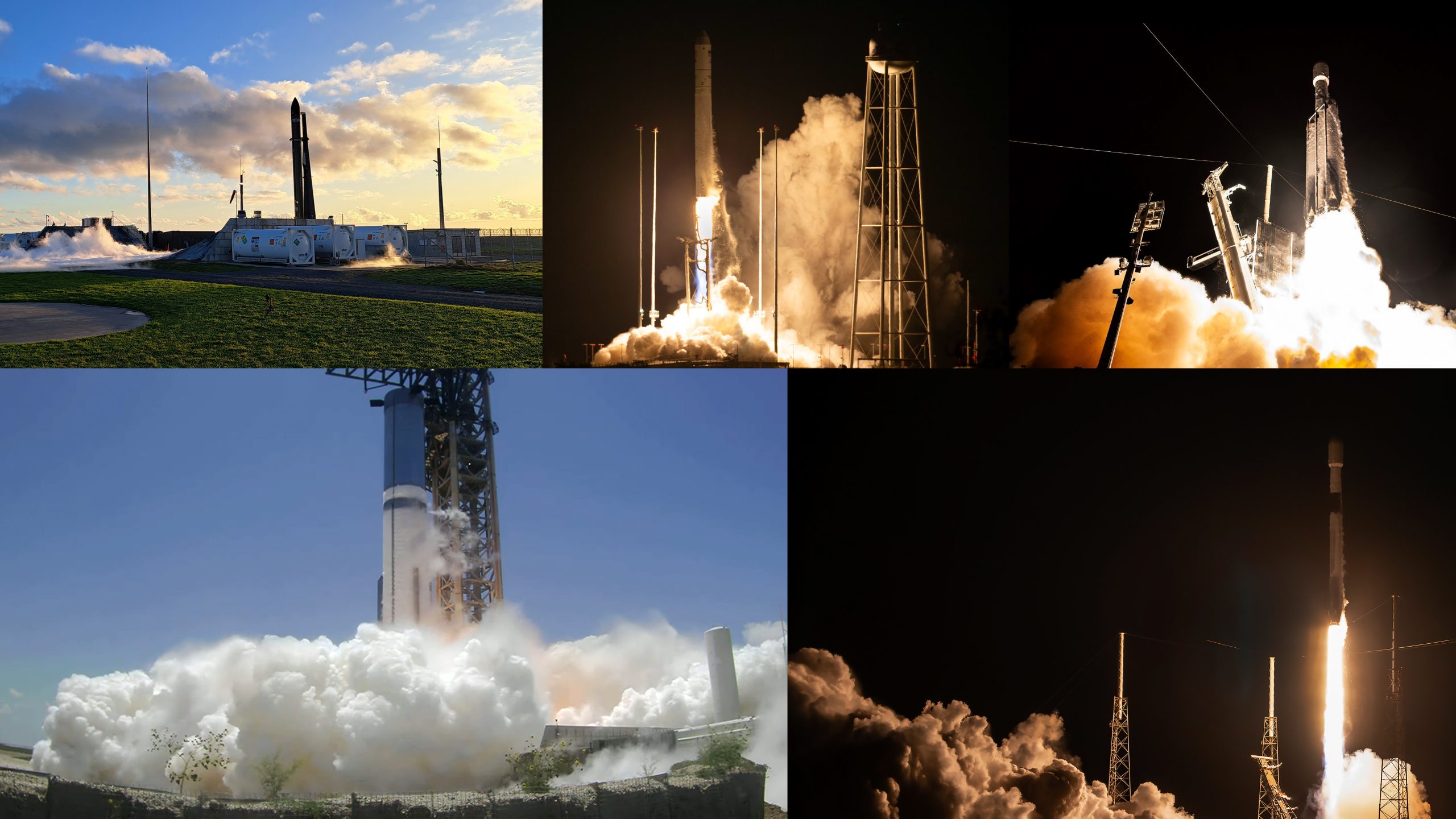
The weekly space recap from July 31 to August 6 highlighted various developments, including the successful launch of Falcon Heavy, which deployed a 9,200-kg communications satellite to geostationary transfer orbit, and the last launch of Antares, which sent the S.S. Laurel Clark Cygnus resupply spacecraft to the International Space Station. Rocket Lab faced issues with their launch attempts due to technical problems, while Falcon 9 successfully launched the Intelsat satellite. NASA awarded Axiom an ISS visit, and the Crew 7 launch was delayed. SpaceX also conducted a static fire test of Booster 9.

Rocket Partnerships Fizzle: Russia and Ukraine's Collaboration Comes to an End
space3 years ago

Rocket Partnerships Fizzle: Russia and Ukraine's Collaboration Comes to an End

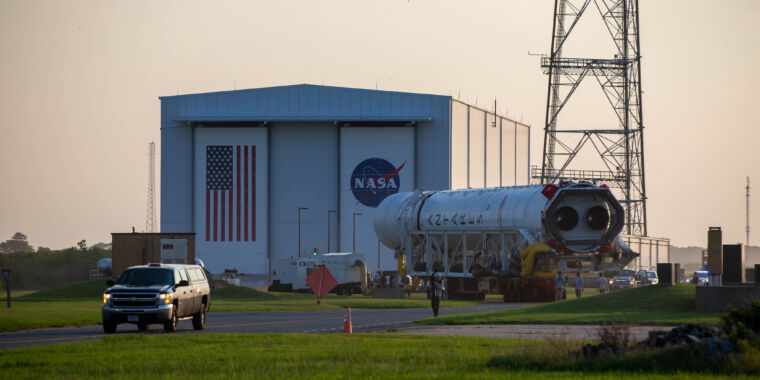
Northrop Grumman's Antares rocket, which has been using Russian and Ukrainian components for its resupply missions to the International Space Station since 2013, will launch for the last time with these components this week. Northrop Grumman has partnered with Firefly Aerospace to develop a new US-built first stage, replacing the Ukrainian booster. Sanctions and the conflict between Russia and Ukraine have severed most ties between Western companies and Russian industry, leading to the need for a new rocket configuration. The new Antares 330 rocket, expected to launch in mid-2025, will have increased payload capacity and aims to compete with other medium to large rockets in the market.

Get ready for the Full Strawberry Moon and 4 Supermoons in June 2023.
space3 years ago

Get ready for the Full Strawberry Moon and 4 Supermoons in June 2023.

The full moon in June, also known as the strawberry moon, will appear on either Saturday or Sunday depending on the location. The name comes from Native American Algonquin tribes and marks the ripening of strawberries in June. The strawberry moon will appear lower in the sky in the Northern Hemisphere, giving off a warmer light and appearing more yellow or orange. The Antares bright star will also appear a few degrees to the right of the moon. The best time to see the full moon will be just before midnight on Saturday EDT.