Tag

Dietary Impact

All articles tagged with #dietary impact

Gut Microbiome Axes Link Lifestyle Choices to 15 Chronic Diseases
health20 days ago

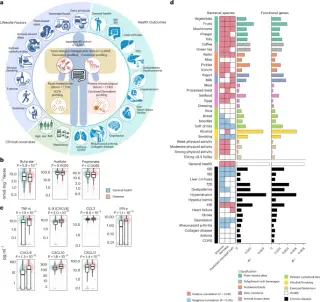
Gut Microbiome Axes Link Lifestyle Choices to 15 Chronic Diseases

A large-scale study of 6,803 Japanese adults reveals that the gut microbiome acts as a key mediator between lifestyle factors and health outcomes. Researchers identified two opposing microbial axes: one linked to plant-based diets and health, and another tied to refined carbohydrates and disease risk. These findings, validated across international cohorts, suggest microbiome-based scores can predict disease risk and guide lifestyle interventions.

Brief High-Fat Diet Exposure at Disease Onset Creates Long-Lasting Inflammatory Memory
health-and-science26 days ago

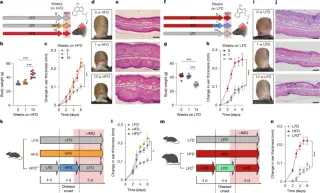
Brief High-Fat Diet Exposure at Disease Onset Creates Long-Lasting Inflammatory Memory

A new study reveals that consuming a high-fat diet for just four days during the onset of acute skin inflammation can permanently alter immune responses, leading to severe disease recurrence even after returning to a healthy diet. This 'inflammatory memory' is driven by neutrophils and specific T-cells, suggesting that brief dietary choices at critical moments may have lasting health consequences.

Gastroenterologists Detail Specific Stool Changes That Signal Urgent Medical Needs
health1 month ago

Gastroenterologists Detail Specific Stool Changes That Signal Urgent Medical Needs

Medical experts advise that specific changes in stool color, consistency, and frequency can indicate serious underlying conditions. Black or tarry stools may signal upper GI bleeding, while bright red blood suggests hemorrhoids or rectal issues. Maroon stools often require emergency care due to potential colon bleeding. Pale, oily stools indicate fat malabsorption, risking vitamin deficiencies. Significant deviations from personal baseline, such as pencil-thin stools or persistent diarrhea, may point to inflammatory bowel disease or infections like giardia. Constipation starting after age 50 warrants immediate specialist evaluation to rule out obstructions or cancer.

Study Links Western Diets to Colon Cancer via Bacterial Production of Deoxycholic Acid
health3 months ago

Study Links Western Diets to Colon Cancer via Bacterial Production of Deoxycholic Acid

A new study published in Gut reveals that Western-style diets may promote colon cancer by encouraging specific gut bacteria to produce deoxycholic acid (DCA), a substance that stimulates abnormal cell growth. Researchers used genetically modified pigs, germ-free mice, and human stool samples to establish a causal link between high-fat diets, bacterial shifts, and tumor development. While the findings explain a long-standing association, they do not yet prove that bile acid-binding drugs can prevent cancer in humans.

USC Study Links Nutrient-Rich Meals to Memory Formation via Vagus Nerve
science3 months ago

USC Study Links Nutrient-Rich Meals to Memory Formation via Vagus Nerve

A new study in Nature Communications reveals that consuming nutrient-rich foods triggers signals via the vagus nerve that boost acetylcholine release in the hippocampus, enhancing memory formation. While nutritious meals strengthen this pathway, early-life exposure to high-fat, high-sugar diets can permanently weaken gut-brain communication, potentially linking poor diet to cognitive decline and Alzheimer’s risk.

New Insights: Coffee's Impact on Gut Microbiome Revealed
health1 year ago

New Insights: Coffee's Impact on Gut Microbiome Revealed

New research highlights a strong correlation between coffee consumption and gut microbiome composition, identifying 115 species-level genome bins associated with coffee intake, including Lawsonibacter asaccharolyticus, which thrives in coffee drinkers. This study suggests that compounds in both caffeinated and decaffeinated coffee, such as polyphenols, may influence gut bacteria. While the health implications of increased L. asaccharolyticus abundance remain unclear, the findings open avenues for further research into diet's impact on gut health and potential personalized nutrition strategies.

Key Enzymes Linked to Saturated Fat Toxicity in MS Uncovered
health2 years ago

Key Enzymes Linked to Saturated Fat Toxicity in MS Uncovered

A study has identified two enzymes, CERS5 and CERS6, that mediate the toxic effects of saturated fats in multiple sclerosis (MS), suggesting they could be targets for reducing neurodegeneration. The research, conducted in a mouse model, found that a high-fat diet, particularly rich in palm oil, worsens MS symptoms by increasing ceramide C16 levels, which damage nerve cells. Deleting these enzymes in mice reduced disease severity, highlighting the potential for dietary management and new treatment strategies for MS.