Tag

Heliophysics

All articles tagged with #heliophysics

Seventeen-Spacecraft Observation Reveals Two-Part Solar Eruption
space2 days ago

Seventeen-Spacecraft Observation Reveals Two-Part Solar Eruption

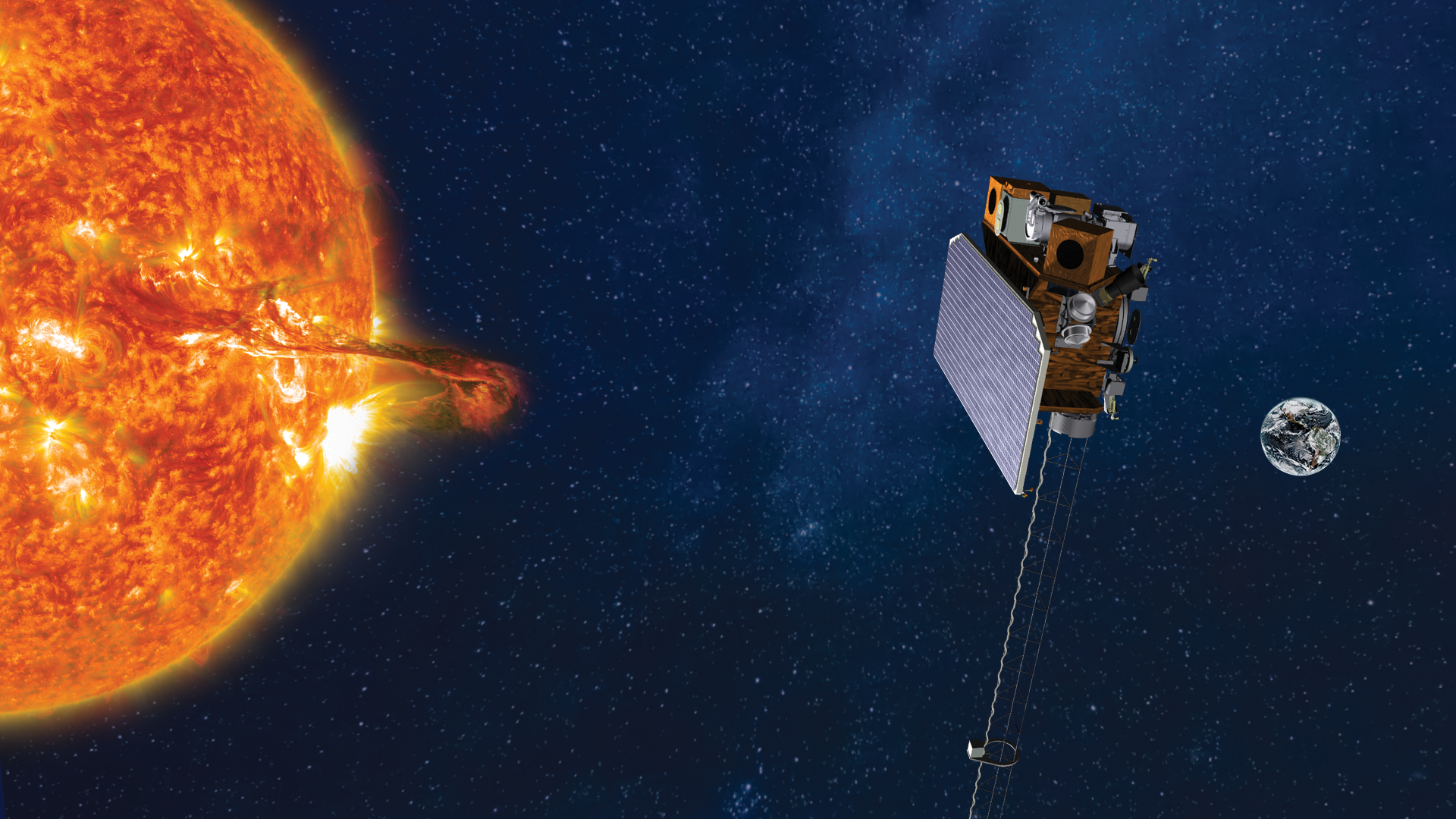
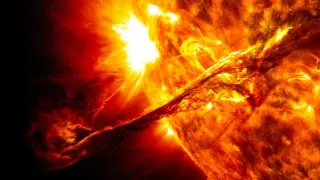
A December 2024 coronal mass ejection was tracked by a record 17 spacecraft spread across the solar system, showing the eruption consisted of two asymmetric lobes traveling at different speeds rather than a single front. This wide, off-axis coverage allowed scientists to reconstruct the CME’s two-dimensional shape and evolution, improving forecasts of how such solar storms propagate and boosting warning time for future crewed missions beyond Earth. Observations came from missions including SOHO, SDO, STEREO-A, MMS, ARTEMIS, Wind, ACE, GOES, DSCOVR, BepiColombo, MAVEN, Solar Orbiter, Europa Clipper, and others; the findings were published in Science Advances.
Hidden Edge of a Solar Eruption Unmasks Gaps in Space-Weather Forecasts
space6 days ago

Hidden Edge of a Solar Eruption Unmasks Gaps in Space-Weather Forecasts

NASA’s Europa Clipper detected an unusual, hotter-and-sparser solar wind during a routine instrument check, traced to a complex, irregular coronal mass ejection (CME) from the Sun. Using data from 17 spacecraft, scientists mapped the CME’s distorted shape and found a component headed toward Earth that wasn’t visible from Earth’s view, revealing a blind spot in space-weather forecasting. The finding underscores the need for out-of-ecliptic observations to better shield future crewed missions from solar radiation.

AI Hears Sunspots Ahead of Visible Formation: COFFIES Forecasts Solar Activity 12 Hours Early
space9 days ago

AI Hears Sunspots Ahead of Visible Formation: COFFIES Forecasts Solar Activity 12 Hours Early

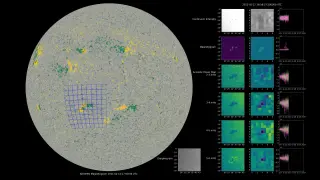
NASA’s COFFIES machine-learning model analyzes deep interior solar flows and surface magnetic and acoustic data to predict active sunspot regions up to about 12 hours before they visibly form, effectively letting scientists 'hear' sunspots. While the model is a black box, its predictions could help researchers better understand solar dynamics and provide early warning for geomagnetic storms, with NASA sharing related content via video channels.

Solar sails edge closer to interstellar travel, study finds
space-exploration2 months ago

Solar sails edge closer to interstellar travel, study finds

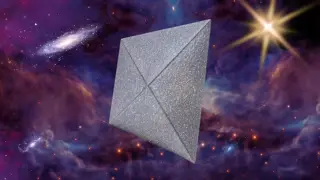
A Space.com piece explains how solar sails—ultra-thin membranes propelled by photon pressure—have progressed from lab tests (e.g., Ikaros, Lightsail 2) toward near-term heliophysics missions (like Solar Cruiser) and ambitious concepts (Svarog) that could push spacecraft to the edge of the solar system within 10–20 years. By sun-diving closer to the Sun, sails could gain immense speed, potentially reaching 5–50 AU per year depending on how close the dive, while major hurdles—heat resistance, large deployable booms, and power/communications—remain. Breakthrough Starshot’s laser-pushed approach remains on hold, so practical solar-sail missions are likely to come first for solar-storm monitoring and solar-polar studies before any interstellar-scale voyages.

NASA HEAT Unveils Heliosphere Coloring Book Blending Science, Art, and Indigenous Languages
science3 months ago

NASA HEAT Unveils Heliosphere Coloring Book Blending Science, Art, and Indigenous Languages

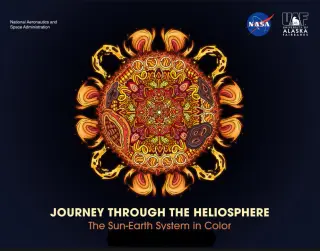
NASA and partners release Journey Through the Heliosphere: The Sun-Earth System in Color, a 28-page coloring book that makes heliophysics accessible through art for students and adults, includes Alaska Indigenous language terms with pronunciation guides, and aims to boost science literacy by blending culture, education, and solar science; available for download as a full resource or by section.

NASA Reveals Initial Findings from Solar Eclipse Experiments
science1 year ago

NASA Reveals Initial Findings from Solar Eclipse Experiments

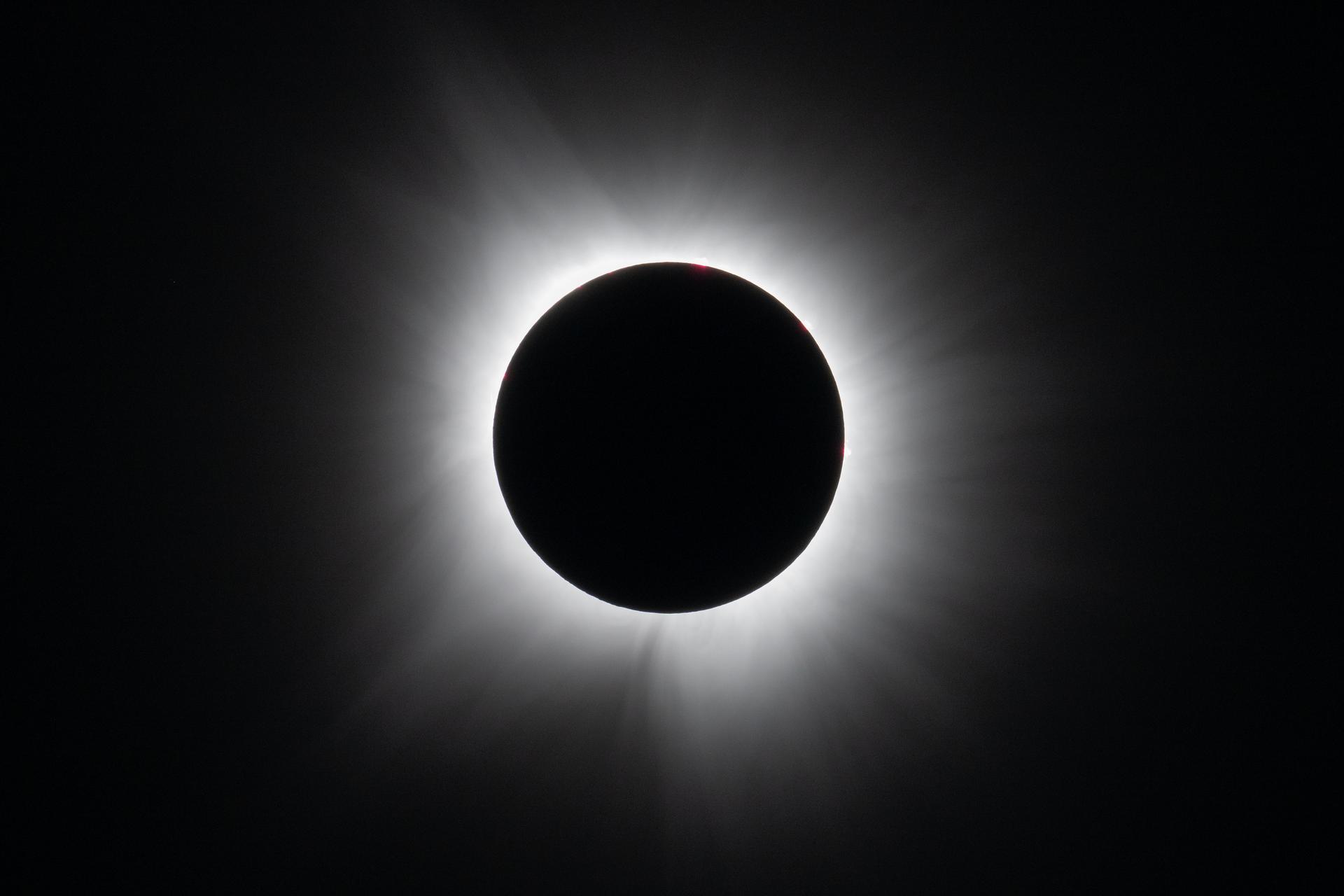
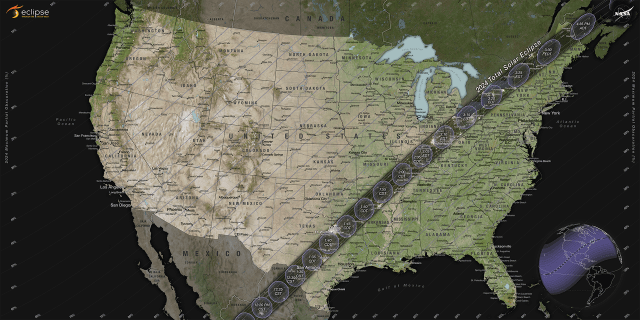
NASA-funded research during the April 8, 2024, total solar eclipse across North America yielded significant findings on the Sun's interaction with Earth's atmosphere. Projects like the Citizen CATE 2024 captured over 47,000 images of the Sun's corona, while NASA's WB-57 aircraft collected detailed data despite some challenges. The Ham Radio Science Citizen Investigation observed ionospheric changes affecting radio signals, and the Nationwide Eclipse Ballooning Project confirmed atmospheric gravity waves. These efforts highlight the role of citizen scientists and advanced technology in understanding solar impacts on Earth.

Decadal Survey Advocates New Missions and Research in Heliophysics
science-and-technology1 year ago

Decadal Survey Advocates New Missions and Research in Heliophysics

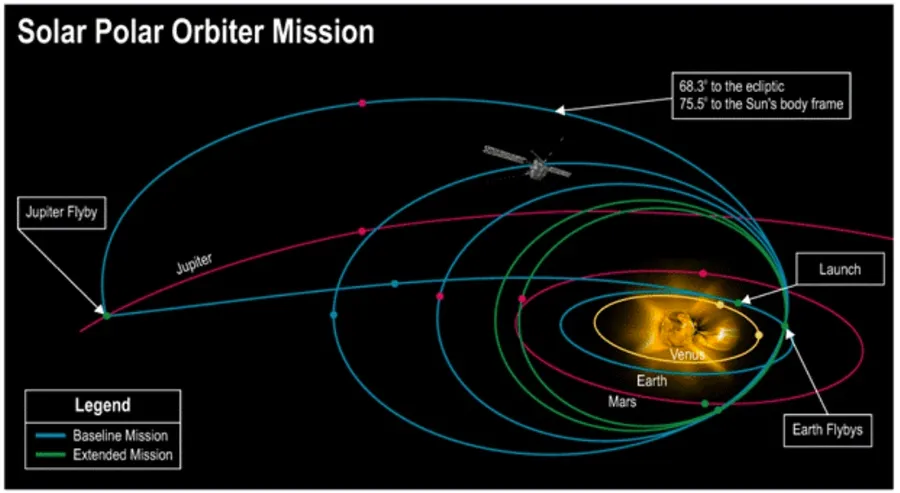
The latest heliophysics decadal survey recommends NASA pursue two major missions: the Links mission to study Earth's magnetosphere and the Solar Polar Orbiter to explore the sun's polar regions. These missions, estimated to cost $1.86 billion and $2.08 billion respectively, are part of a broader strategy to enhance solar and space physics research. However, funding challenges persist, as NASA's proposed budget cuts threaten the continuation of the Geospace Dynamics Constellation mission, raising concerns about the feasibility of these new initiatives.

5 Unexpected NASA Heliophysics Finds Beyond the Sun
science1 year ago

5 Unexpected NASA Heliophysics Finds Beyond the Sun

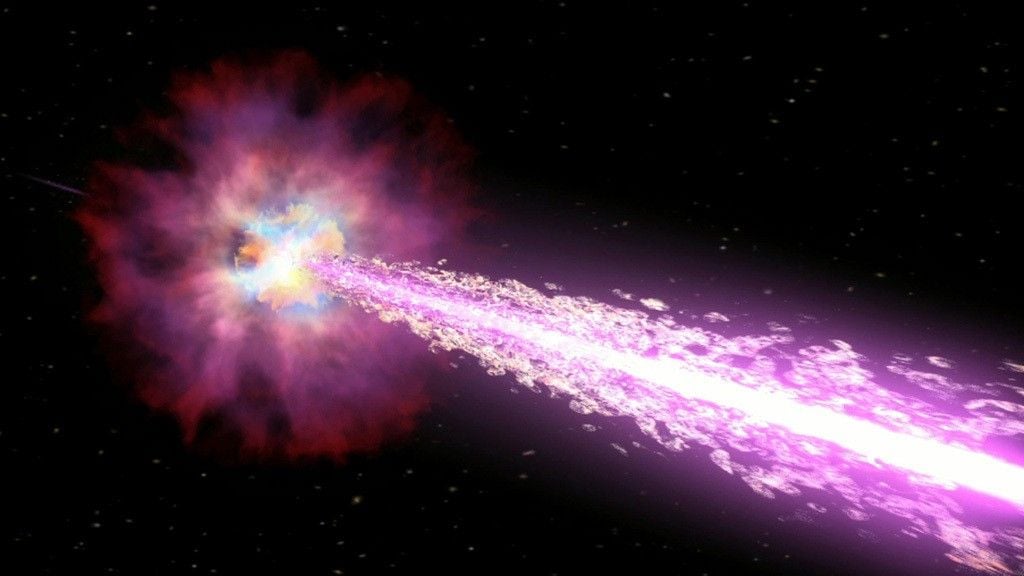
NASA's heliophysics missions, primarily focused on studying the Sun, have led to unexpected discoveries in other scientific fields. These include the identification of over 5,000 sungrazing comets by the SOHO mission, insights into the dimming of the supergiant star Betelgeuse by the STEREO spacecraft, and observations of Venus' surface by the Parker Solar Probe. Additionally, NASA's Wind spacecraft detected the brightest gamma-ray burst ever recorded, and the ICON mission revealed the impact of the Hunga Tonga-Hunga Ha‘apai volcanic eruption on Earth's ionosphere.

"Maximizing Your Eclipse Experience: From NASA Research to Solar Explosions"
science-and-technology2 years ago

"Maximizing Your Eclipse Experience: From NASA Research to Solar Explosions"

NASA is inviting people to participate in citizen science projects to contribute to research on the Sun and its influence on Earth. These projects cover various areas of research, including the upcoming total solar eclipse on April 8, 2024. Participants can observe natural phenomena, analyze data, and even become co-authors of scientific papers. The projects are open to everyone and offer opportunities for learning and involvement in ongoing research.

"The Sun: Our Glorious Star"
science-and-space2 years ago

"The Sun: Our Glorious Star"

NASA's Curious Universe podcast explores the Sun in a new five-part miniseries, delving into the mysteries of our closest star and its impact on Earth. The podcast features NASA Sun scientist Joe Westlake, who discusses the Sun's formation, its role in shaping the solar system, and its influence on life on Earth. The episode also highlights NASA's missions and spacecraft dedicated to studying the Sun, including the Parker Solar Probe, which aims to touch the Sun's corona.

"Get Ready for Spectacular Solar Eclipses: Safety Tips and Dates"
science-and-astronomy2 years ago

"Get Ready for Spectacular Solar Eclipses: Safety Tips and Dates"

A rare "ring of fire" solar eclipse will be visible in parts of the contiguous United States and Alaska on Saturday. Experts warn against looking directly at the eclipse to avoid serious eye damage, even with sunglasses. The preferred methods for viewing the eclipse are using solar glasses or creating a pinhole projection. This eclipse marks the beginning of a significant year for heliophysics, with another eclipse in April 2024 and the launch of the Parker Solar Probe.

New Horizons: NASA's Ongoing Quest in the Outer Solar System
space-exploration2 years ago

New Horizons: NASA's Ongoing Quest in the Outer Solar System

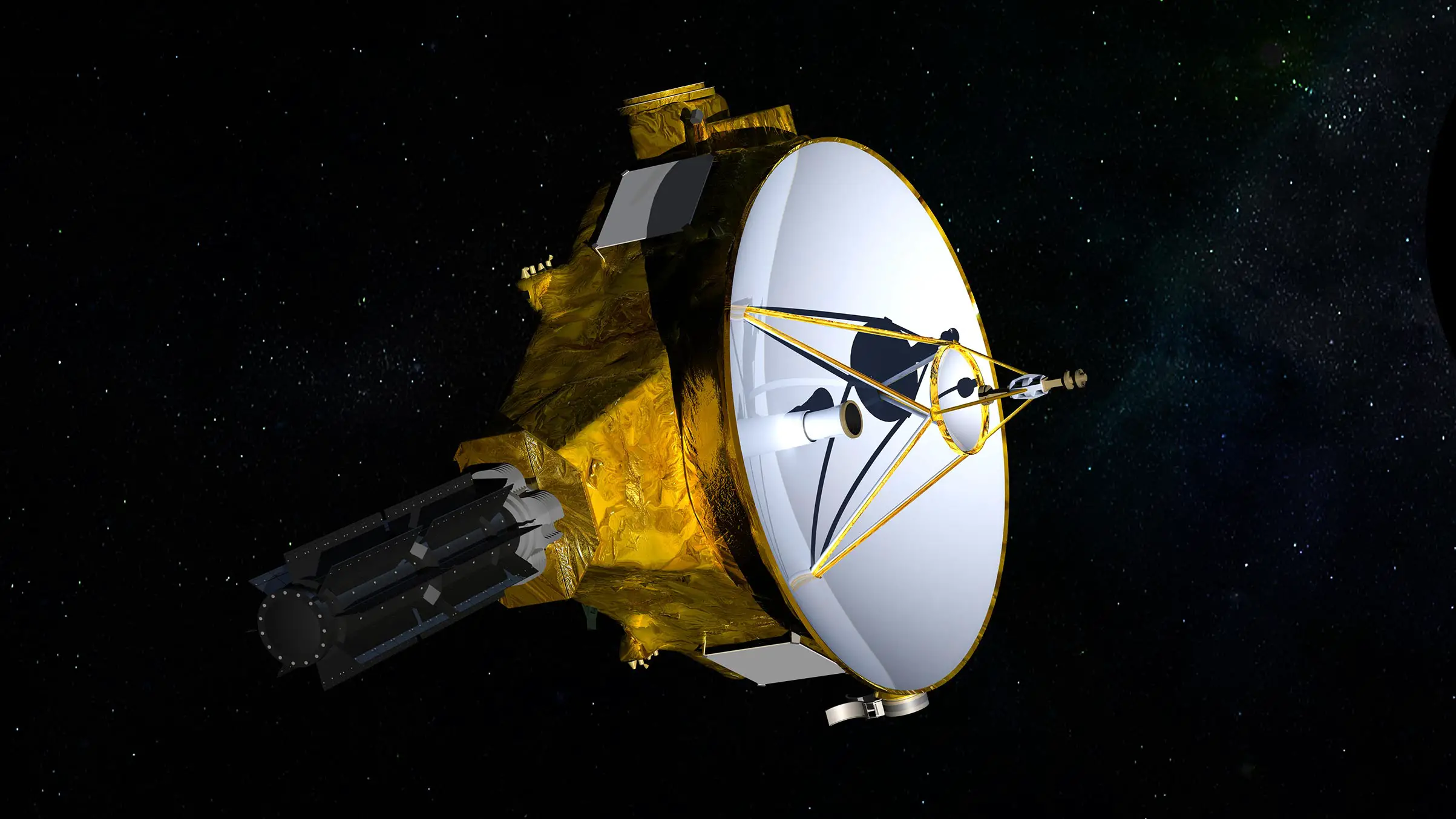
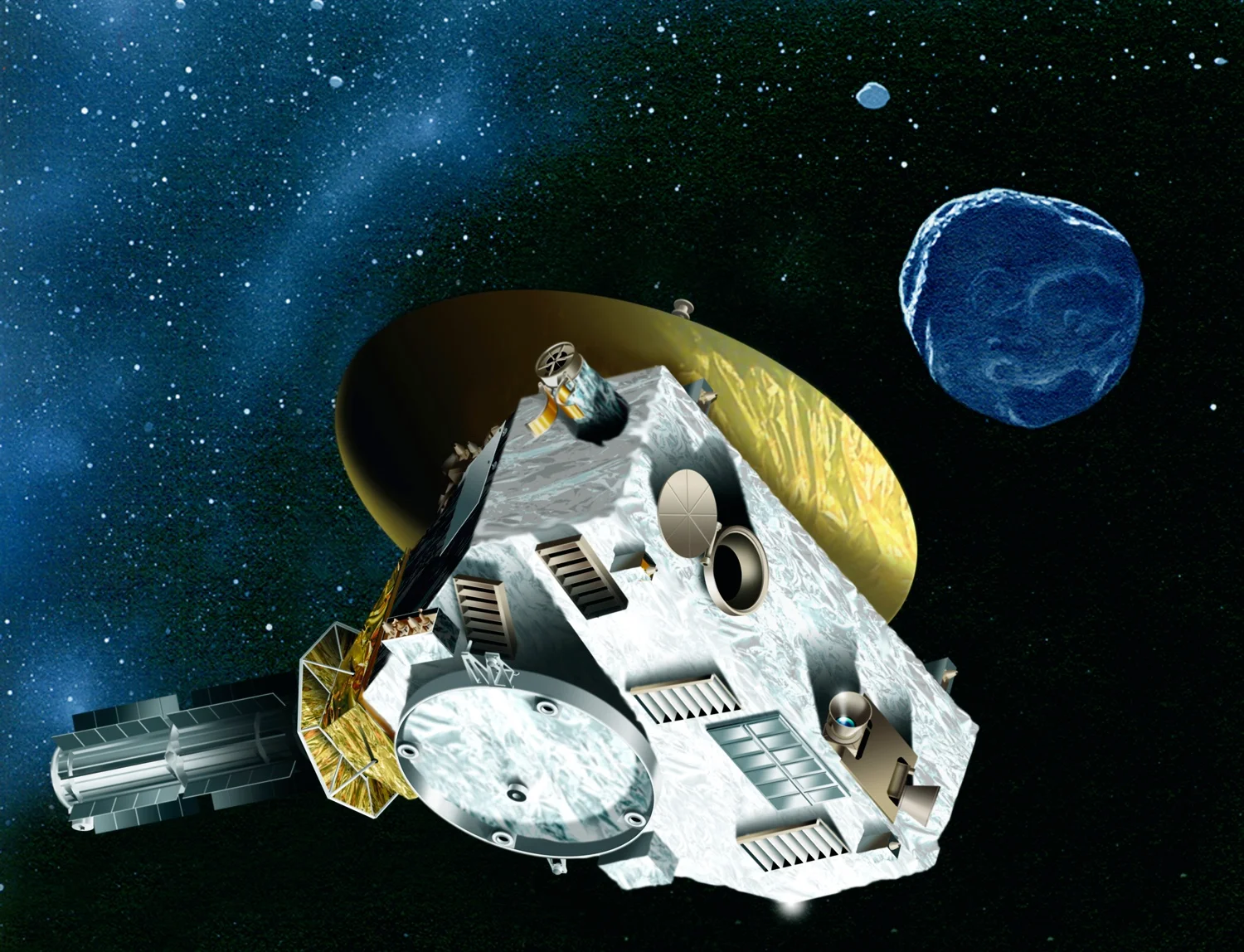
NASA's New Horizons mission will continue its exploration of the outer solar system, with a focus on collecting unique heliophysics data starting in 2025. The extended mission will also allow for potential future flybys of the Kuiper Belt if a suitable object is identified. The mission will be primarily funded by NASA's Planetary Science Division and managed jointly by NASA's Heliophysics and Planetary Science Divisions. The Johns Hopkins University Applied Physics Laboratory and the Southwest Research Institute are key institutions involved in the mission.

NASA's New Horizons Mission Extended for Further Exploration of the Outer Solar System
space2 years ago

NASA's New Horizons Mission Extended for Further Exploration of the Outer Solar System

NASA has extended the mission of its New Horizons spacecraft through the late 2020s, allowing for the possibility of another Kuiper Belt object flyby. The focus of the extended mission will be collecting heliophysics data as the spacecraft exits the solar system. The decision comes after concerns were raised about the future of the mission, which was initially approved only until 2024. The extended mission will be jointly managed by NASA's heliophysics and planetary science divisions, primarily funded by planetary science.