Tag

Heat Stress

All articles tagged with #heat stress

Texas workers face a baffling kidney illness tied to heat and dehydration
health24 days ago

Texas workers face a baffling kidney illness tied to heat and dehydration

A surge of chronic kidney disease of unknown etiology (CKDu), also known as Mesoamerican nephropathy, has been reported among young, healthy Texas workers in outdoor trades. The cases resemble Central American outbreaks, with patients lacking typical risk factors like diabetes or hypertension. Experts suspect a combination of heat stress, dehydration, pesticide exposure, and unsafe drinking water; no specific test or cure exists, and diagnosis is by excluding other kidney diseases. Management centers on blood pressure control and preventing further injury, with dialysis or transplantation in advanced disease. Early screening with creatinine and urine protein can catch problems before symptoms, but access to care remains challenging for undocumented or uninsured patients.


Texas Encounters CKDu-Style Kidney Disease in Young Outdoor Workers
health24 days ago

Texas Encounters CKDu-Style Kidney Disease in Young Outdoor Workers

Texas health officials report cases of chronic kidney disease of unknown etiology (CKDu) in young, otherwise healthy migrant workers, mirroring Central American outbreaks. Experts suspect heat stress, dehydration, pesticide exposure, and unsafe water as contributors. There is no CKDu-specific treatment; management focuses on controlling blood pressure and proceeding to dialysis or transplant if kidney failure develops. Early screening for at‑risk outdoor workers is advised.

Older Adults Face Deadlier Heat at Lower Temps, New Study Warns
health1 month ago

Older Adults Face Deadlier Heat at Lower Temps, New Study Warns

A Lancet Public Health study finds people aged 60 and over are at risk of uncompensable heat stress at lower temperatures than younger groups, meaning heatwaves will affect older adults more severely as global warming continues; with the global 60+ population projected to reach about 2.1 billion by 2050, many more older people—especially in lower-income countries—will face dangerous heat exposure, with risk rising from as little as 1.5C of warming and increasing with each additional degree.

Miami Heat and Sahara Dust Turn England-Norway World Cup Quarterfinal Into Endurance Test
sports3 months ago

Miami Heat and Sahara Dust Turn England-Norway World Cup Quarterfinal Into Endurance Test

England and Norway’s World Cup quarterfinal in Miami will be played under extreme heat and humidity driven by a Sahara dust plume, pushing wet-bulb globe temperatures toward 88°F (31°C). Official guidance suggests breaks when WBGT is high and FIFA’s rules call for ice-water towels to cool players; scientists warn the heat could slow play and risk heat exhaustion, while advocates urge longer hydration breaks. Fans are also at risk as climate-driven heat rises at major events.

Heat-triggered lipid flipping by OsALA5 stabilizes rice plasma membranes
science3 months ago

Heat-triggered lipid flipping by OsALA5 stabilizes rice plasma membranes

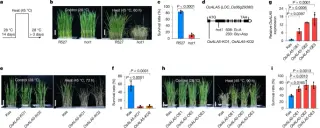
Rice uses a rapid, transporter-level response to heat: the plasma membrane P4-ATPase OsALA5, with its β-subunit OsALIS2, increases transport of saturated phosphatidylcholine to the cytoplasmic leaflet within minutes of heat exposure, stabilizing membrane fluidity and reducing ion leakage and cell death. This heat-induced, leaflet-specific redistribution occurs without changes in OsALA5 expression and is conserved in Arabidopsis and yeast. A rare OsALA5 haplotype ( Hap7 ) enhances heat tolerance and yields across multi-year field trials, highlighting a practical breeding target for heat-resilient crops.

Researchers Warn of Hidden Health Risks of Using Fans During Heat Waves
health1 year ago

Researchers Warn of Hidden Health Risks of Using Fans During Heat Waves

Research suggests that electric fans may not effectively cool the body during high heat conditions and could potentially be harmful, especially for vulnerable populations. Fans are more effective at night when outdoor temperatures drop below indoor temperatures, and using water or wet skin with a fan can enhance cooling. The key to staying safe during heat waves is understanding when and how fans can be beneficial, and employing additional cooling strategies.

"Rising Temperatures Push Global Coral Reef Heat Stress Monitor to Add New Alerts"
environment2 years ago

"Rising Temperatures Push Global Coral Reef Heat Stress Monitor to Add New Alerts"

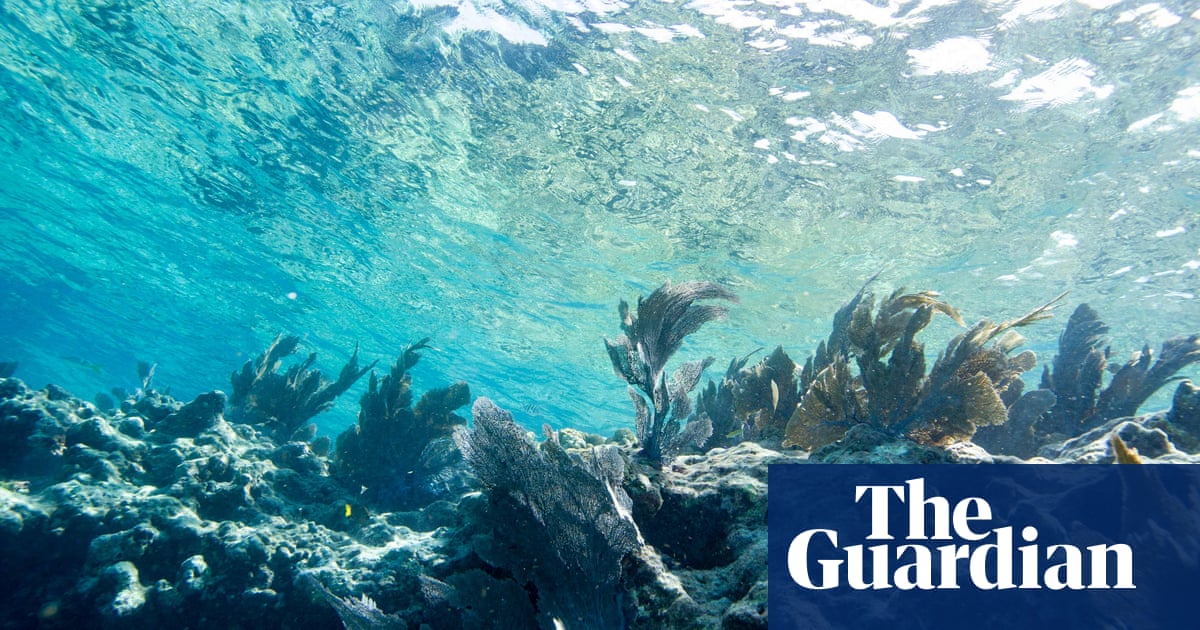
The US government's Coral Reef Watch program has added three new alert categories to its warning system for heat stress on coral reefs due to unprecedented levels of heat stress causing bleaching and coral mortality. The changes reflect the increasing severity of heat stress on coral reefs, with the highest alert level now indicating a risk of "near complete mortality" of all corals. The adjustments come as a response to the pervasive impacts of global heating on coral reef ecosystems, highlighting the urgent need to address the escalating risks posed by climate change to marine biodiversity.

"Rising Temperatures Trigger New Coral Reef Alert Levels"
environment2 years ago

"Rising Temperatures Trigger New Coral Reef Alert Levels"

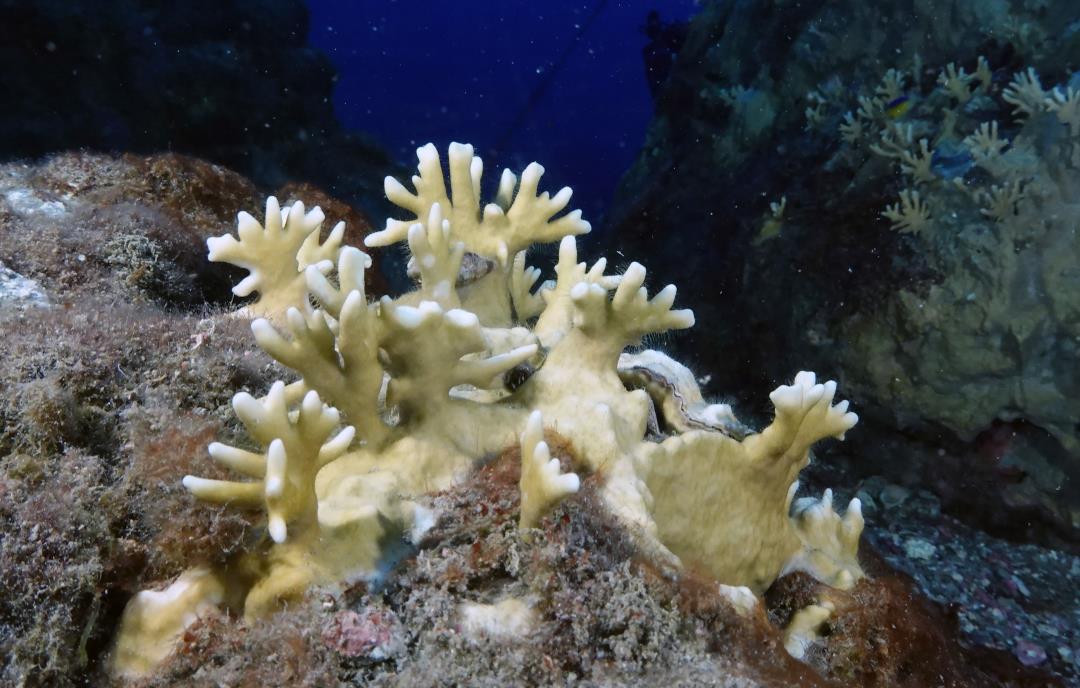
The US government's Coral Reef Watch program has added three new alert levels to its heat stress category system due to unprecedented stress on coral reefs, with more than 20 Degree Heating Weeks (DHWs) now constituting a "worst case scenario" at Bleaching Alert Level 5, indicating a risk of mortality in over 80% of corals. This marks the first changes to the system since its introduction in 2009 and reflects the pervasive impacts of global heating on oceans, prompting a need for rethinking response plans and appropriate actions in the face of extreme heat stress.

Global Climate Crisis: Dire Projections Reveal Earth's Perilous Fate
climate-change3 years ago

Global Climate Crisis: Dire Projections Reveal Earth's Perilous Fate

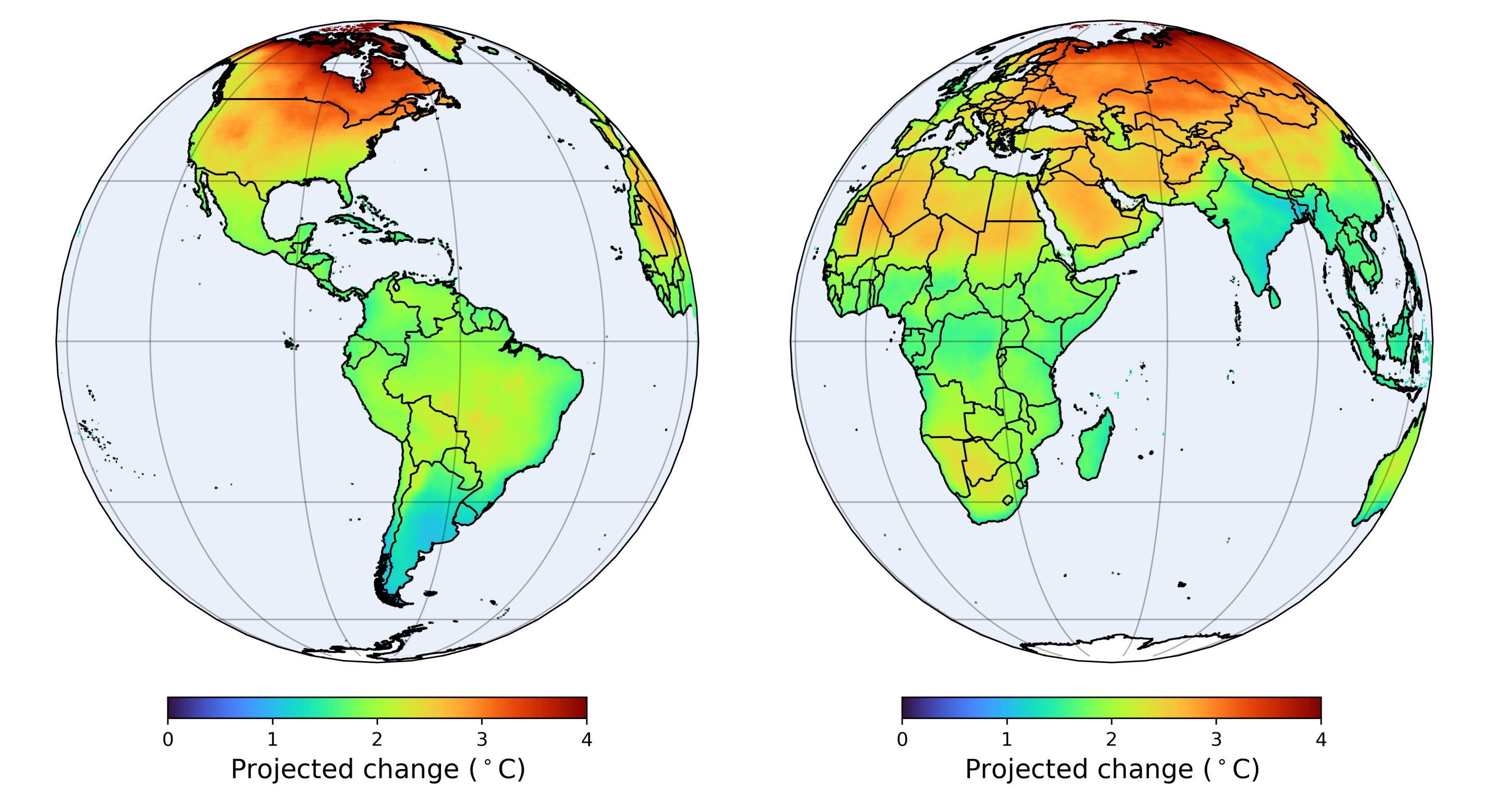
A study by the Bay Area Environmental Research Institute (BAERI) and NASA details how extreme weather events will worsen as the Earth's temperature rises. Using the NEX-GDDP dataset, the research provides insights on climate impacts like heat stress and fire weather, urging local leaders to develop targeted climate plans using this data. The study highlights the severe climate impacts resulting from a 2°C temperature rise and emphasizes the need for decision-makers to understand the compounding climate impacts projected for their regions. The NEX-GDDP dataset, which provides global, daily climate projections, can help local leaders develop climate adaptation and mitigation plans specific to their communities.

Global Climate Projections: Assessing Future Risks for Humanity
climate-change3 years ago

Global Climate Projections: Assessing Future Risks for Humanity

A recent study conducted by scientists at the Bay Area Environmental Research Institute (BAERI) and NASA Ames Research Center examines how extreme weather events will worsen as global temperatures rise. The study focuses on the geographic patterns of projected changes to key climate variables and highlights the compounding impacts of these variables on human lives. It reveals that most regions of the world will experience higher heat stress and an increase in extreme fire weather in the 2040s compared to the baseline period. The study emphasizes the urgent need for decision-makers to understand the projected climate impacts and develop targeted adaptation and mitigation plans. The researchers provide a publicly available dataset that can help local leaders develop climate plans specific to their communities.

Unborn Babies at Risk: Extreme Heat's Health Threat
health3 years ago

Unborn Babies at Risk: Extreme Heat's Health Threat

As global temperatures rise, there is growing evidence that extreme heat is interfering with pregnancies and posing serious risks to unborn babies. Studies have shown that heat can trigger preterm births, increase the risk of low birth weight, stillbirths, and birth defects. Pregnant individuals are particularly vulnerable to heat stress due to changes in their body's temperature regulation. However, research on the effects of heat on pregnancies is limited, and pregnant people have often been excluded from studies. Public health bodies are starting to include pregnant people in heat warnings, but more targeted advice and practical solutions are needed to protect vulnerable populations from the risks of extreme heat.