Tag

Pain

All articles tagged with #pain

Immune signals and hormones may explain why women's pain lingers longer
health1 month ago

Immune signals and hormones may explain why women's pain lingers longer

New research combining mouse experiments with human vehicle‑crash data suggests that pain after injury lasts longer in women because monocytes produce less IL-10, a molecule that both reduces inflammation and directly dampens pain signals; testosterone boosts IL-10 production in male monocytes, helping men recover faster. This shifts the view of the immune system from solely driving pain to also helping resolve it, pointing to therapies that enhance the body's natural pain‑resolution pathways to prevent chronic pain.

Immune ‘Off-Switch’ for Pain Found to Differ by Sex, Study Shows
health1 month ago

Immune ‘Off-Switch’ for Pain Found to Differ by Sex, Study Shows

A new Science Immunology study links IL-10–producing monocytes to an immune brake that dampens pain after injury. In mice, males had more IL-10–producing cells and recovered faster, with pain lasting longer when IL-10 or its receptor was blocked. Human data from the AURORA trauma study showed higher IL-10 levels at injury in men and lower subsequent pain, suggesting a biological basis for women’s longer-lasting pain. While not the sole pathway for all chronic pain, the findings point to immune signaling as a potential target, with ideas like skin-applied testosterone to modulate IL-10–positive monocytes under exploration (noting more research is needed).

Immune cells and hormones may explain why women's pain lasts longer
health1 month ago

Immune cells and hormones may explain why women's pain lasts longer

New research in mice and humans suggests that immune cells produce IL-10 to help resolve pain, and sex differences in this response—shaped by testosterone—may explain why women often recover more slowly from injury and have a higher risk of chronic pain. These findings point to therapies that boost the body's natural pain-resolution system rather than only blocking pain signals.

Stem-cell derived 'pain sponge' targets pain at the source in arthritis
health2 months ago

Stem-cell derived 'pain sponge' targets pain at the source in arthritis

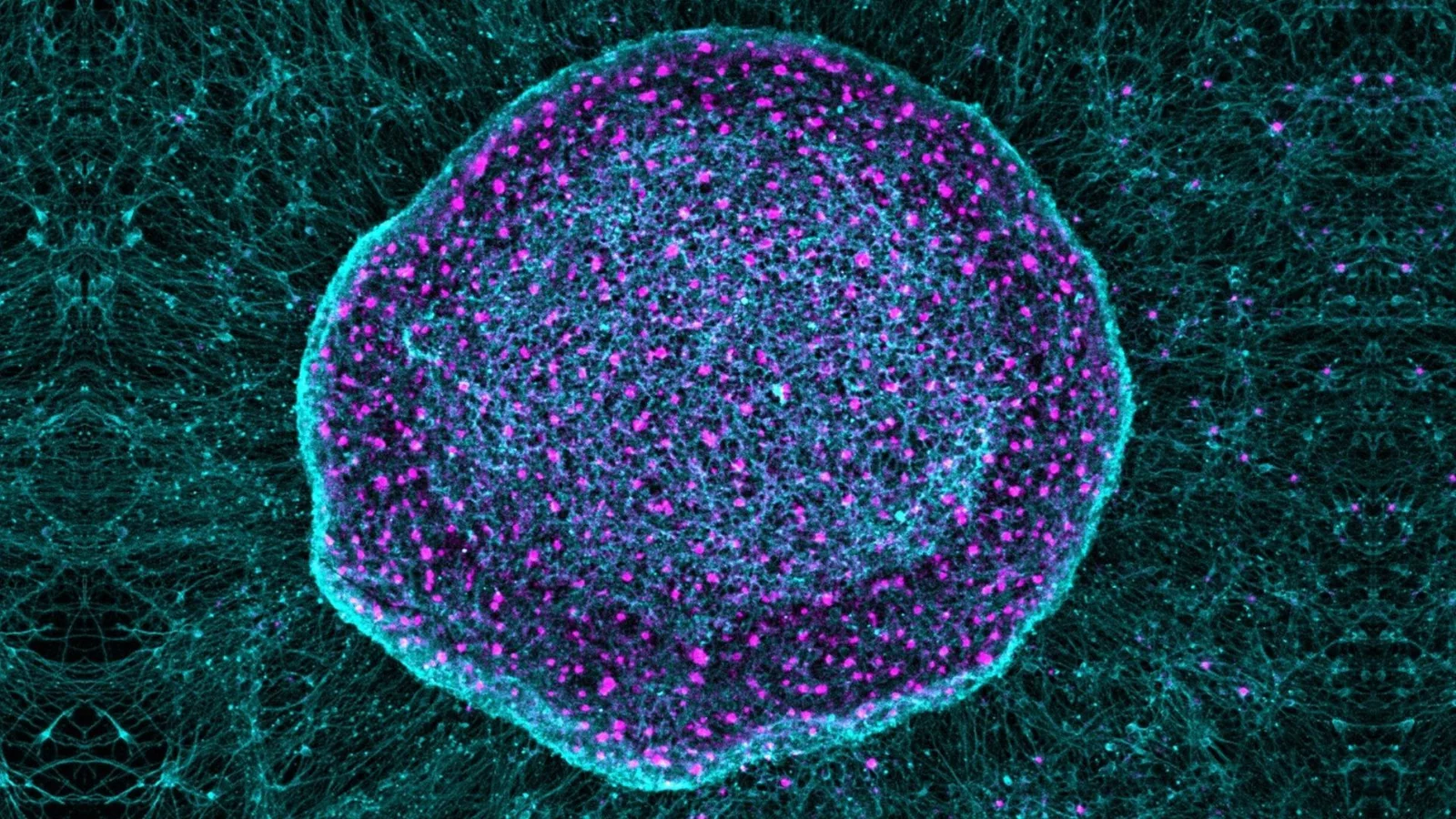
Researchers engineered human pluripotent stem cell–derived sensory neurons that act as a biological "pain sponge," soaking up inflammatory pain signals at the site of inflammation in mice with osteoarthritis and also promoting bone and cartilage repair. The SN101 approach is in preclinical stages, with safety, immune response and translation to humans unresolved and no peer‑reviewed human data yet.

Gene Therapy Targets Pain Circuits to Relieve Chronic Pain Without Addiction
science2 months ago

Gene Therapy Targets Pain Circuits to Relieve Chronic Pain Without Addiction

A preclinical CNS-targeted gene therapy dampens pain signals in specific brain circuits to relieve chronic pain while avoiding the brain reward pathways tied to addiction, using AI-guided imaging and animal models, with an off switch for long-lasting relief and moving toward clinical trials to help the roughly 50 million Americans affected by chronic pain.

Scientists May Have Unraveled the Mystery of Fibromyalgia Pain
health5 months ago

Scientists May Have Unraveled the Mystery of Fibromyalgia Pain

A large genetic study has identified 26 genetic regions linked to fibromyalgia, revealing that the condition primarily originates in the brain's neural circuits that control pain sensitivity, rather than in muscles or joints. The findings suggest fibromyalgia is related to nervous system hypersensitivity and shares genetic links with other disorders like chronic fatigue and PTSD, offering new avenues for early detection and targeted treatments.

Reddit Insights: Men’s Experiences with Vasectomy Pain and Regret
health8 months ago

Reddit Insights: Men’s Experiences with Vasectomy Pain and Regret

A study analyzing Reddit posts reveals that many men experience fear, regret, and persistent pain after vasectomy, challenging the perception of it being a largely risk-free procedure. The findings highlight the importance of transparent, nuanced communication about potential long-term outcomes to ensure truly informed consent, especially as online discussions increasingly influence health decisions.

"Deciphering Neural Circuits: Unraveling the Choice Between Pleasure and Pain"
science2 years ago

"Deciphering Neural Circuits: Unraveling the Choice Between Pleasure and Pain"

Ishmail Abdus-Saboor, a neuroscientist at Columbia University, is leading research into the perception of pleasurable and painful touches, aiming to understand how the brain determines whether a touch to the skin is painful or pleasurable. His work has led to insights into the neural circuits that govern pleasure and pain in animals, as well as the development of new measurement tools for quantifying pain and pleasure in lab animals. Abdus-Saboor's research also explores the potential medical implications of targeting the skin for therapeutic purposes and the study of touch in naked mole rats. Throughout his career, he has faced challenges but encourages aspiring scientists, especially those from underrepresented backgrounds, to pursue their passion and not to be discouraged by obstacles.