Antarctic Ice Cores Reveal 800,000-Year Atmospheric Record, Now Extended to 1.2 Million Years
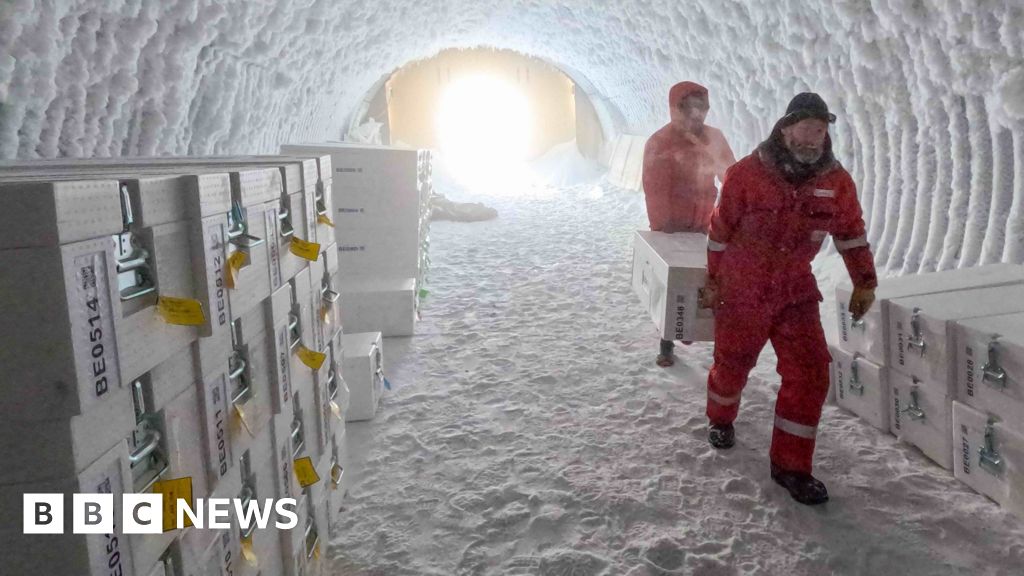
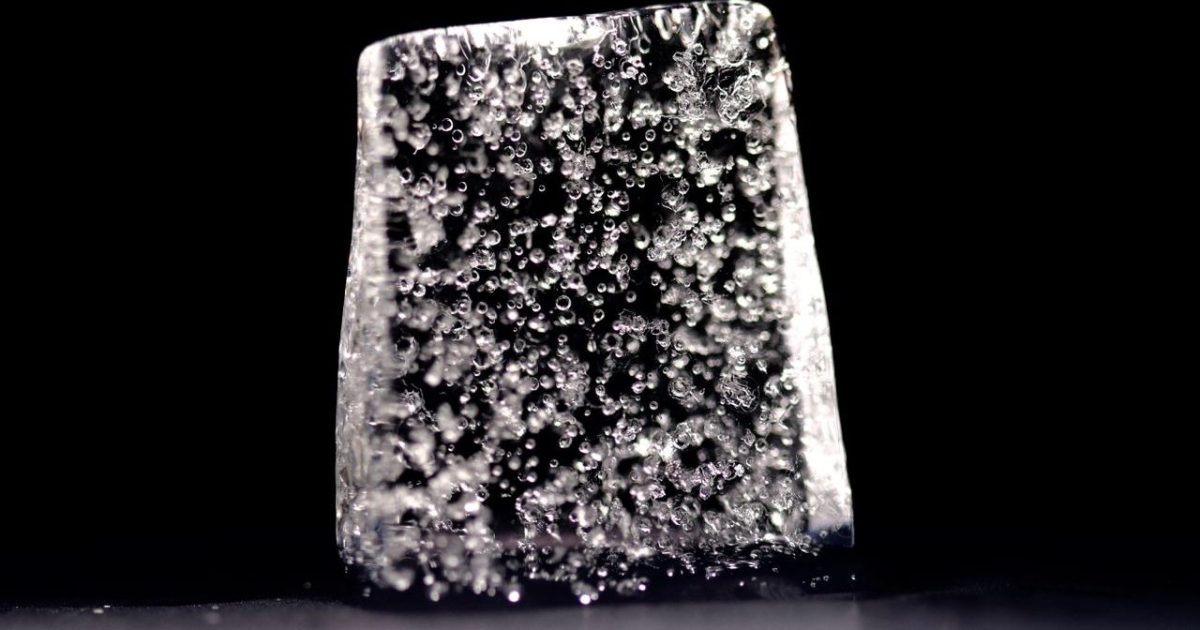
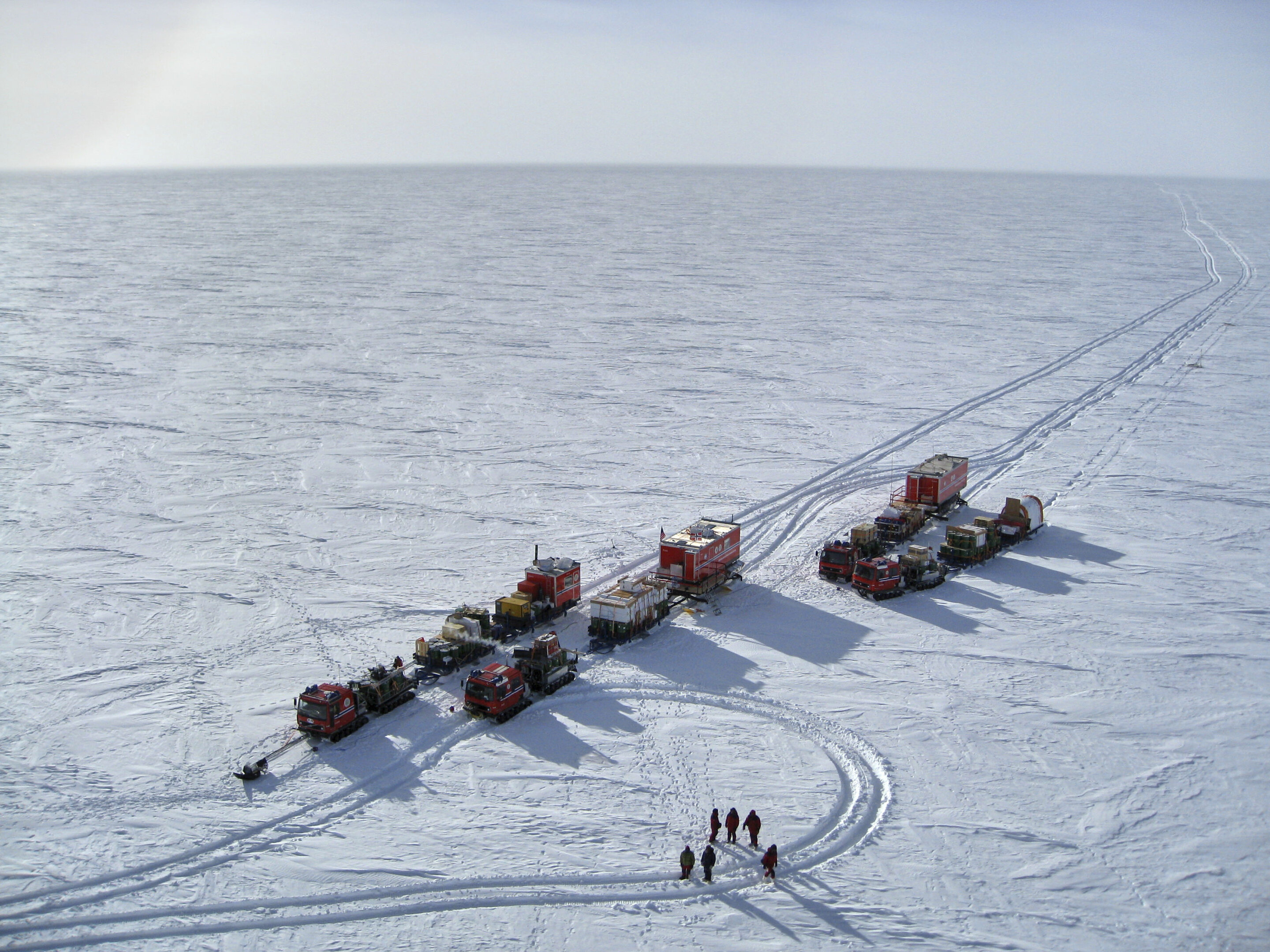
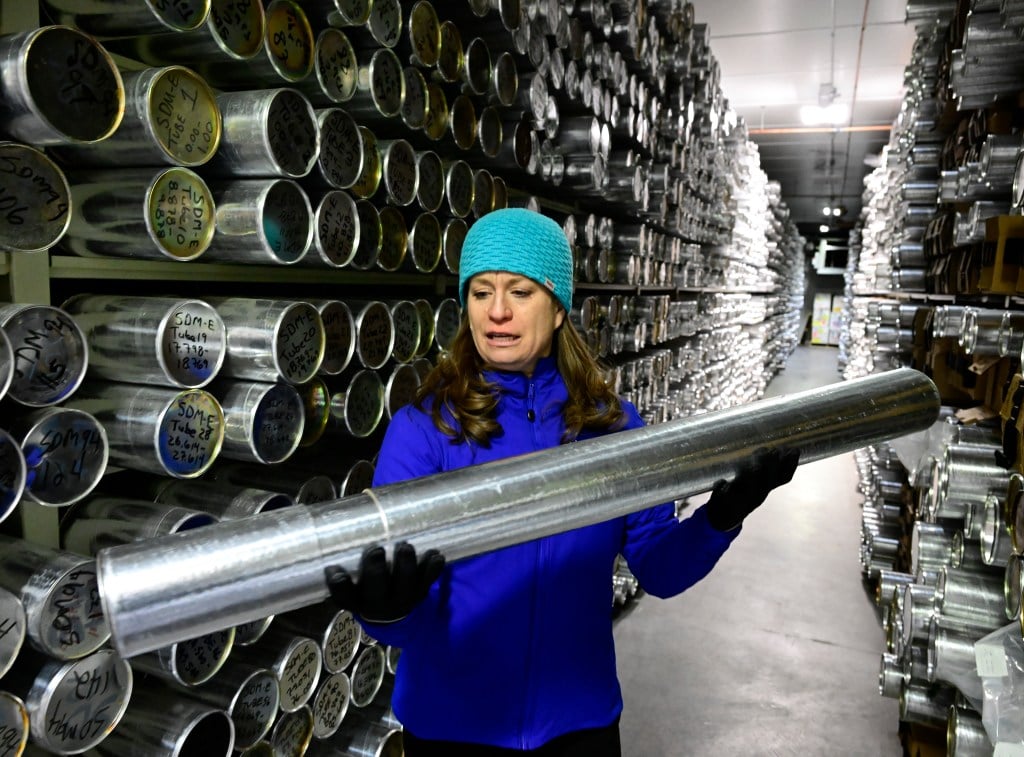
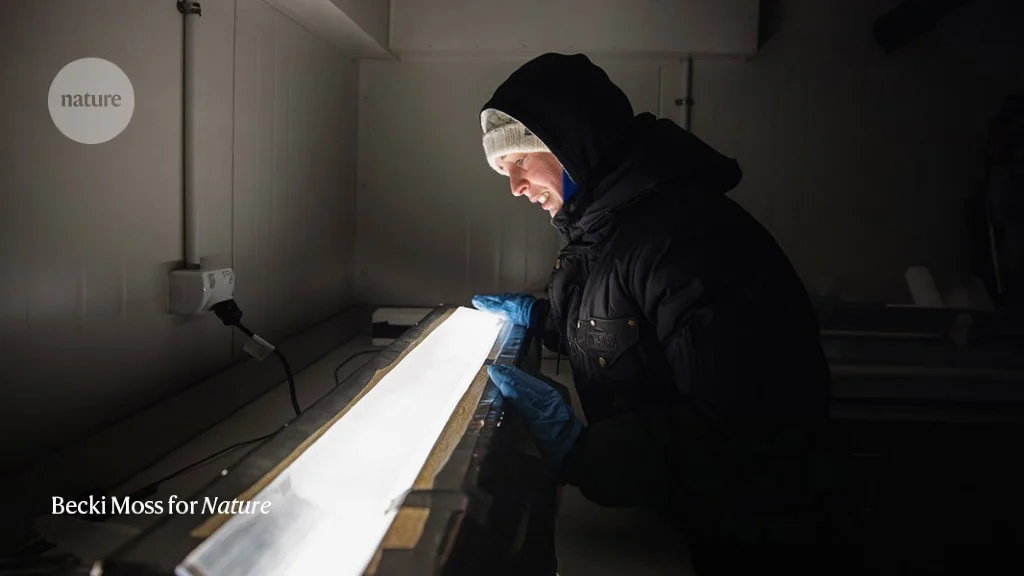
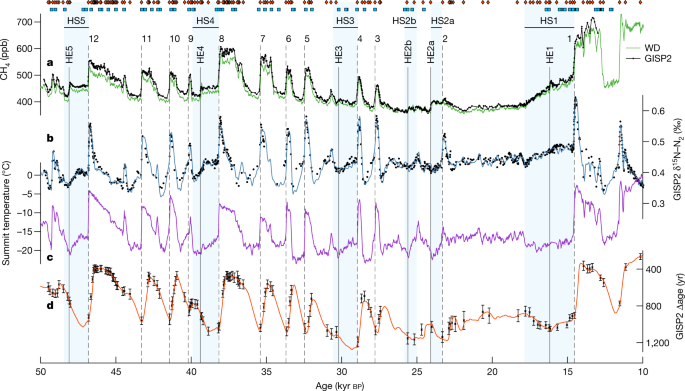
A massive ice core from Antarctica’s Dome C provides a continuous record of Earth’s atmosphere over the last 800,000 years, revealing that current CO2 levels far exceed natural historical ranges. A new, deeper core has extended this timeline to 1.2 million years, offering unprecedented insights into ancient climate cycles.