Tag

K Shaped Economy

All articles tagged with #k shaped economy

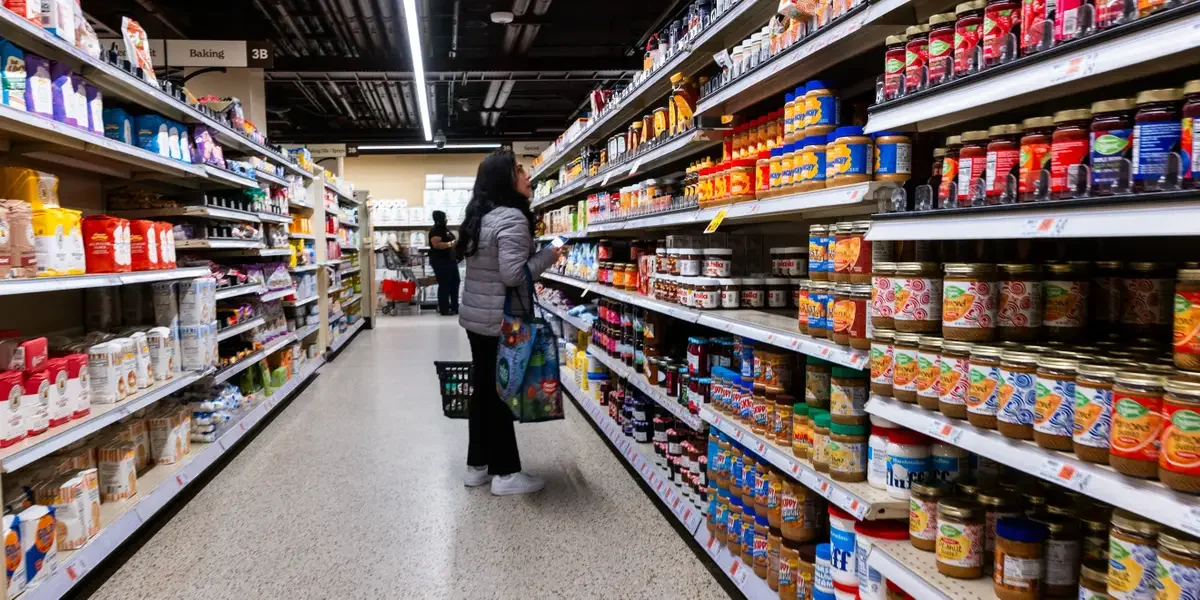
Food Insecurity Deepens Consumer Pessimism in a Split Economy
economics1 day ago

Food Insecurity Deepens Consumer Pessimism in a Split Economy

A New York Fed analysis using the Survey of Consumer Expectations finds rising food insecurity since 2020—disproportionately among lower‑income, less‑educated households and those with children—alongside a sharp drop in consumer optimism and job-finding prospects. Despite solid macro indicators, sentiment remains weak, reflecting a K‑shaped economy where the bottom half faces renewed financial strain. The study links higher insecurity to deteriorating outlooks, while acknowledging that inflation, cost of living, and policy changes (e.g., SNAP) also drive pessimism and that multiple factors influence consumer expectations even among those not reporting food insecurity.

America's Premium Economy: Upgrading Spending While Homeownership Slips
business3 days ago

America's Premium Economy: Upgrading Spending While Homeownership Slips

Americans are increasingly trading up to premium goods and experiences—better groceries, travel, and higher-brand products—while the dream of owning a home and securing retirement wealth remains out of reach for many. The rise of an upper-middle class is shifting profits toward higher-quality retailers and airlines, with travel and experiences expanding while price-focused discount players shrink; economists warn the economy could flatten if inflation eases and AI investments help lower-income purchasing power, potentially converging the gulf between classes over time.

Asia's two-speed future: AI boom vs oil crisis warns the world
world17 days ago

Asia's two-speed future: AI boom vs oil crisis warns the world

Asia now faces two economic realities: an AI/tech-driven boom and an energy crunch from Middle East tensions that raise oil prices, creating a K-shaped economy where tech hubs prosper while others struggle. Taiwan and Korea ride chip-driven profits, while 8.8 million people in the Asia-Pacific region risk falling into poverty due to energy shortages and inflation; central banks must balance growth with inflation amid geopolitics that could ripple into global trade.

McDonald's CEO Warns of a Widening Spending Split Fueled by Inflation
business20 days ago

McDonald's CEO Warns of a Widening Spending Split Fueled by Inflation

McDonald's CEO Chris Kempczinski says the K-shaped economy is worsening: higher-income shoppers spend normally while lower-income consumers cut back amid inflation and higher gas prices, with consumer sentiment in 'heightened anxiety.' The company posted 3.8% growth in global same-store sales and $6.52 billion in revenue, and is balancing price-friendly value items with premium offerings as it searches for growth in a tougher environment; its stock has fallen about 7% year to date.

Gas Price Surge Deepens the Economy’s K-Shaped Divide
economy22 days ago

Gas Price Surge Deepens the Economy’s K-Shaped Divide

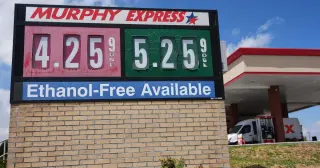
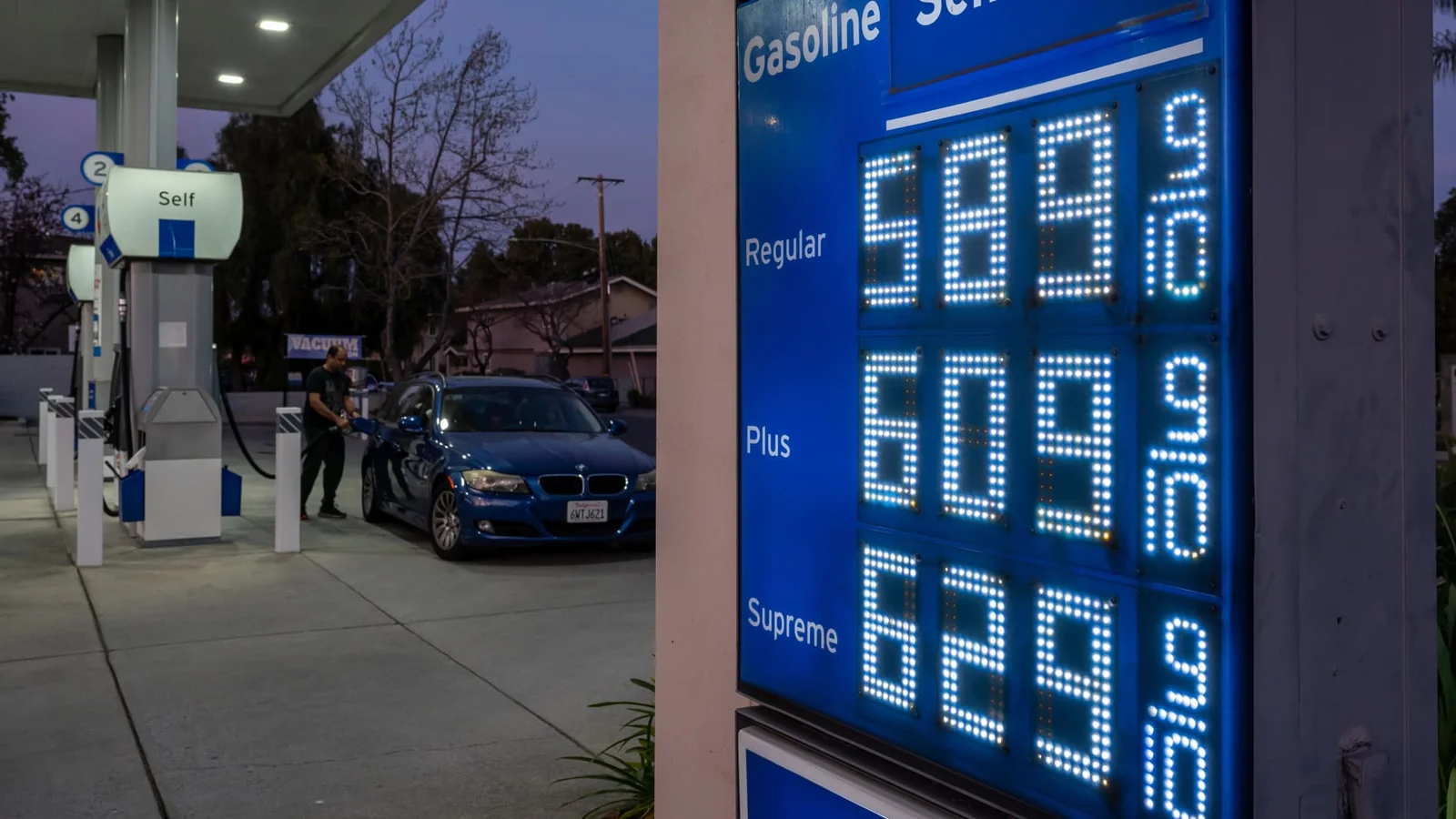
A New York Fed study finds that after the Iran war, gas prices jumped about 25% by the end of March (and ~50% since the war began). Lower-income households cut gas use but still spent 12% more on gas in March, while higher-income households increased gas spending by 19% with almost no reduction in consumption, signaling a widening K-shaped divide that could pull down broader inflation-adjusted spending.

High earners drive the latest retail surge, leaving others behind
economics26 days ago

High earners drive the latest retail surge, leaving others behind

A New York Fed analysis using Numerator EHIs shows that since 2023, retail spending growth has been a K-shaped pattern: high-income households (>$125,000) led nominal and real spending growth, while middle- and low-income groups lagged or contracted in real terms. The divergence widened after pandemic-era subsidies ended, and inflation hit lower-income groups harder due to income-specific price pressures. The study highlights macro risks from concentration of spending in a small segment and points to policy implications, with a companion post exploring the mechanisms behind this heterogeneity.

Oil Shock Deepens Economic Split as Iran War Lifts Gas Costs
business2 months ago

Oil Shock Deepens Economic Split as Iran War Lifts Gas Costs

The Iran war has sent oil and gasoline prices higher—Brent crude up over 40% to about $102/bbl and U.S. gas averages near $3.79/gal—driven by Strait of Hormuz disruptions; economists warn the surge worsens the K-shaped economy by acting like a regressive tax that hits lower- and middle-income households hardest and could curb overall consumer spending, with knock-on effects for diesel, jet fuel, trucking, food, and travel.

K-Shape Economy: Spending, Jobs and Debt Split by Income
economy2 months ago

K-Shape Economy: Spending, Jobs and Debt Split by Income

America is in a persistent K-shaped recovery: higher earners continue to spend on essentials and leisure while lower- and middle-income households cut back on groceries and face rising credit stress. Wage growth has shifted in favor of the top third since 2024, GDP gains have disproportionately benefited higher-income groups, and tax changes may widen the gap. Data show richer households increasing purchases of meat, produce, and beverages while lower earners trim discretionary items; recent grads face higher unemployment than the overall workforce, and total credit-card debt rose to about $1.28 trillion in late 2025 with delinquency highest among the lowest-income households.

AmEx bets on ultra-premium Platinum to drive high-spender growth
business3 months ago

AmEx bets on ultra-premium Platinum to drive high-spender growth

American Express is shifting marketing dollars to its refreshed Platinum card with an $895 annual fee to attract high-spending customers, part of a broader strategy aligned with a K-shaped economy where the wealthy spend more while others pull back. The company reported 4Q results that missed consensus partly due to Platinum refresh costs, with new card accounts at 2.9 million at year-end (the lowest in five quarters). Luxury categories showed solid growth (luxury retailers +15%, business/class airfare +9%, luxury hotel +12%), while overall earnings per share came in at $3.53, a penny below expectations; shares fell about 3.5%.

U.S. auto market bifurcates as affluents buy pricier new cars while lower-income buyers pull back
business3 months ago

U.S. auto market bifurcates as affluents buy pricier new cars while lower-income buyers pull back

Affluent buyers are taking over new-car purchases at higher prices while lower-income shoppers retreat, signaling a K-shaped economy: the share of buyers earning under $100k dropped from 50% in 2020 to 37% in 2025, and those earning over $200k rose from 18% to 29%. With average MSRP around $51k in 2025, higher insurance costs and inflation, automakers have cut entry-level models and rely on wealthier buyers. About a third of Americans can’t afford new cars (roughly 110 affordable models for incomes ≤$65k vs 250 for ≤$105k), and average monthly payments rose to over $1,000 for 20% of buyers in Q4. Overall new-car sales cooled to 16.3 million in 2025 from over 17 million pre-2020, raising concerns that affordability constraints could shrink the market in the coming years.