Tag

Massive Stars

All articles tagged with #massive stars

Giant Star WOH G64 Flashes Signs of Impending Explosion
science21 days ago

Giant Star WOH G64 Flashes Signs of Impending Explosion

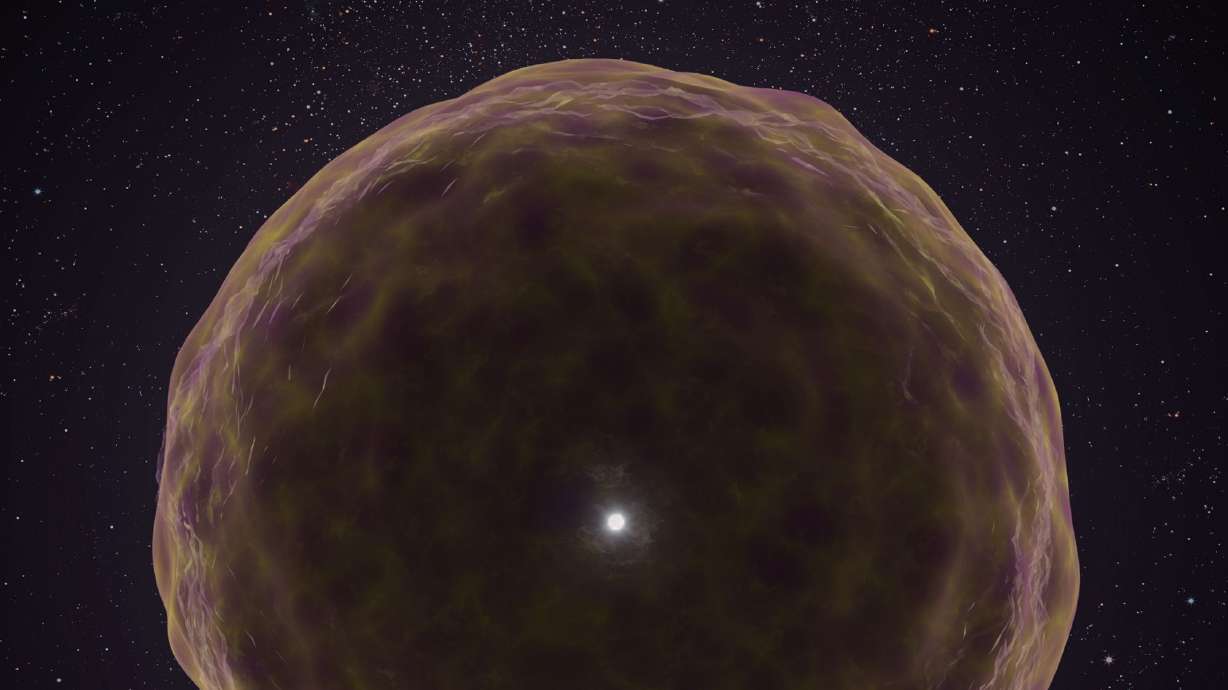
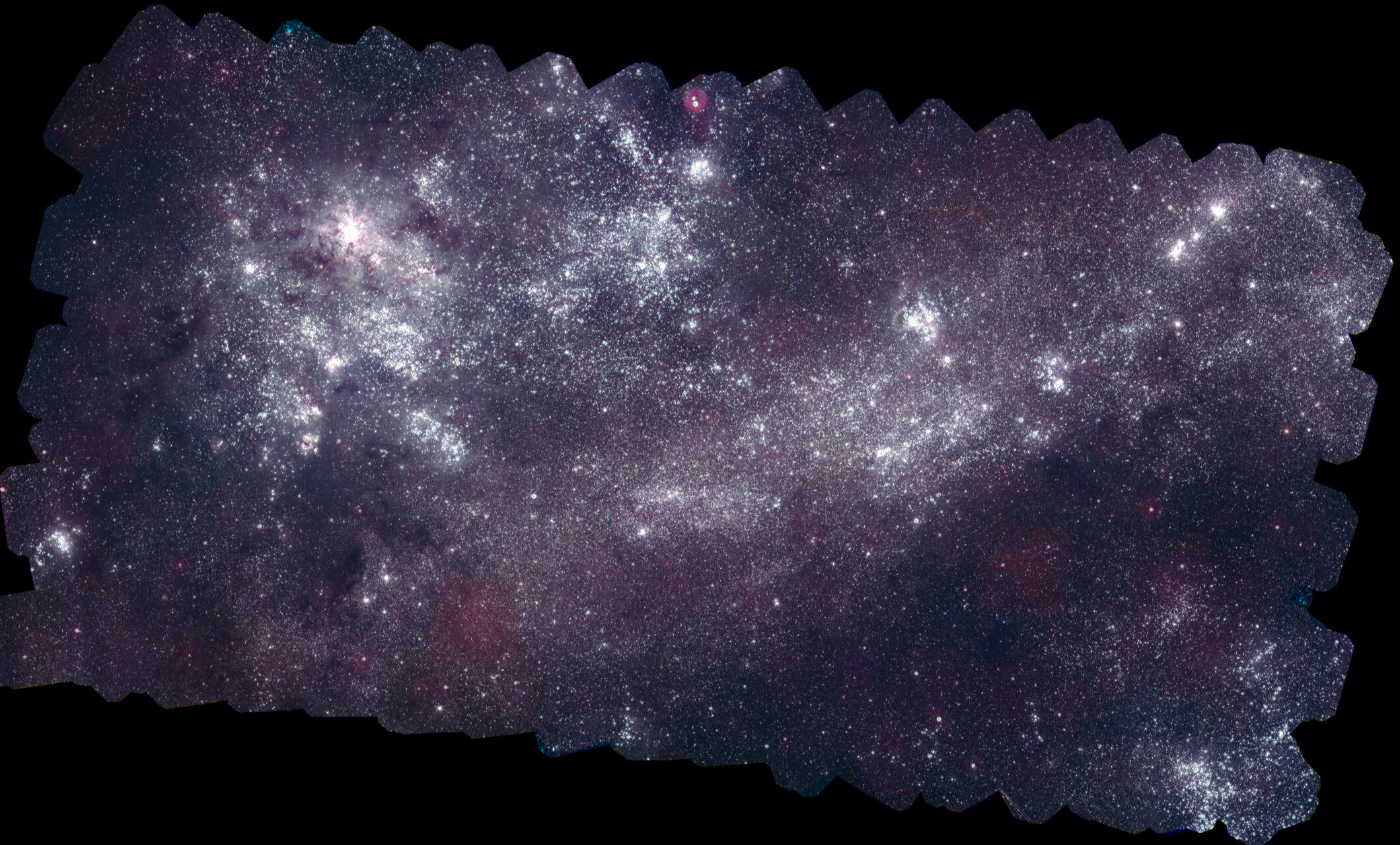
Astronomers studying WOH G64, among the universe's largest stars in the Large Magellanic Cloud, report dramatic, rapid changes over decades: its surface temperature has climbed more than 1,000°C and its color shifted from red to yellow, with unusual dimming episodes in 2011 and 2025. Such behavior is unprecedented for a star of this size and may mark the final stages of its life, offering a rare, real-time glimpse into how massive stars end their lives and seed the cosmos with heavy elements.
Astronomers Find One of the Galaxy's Largest Binary Stars
science9 months ago

Astronomers Find One of the Galaxy's Largest Binary Stars

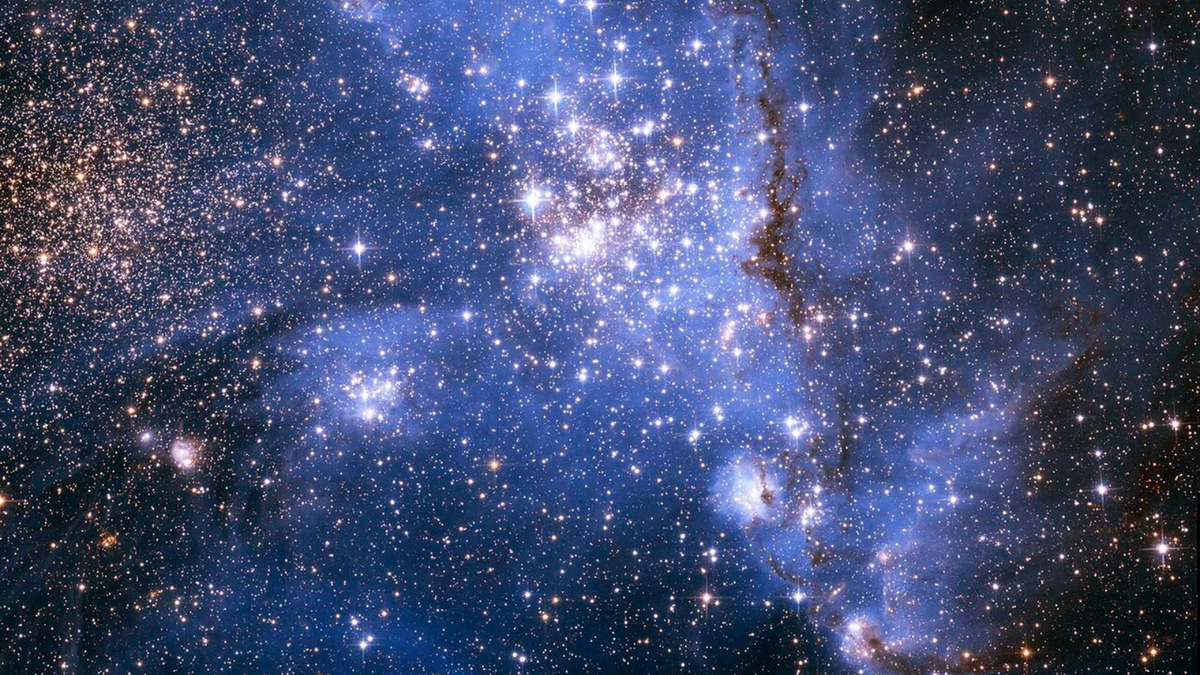
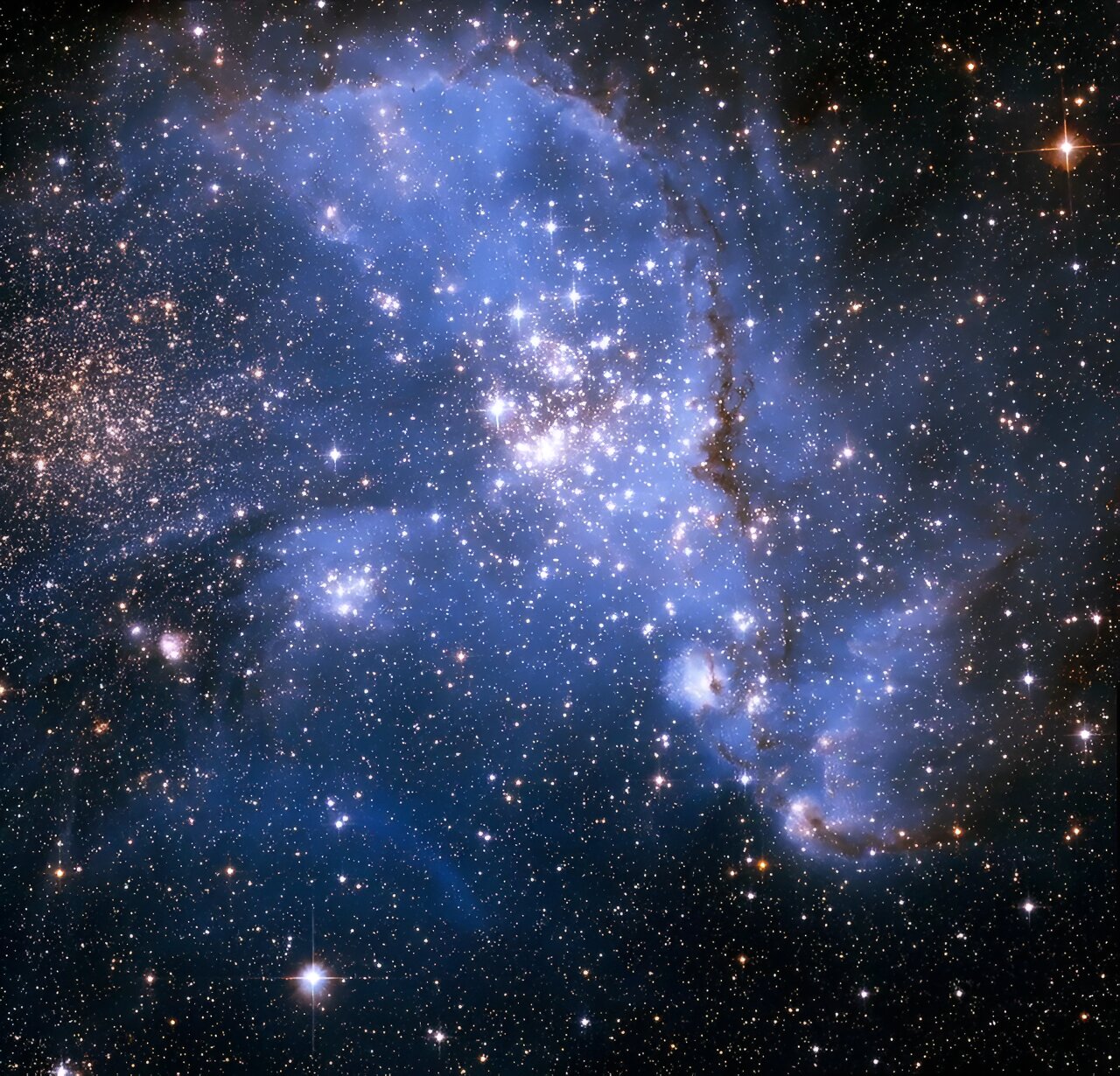
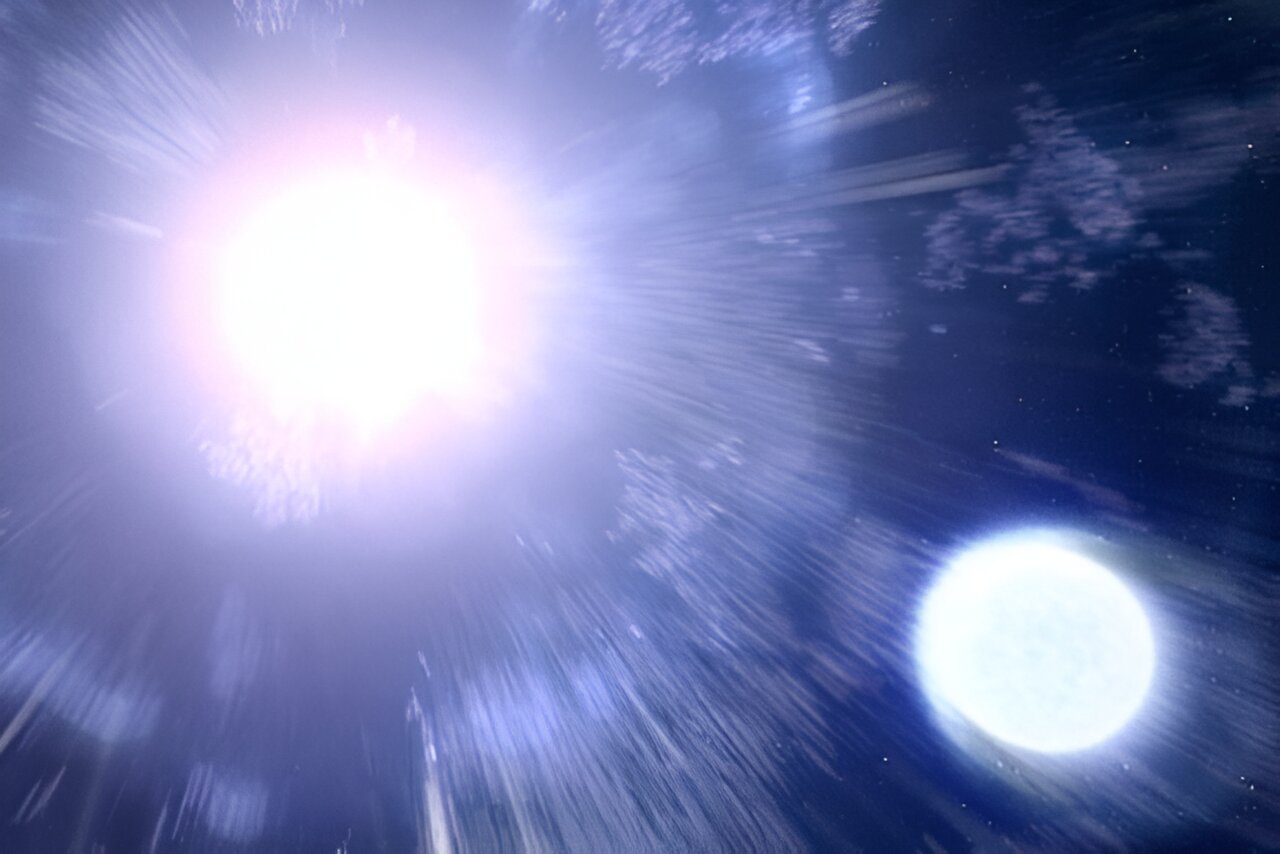
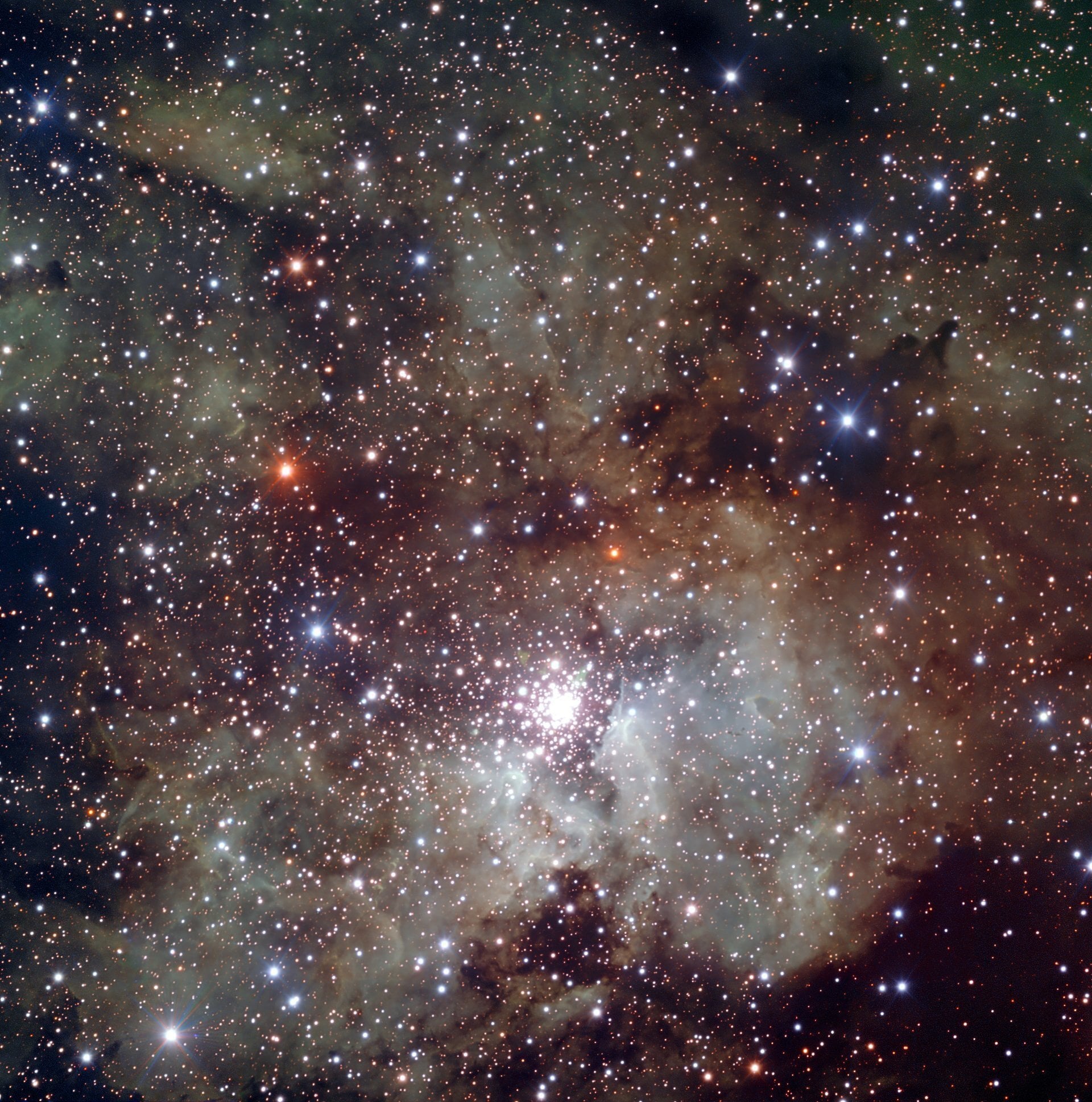
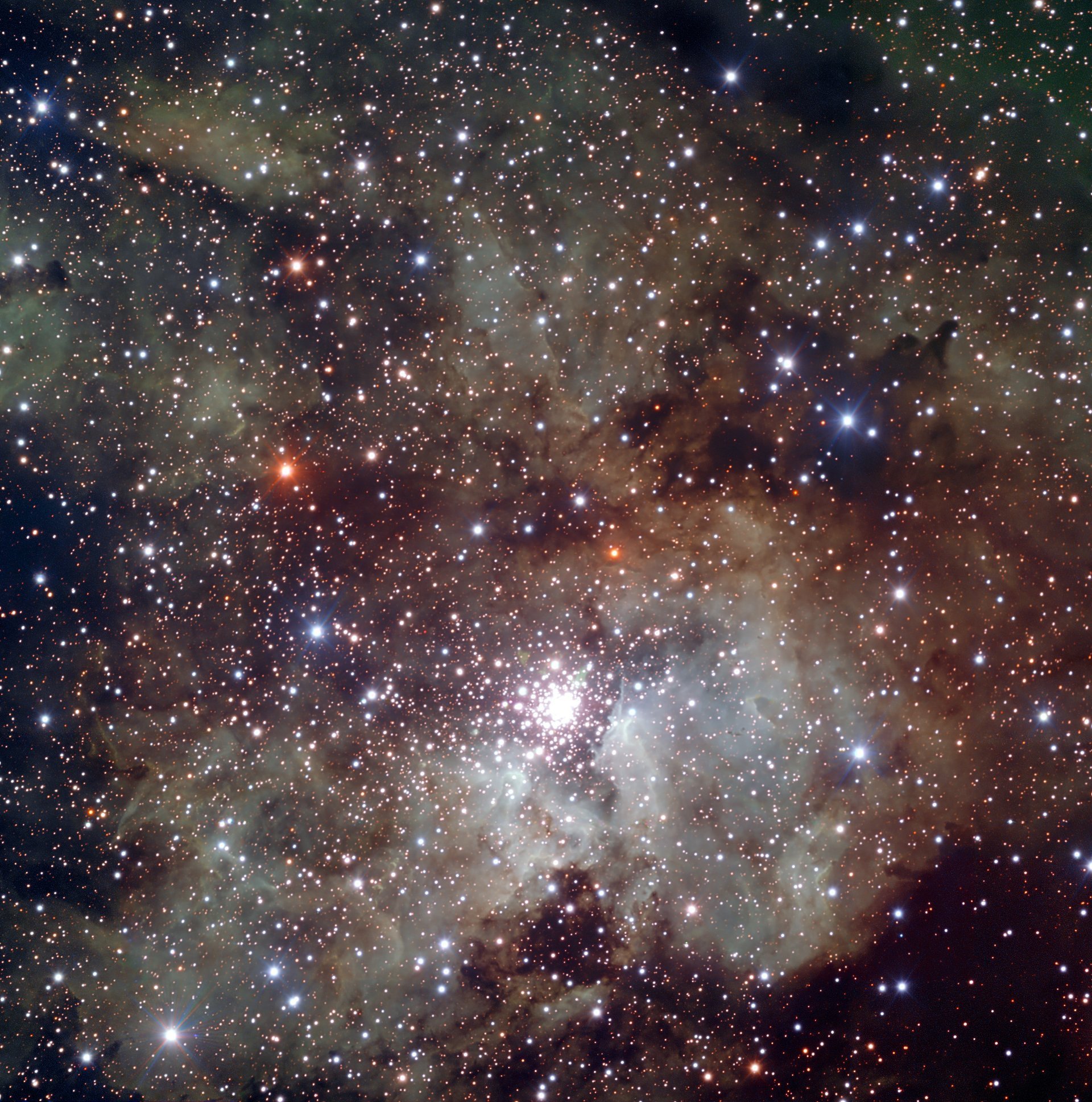
Astronomers have discovered one of the most massive binary star systems in our galaxy, NGC 3603-A1, with two stars weighing 93 and 70 times the Sun's mass, orbiting each other every 3.8 days. This discovery, aided by archival Hubble data and new observations, provides valuable insights into stellar evolution and the origins of binary black holes, highlighting the dynamic and extreme conditions in star-forming regions like NGC 3603.

First Detection of Massive Magnetic Stars Beyond the Milky Way
space-and-astronomy2 years ago

First Detection of Massive Magnetic Stars Beyond the Milky Way

For the first time, astronomers have detected magnetic fields in massive stars outside the Milky Way, specifically in the Large and Small Magellanic Clouds. This discovery offers a unique opportunity to study star formation and evolution in environments similar to the early universe, as these stars are metal-poor like the first stars. Using the FORS2 instrument on the Very Large Telescope, researchers successfully measured magnetic fields in several massive stars, suggesting that low metallicity has little impact on magnetic field strength in these stars. Further studies are needed to confirm these findings.

"Magnetic Massive Stars Spotted Beyond Our Galaxy for the First Time"
astronomy2 years ago

"Magnetic Massive Stars Spotted Beyond Our Galaxy for the First Time"

For the first time, magnetic fields have been detected in three massive, hot stars in the Large and Small Magellanic Clouds, providing a unique opportunity to study star formation and evolution in galaxies with young stellar populations. This discovery, achieved using the FORS2 spectropolarimeter on the Very Large Telescope, offers crucial insights into the role of magnetic fields in the early universe and the formation of neutron stars and black holes.

"Stellar Merger Unveils Magnetic Monster: Solving Nebula Mysteries"
astronomy2 years ago

"Stellar Merger Unveils Magnetic Monster: Solving Nebula Mysteries"

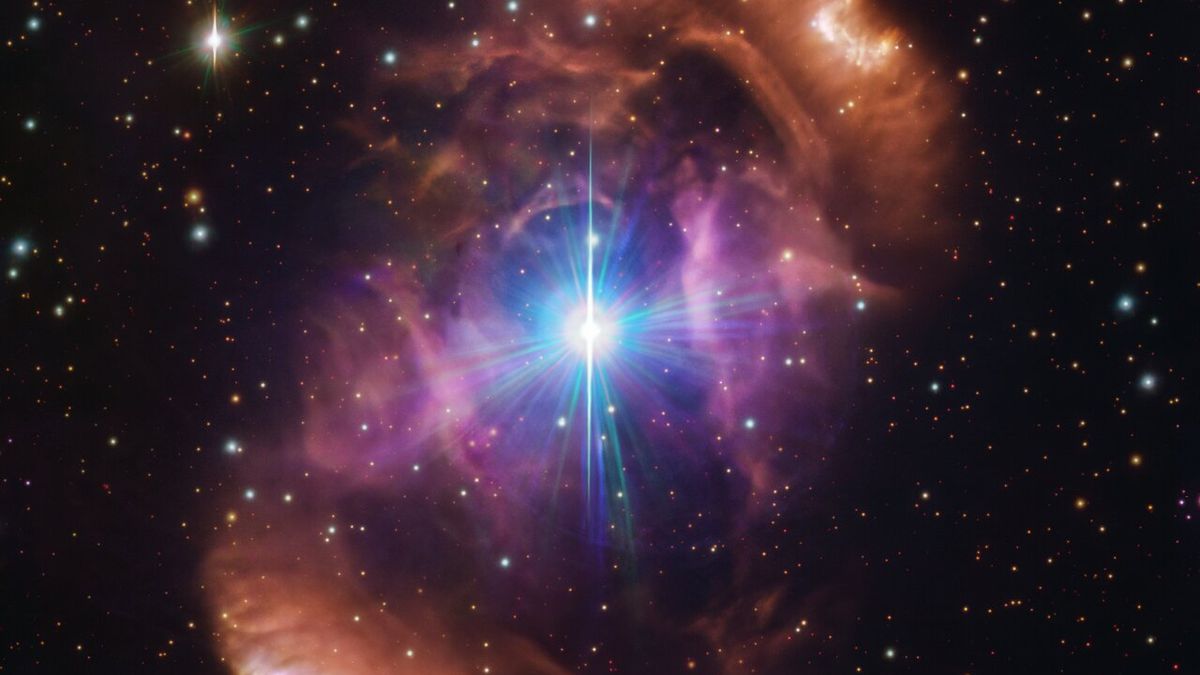
A bizarre binary star system, HD 148937, located 3,800 light-years away, contains two massive stars, one of which is the brightest and hottest known to have a magnetic field. Despite the conventional understanding that massive stars should not have magnetic fields, about 7% of them do. Recent observations suggest that the magnetic field in HD 148937's star was acquired through a violent merger with another star, leading to the creation of a bipolar nebula and shedding light on the origin of magnetic fields in massive stars.

"Unraveling the Magnetic Mystery of the 'Dragon's Egg' Nebula"
astronomy2 years ago

"Unraveling the Magnetic Mystery of the 'Dragon's Egg' Nebula"

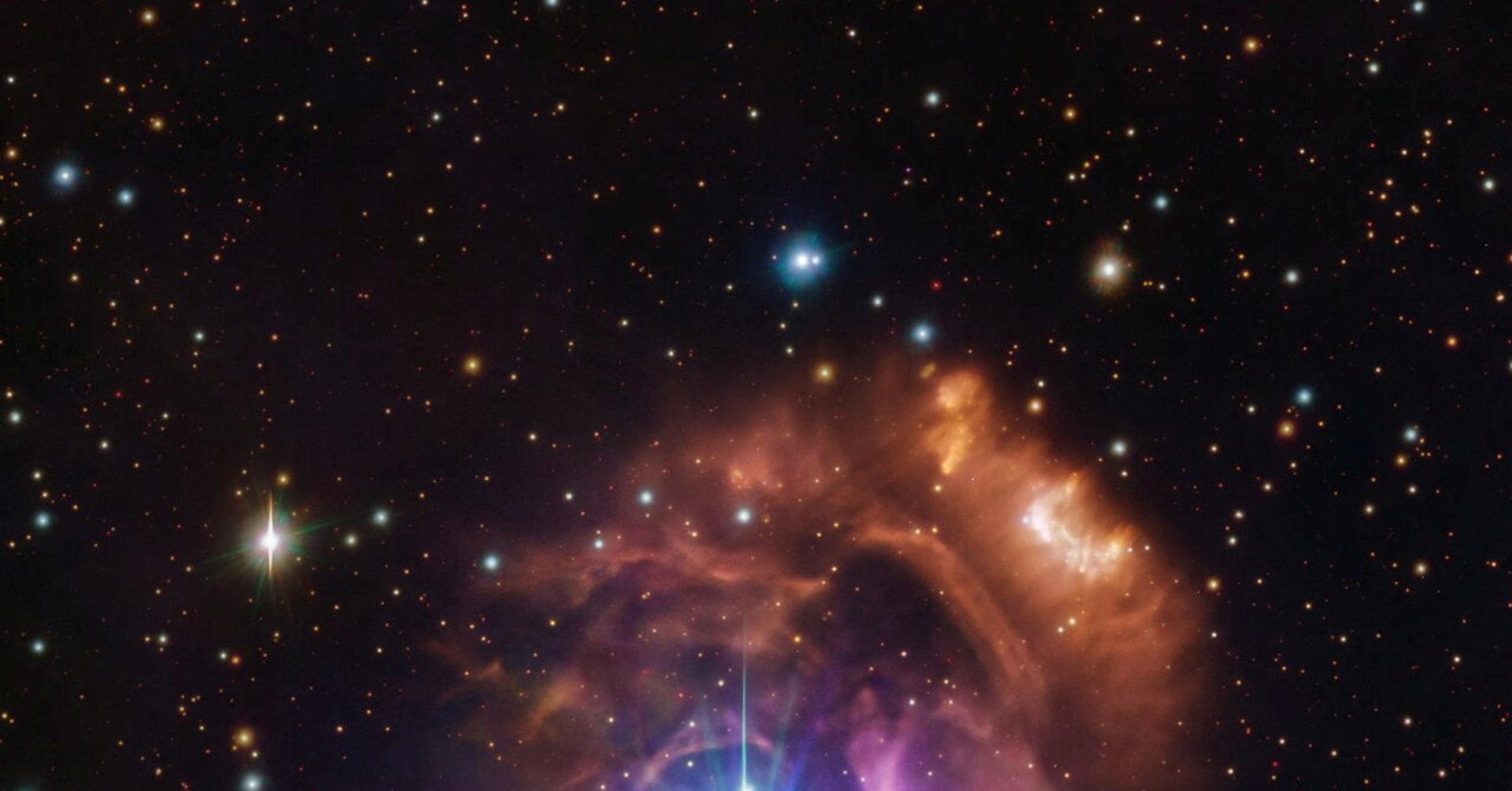
Astronomers have unraveled the mystery of the "Dragon's Egg" nebula, discovering that the magnetic field in one of the stars within it was likely created through a violent merger with a smaller sibling star. This finding explains the presence of magnetic fields in relatively few massive stars and sheds light on the complex physics and chemistry at play in the nebula. The stunning cloud of gas and dust, located in the Milky Way galaxy, is a result of a recent cosmic event and provides valuable insights into the formation and evolution of massive stars.

"Captivating James Webb Telescope Photos Capture Stellar Life Cycles"
astronomy2 years ago

"Captivating James Webb Telescope Photos Capture Stellar Life Cycles"

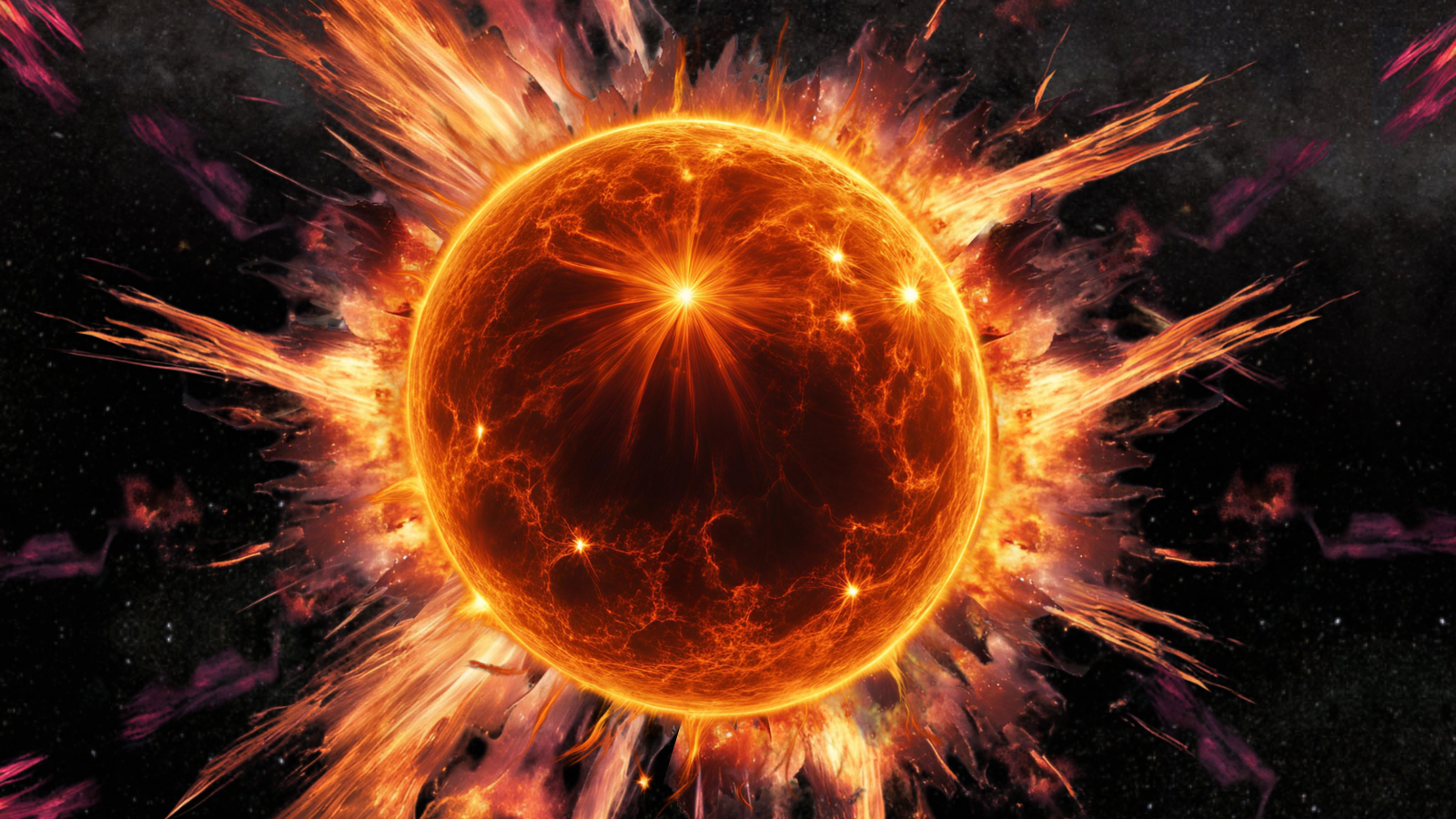
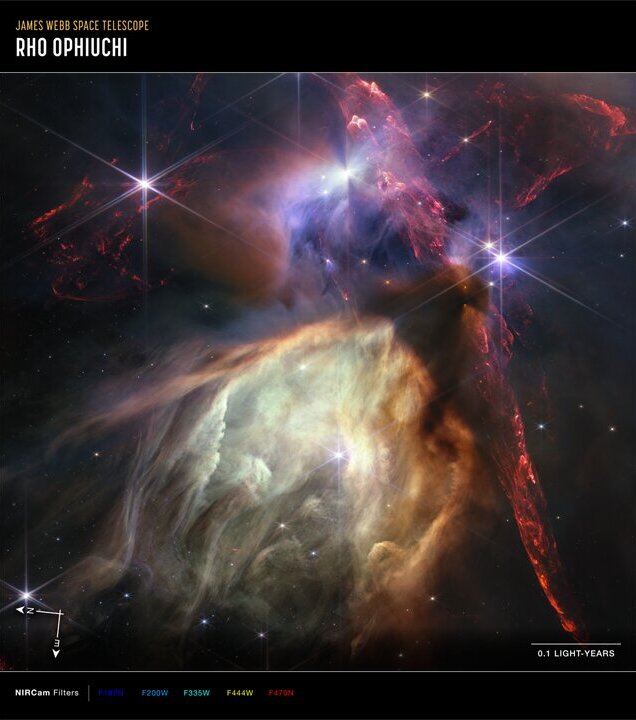
The James Webb Space Telescope has captured stunning images showcasing the birth and death of massive stars. Astronomer Nienke van der Marel explains the significance of these images, including the observation of star-forming regions, young stars, and the evolution of massive stars like Wolf-Rayet 124. These images provide valuable insights into the formation of planets and the enrichment of heavier elements and dust particles, shedding light on the short but explosive lives of massive stars and the remnants left behind after supernovae.

"Stellar Radiation's Impact on Planetary Formation Uncovered by James Webb Telescope"
astronomy2 years ago

"Stellar Radiation's Impact on Planetary Formation Uncovered by James Webb Telescope"

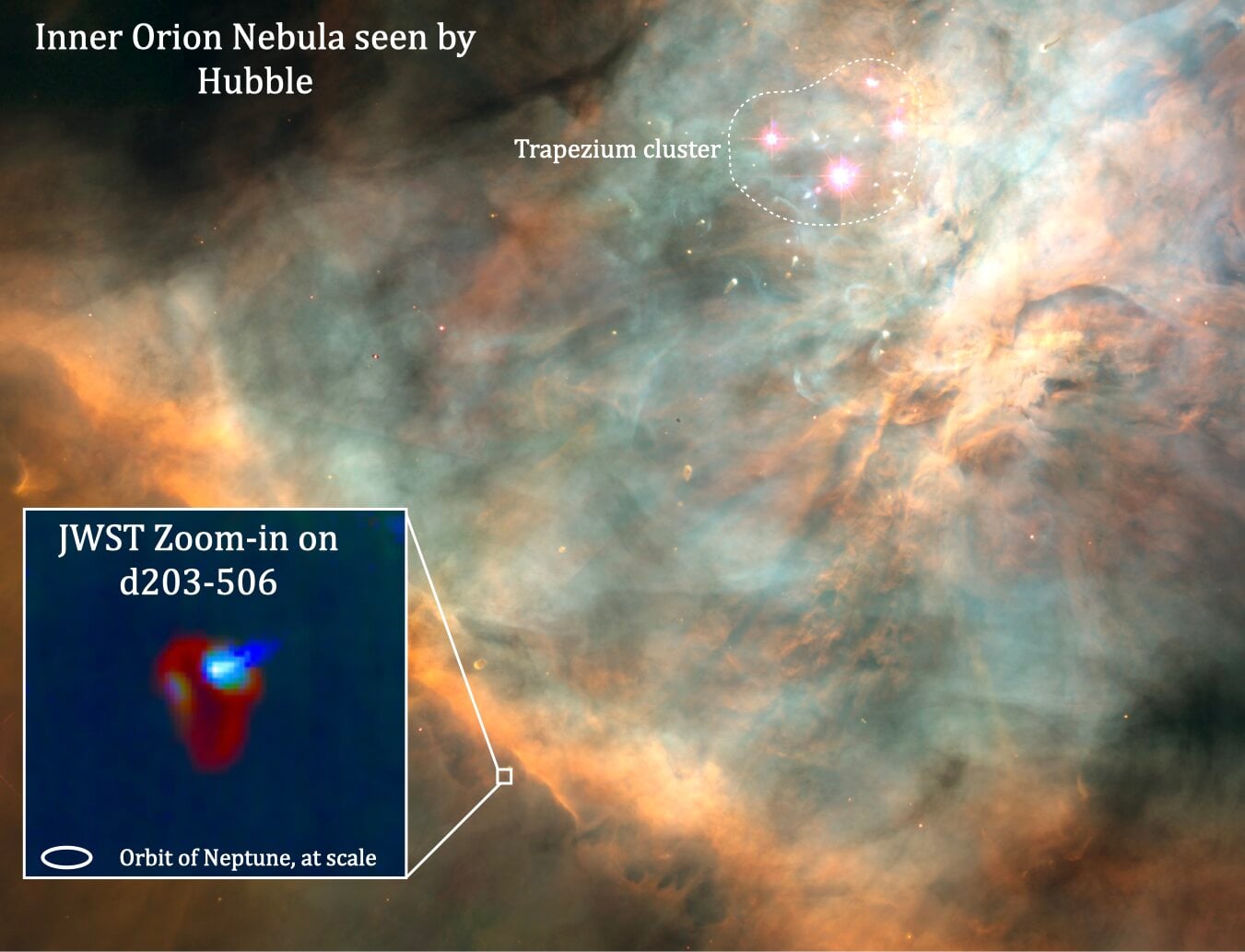
Scientists studying the Orion Nebula with the James Webb Space Telescope have found that massive stars play a crucial role in shaping planetary systems by exposing nascent planets to intense ultraviolet radiation, which can either aid or hinder their formation depending on the star's mass. This discovery sheds new light on the formation of planetary systems and will be featured in the journal Science.

Unveiling the Enigmatic World of Stripped Binary Stars
astronomy2 years ago

Unveiling the Enigmatic World of Stripped Binary Stars

Astronomers at the University of Toronto have discovered a population of massive stars in binary systems that have been stripped of their hydrogen envelopes by their companions. This finding sheds light on the origins of hydrogen-poor core-collapse supernovae and neutron star mergers. The researchers used ultraviolet data from the Swift-UVOT telescope to identify these stripped stars, which are believed to be rare and have important implications for our understanding of supernovae, gravitational waves, and the properties of distant galaxies. The discovery also provides opportunities for more detailed physics studies and measurements of stellar winds.

Massive Stars on the Run: Astronomers Discover Milky Way Escapees
astronomy2 years ago

Massive Stars on the Run: Astronomers Discover Milky Way Escapees

Astronomers have discovered dozens of massive stars that are fleeing the Milky Way. These runaway stars, which have significant peculiar velocities, were identified through a combination of data from the Gaia spacecraft and two stellar catalogues. The study found that a higher percentage of O-type stars, which are young and hot, are runaway stars compared to Be-type stars. The findings suggest that the dynamical ejection scenario, involving gravitational interactions in densely packed regions, is more likely than the binary supernova scenario in explaining the phenomenon of runaway stars.