
Puberty Hormones Likely Drive the Shift from Blond to Dark Hair in Children
Blond hair often darkens during puberty due to hormonal changes that increase eumelanin production, though the specific genetic mechanisms remain unclear.

All articles tagged with #melanin
Blond hair often darkens during puberty due to hormonal changes that increase eumelanin production, though the specific genetic mechanisms remain unclear.
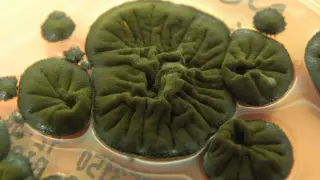
A dark melanized fungus, Cladosporium sphaerospermum, thriving inside the Chernobyl exclusion zone, may exploit ionizing radiation for energy via a proposed radiosynthesis process powered by melanin. While the fungus grows better in radiation and has shown to attenuate radiation in an ISS exposure test, scientists have not proven a real energy-harvesting mechanism or carbon fixation, and the phenomenon is not universal among melanized fungi.
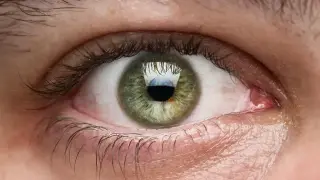
Green eyes are rare (roughly 2% of people) because iris color results from pigment amount and light scattering, driven by multiple genetic variants (notably in genes like OCA2/HERC2). An evolutionary biologist explains that ancestry, migration, and selective pressures help explain the rarity, though the exact advantage of green irises remains uncertain.
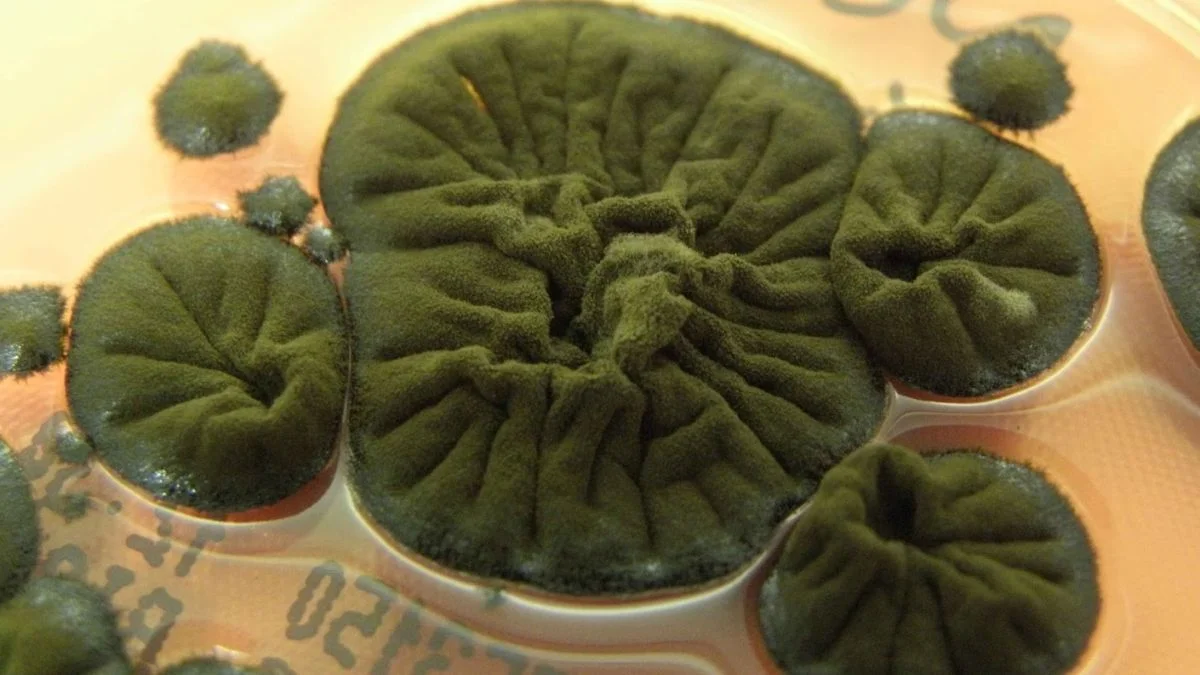
Scientists studying the black fungus Cladosporium sphaerospermum in the Chernobyl Exclusion Zone report it grows better in ionizing radiation, possibly via a radiosynthesis-like process in which melanin could harvest energy while shielding the fungus from damage; though earlier work suggested a photosynthesis‑like pathway and a 2022 ISS experiment showed radiation shielding, a concrete energy-harvesting mechanism remains unproven, leaving the exact purpose of radiation tolerance uncertain and highlighting life’s adaptations in extreme environments.

Researchers studying Cladosporium sphaerospermum—an often-black fungus—found it not only tolerates radiation but may grow toward it and form biomass that, in tests aboard the ISS, accumulated faster (about 21% more quickly than Earth controls) under space conditions. Melanin-rich fungi could help absorb radiation, suggesting a potential “living shield” concept for future spacecraft, possibly combined with local materials in ISRU. The work, conducted in a CubeLab on the ISS, is a proof-of-principle with limitations (small payload, controlled Petri dish setup) and does not demonstrate radiosynthesis; further experiments are needed to assess reliability across conditions and particle types.
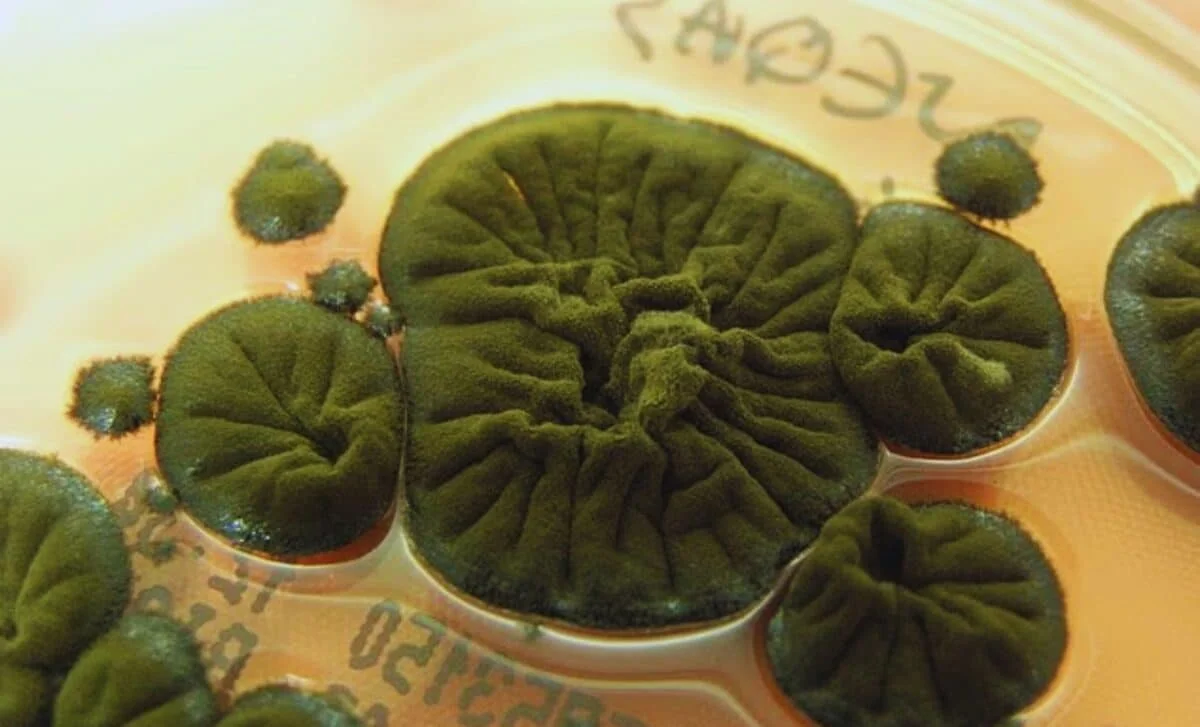
In the radioactive ruins of Chernobyl’s Reactor 4, the black fungus Cladosporium sphaerospermum appears to grow better in ionizing radiation, a finding that rekindles interest in melanin’s role in radiation interactions and the radiosynthesis hypothesis, though a proven energy-conversion pathway has not yet been demonstrated.
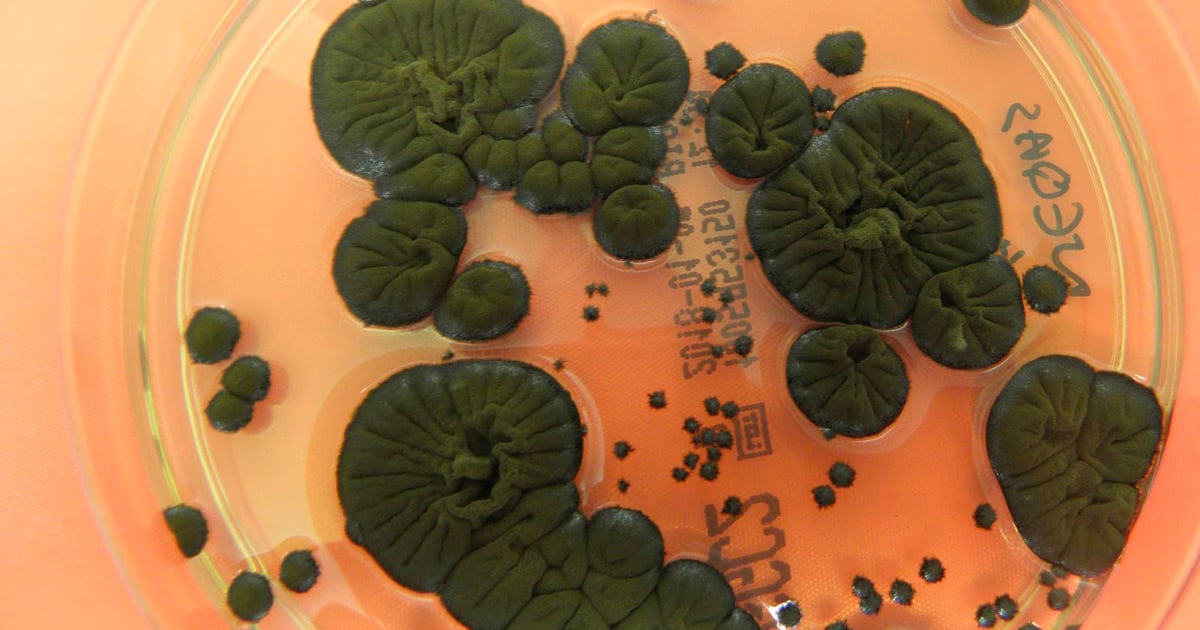
A black fungus, Cladosporium sphaerospermum, thriving in Chernobyl's radioactive environment, may be harnessing ionizing radiation as an energy source through a process called radiosynthesis, challenging our understanding of life’s resilience in extreme conditions.
Researchers have discovered a black fungus at Chernobyl that can convert radiation into energy, showing potential as a biological radiation shield for space missions, with experiments indicating it could be used in future space habitats to protect astronauts from cosmic radiation.
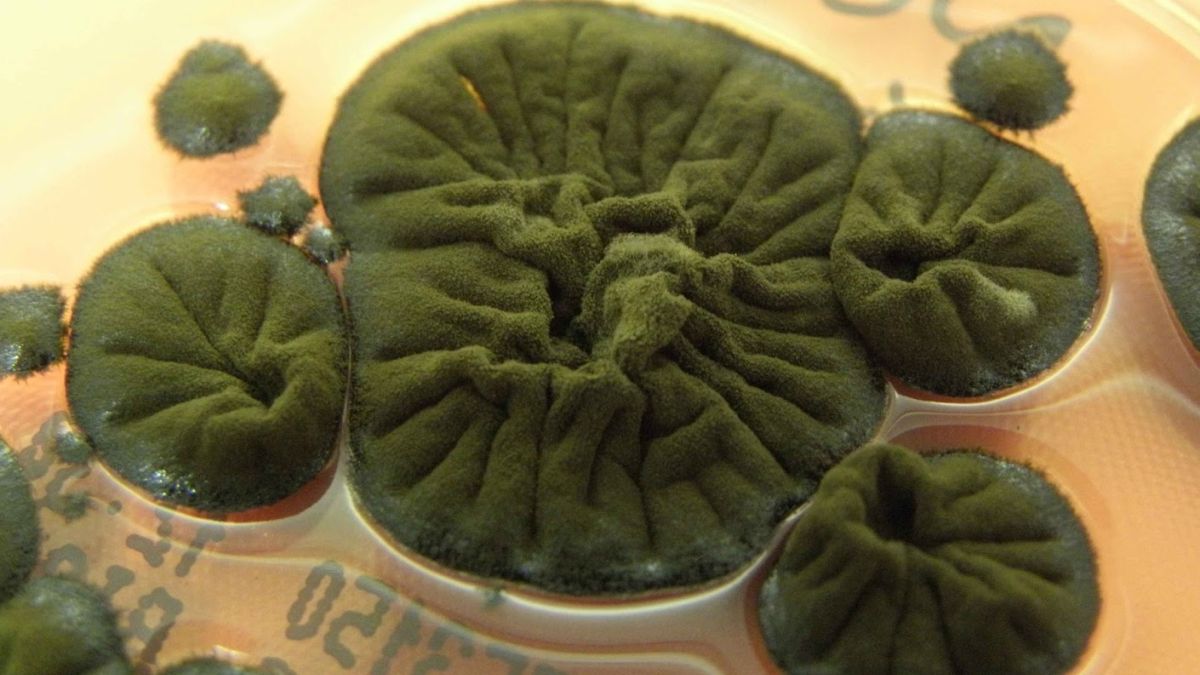
Scientists have discovered a black fungus, Cladosporium sphaerospermum, thriving in the radioactive environment of Chernobyl, potentially using a process called radiosynthesis to harness ionizing radiation for energy, though the exact mechanism remains unknown.

Certain nutrients like copper, iron, vitamin D, B12, and folate may help slow premature gray hair by supporting melanin production, but overall health practices like reducing stress and getting enough sleep are also important.
Emerging research highlights the impact of skin tone, influenced by melanin levels, on drug efficacy and safety, revealing gaps in current drug development processes. Melanin can alter drug distribution and metabolism, affecting bioavailability and potentially leading to different health outcomes across skin tones. Advances in cell biology, such as 3D cell models and organ-on-a-chip systems, offer tools to study these interactions, but regulatory support and increased diversity in clinical trials are needed to ensure equitable healthcare. New policies aim to improve trial representation and trust among minority groups.

Dr. Ahmed, a UK-based GP, suggests that premature greying of hair could be linked to copper deficiency, which affects melanin production responsible for hair pigment. He advises checking copper absorption levels, especially if experiencing lethargy or anemia, before taking supplements. Copper is essential for energy metabolism and iron absorption, and can be found in foods like nuts and shellfish. Dr. Ahmed recommends trying natural supplements like cacao powder for those with low copper levels, but warns against self-supplementing without medical advice.

New research examines the potential habitability of exoplanets orbiting red dwarf stars by testing the survivability of Aspergillus niger spores, which produce melanin, when exposed to simulated red dwarf radiation. The study suggests that these spores could survive the intense radiation environments on red dwarf exoplanets if shielded by a few millimeters of soil or water, highlighting the potential role of melanin in the survival of organisms in harsh conditions. This research sheds light on the possibility of life on exoplanets orbiting red dwarfs and provides insights into how melanin may have played a role in the origin and evolution of life on Earth and potentially on other worlds.

The mystery of the world's only captive brown and white panda, Qizai, has been solved with genetics. Researchers identified a gene, Bace2, that may be responsible for the unusual fur color by sequencing the genomes of brown and black-and-white pandas. Mice with the same mutation in Bace2 had light fur, suggesting a link to hypopigmentation. This discovery sheds light on the genetic basis of Qizai's unique coloring and represents a significant step in understanding these rare pandas.

Black and brown people may struggle to get enough vitamin D due to their skin's melanin blocking UVB rays needed for production, leading to a higher risk of deficiency. Vitamin D is essential for bone health, mood, energy, and other metabolic processes. Recommendations for increasing vitamin D intake include sun exposure, consuming vitamin D-rich foods, and consulting a doctor for supplements. It's important for individuals, especially those with darker skin, to monitor their vitamin D levels and seek medical advice before taking supplements to avoid potential toxicity.