Tag

Metagenomics

All articles tagged with #metagenomics

Hybrid sequencing reveals hidden GBR plankton genomes and reef-management signals
science1 month ago

Hybrid sequencing reveals hidden GBR plankton genomes and reef-management signals

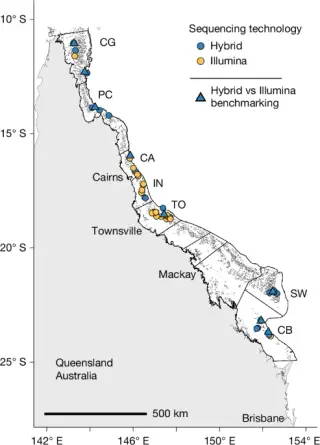
A Nature study introduces the Great Barrier Reef Microbial Genomes Database (GBR-MGD), compiling 5,283 prokaryotic genomes plus 20 picoeukaryote and 808,585 viral genomes from GBR seawater using hybrid Nanopore and Illumina sequencing; it shows Illumina-only short reads miss low-GC, highly diverse taxa like Pelagibacter and Prochlorococcus, which Nanopore long reads capture, enabling chromosome-level eukaryotic MAGs and expanded Crassvirales; the GBR-MGD links microbial community shifts to reef zoning, identifying indicator taxa that predict reef protection status and demonstrating a large-scale ecosystem-level impact of fisheries management on microbial communities; the work advocates routine long-read metagenomics to improve marine microbiome inventories and support predictive reef monitoring.

Great Barrier Reef microbiome mapped reveals hundreds of thousands of viruses and hundreds of new bacteria
science1 month ago

Great Barrier Reef microbiome mapped reveals hundreds of thousands of viruses and hundreds of new bacteria

Researchers mapped the Great Barrier Reef microbiome by sequencing seawater DNA from 48 reefs, uncovering more than 360,000 distinct viruses and 808,585 viral genomes across about 362,802 viruses, plus 5,283 bacterial/archaeal genomes representing 876 species (584 newly documented). Published in Nature, the work suggests reef microbes underpin the ecosystem and could serve as early indicators of health and stress from climate change, bleaching, and pollution, enabling monitoring through microbial signatures with long‑read sequencing.

Mobilome drives microbial diversity and function in Arctic thaw soils
science2 months ago

Mobilome drives microbial diversity and function in Arctic thaw soils

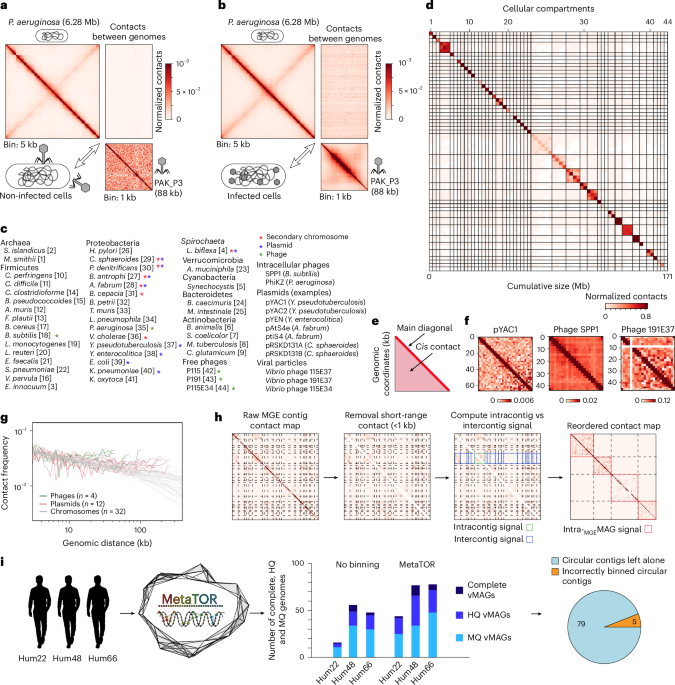
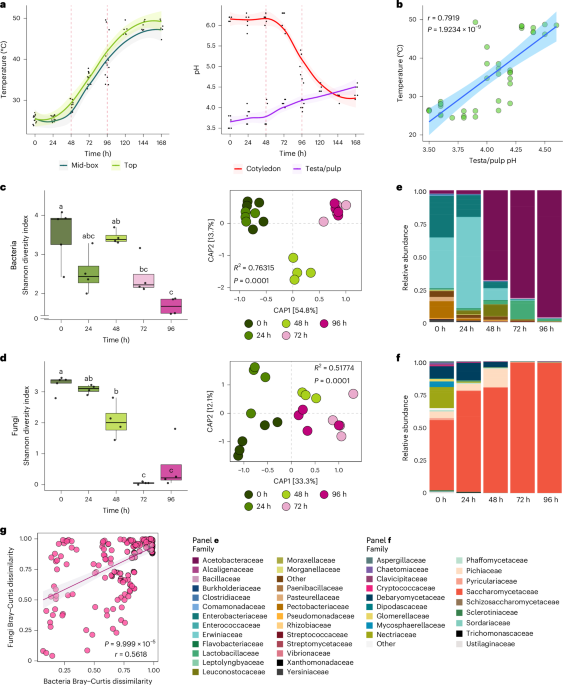
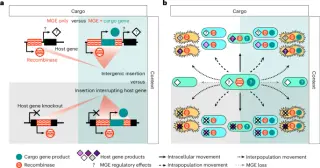
An eight-year meta-omic study of Stordalen Mire soils reveals ~2.1 million mobile genetic element (MGE) recombinases across 89 microbial phyla, with insertion sequences/transposons dominating and an active mobilome reshaping host gene content and metabolic functions—especially those related to carbon flux and nutrient cycling—across palsa, bog and fen habitats. By comparing short- and long-read assemblies, the work quantifies MGE recovery and mobility, provides metatranscriptomic/metagenomic metrics of MGE activity, and offers a framework to quantify MGEs’ ecological impacts in complex natural microbiomes during permafrost thaw.

Global vaginal microbiome atlas ties host genetics and ancestry to microbial diversity
genetics2 months ago

Global vaginal microbiome atlas ties host genetics and ancestry to microbial diversity

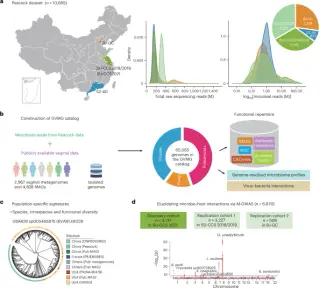
Researchers built the Global Vaginal Metagenome-Assembled Genomes (GVMG) catalog by integrating 10,665 Chinese metagenomes with 2,967 public datasets, recovering 65,055 genomes across bacteria, fungi and viruses and identifying 890 prokaryotic species. The study reveals substantial population-specific genomic variation and host–microbe associations, including seven host genetic loci (notably OPRK1) linked to vaginal microbes such as Ureaplasma urealyticum, and delineates 12 vaginal community state types, highlighting how host genetics and geography shape the vaginal microbiome. This work provides a comprehensive reference for future genotype–microbiome analyses and enables broader multi-kingdom insights into vaginal health.

Terabase-Scale Sequencing Uncovers New Soil Bacteria and Bioactive Molecules
science11 months ago

Terabase-Scale Sequencing Uncovers New Soil Bacteria and Bioactive Molecules

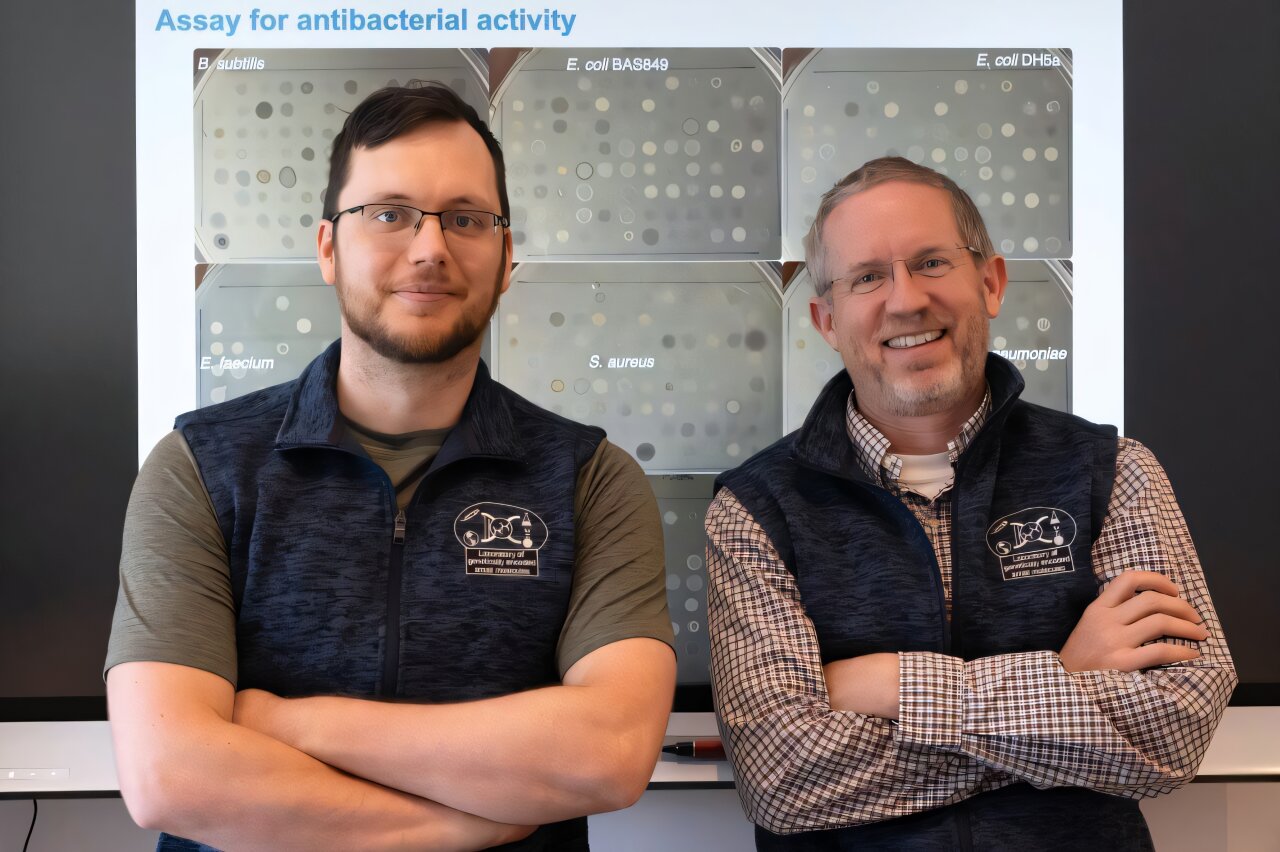
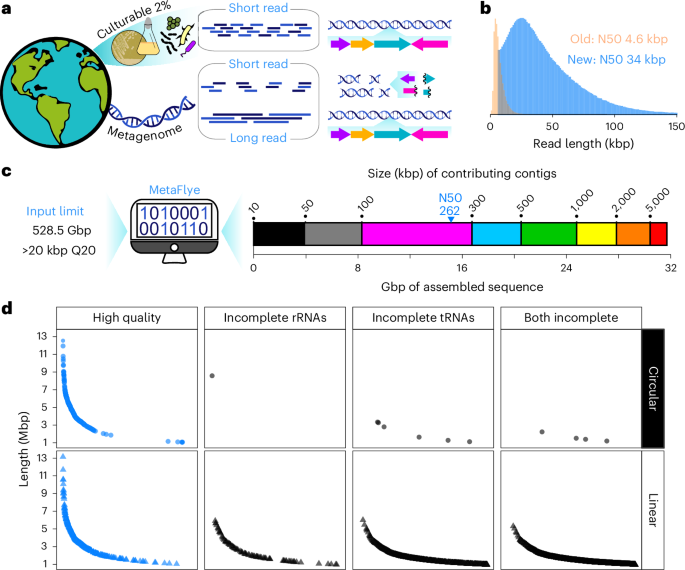
A soil metagenome was sequenced using terabase-scale long-read nanopore technology, leading to the assembly of hundreds of complete bacterial genomes and the discovery of novel biosynthetic gene clusters, including new antibiotics, demonstrating the power of long-read sequencing for exploring microbial dark matter and natural product potential.

science-and-technology2 years ago

Unveiling the Hidden Potential: The Significance of Unknown Genes from Uncultivated Taxa

Researchers have analyzed 149,842 environmental genomes and compiled a catalog of 404,085 novel gene families exclusive to uncultivated prokaryotic taxa. These functionally and evolutionarily significant genes span multiple species and exhibit strong signals of purifying selection. The catalog includes novel families that can distinguish entire uncultivated phyla, classes, and orders, potentially representing synapomorphies that facilitated their evolutionary divergence. The researchers predicted functional associations for a significant portion of these gene families and experimentally validated a new gene family involved in cell motility and a novel set of antimicrobial peptides. The relative abundance profiles of these novel gene families can also discriminate between environments and clinical conditions, leading to the discovery of potential new biomarkers associated with colorectal cancer. This study expands our knowledge of the genetic repertory of uncultivated organisms and enhances future metagenomics studies.

science3 years ago

"Redefining Biology: The Holobiont Paradigm Shift"

The concept of holobionts, which refers to the idea that plants and animals are parts of a united meta-organism whose components evolve in concert with each other, represents a paradigm shift in biology. Biologists are using metagenomics to analyze the genomes of everything in a sample, and they are finding that almost every multicellular organism and even some single-celled ones have symbionts. The idea of holobionts is catching on, and it is acting as a reminder to biologists never to neglect a possible role for the microbiome in any phenomenon they are trying to understand.

Exploring the Virome of the Last Eukaryotic Common Ancestor.
science3 years ago

Exploring the Virome of the Last Eukaryotic Common Ancestor.

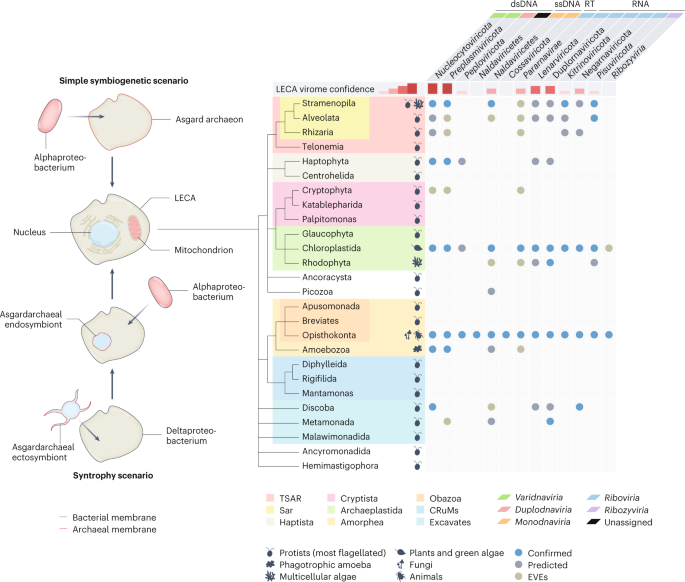
A new study explores the virome of the last eukaryotic common ancestor (LECA) and its implications for the origin of eukaryotes. The study suggests that the LECA virome was diverse and complex, with viruses potentially playing a role in the evolution of eukaryotes. The study also highlights the importance of metagenomics in uncovering the diversity and evolution of viruses, including those that infect eukaryotes.