Tag

Orbital Dynamics

All articles tagged with #orbital dynamics

Mars Shapes Earth's Ice-Age Rhythm, New Simulations Show
science27 days ago

Mars Shapes Earth's Ice-Age Rhythm, New Simulations Show

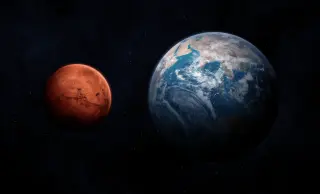
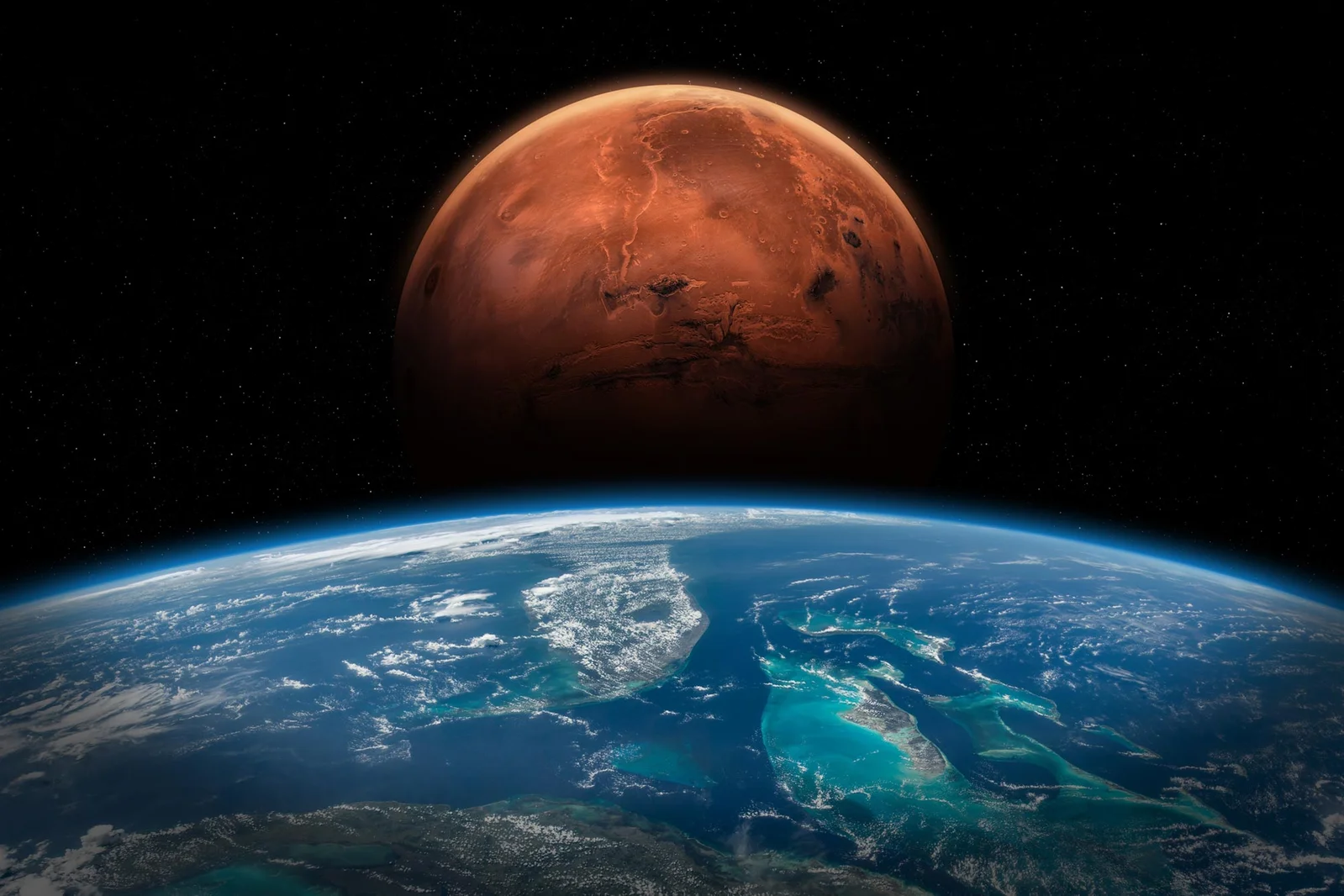
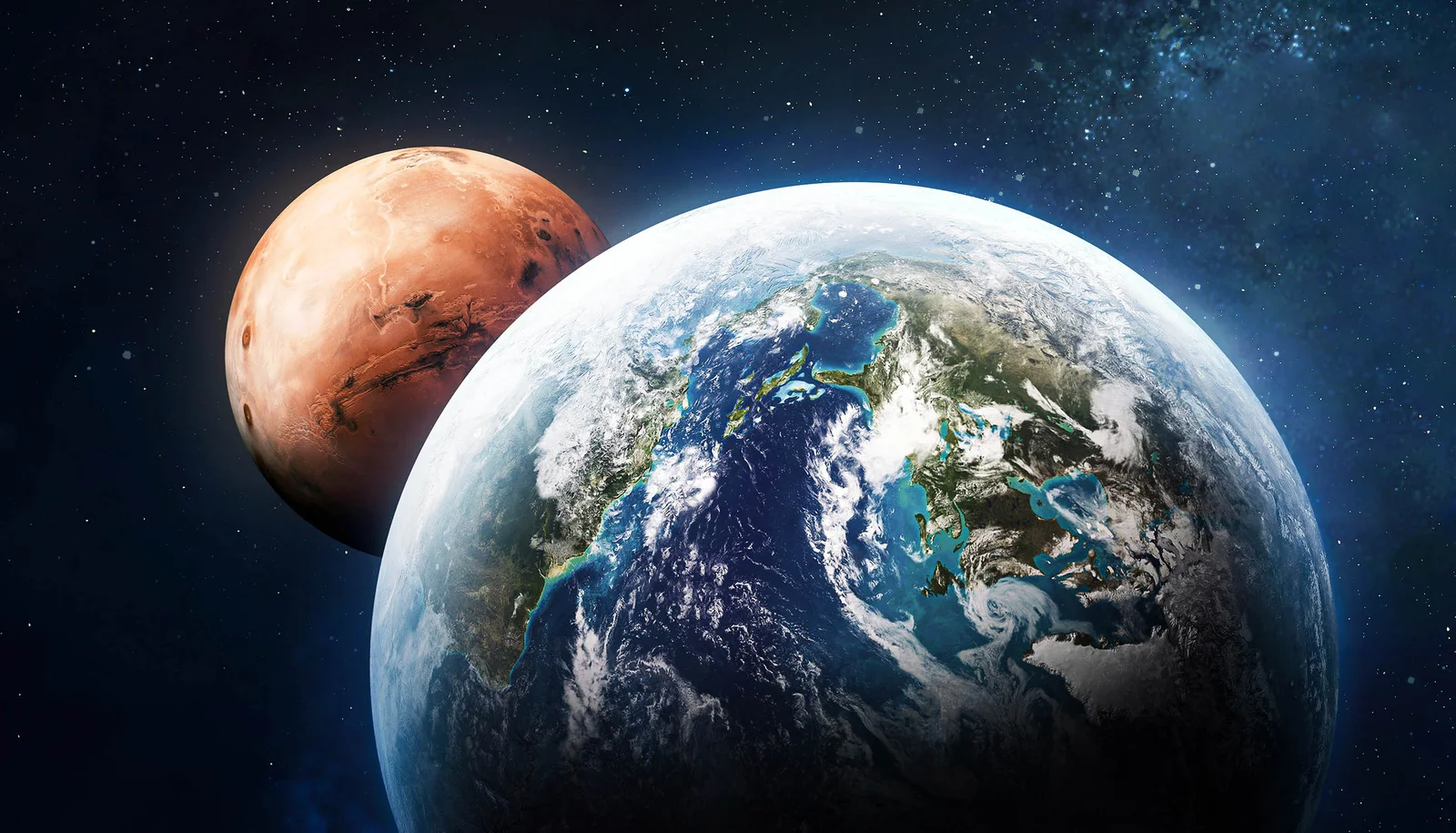
UC Riverside planetary astrophysicist Stephen Kane’s simulations show Mars exerts a measurable influence on Earth’s orbital variations and tilt, helping to drive Milankovitch cycles that govern ice-age timing. Removing Mars erases two long cycles (about 100,000 and 2.3 million years), while increasing Mars’ mass shortens them, suggesting outer planets can affect climates on Earth-like worlds.

Mars’s gravity may pace Earth’s ice-age clock
science1 month ago

Mars’s gravity may pace Earth’s ice-age clock

New simulations show Mars helps set a 2.4-million-year rhythm in Earth’s orbit that paces Milankovitch cycles and influences ice-age timing. By running the solar system with and without Mars, researchers found the red planet’s gravity shapes orbital frequencies and Earth’s tilt; removing Mars erased a key cycle, tying these climate rhythms to planetary dynamics. While greenhouse gases and ocean circulation remain primary drivers of temperature swings, the study connects orbital science to rock records and suggests broader implications for understanding climates on other worlds.

Mars Is Earth's Climate Stabilizer, New Study Finds
science2 months ago

Mars Is Earth's Climate Stabilizer, New Study Finds

New simulations indicate Mars’ gravity subtly stabilizes Earth’s climate by damping changes in its axial tilt; without Mars, major climate cycles like ice ages could disappear, and increasing Mars’ mass would shorten these cycles—revealing a surprising, system-wide gravitational connection that could affect how we think about habitability in other planetary systems.

"Advancements in Stellar Observations Blur Earth's Historical and Future Understanding"
space-and-cosmos2 years ago

"Advancements in Stellar Observations Blur Earth's Historical and Future Understanding"

Astronomers' improved ability to track the motions of stars beyond the solar system has made it more challenging to predict Earth's future and reconstruct its past. New simulations considering the effects of stars passing our solar system have reduced scientists' ability to look back or ahead by another 10 million years, emphasizing the significant impact of external celestial bodies on planetary orbits.

Uncovering the Secrets of an Immortal Star in the Cosmos
astronomy3 years ago

Uncovering the Secrets of an Immortal Star in the Cosmos

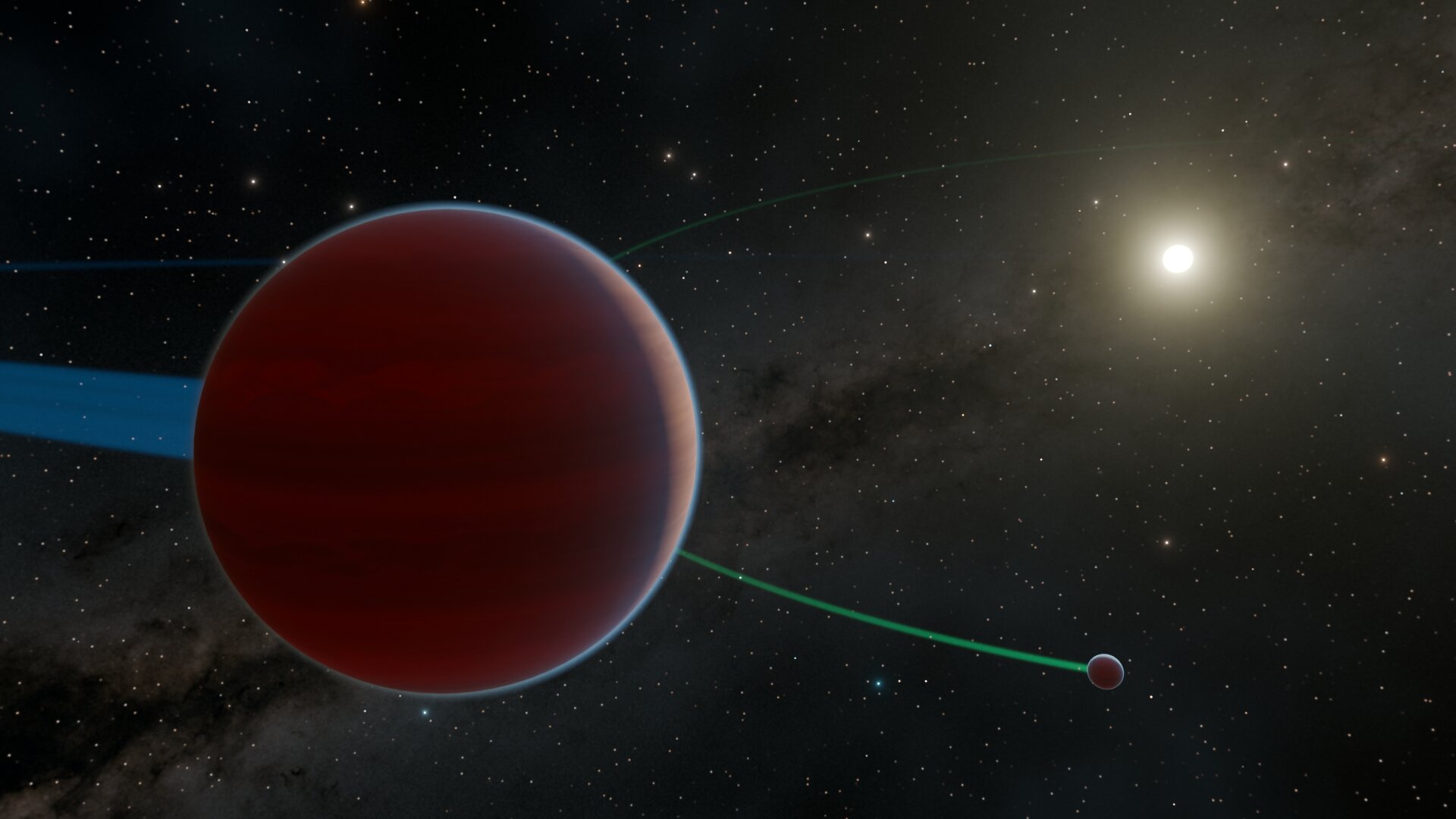
Physicists have developed a model that explains the unexpected orbit of a star around a supermassive black hole, providing new insights into one of the cosmos’ most extreme environments. The team's findings describe the capture of the star by a supermassive black hole, the stripping of the material each time the star comes close to the black hole, and the delay between when the material is stripped and when it feeds the black hole again. The team is studying a tidal disruption event (TDE) known as AT2018fyk, which is the first to develop and use a detailed model of a repeating partial TDE to explain the observations, make predictions about the orbital properties of a star in a distant galaxy, and understand the partial tidal disruption process.