Tag

Planetary Collision

All articles tagged with #planetary collision

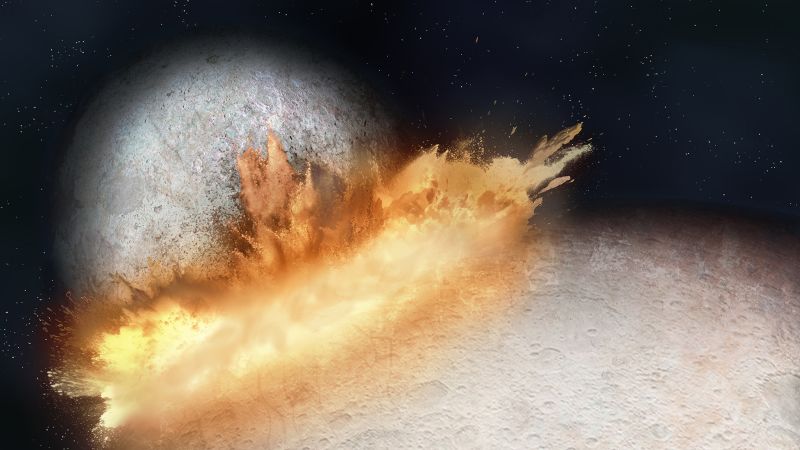
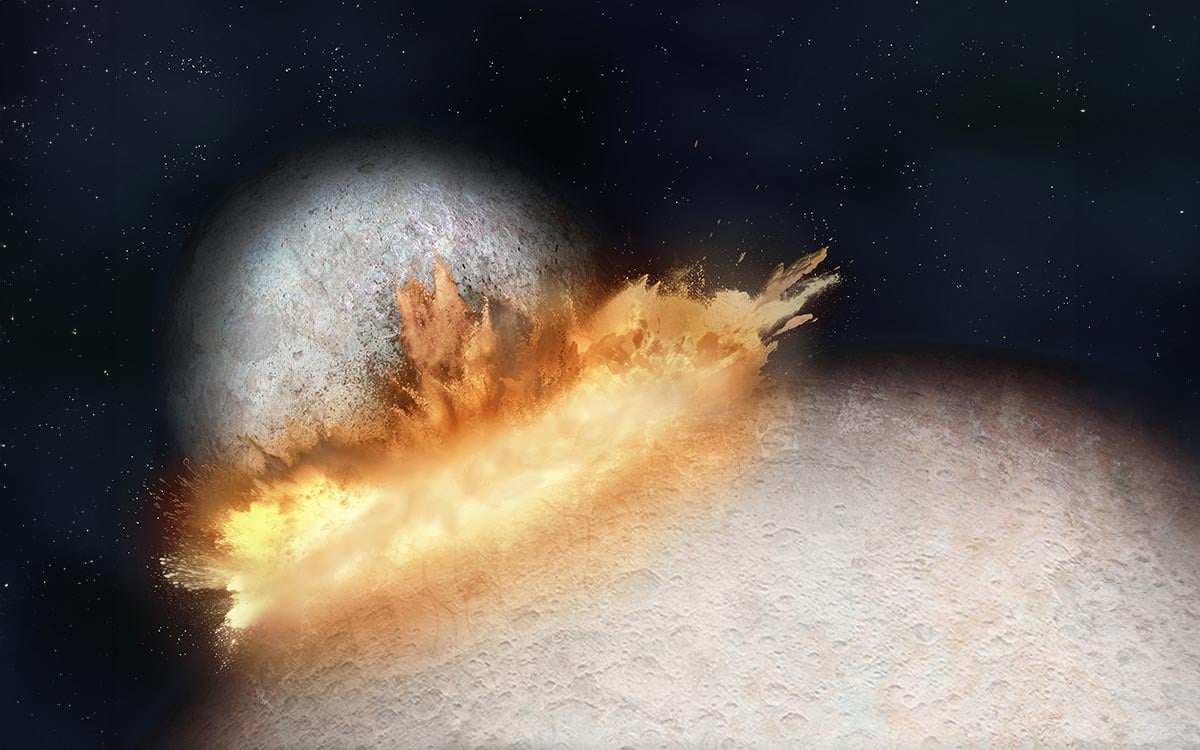
Glimpse of a planetary crash 11,000 light-years away reshapes planet-formation ideas
science28 days ago

Glimpse of a planetary crash 11,000 light-years away reshapes planet-formation ideas

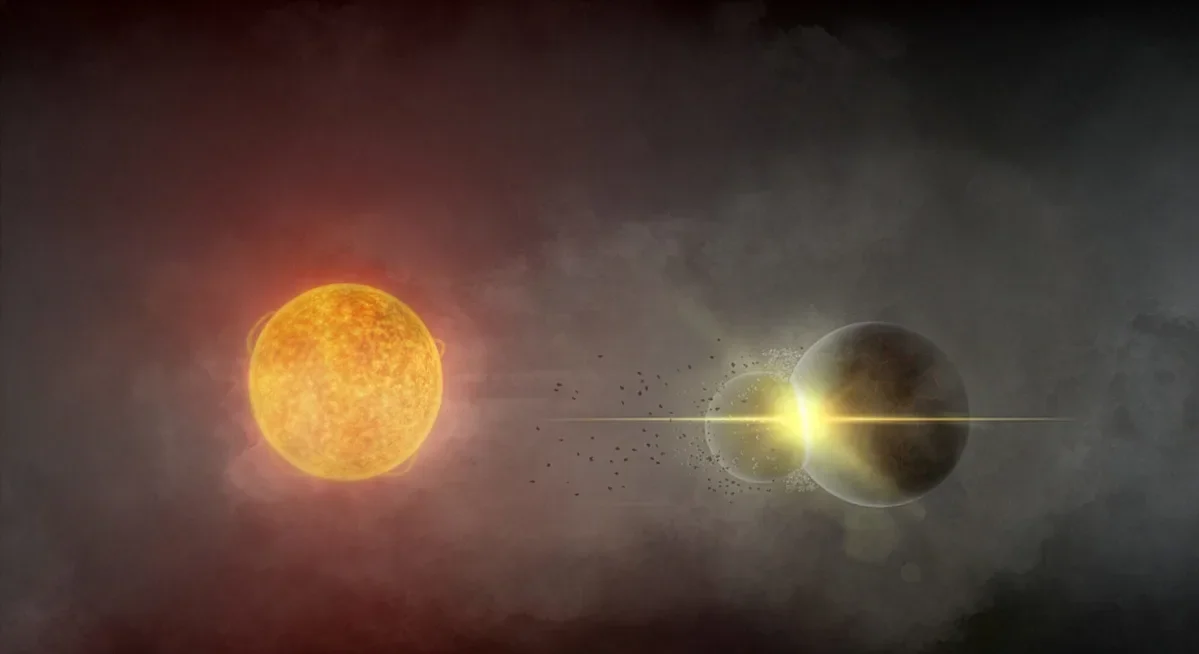
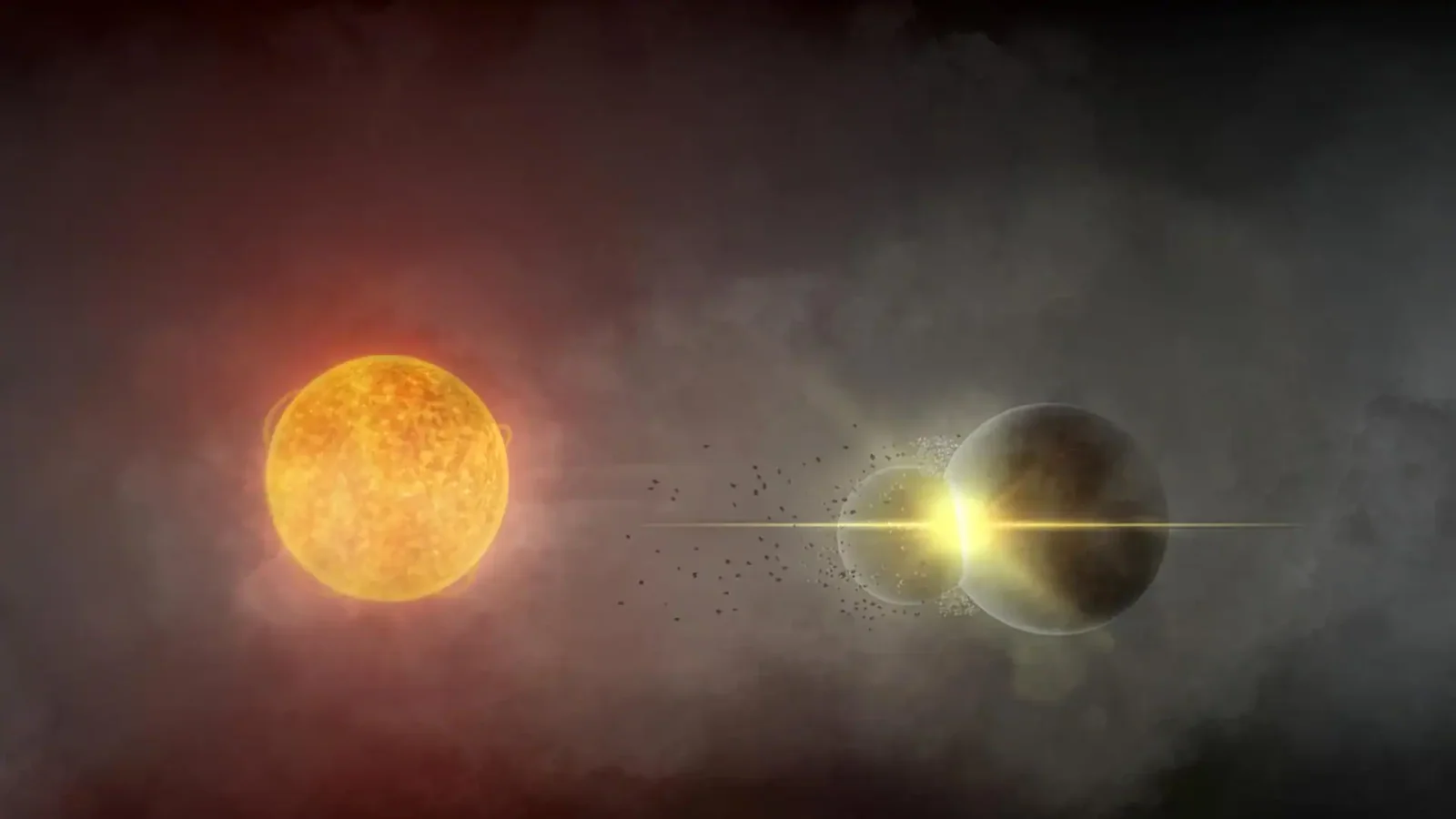
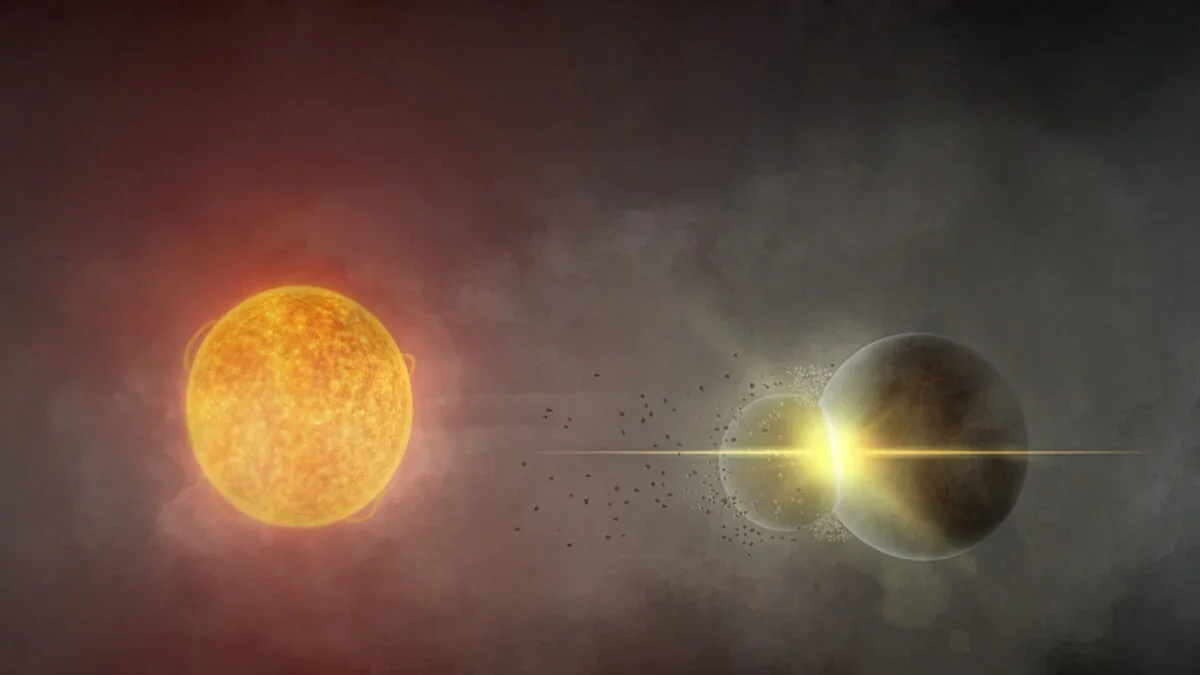
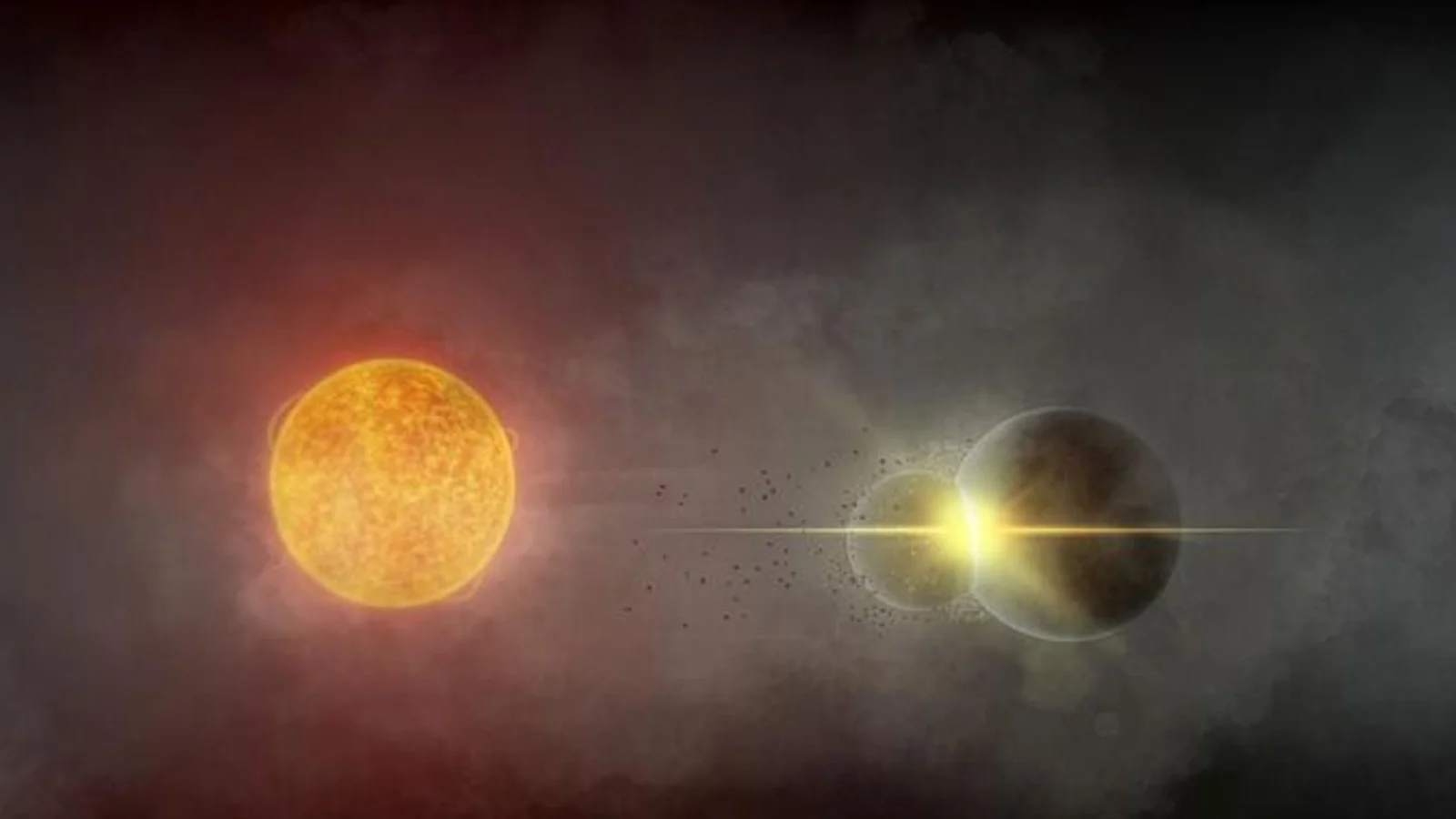
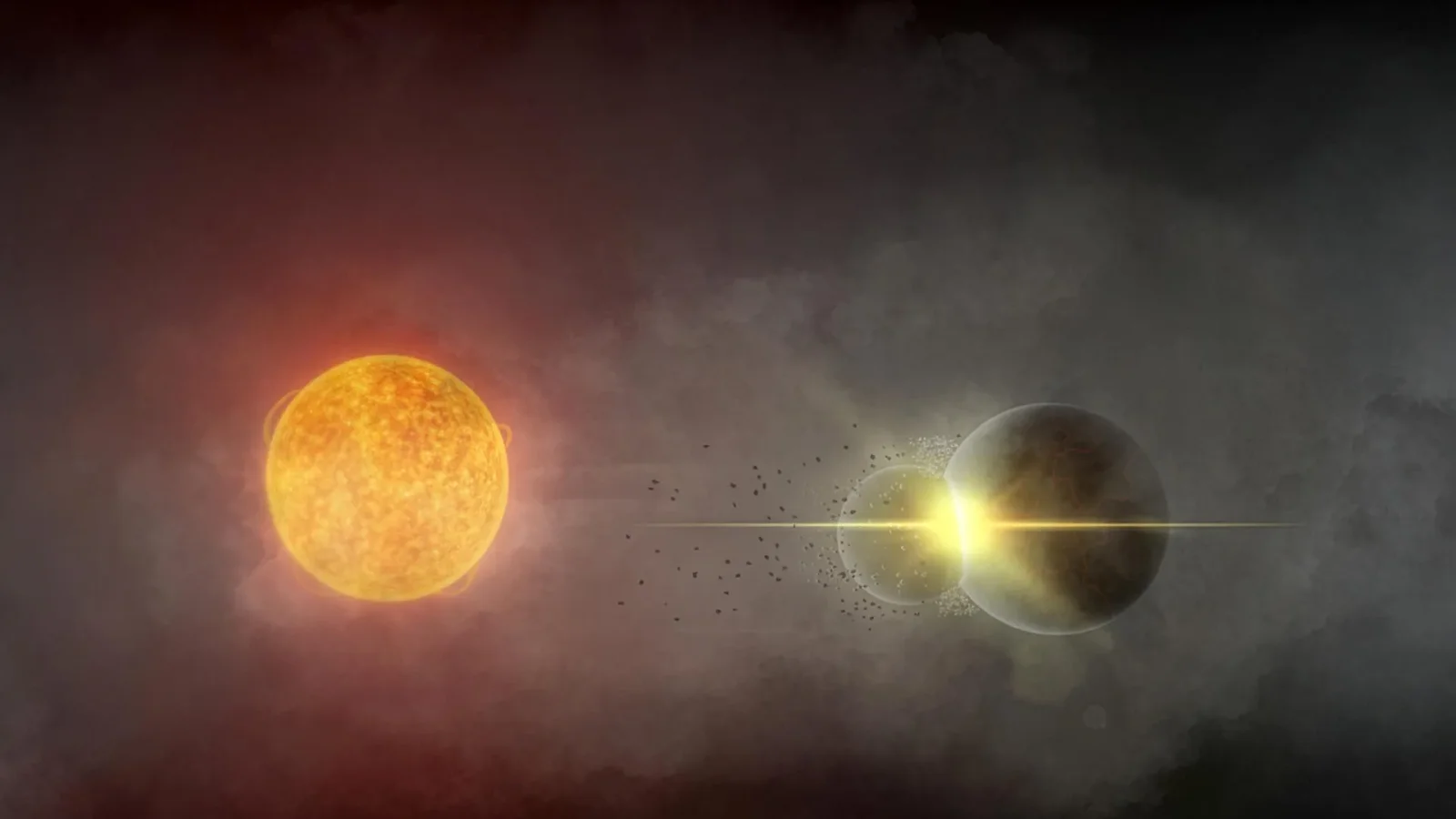
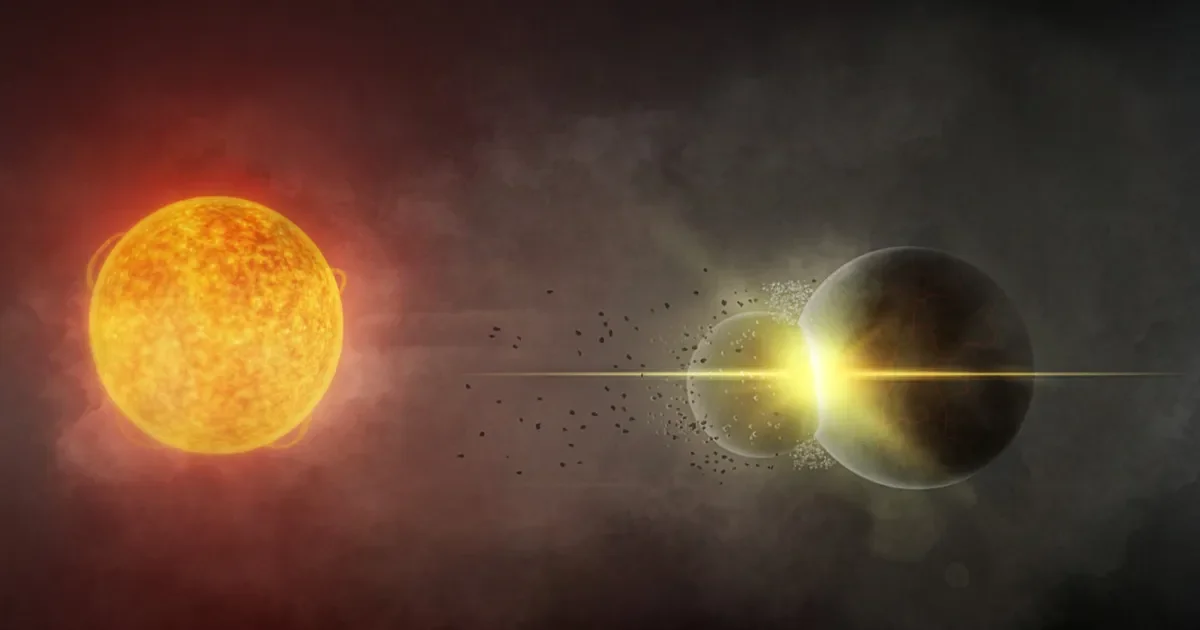
Astronomers reexamining archival data of the star Gaia20ehk, about 11,000 light-years away, detected dips in brightness caused by debris from a collision between two planets. Infrared light spikes indicated hot dust from the crash, a rare event that may resemble the collision that formed Earth and the Moon and offer new insights into how planetary systems assemble elsewhere in the galaxy.

Cosmic Crash: Distant Star Reveals Planets Colliding in Real Time
space29 days ago

Cosmic Crash: Distant Star Reveals Planets Colliding in Real Time

Astronomers watching the Sun-like star Gaia20ehk (about 11,000 light-years away) saw dips in visible light that coincided with infrared brightening, suggesting hot debris from a collision between two planets. The team attributes the phenomenon to a catastrophic planetary collision producing debris and heat, a rare event detected thanks to decades of data and potentially observable by the Rubin Observatory in its upcoming survey.

Planetary collision near Gaia20ehk may mirror Earth's Moon formation
science29 days ago

Planetary collision near Gaia20ehk may mirror Earth's Moon formation

Astronomers have captured signs of a catastrophic collision between two planets orbiting Gaia20ehk, a sunlike star roughly 11,000 light-years away; the event, inferred from dips in visible light and a surge in infrared emission, suggests a planet-on-planet smash and may mirror the giant impact that formed Earth’s Moon, providing a rare look at planet formation and hinting Rubin Observatory could find more such events in the next decade.

Distant Sun-Like Star Hints at Planet Collision
space1 month ago

Distant Sun-Like Star Hints at Planet Collision

Astronomers analyzing Gaia20ehk, a sun-like star about 11,000 light-years away, observed erratic dimming in visible light with a simultaneous infrared brightening, consistent with a violent collision between two planets that produced hot dust and debris; the event may resemble the Earth–Moon formation, and Rubin Observatory surveys could reveal many more such collisions to illuminate planetary system evolution.

"The Cataclysmic Event Behind Pluto's Heart"
science2 years ago

"The Cataclysmic Event Behind Pluto's Heart"

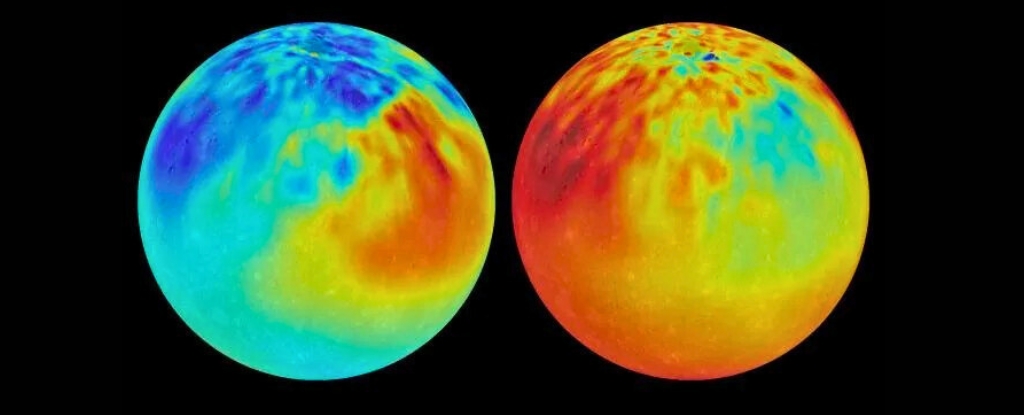
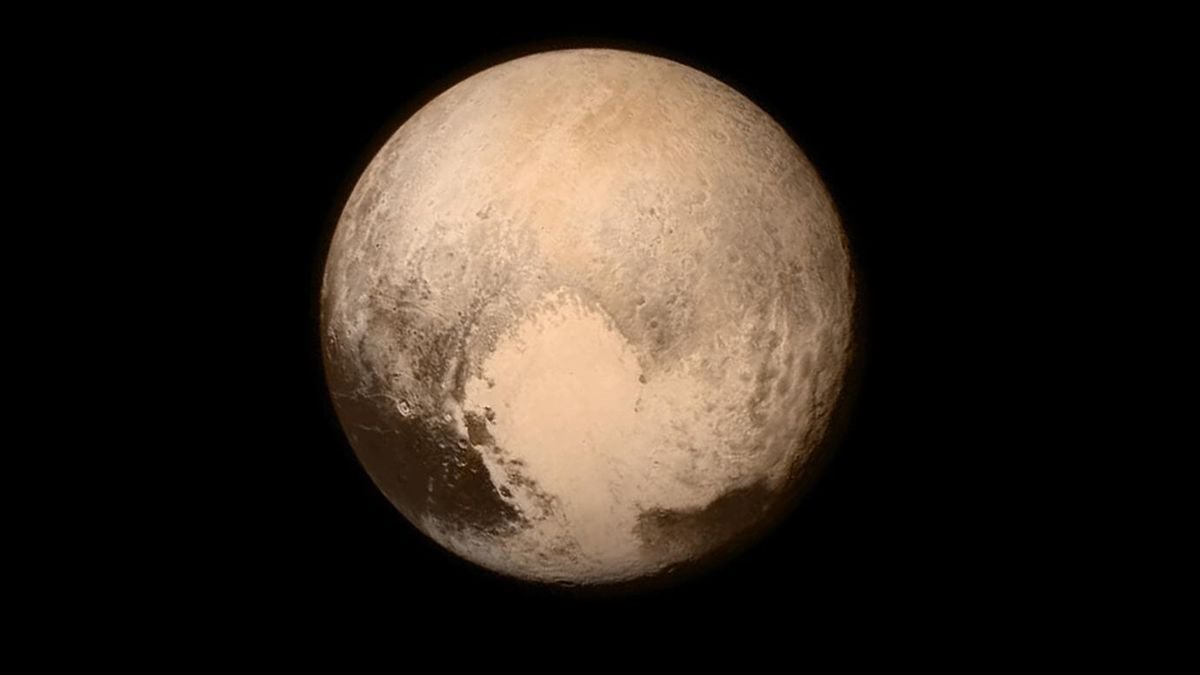
Researchers believe that a cataclysmic collision with a planetary body early in Pluto's history created the distinctive heart-shaped feature on its surface, known as Tombaugh Regio. The impact formed a deep basin called Sputnik Planitia, which is home to much of Pluto's nitrogen ice. The collision likely involved a planetary body about 435 miles in diameter and resulted in a teardrop shape due to the frigidity of Pluto's core and the impact's relatively low velocity. This new theory sheds light on how Pluto formed and could provide insights into its mysterious origins on the edge of the solar system.

"The Violent Origins of Pluto's Heart: Astrophysicists Uncover Cosmic Collision"
astronomy2 years ago

"The Violent Origins of Pluto's Heart: Astrophysicists Uncover Cosmic Collision"

An international team of astrophysicists has solved the mystery of Pluto's heart-shaped feature, attributing it to a giant and slow oblique-angle impact with a planetary body over 400 miles in diameter. The impact formed Sputnik Planitia, a region predominantly filled with nitrogen ice, and the study suggests that Pluto's inner structure is different from previous assumptions, indicating no subsurface ocean. The findings shed new light on Pluto's early history and offer a novel origin hypothesis for its unique surface feature.

"The Violent Origins of Pluto's Mysterious Heart Revealed by Astrophysicists"
space-science2 years ago

"The Violent Origins of Pluto's Mysterious Heart Revealed by Astrophysicists"

A new study suggests that the heart-shaped formation on Pluto's surface, known as Tombaugh Regio, was likely formed in a slow-motion, glancing collision with an icy rock wider than Kansas is long. Using computer simulations, researchers determined that the impact likely originated from an oblique collision, leading to its elongated shape, and did not result in the melting of Pluto's icy core. The study also suggests that Pluto's heart does not require a subsurface ocean to explain its position near the equator.

"Alien Planet's Remains Found Buried at Earth's Core"
science2 years ago

"Alien Planet's Remains Found Buried at Earth's Core"

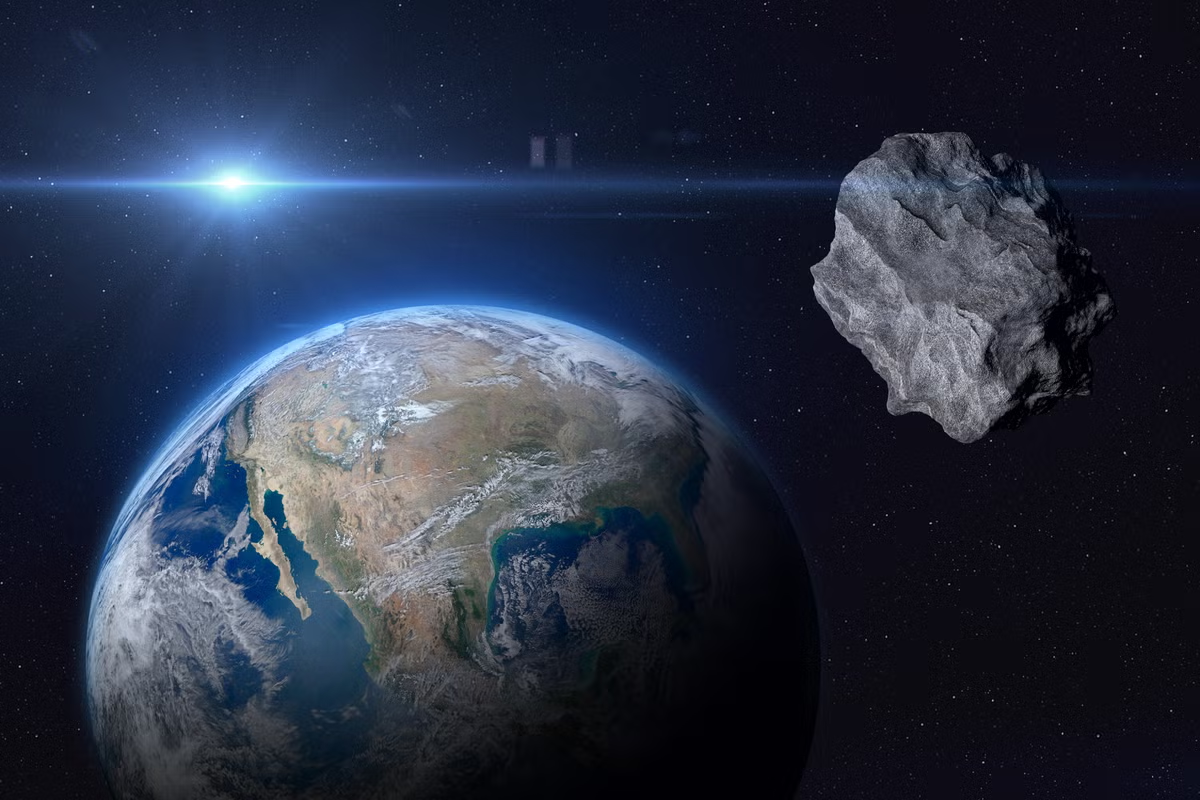
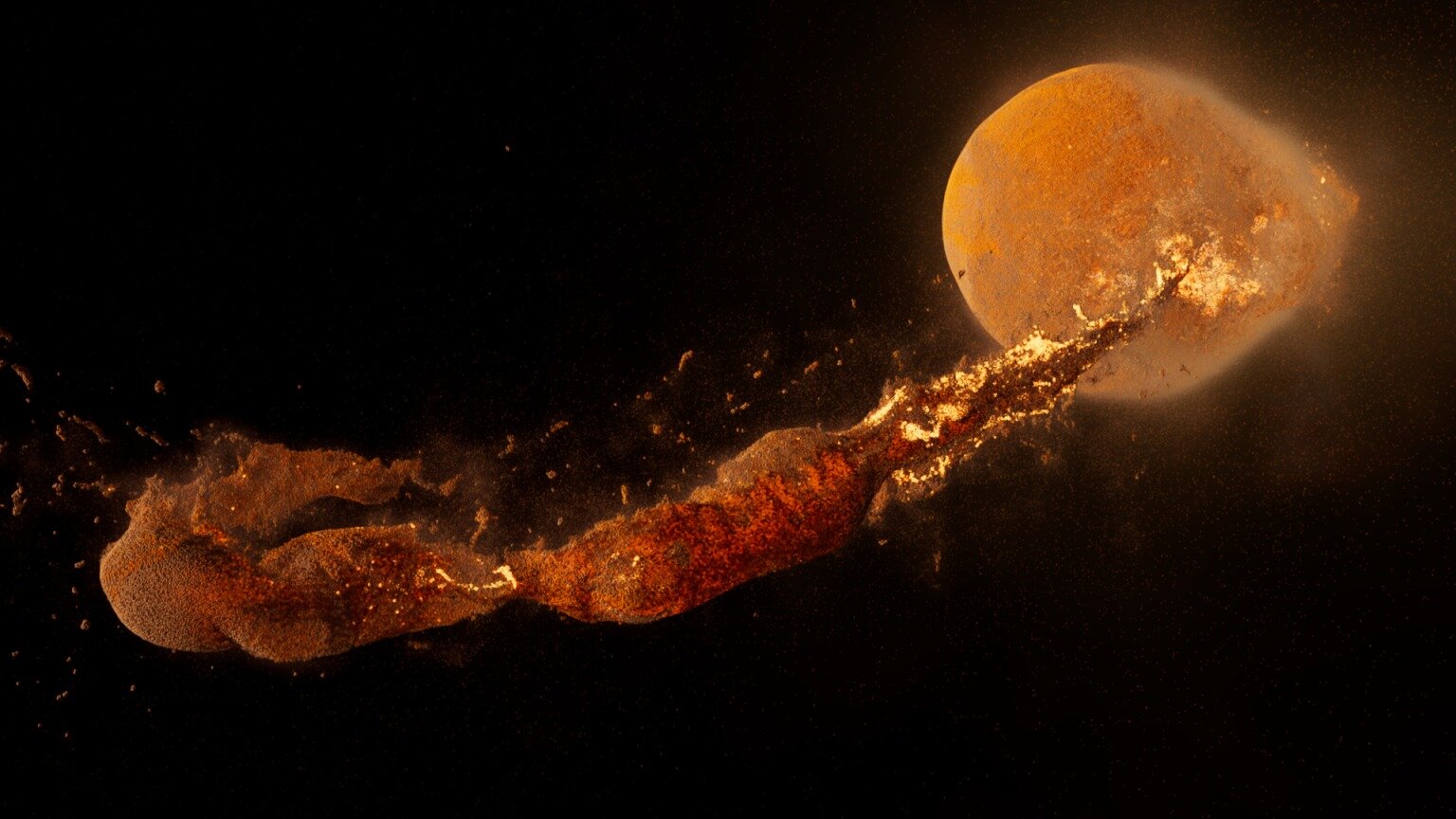
The remains of a planet called Theia, which collided with Earth billions of years ago, are believed to be buried near the Earth's core, forming Large Low-Velocity Provinces (LLVPs) in the mantle. These LLVPs are denser than the surrounding material and are thought to have resulted from the collision, which also created the Moon. Recent studies have used seismic wave measurements and simulations to confirm that the LLVPs are remnants of Theia, and researchers are now investigating their impact on Earth's early evolution.

"Alien Origins: Earth's Mantle Holds Traces of a Long-Lost World"
science2 years ago

"Alien Origins: Earth's Mantle Holds Traces of a Long-Lost World"

Scientists propose that the Earth's mantle contains two extra-dense blobs, known as large low-velocity provinces (LLVPs), which may have been leftover from a collision between Earth and a protoplanet called Theia 4.5 billion years ago. Seismic wave behavior suggests that these blobs are compositionally different and made of denser material than the surrounding mantle. Simulations suggest that during the collision, molten material from Theia mixed with the Earth's upper liquid layer, while denser solid material sank and embedded itself in the solid layer below. Further research will involve comparing rock samples from the Earth's mantle with samples from the Moon to support this hypothesis.

"Unveiling Surprising Discoveries: Moon Origins, Rat Whimsy, Microgravity Orientation, and Starfish Revelation"
science2 years ago

"Unveiling Surprising Discoveries: Moon Origins, Rat Whimsy, Microgravity Orientation, and Starfish Revelation"

Researchers have made intriguing discoveries in various scientific fields. A study suggests that starfish lack torso and tail sections, challenging previous assumptions about their anatomy. Another study proposes that the Earth's moon may contain material from the collision with a Mars-sized object called Theia, which sank into the Earth's mantle. Scientists are also testing wearable devices that vibrate to provide spatial orientation cues for astronauts in microgravity environments. Additionally, researchers have found that rats can imagine distant locations, as demonstrated through brain-computer interface experiments.