Pulsar Timing Arrays Set First Gravitational-Wave Limits on Early Black Hole Binaries
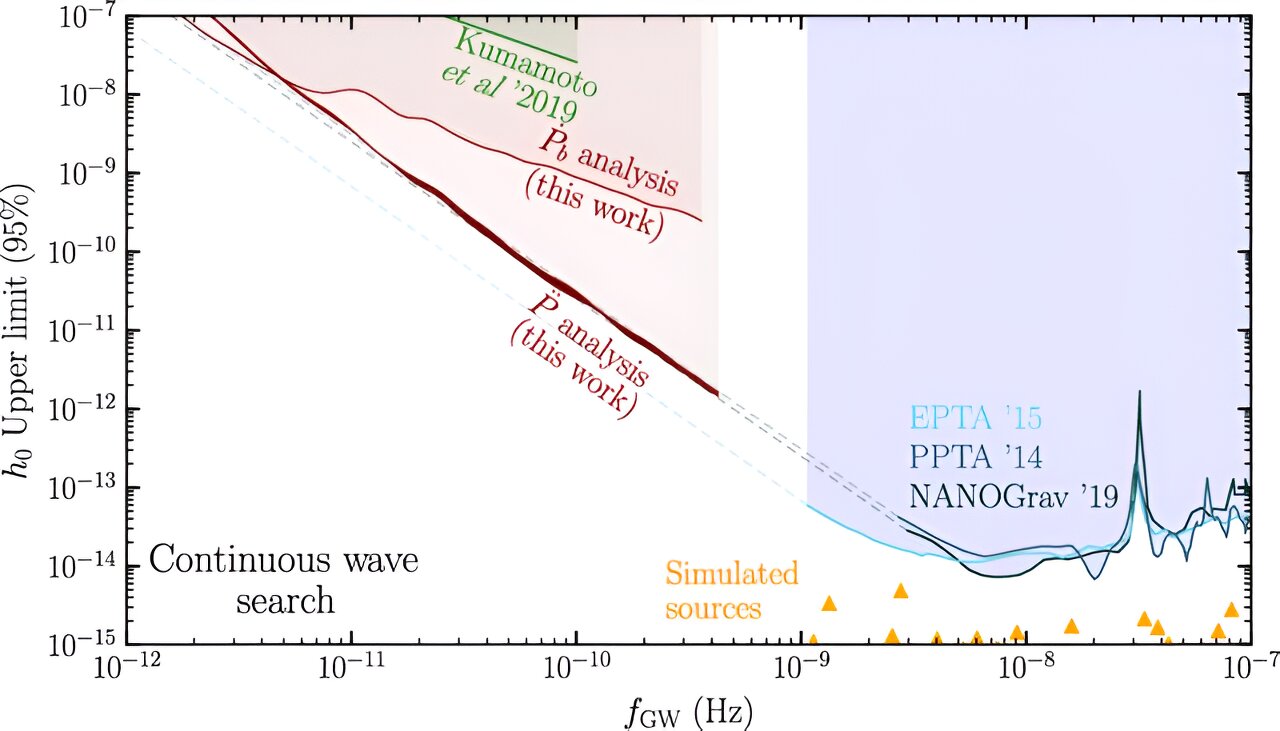
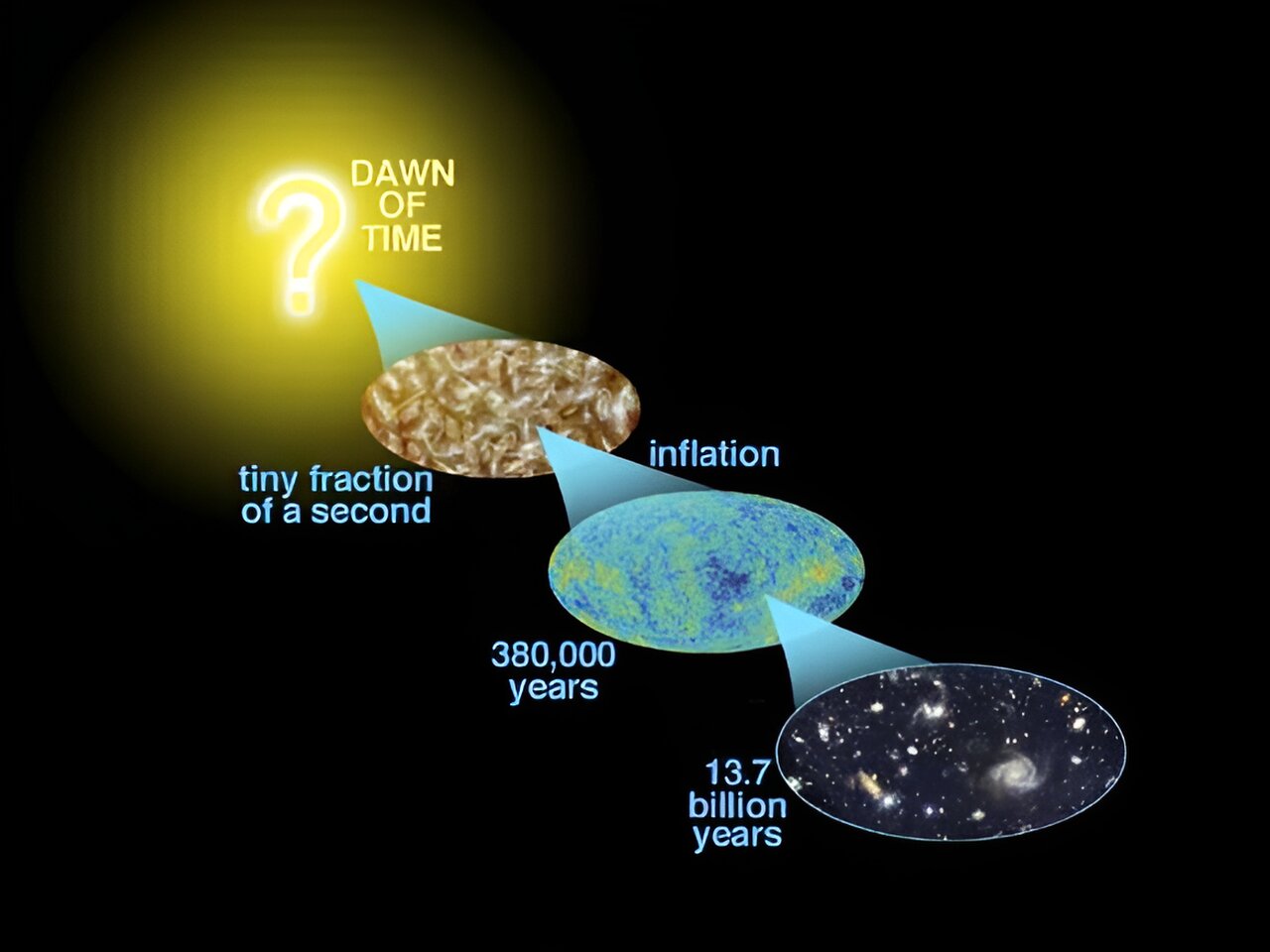
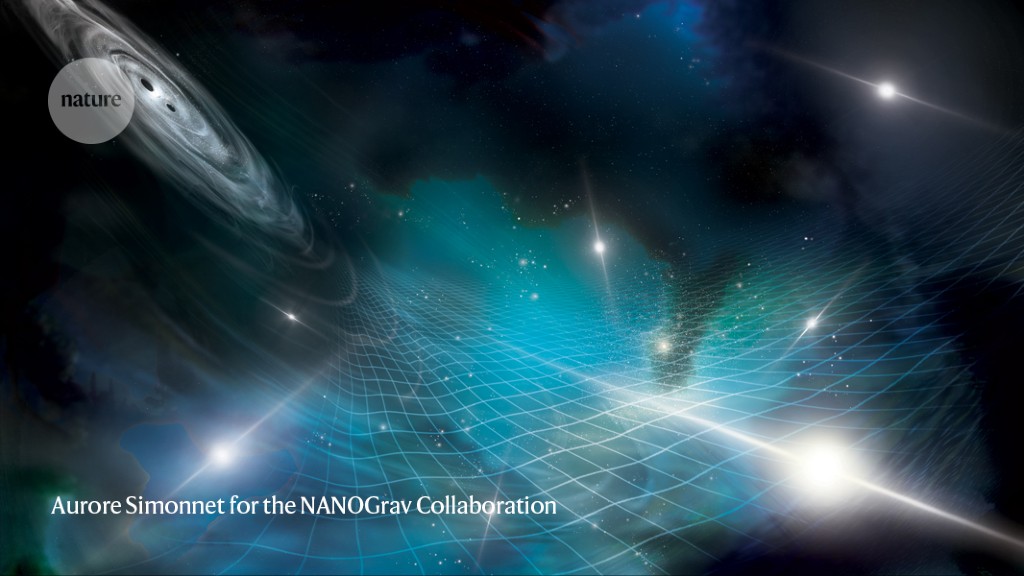
A new study by Yiqin Chen and colleagues uses the Parkes Pulsar Timing Array to establish the first direct gravitational-wave limits on supermassive black hole binaries in the early universe. By correcting for a 'redshift bias' that makes distant sources appear brighter in nanohertz frequencies, the team extended sensitivity to redshifts up to 20. Although current data cannot detect specific early binaries, the limits come within a factor of two of the mass of a known quasar at redshift 6.3, offering a new method to probe black hole growth during the cosmic dawn.