Tag

Reptiles

All articles tagged with #reptiles

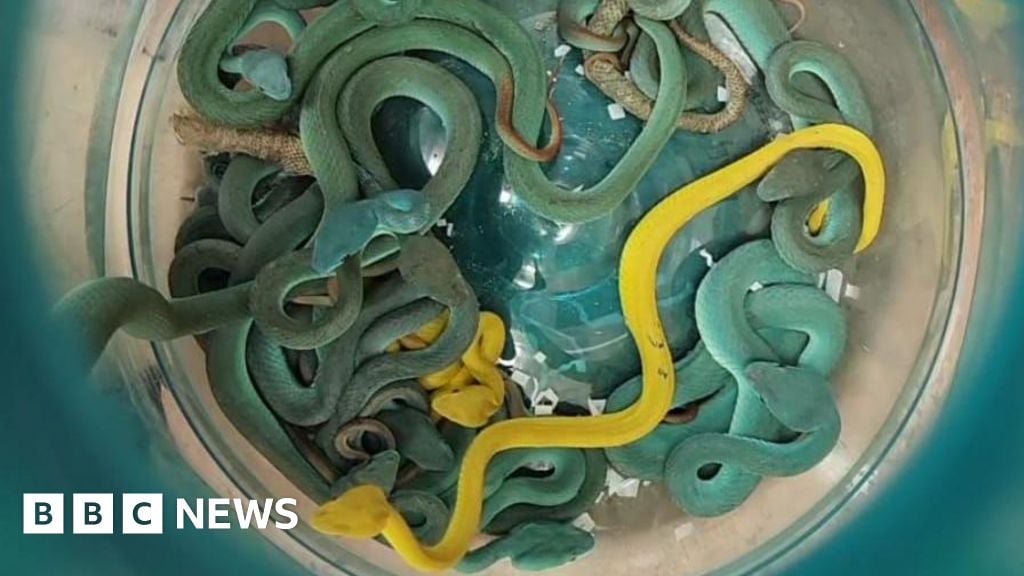
Cambodian cave survey uncovers flying snake and neon turquoise pit viper
science18 days ago

Cambodian cave survey uncovers flying snake and neon turquoise pit viper

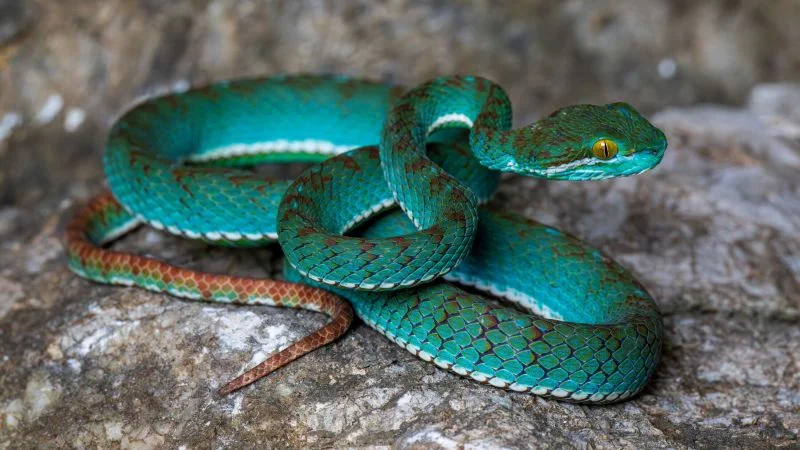
In a multi-year exploration of more than 60 limestone caves in Battambang, Cambodia, researchers uncovered rare and new species including a flying snake and a vivid, heat-sensing pit viper, along with camouflaged leaf-toed geckos and bright millipedes, highlighting how isolated karst ecosystems foster unique life and underscoring the need to protect these habitats, of which only about 1% is legally safeguarded.

Cambodia's hidden caves yield 11 new species, from turquoise pit viper to flying geckos
science18 days ago

Cambodia's hidden caves yield 11 new species, from turquoise pit viper to flying geckos

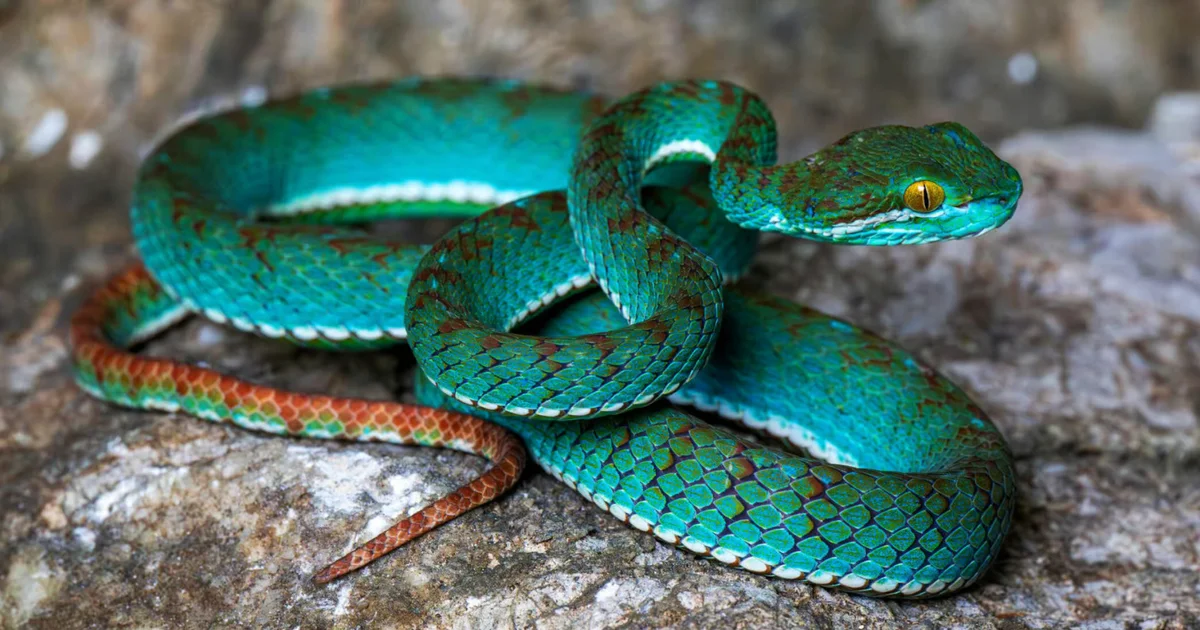
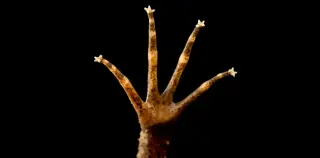
A survey of Cambodia’s karst limestone caves uncovered 11 species new to science, including a turquoise pit viper with a heat-detecting head organ, the ornate flying snake, several geckos (one named Gekko shiva), and other invertebrates, found across 64 caves on 10 karst hills between 2023 and 2025. Researchers warn that these isolated cave ecosystems are under threat from limestone quarrying, habitat loss, and overtourism, and call for protective status and continued conservation work.

Ancient Reptile Skin Unearthed in Oklahoma Cave Rewrites Land-Life Timeline
science25 days ago

Ancient Reptile Skin Unearthed in Oklahoma Cave Rewrites Land-Life Timeline

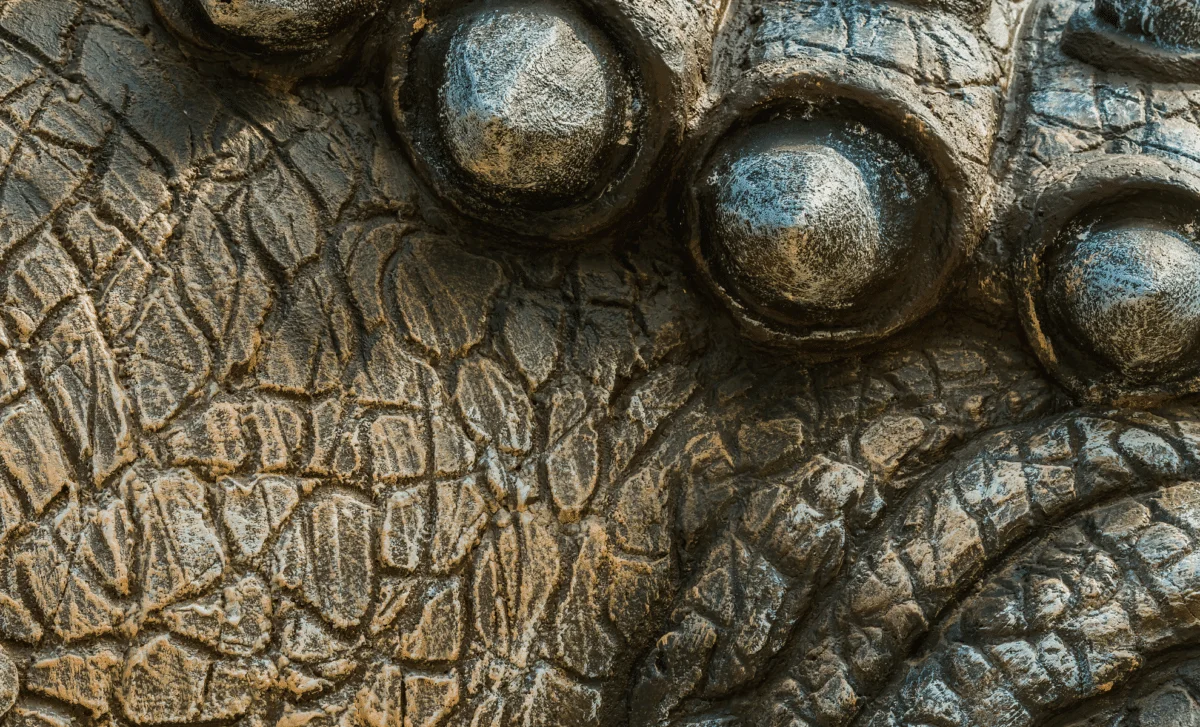
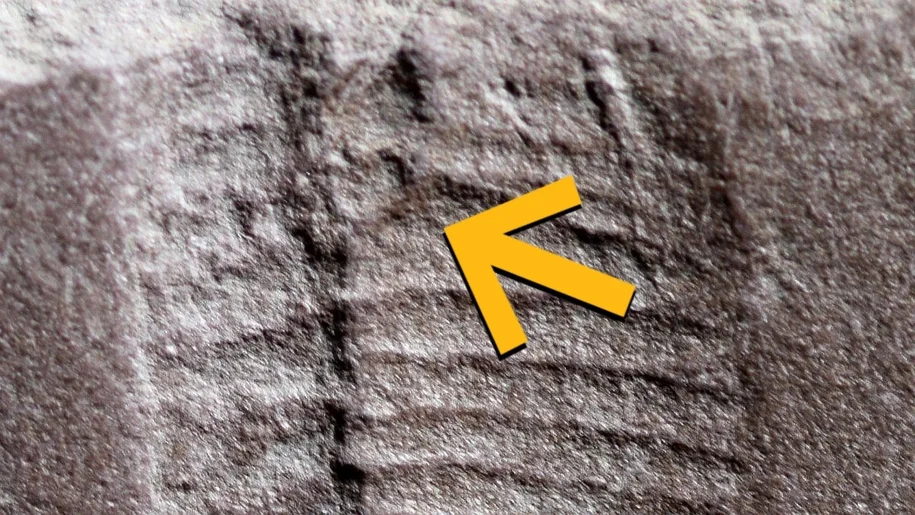
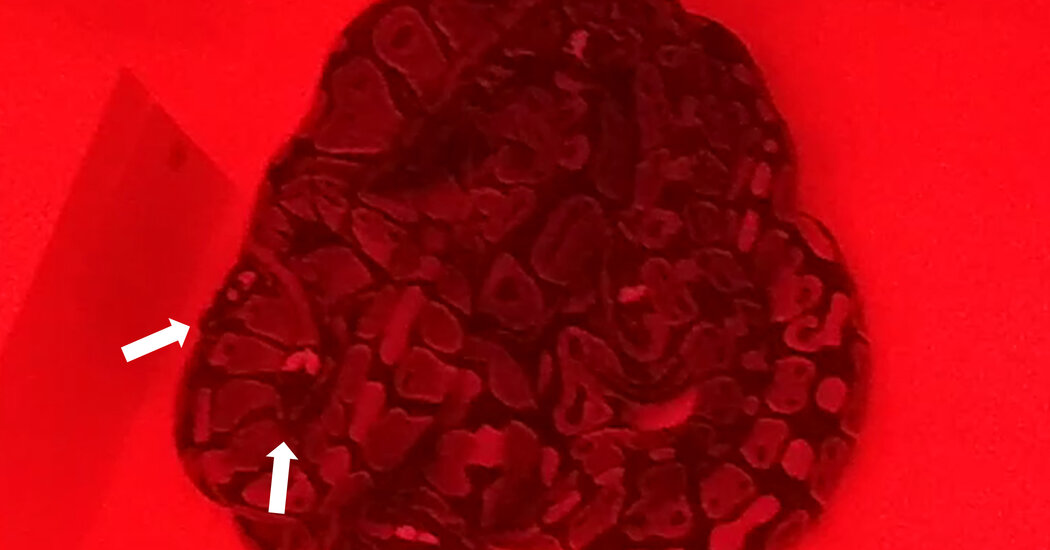
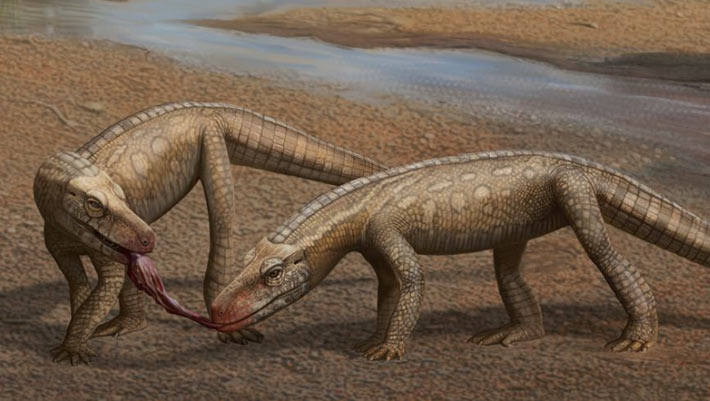
Paleontologists have found the oldest known fossilized reptile skin, dating to about 289 million years ago in Oklahoma’s Richards Spur cave. The tiny skin fragment, preserved by oil-based substances and low-oxygen conditions, shows crocodile-like scales and suggests early reptiles had water-conserving skin long before dinosaurs; researchers think it likely belonged to Captorhinus aguti, with future work aiming to link the skin to a full skeleton to better understand early amniote life on land.

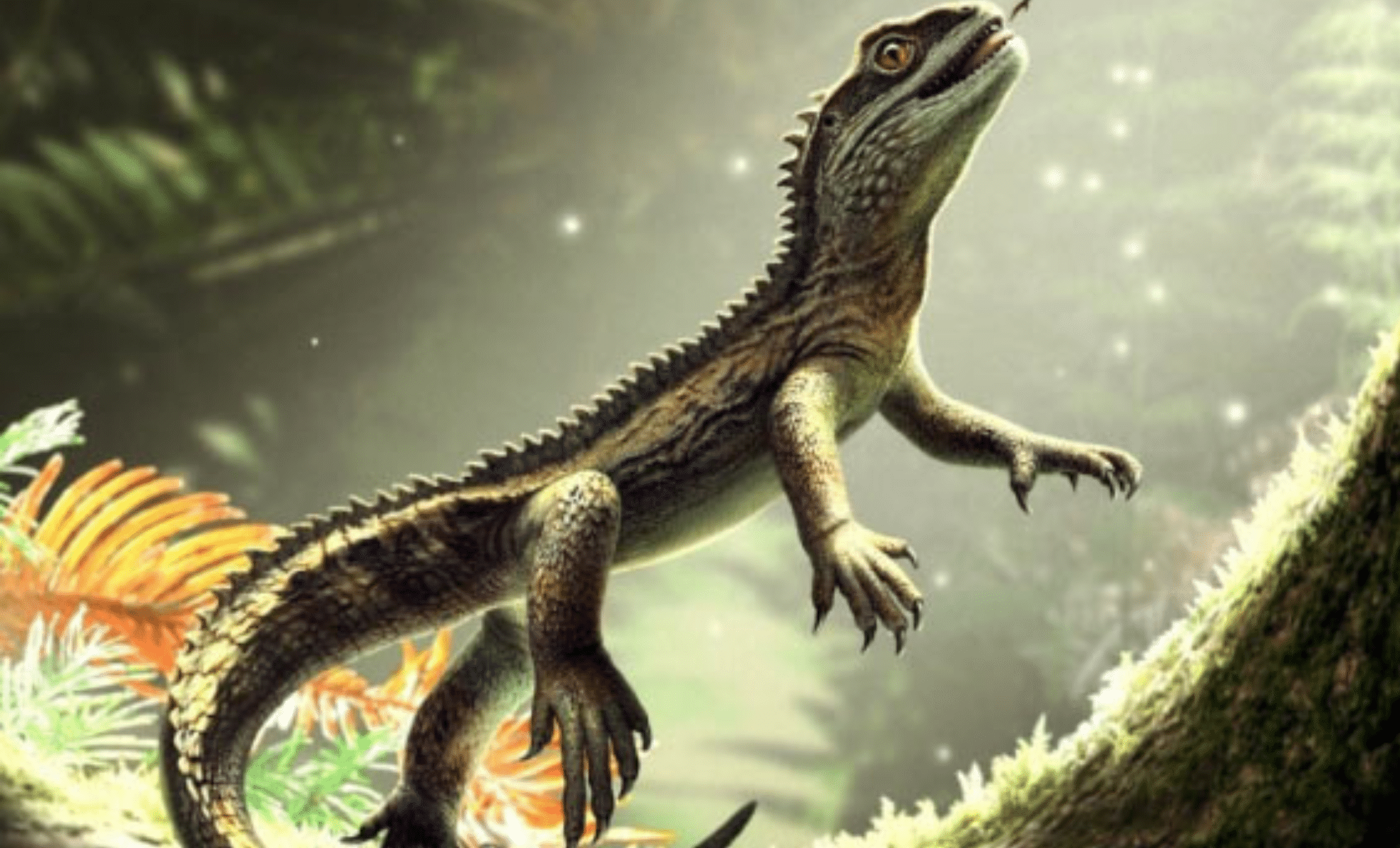
Ancient reptile buttprint rewrites early evolution story
science1 month ago

Ancient reptile buttprint rewrites early evolution story

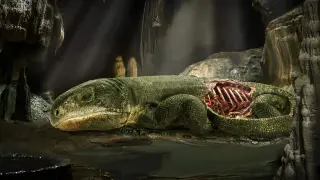
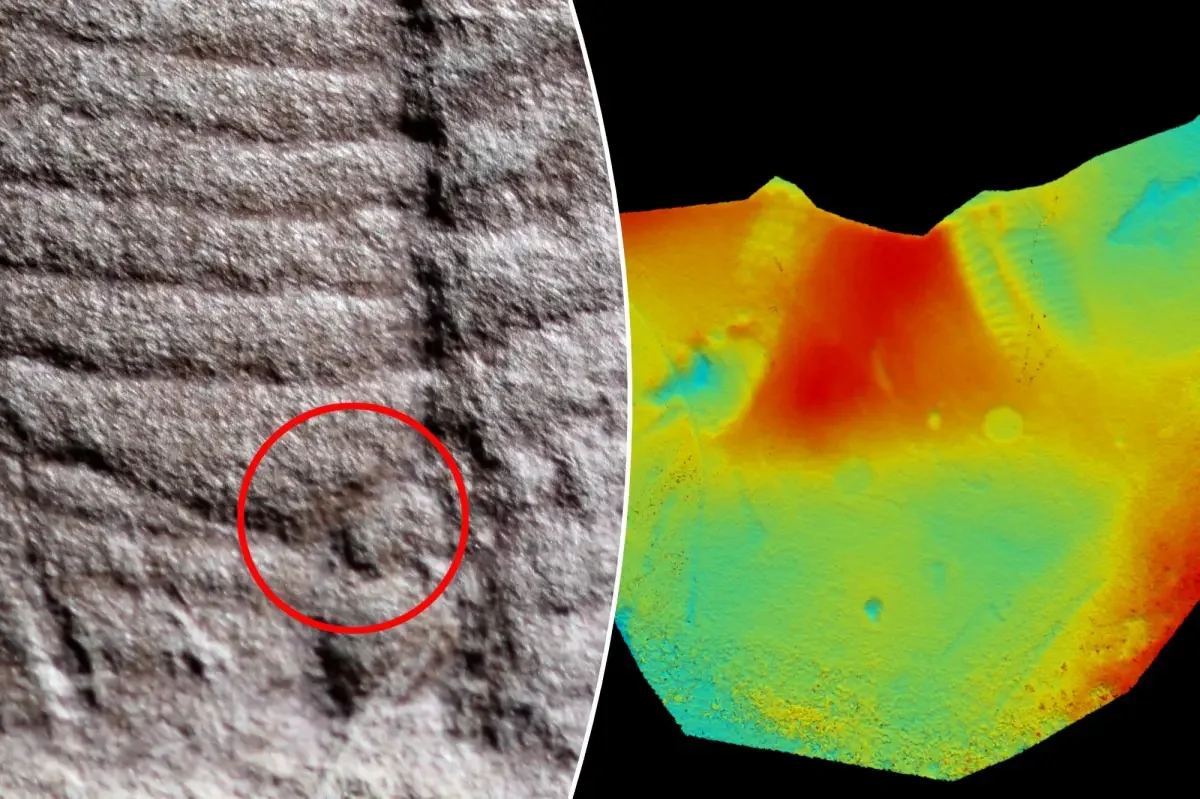
Scientists describe a 298–299 million-year-old fossil imprint from a bolosaurian reptile in Germany, preserving belly scales and a cloaca—the oldest known soft-tissue imprint of its kind and the earliest reptile skin details—offering new insights into early reptile evolution. Named Cabarzichnus pulchrus, the 3.5-inch trace extends the fossil record of back-end anatomy by more than 150 million years and suggests anatomical similarities to modern turtles, lizards, and snakes.

Oldest Mesosaur Embryos Hint at Early Live Birth in Reptiles
science1 month ago

Oldest Mesosaur Embryos Hint at Early Live Birth in Reptiles

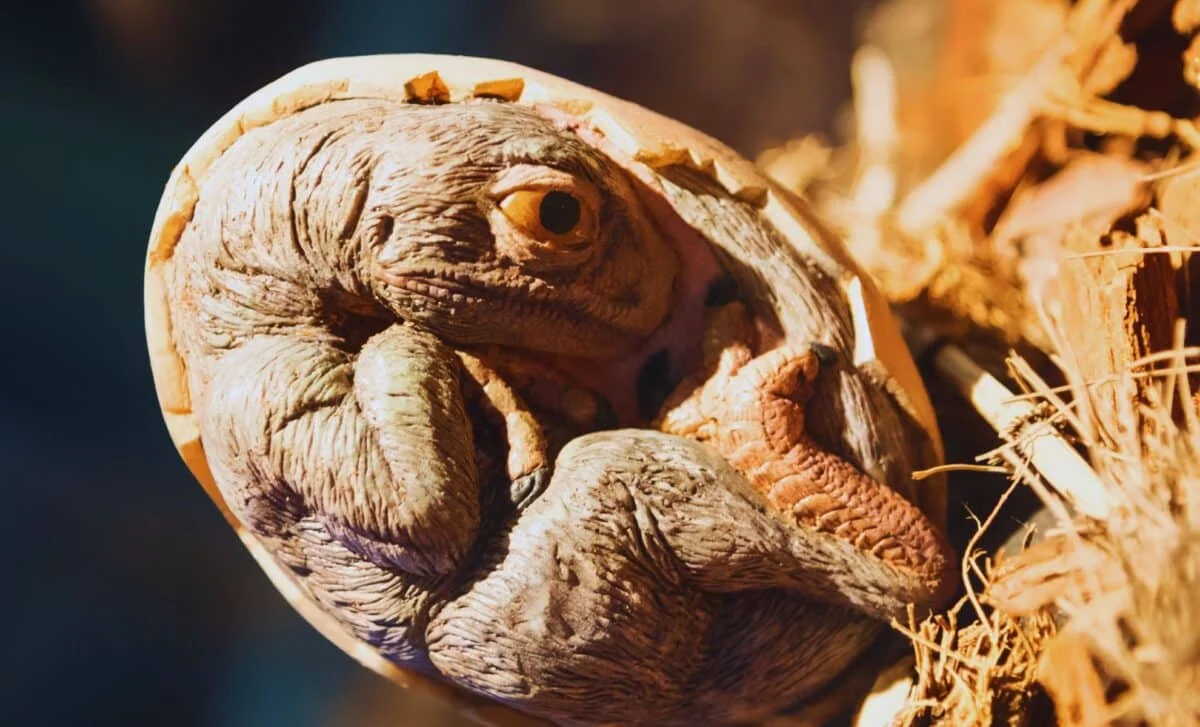
Researchers report 280-million-year-old mesosaur embryos from Brazil and Uruguay, providing the oldest direct evidence that these ancient aquatic reptiles could give birth to live young, pushing the origin of viviparity back about 60 million years; findings also indicate potential parental care, with some fossils suggesting a mixed strategy where at least one egg was found at an advanced stage of development.

"New Ancient Crocodile-Like Reptile Species Unearthed in Brazil"
science1 year ago

"New Ancient Crocodile-Like Reptile Species Unearthed in Brazil"

A new species of gracilisuchid reptile, Parvosuchus aurelioi, has been discovered in the Santa Maria Formation in Brazil. This small, crocodile-like reptile lived around 237 million years ago during the Triassic period and is the first gracilisuchid confirmed in Brazil. The discovery, which includes a complete skull and partial skeleton, highlights the diversity of pseudosuchians before the dominance of dinosaurs.

Salmonella Outbreak Across Canada Linked to Reptiles
health-public-safety2 years ago

Salmonella Outbreak Across Canada Linked to Reptiles

The Public Health Agency of Canada has identified geckos as the likely source of a salmonella outbreak affecting seven provinces, with 35 confirmed cases and five hospitalizations. Individuals who became ill had direct or indirect contact with geckos or their environments, and some cases involved children aged five and under. The agency emphasizes the importance of reptile owners and business operators in preventing illnesses linked to these pets, as symptoms of salmonella poisoning can include fever, chills, nausea, vomiting, diarrhea, headache, and abdominal cramps.

"Titanosaurs: Earth's Largest Land Animals with Reptile and Mammal Traits"
paleontology2 years ago

"Titanosaurs: Earth's Largest Land Animals with Reptile and Mammal Traits"

Titanosaurs, a lesser known group of sauropod dinosaurs, were the largest land animals on Earth, with nearly 100 species that varied greatly in size. Recent discoveries have revealed that they had a unique way of life, merging reptile and mammal characteristics. They originated in the Early Cretaceous Period and thrived on all seven continents, with evidence suggesting rapid growth rates similar to mammals. Fossil findings also indicate that titanosaurs had a diverse diet and high tooth-replacement rates, contributing to their biological success. If not for the asteroid impact 66 million years ago, these long-lived and diverse creatures would likely have continued to thrive.