Tag

Sexual Dimorphism

All articles tagged with #sexual dimorphism

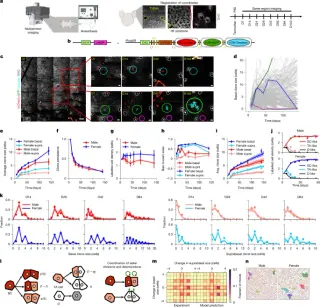
Male Hormones Accelerate Skin Stem Cell Differentiation, Slowing Wound Healing Compared to Females
science1 month ago

Male Hormones Accelerate Skin Stem Cell Differentiation, Slowing Wound Healing Compared to Females

Researchers at Nature have identified a fundamental sexual dimorphism in the dynamics of epidermal stem cells, revealing that male and female skin operate under distinct regulatory mechanisms. Using long-term intravital time-lapse imaging of mouse ear skin, the study confirms a two-compartment model where stem cells and transit-amplifying cells function hierarchically. Crucially, female mice exhibit highly synchronized cell division and delamination, leading to faster wound closure. In contrast, male skin shows less coordination, driven by androgens that promote rapid differentiation and loss of basal cells. Castration in males restores female-like coordination, while ovariectomy in females eliminates it, proving that sex hormones, not just chromosomal factors, dictate these differences. This discovery resolves previous conflicts in epidermal biology models and highlights why female skin heals wounds more rapidly than male skin.
Green Spoonworm: Nature's Bizarre Gender Role Reversal
science2 years ago

Green Spoonworm: Nature's Bizarre Gender Role Reversal

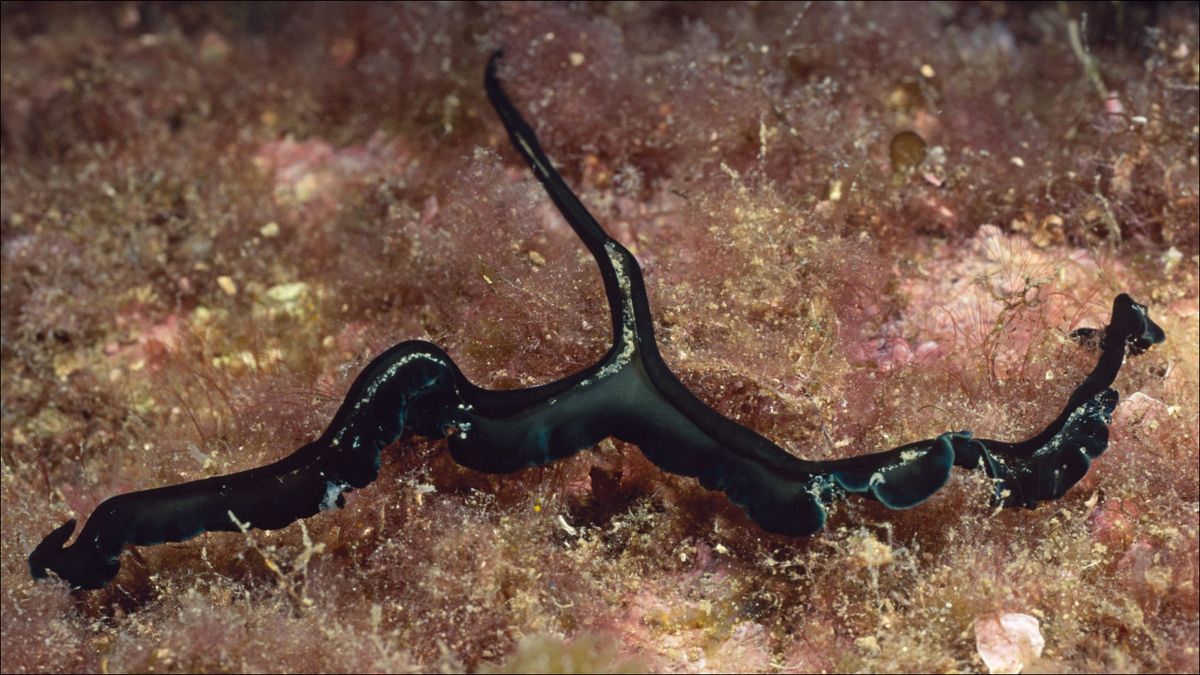
The green spoonworm (Bonellia viridis) is a fascinating marine creature found in the northeast Atlantic, known for its unique reproductive strategy and bright green color due to the toxic pigment bonellin. Female spoonworms use their long, spoon-shaped proboscis to feed on organic matter, while males, which are microscopic, live parasitically within the females, serving solely to fertilize eggs. Bonellin not only deters predators but also has potential antibiotic properties, highlighting the importance of studying marine biodiversity for potential benefits.

Unraveling the Genomic Secrets of Damselfly Mimicry and Polymorphisms
biology3 years ago

Unraveling the Genomic Secrets of Damselfly Mimicry and Polymorphisms

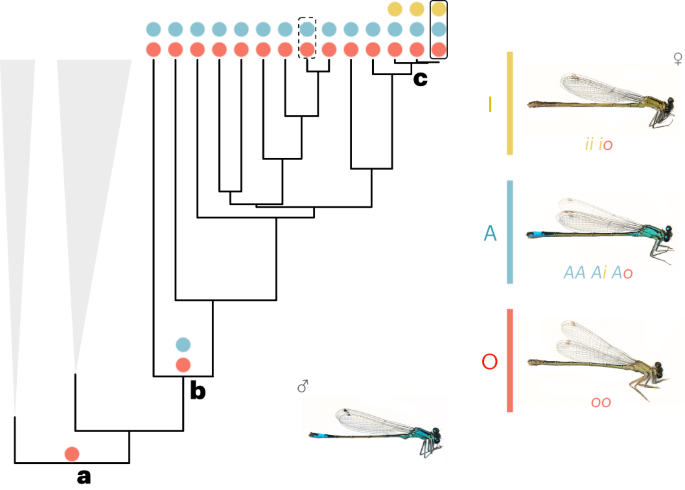
Researchers have identified the genomic regions responsible for the evolution of inter-sexual mimicry and female-limited polymorphisms in damselflies. Using a combination of reference-based and reference-free genome-wide association studies, they discovered two novel regions associated with male-mimicking females. These regions are likely the result of transposable element activity and are shared by male mimics in a related damselfly species, suggesting a trans-species polymorphism. The researchers also found that the evolution of a third female morph involved an ectopic recombination event. This study provides insights into the genetic basis of sexual dimorphism and the evolution of complex phenotypes.

Unraveling the Genetic Blueprint of Male and Female Organ Development
science3 years ago

Unraveling the Genetic Blueprint of Male and Female Organ Development

Researchers have decoded the genetic pathways that lead to sex-linked differences in mammals, including both visible and internal organs. The study found that most differences in gene expression between male and female organs develop only during puberty, triggered by female or male hormones. The level of sex-linked differentiation varied between different organs, but the cell types responsible were the same across all mammal species. Understanding these genetic mechanisms is crucial for medical research, as it can help explain why certain diseases of the liver and kidneys are more common in males than females. The study highlights the need for closer attention to sex in biomedical science.