Tag

Spinach

All articles tagged with #spinach

Leafy Greens Linked to Lower COPD Risk via Vitamin K1
health6 days ago

Leafy Greens Linked to Lower COPD Risk via Vitamin K1

A large Australian study from Edith Cowan University, published in The American Journal of Clinical Nutrition, found that higher dietary vitamin K1 from leafy greens (e.g., spinach and kale) is linked to a lower risk of chronic obstructive pulmonary disease (COPD). Over 179,000 adults were followed for a decade, and those with the highest K1 intake were about 16% less likely to develop COPD and showed stronger lung function. The researchers suggest vitamin K1 helps protect lung elastic fibers, while vitamin K2 did not reduce COPD risk. Smoking remains the major COPD risk factor, with diet possibly counteracting some damage but not replacing quitting and pollution reduction.

Spinach-powered eye drops spark partial photosynthesis in mouse eyes
health1 month ago

Spinach-powered eye drops spark partial photosynthesis in mouse eyes

Researchers developed LEAF eye drops containing photosynthetic machinery from spinach. In mice with dry eye, the drops triggered light-driven reactions that reduced inflammation, increased tear production, and minimized corneal damage by producing NADPH, an antioxidant. The approach is promising but has only been tested in mice so far; human safety trials are planned and the drops are designed to remain transparent (no green eyes).

Spinach-Powered Eye Drops Harness Light to Fight Dry Eye
science1 month ago

Spinach-Powered Eye Drops Harness Light to Fight Dry Eye

A team from the National University of Singapore developed LEAF—light-reaction enriched thylakoid NADPH-foundry—by delivering spinach-derived photosynthetic machinery as eye drops. When exposed to ambient light, the transplanted thylakoids generate NADPH in mammalian eye cells to counter ROS, reducing inflammation associated with dry eye. In lab tests and mice, LEAF outperformed Restasis and tear-fluid assays showed oxidant reductions; clinical trials are planned. However, the particles degrade within hours and long-term efficacy and safety in humans remain to be determined, with potential applications for other light-activated therapies.

Spinach Tops U.S. Pesticide List as EU Bans Key Chemicals
health3 months ago

Spinach Tops U.S. Pesticide List as EU Bans Key Chemicals

The Environmental Working Group’s Dirty Dozen names spinach as the most pesticide-contaminated U.S. produce, with permethrin residues detected in over three-quarters of non-organic samples (permethrin is banned in the EU). Potatoes also show high contamination from chlorpropham (banned in the EU). The article recommends choosing organic when possible and using the Clean Fifteen as a guide to lower-exposure produce.

Beyond Carrots: Four Everyday Foods That Boost Eye Health
health4 months ago

Beyond Carrots: Four Everyday Foods That Boost Eye Health

A registered dietitian identifies four foods—egg yolks, pistachios, sweet potatoes, and spinach—that supply eye-supporting nutrients such as lutein, zeaxanthin, beta-carotene, and vitamin A. Because lutein and zeaxanthin are fat-soluble, pairing them with fats (like eggs) aids absorption. These foods may help protect the retina, shield eyes from blue light, support night vision, and reduce risks of dry eye, cataracts, and age-related macular degeneration over time.

Top Green to Burn Belly Fat Quickly
health-and-wellness1 year ago

Top Green to Burn Belly Fat Quickly

Eating spinach daily is highly effective for reducing visceral fat due to its rich carotenoid content, fiber, and appetite-suppressing compounds, supported by clinical trials and scientific research. Incorporating spinach into meals like smoothies, salads, and omelets can help improve satiety, lower inflammation, and support long-term health, especially when combined with regular exercise and a healthy diet.

Dietitian's Warning: Avoid Reheating These Foods for Safety
health1 year ago

Dietitian's Warning: Avoid Reheating These Foods for Safety

Dietitian Harini Bala warns against reheating spinach, tea, and rice in the microwave due to potential health risks. Spinach can form cancer-linked nitrosamines when reheated, while reheating tea can degrade its antioxidants and activate dormant bacteria. Rice should only be reheated if stored in an airtight container within two hours of cooking to prevent Bacillus cereus bacteria, which can cause food poisoning.

Frozen Vegetables: A Healthier Choice Than Fresh?
health1 year ago

Frozen Vegetables: A Healthier Choice Than Fresh?

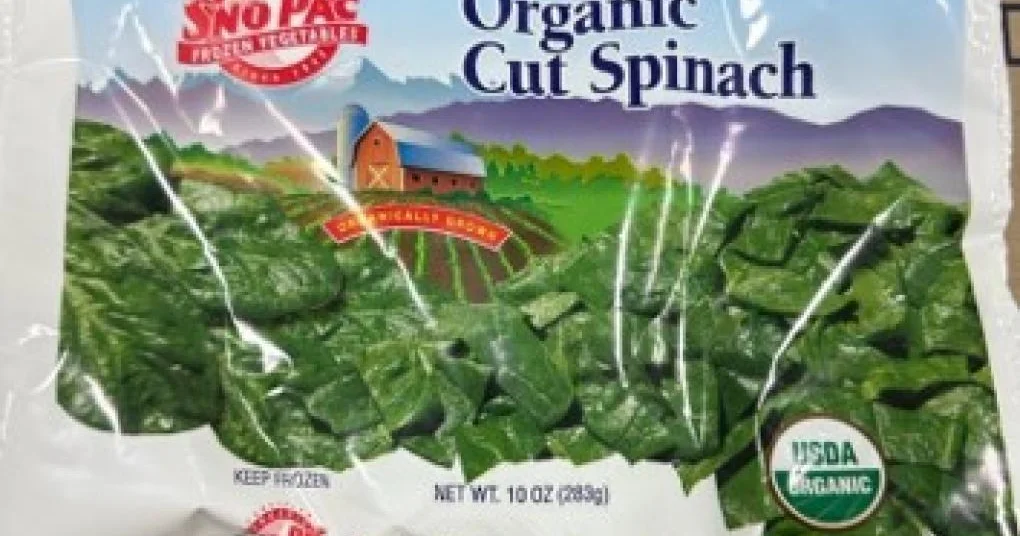
Frozen spinach is healthier than fresh spinach due to better nutrient retention, as freezing locks in nutrients that can degrade during transportation and storage. Spinach is rich in vitamins A, K, and C, as well as magnesium and iron, which are essential for various bodily functions. Swiss chard is another nutritious leafy green, high in vitamins and beneficial for blood sugar stabilization.

Miracle Vegetable: Reduces Cancer Risk, Reverses Liver Damage, and Aids Weight Loss
health1 year ago

Miracle Vegetable: Reduces Cancer Risk, Reverses Liver Damage, and Aids Weight Loss

Spinach is highlighted as a superfood with numerous health benefits, including reducing cancer risk and alleviating bloating. Rich in vitamins A, D, E, and K, and minerals, spinach's antioxidants combat oxidative stress, potentially lowering cancer and diabetes risks. Compounds in spinach may slow cervical tumor growth and reduce prostate and breast cancer risks. It also aids in managing IBS symptoms and bloating due to its magnesium, potassium, and insoluble fiber content. Additionally, spinach supports eye health and heart health by moderating blood pressure.

"Popeye's Enduring Influence: A Century of Spinach Salesmanship"
lifestyle2 years ago

"Popeye's Enduring Influence: A Century of Spinach Salesmanship"

Nearly a century after his debut, Popeye remains an effective spinach salesman, with his legend celebrated on National Spinach Day in the United States. The gruff but noble comic-strip hero fueled his super-human strength by consuming spinach, leading to a significant increase in spinach consumption in the 1930s. Despite the unrealistic portrayal of spinach's effects, Popeye's impact on the public's perception of spinach has been far-reaching, connecting a healthy food with a popular figure. Today, spinach is considered a superfood loaded with essential nutrients, and experts emphasize the importance of a balanced diet for overall strength and well-being.