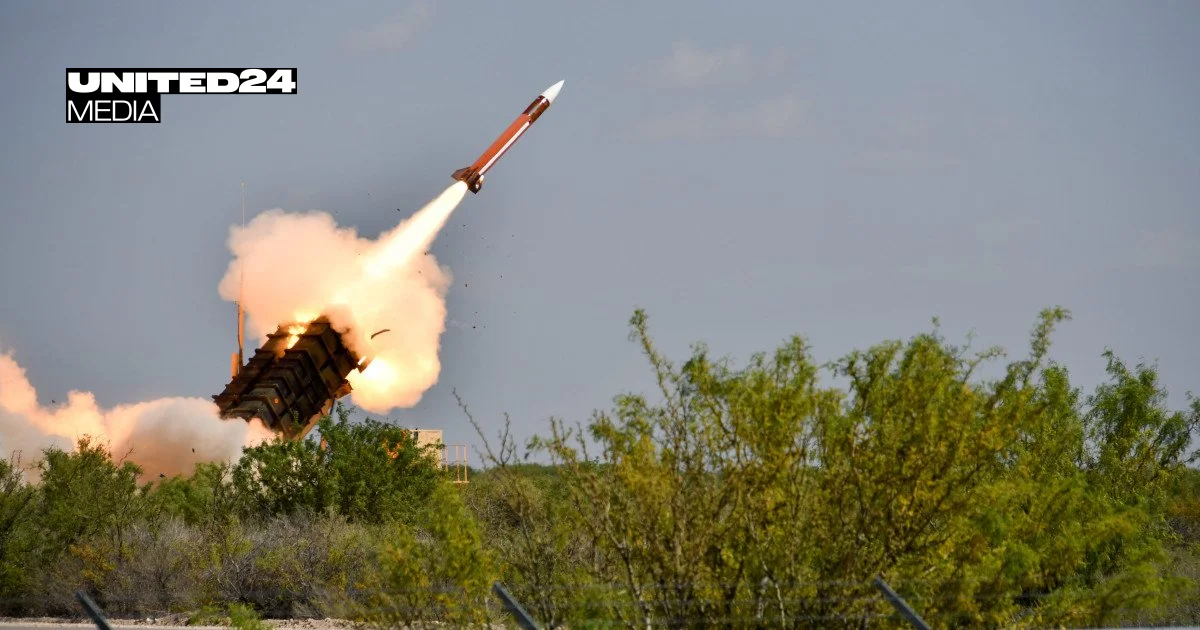
Ukraine reportedly intercepts every incoming Russian ballistic missile with a single Patriot interceptor, signaling high efficiency that contrasts with Gulf states’ heavier usage; the story also highlights global Patriot stockpile and production constraints that could slow Western deliveries as Kyiv and allies push for faster Patriot transfers.
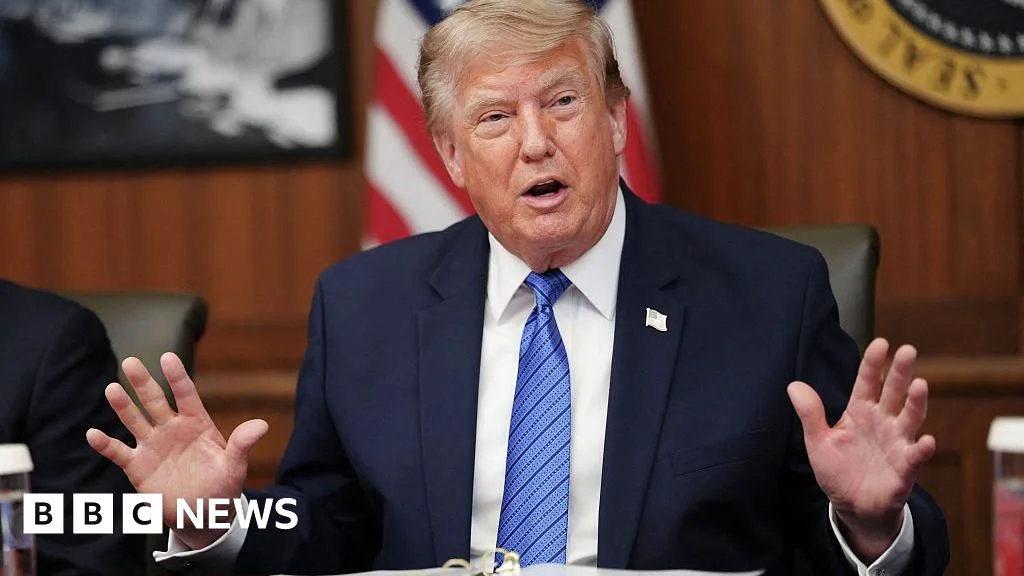
Donald Trump rejected reports of a US weapons shortage, claiming the country has massive munitions stockpiles and is increasing production, while threatening long prison terms for leakers; the remarks appear amid scrutiny of US weapon use in the Iran conflict and broader debates over Patriot missiles and aid to Ukraine.
US military interceptors for THAAD and Patriot systems are heavily depleted—about 80% of THAAD and roughly 50% of Patriot missiles—since the Iran war began, prompting concerns from Gulf allies about defense against retaliation. Replenishment is expected to take years even as the DoD accelerates production; officials publicly assert the U.S. still possesses a deep arsenal, while debates over escalation and military options continue.
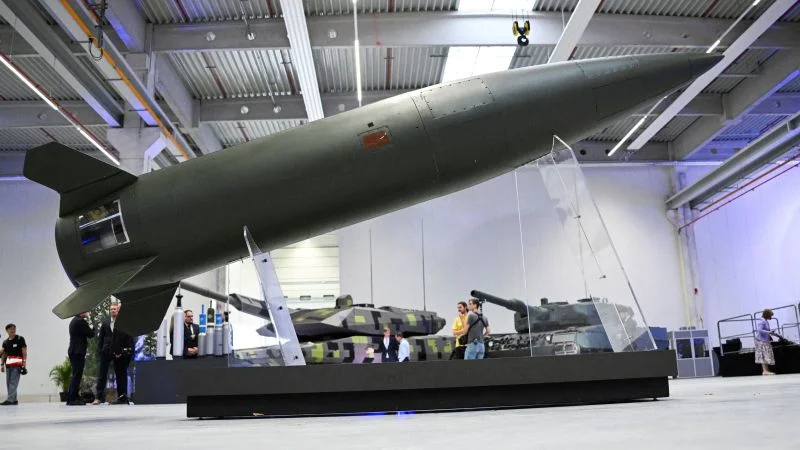
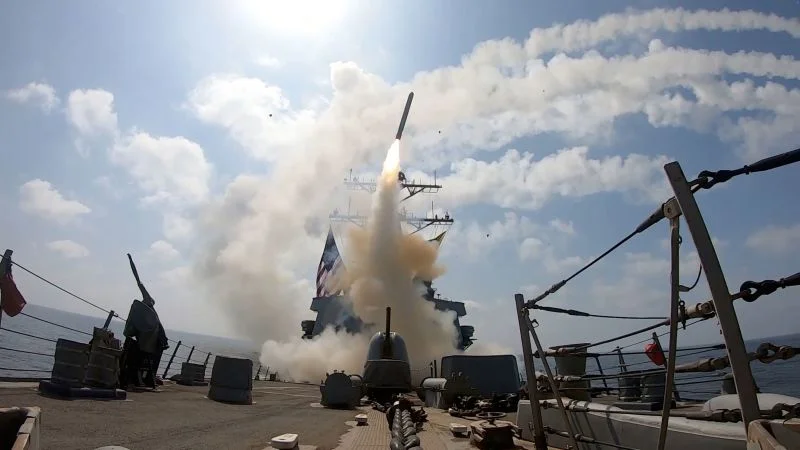
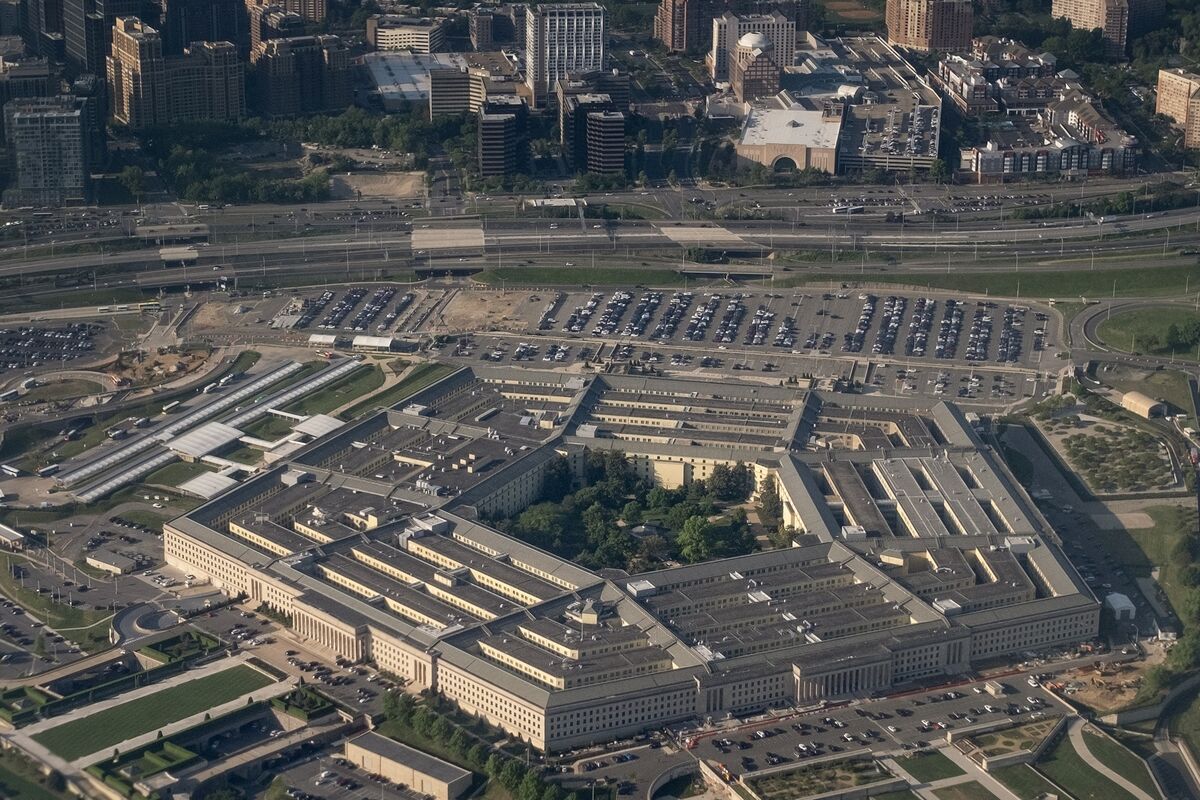
The Pentagon is poised to cancel plans to send Tomahawk missiles to Germany, citing fears Moscow would view the move as an escalation and concerns about U.S. stockpiles, as part of a broader retrenchment from NATO that includes troop reductions and shifting European defense responsibilities, leaving Berlin seeking alternatives to fill long-range strike gaps.
CNN reports that the U.S. has significantly depleted its missile stockpiles during the Iran conflict: about 45% of precision-guided missiles, roughly 50% of THAAD interceptors, and nearly 50% of Patriot missiles have been used, with similar substantial drawdowns in Tomahawks (~30%), JASSMs (~20%), and SM‑3/SM‑6 missiles. Although the Pentagon has new production contracts, CSIS notes it will take three to five years to replace most systems and several more years to rebuild to pre-war levels, creating a “window of vulnerability” against near‑peer rivals like China. In the near term, Washington says it can sustain operations, but experts warn that replenishment will be slow and the overall inventory may not recover for years, even as political leaders debate funding and strategy.
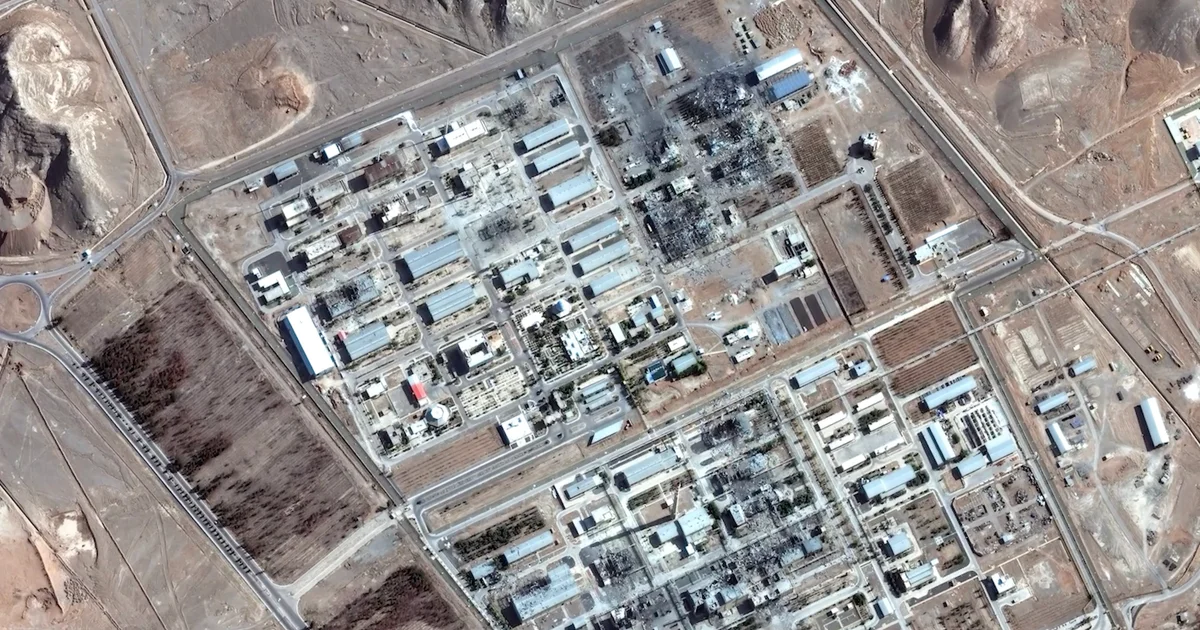
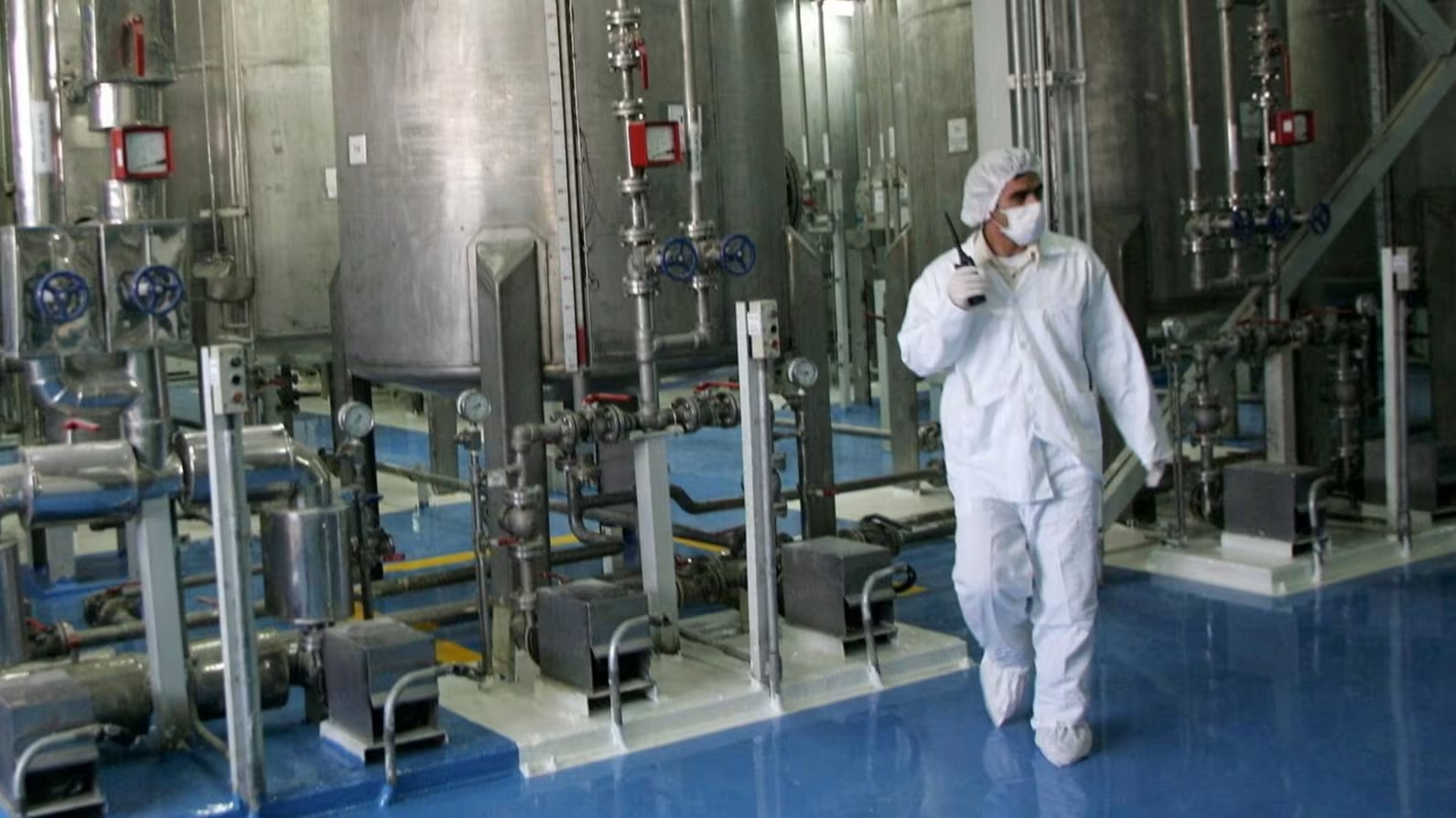
CBS News explains that removing or destroying Iran’s highly enriched uranium—likely buried deep at sites like Isfahan and Natanz (and possibly Pickaxe Mountain)—would require a large, highly trained ground operation, intricate logistics, and stealth, facing booby traps, radioactive hazards, and dangerous exfiltration. Lessons from Eagle Claw and Black Hawk Down highlight the perils of speed and surprise in such a mission, making the stockpile either removal or destruction one of the riskiest military endeavors in history.
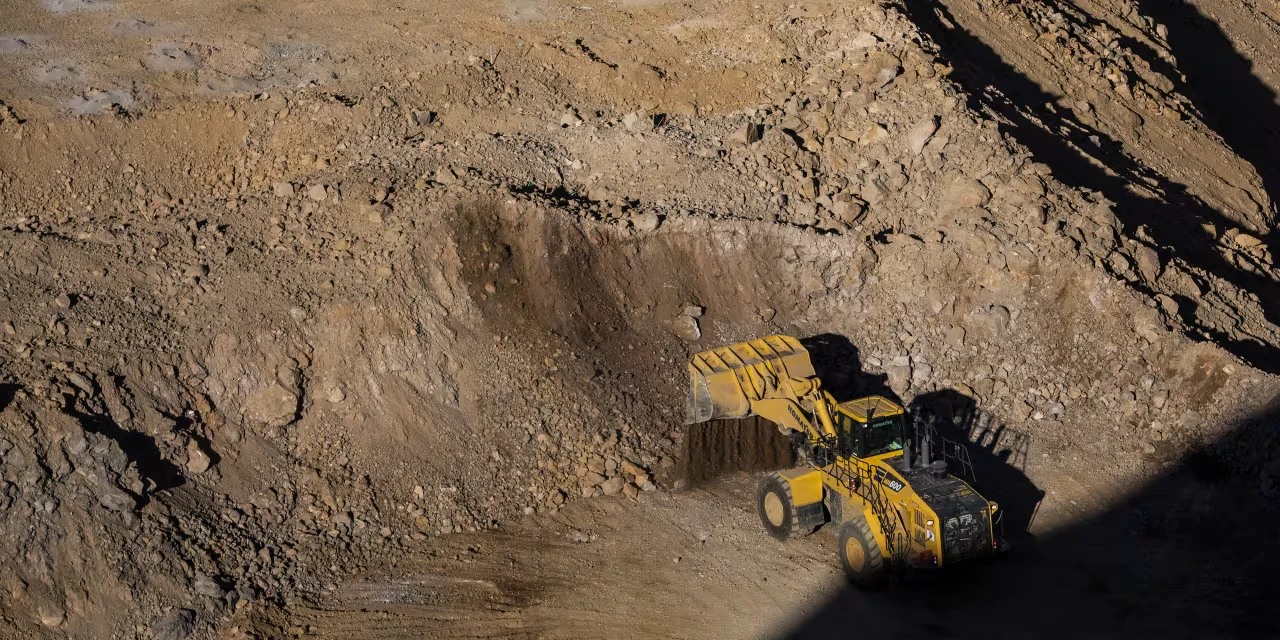
The White House unveiled a plan to launch a $1 billion strategic stockpile of critical minerals (Project Vault) to reduce U.S. dependence on Chinese supplies, a move investors are parsing for potential demand boosts and price stabilization for MP Materials and other rare-earth miners. MP stock traded around $59 after hitting intraday highs near $63 as the news circulated, while peers like USA Rare Earth and Ramaco Resources moved; China currently handles about 85% of global processing, underscoring why a stockpile could meaningfully affect supply dynamics. While seen as positive for securing materials, the policy adds volatility and many details remain, including financing arrangements such as USA Rare Earth's $1.6 billion LOI with the Commerce Department.
A bipartisan bill would create a $2.5 billion Strategic Resilience Reserve for critical minerals, governed by a seven‑member board modeled on the Federal Reserve to buy and stockpile minerals nationwide (prioritizing recycled material); minerals could be sold for private or defense use, with profits funding more purchases, and allied countries could join with at least $100 million. The aim is to insulate the U.S. from foreign threats and counter China’s influence, but the measure must pass both houses and be signed by the president.
The Pentagon plans to acquire up to $1 billion worth of critical minerals to reduce US dependence on China, especially following China's export restrictions on rare earths and other metals crucial for defense and technology industries. This move is part of a broader strategy supported by the Trump administration's legislation to bolster domestic supply chains and stockpiles, including metals like cobalt, antimony, tantalum, and scandium, and potentially seabed minerals, aiming to safeguard against supply disruptions during geopolitical tensions.
The Pentagon plans to purchase up to $1 billion in critical minerals, including cobalt, antimony, and tantalum, to stockpile amid China's recent export controls on rare earths and key materials, which are vital for defense and technology manufacturing. This move is part of broader geopolitical tensions, with the US responding to China's dominance in rare earth production and recent trade threats from the US.
The European Union plans to stockpile critical minerals to mitigate supply chain risks associated with geopolitical tensions and war threats, aiming to secure essential resources for its industries.
The article discusses Iran's uranium stockpile, which is approximately 400kg, and how the future of a potential strike depends on this quantity, highlighting ongoing geopolitical tensions.
The UK Ministry of Defense (MoD) has warned that Russia is likely amassing a significant stockpile of air-launched cruise missiles (ALCMs) for potential winter strikes on Ukraine, targeting Ukrainian infrastructure. Reports suggest that Russia's defense industry is facing challenges in replacing basic supplies and rebuilding its stocks of precision weapons. Despite claims of conserving its missile stockpile, Russia has continued to launch large-scale missile attacks on Ukraine, with the latest attack in Kostyantynivka resulting in the deadliest strike on a Ukrainian civilian target since January. The Ukrainian General Staff reported that Russia has lost 1,455 cruise missiles since the start of the war in February 2022.
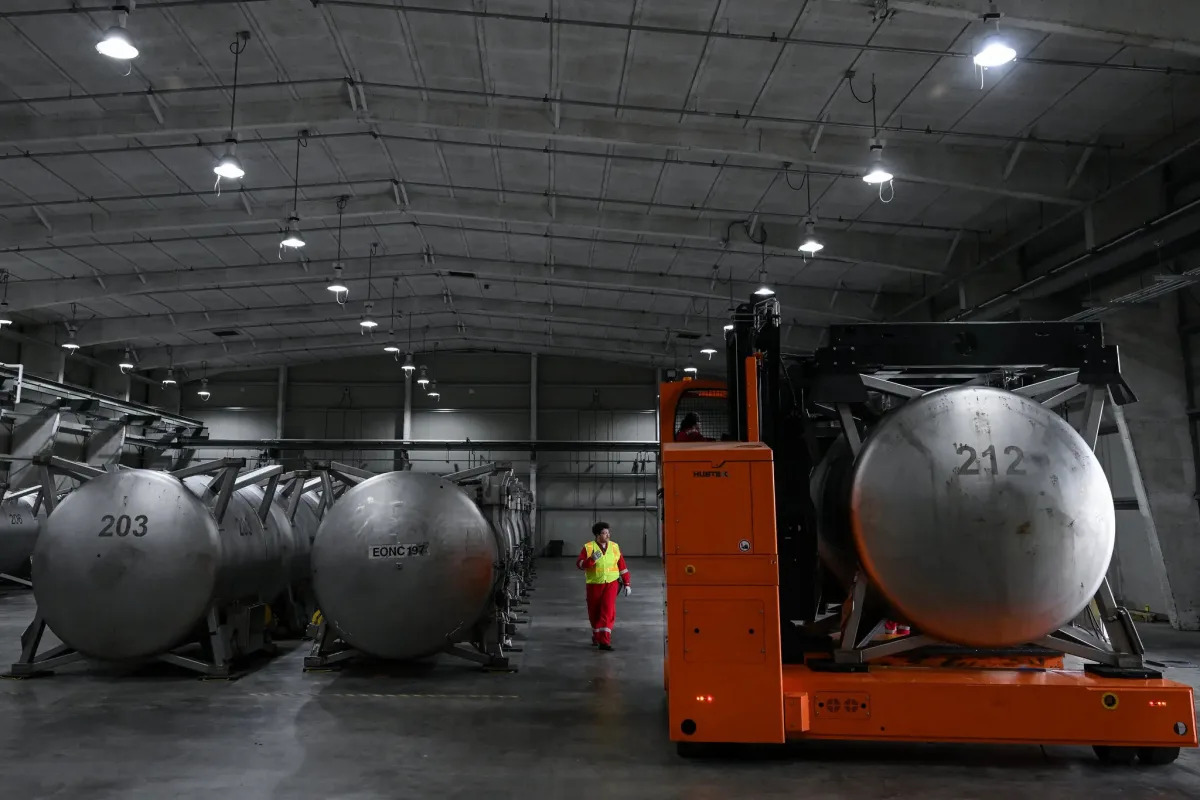
The United States is in the final stages of destroying its vast stockpile of chemical weapons, with the last remaining weapons set to be eliminated in the coming days. The stockpile, built up over generations, included artillery shells filled with deadly mustard agent and tanks of poison. The destruction process has taken decades and cost close to $42 billion, significantly over budget. While the elimination of publicly declared chemical weapons is a significant milestone, some nations never signed the treaty and others, like Russia, may have retained undeclared stocks. Additionally, rogue states and terrorist groups continue to use chemical weapons.
Adidas plans to sell its unsold Yeezy shoes and donate the proceeds to charity after cutting ties with Kanye West over his antisemitic remarks. The company considered destroying the shoes but ultimately decided against it. The details of the selloff and which organizations will receive donations are still being worked out. The decision to not sell the existing Yeezy merchandise cost Adidas nearly $1.28 billion in revenue and $533 million in operating profit for the full year.