Tag

Supply Disruptions

All articles tagged with #supply disruptions

Chevron CEO Flags Looming Oil Shocks Amid Hormuz Disruption
market-news19 days ago

Chevron CEO Flags Looming Oil Shocks Amid Hormuz Disruption

Chevron CEO Mike Wirth warns that oil prices may be underpricing tight physical supply due to the Strait of Hormuz disruption, predicting more shocks ahead. The day’s market move saw Brent crude around $99 and WTI near $87.7 as prices tumbled after talks with Iran, despite a generally bullish investor sentiment on CVX with a Strong Buy consensus and a year-end target around $197.

economy20 days ago

Goldman Lifts Brent Forecast, Signaling Higher Oil Prices for Longer

Goldman Sachs has again raised its oil-price outlook, now forecasting Brent around $110/bbl for March–April and lifting 2026 Brent to $85 and WTI to $79 as Hormuz disruption and tight spare capacity support prices. The bank expects prices to drift higher until the market gains confidence a lengthy disruption won’t persist, with upside risk including potential spikes above the 2008 highs in extreme scenarios, potentially near $115/bbl by late 2026.

Oil Prices Rise Amid Yemen Tensions and Ukraine Uncertainty
business3 months ago

Oil Prices Rise Amid Yemen Tensions and Ukraine Uncertainty

WTI crude oil prices rose by 2.5% to $58.17 amid escalating Yemen tensions and stalled Ukraine peace negotiations, with market concerns about supply disruptions due to ongoing conflicts. Despite recent gains, long-term forecasts are cautious due to rising global inventories and oversupply, leading analysts to lower future price expectations for 2026 and 2027.

Oil Prices Surge Amid Middle East Tensions and Iran-Israel Conflict
world9 months ago

Oil Prices Surge Amid Middle East Tensions and Iran-Israel Conflict

Oil prices increased as the Iran-Israel conflict entered its sixth day, raising concerns over potential supply disruptions in the Strait of Hormuz, a key oil route. The conflict has prompted military deployments and heightened geopolitical tensions, impacting global oil markets amid broader economic considerations including U.S. Federal Reserve interest rate discussions.

Geopolitical Tensions Drive Oil Prices Lower
energy-markets2 years ago

Geopolitical Tensions Drive Oil Prices Lower

Oil prices fell in early Asian trade after Israel concluded strikes in southern Gaza, easing concerns about Middle East supply disruptions. Geopolitical risks and potential oil supply disruptions had pushed prices up by about 6% last week. Concerns about logistics disruptions in the Red Sea and increased U.S. energy production were also factors. Demand concerns persisted due to a Federal Reserve official's comments on interest rates. Trading in Asia is expected to be thin due to holidays.

"German Chemicals Sector Grapples with Red Sea Crisis Impact"
business2 years ago

"German Chemicals Sector Grapples with Red Sea Crisis Impact"

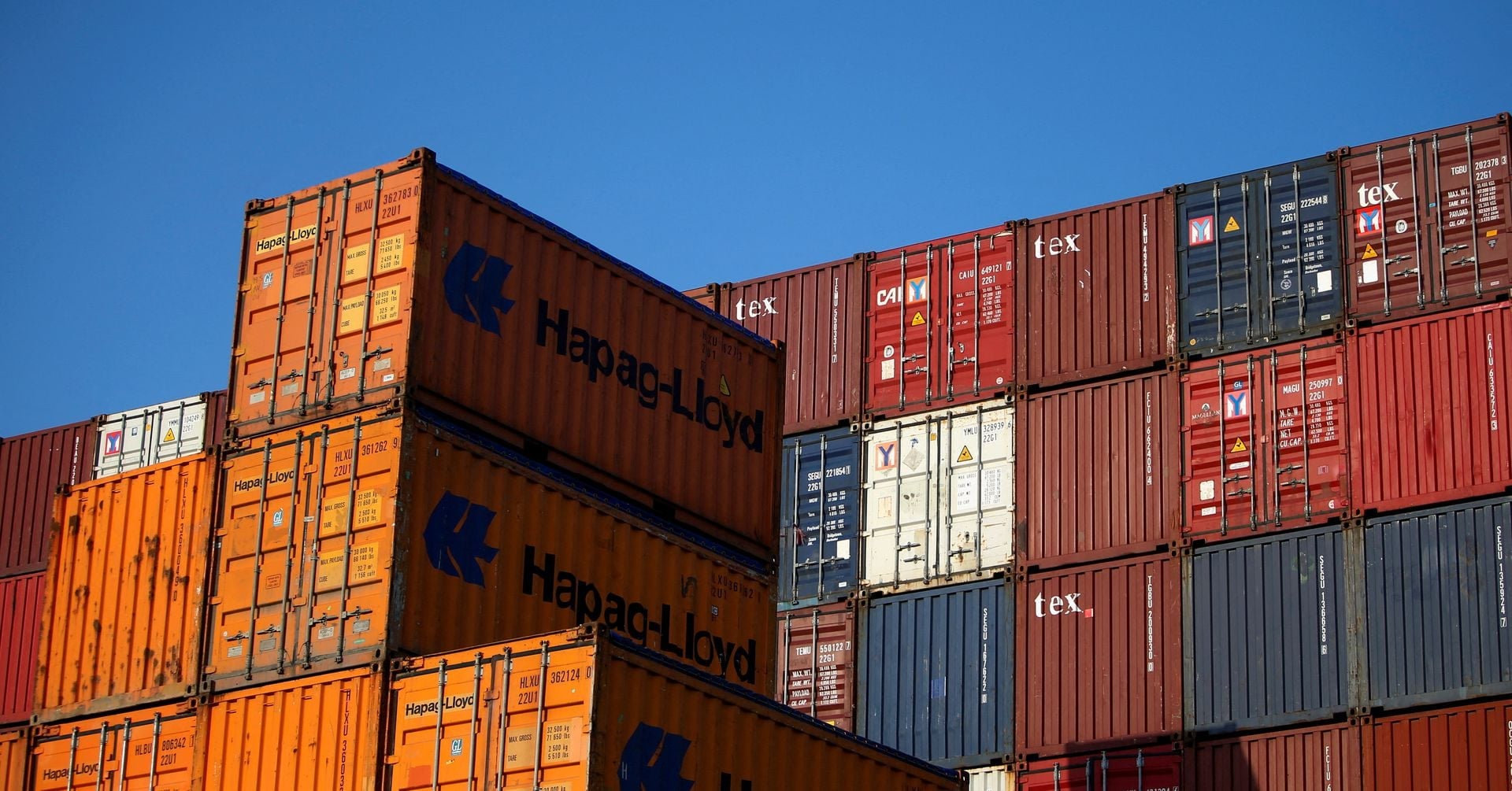
Germany's chemicals sector, the country's third-biggest industry, is facing supply disruptions and higher freight costs due to delayed shipments via the Red Sea, as container shippers have diverted vessels away from the Suez Canal following attacks by Yemen's Houthis. This challenge comes on top of higher energy and materials costs, impacting companies' production and leading to frank discussions with customers. While some companies are mitigating the impact by ordering earlier and switching to air freight, others are less affected due to strong regional footprints and sufficient safety stocks.

"Oil Market Fluctuates Amid Red Sea Tensions and Shale Supply Stability"
business-and-economy2 years ago

"Oil Market Fluctuates Amid Red Sea Tensions and Shale Supply Stability"

Oil prices have increased by nearly 2% due to concerns over supply disruptions following U.S. retaliation against Houthi attacks in the Red Sea. Brent Crude and West Texas Intermediate crude both saw rises in their prices. The conflict poses a threat to oil supply as it could lead to a wider regional conflict and disrupt key shipping lanes. Shipping companies like Maersk have paused voyages in the region due to the increased risk of attacks. The situation is compounded by expectations of strong holiday demand and potential economic stimulus in China, which could further affect oil prices.

Diplomatic Actions and Aid Deliveries Ease Oil Prices Amid Gaza Conflict
energy2 years ago

Diplomatic Actions and Aid Deliveries Ease Oil Prices Amid Gaza Conflict

Oil prices fell over $1 as concerns about supply disruptions eased due to intensified diplomatic efforts to contain the conflict between Israel and Hamas. Aid convoys arrived in Gaza from Egypt, and there is relief that Israel is holding off on a planned ground incursion, opening up a window for diplomacy. The fear of a wider confrontation in the Middle East, the world's biggest oil-supplying region, had driven oil prices up last week. However, Israel bombarded Gaza and struck Lebanon in the latest developments, causing Asian shares to drift lower. The U.S. suspended sanctions on Venezuela to ease oil supply pressure, and world leaders are engaging in talks to find a solution to the conflict.

"Middle East Tensions Trigger 4% Surge in Oil Prices Amid Gaza Evacuations"
energy2 years ago

"Middle East Tensions Trigger 4% Surge in Oil Prices Amid Gaza Evacuations"

Oil prices surged by 4% as tensions escalated in the Middle East, with Israel ordering mass evacuations in Gaza. Concerns of a potential ground invasion by Israel have raised the risk of disruptions to oil supplies in the region. The price of West Texas Intermediate crude for November delivery climbed 3.6% to $85.93 a barrel, while December Brent crude jumped 4% to $89.41 a barrel. Gasoline and heating oil prices also rose, while natural gas fell. Geopolitical risks and supply concerns are driving the increase in oil prices, but fears of a global recession may impact demand in the future.

Natural Gas Prices Surge Amid Supply Disruptions and Winter Demand
energy2 years ago

Natural Gas Prices Surge Amid Supply Disruptions and Winter Demand

Natural gas prices are on a bullish wave due to supply disruptions and weather conditions. Labor unrest at Chevron's LNG export facilities in Australia could impact global supply, potentially leading to a surge in LNG prices. The decline in operational oil and gas rigs in the US also signals a tightening domestic supply. The upcoming solar eclipse in Texas highlights the reliance on gas-fired generators to fill renewable energy gaps. Gas futures have been rising, and the market is expected to sustain its bullish trend in the short term, driven by supply disruptions and increasing demand. However, traders should be cautious as geopolitical, domestic, and renewable energy factors could introduce volatility.

Contrarian Investor David Roche Predicts Soaring Grain Prices
finance2 years ago

Contrarian Investor David Roche Predicts Soaring Grain Prices

Veteran investor David Roche, president and global strategist at Independent Strategy, has a contrarian view on grain prices, predicting a 13-15% annual increase in wheat prices over the next two years. Roche cites potential disruptions in grain supplies due to climate change, including reduced water levels in crucial arteries like the Mississippi River, as well as the impact of El Nino. He also highlights the ongoing Russia-Ukraine war as a factor constraining global grain supply. Roche expects the stock-to-usage ratio for wheat to decline, leading to higher prices.

US Oil Prices Surge Above $90 a Barrel, Raising Concerns of Inflation
energy2 years ago

US Oil Prices Surge Above $90 a Barrel, Raising Concerns of Inflation

US oil prices surpassed $90 a barrel for the first time in 10 months, driven by concerns about supply disruptions in Libya and extended supply cuts by Saudi Arabia and Russia. This surge in oil prices threatens to push gasoline prices even higher and exacerbate inflation across the economy. Despite easing demand, gas prices are just pennies away from their highest level of the year, with a national average of $3.86 per gallon. The recent increase in energy prices is undermining the progress made by central banks in combating inflation, as rising gas prices contributed to higher-than-expected inflation reports in August.