Tag

Trans Neptunian Objects

All articles tagged with #trans neptunian objects

From Six to Eight: How Planet Counts Reflect Our Evolving View of the Solar System
space13 days ago

From Six to Eight: How Planet Counts Reflect Our Evolving View of the Solar System

Over 250 years, the list of recognized planets in our solar system has swung from six (Mercury through Saturn in 1776) to seven after Uranus’s 1781 discovery, briefly to 11 as Ceres and similar bodies were once counted as planets, then back to seven before Neptune’s discovery brought the count to eight; Pluto’s 2006 reclassification as a dwarf planet dropped the official total back to eight. The shifts show how scientific definitions evolve with new data (eg., TNOs and the Kuiper Belt) and ongoing debates between dynamical versus geophysical criteria, implying future discoveries could again reshape what we call a planet.

Planet Nine Debate Persists as New Distant-World Detections Complicate the Search
space29 days ago

Planet Nine Debate Persists as New Distant-World Detections Complicate the Search

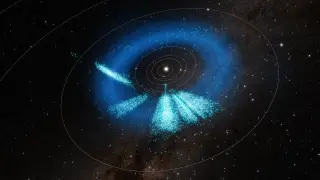
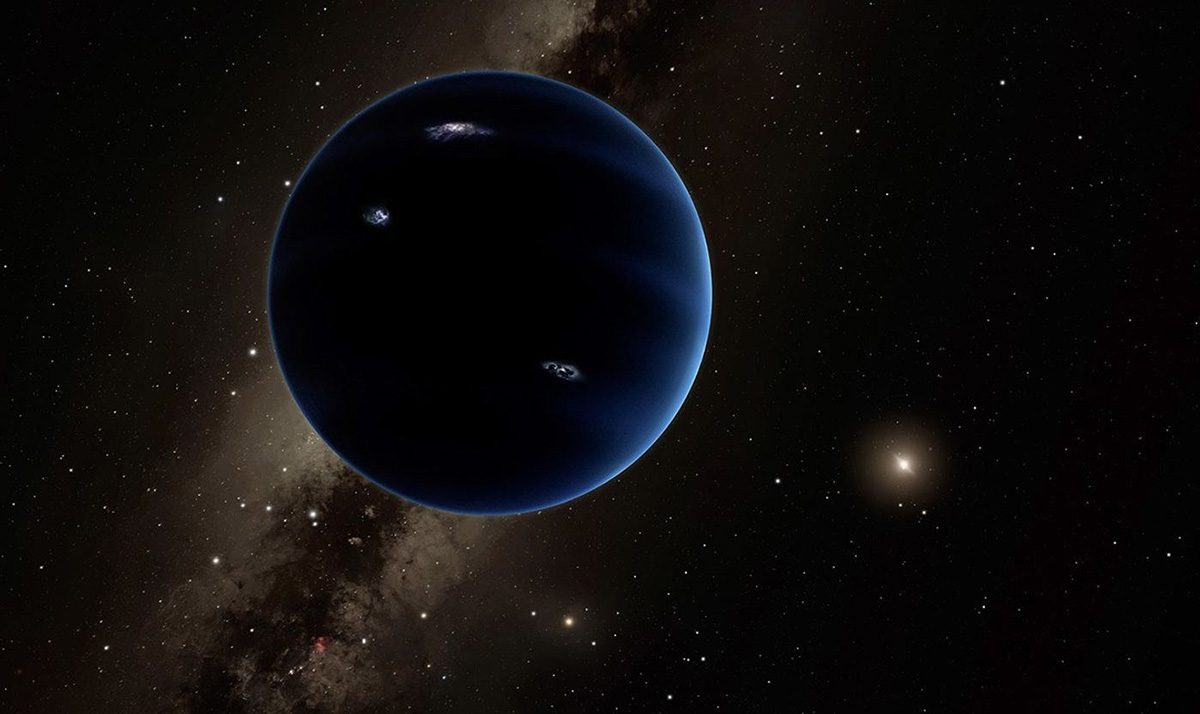
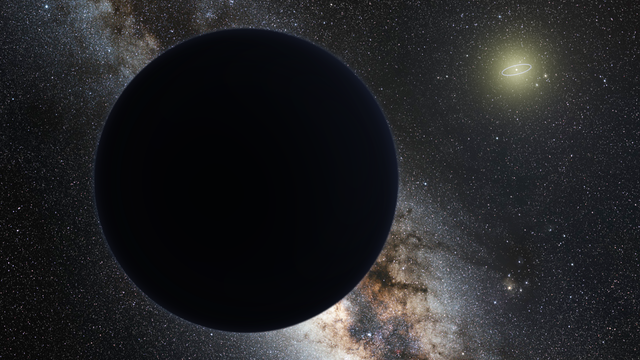
The article reviews renewed evidence and ongoing controversy over Planet Nine, noting that irregular orbits of distant Kuiper Belt objects and new distant bodies like 2023 KQ14 have kept the hypothesis viable but unproven. Long orbital periods and limited data mean there is no definitive detection yet; if a ninth planet exists, it would likely lie farther than ~500 AU. Ongoing ground- and space-based observations—and future missions—are needed to clarify whether a massive unseen planet shapes these orbits.

Rubin Observatory's LSST set to reveal millions of unseen solar-system objects
science1 month ago

Rubin Observatory's LSST set to reveal millions of unseen solar-system objects

The Vera C. Rubin Observatory is gearing up to begin the decade-long Legacy Survey of Space and Time (LSST), which will repeatedly image the southern sky with a 3.2‑gigapixel camera to detect small, fast‑moving solar-system bodies. Simulations predict the survey could add roughly 5 million new main-belt asteroids, about 40,000 trans‑Neptunian objects, and over 10,000 comets, with near-Earth objects more than tripling, though these are model yields, not guaranteed discoveries. Data Preview 2 is planned for July–September 2026 ahead of the formal survey start, enabling early testing of the predicted yields. The project will boost planetary defense and solar-system science but will not replace targeted follow-up observations for composition and dynamics.

Rubin Observatory Unveils 11,000 Asteroids in Early Look, Heralding a Solar-System Census
science2 months ago

Rubin Observatory Unveils 11,000 Asteroids in Early Look, Heralding a Solar-System Census

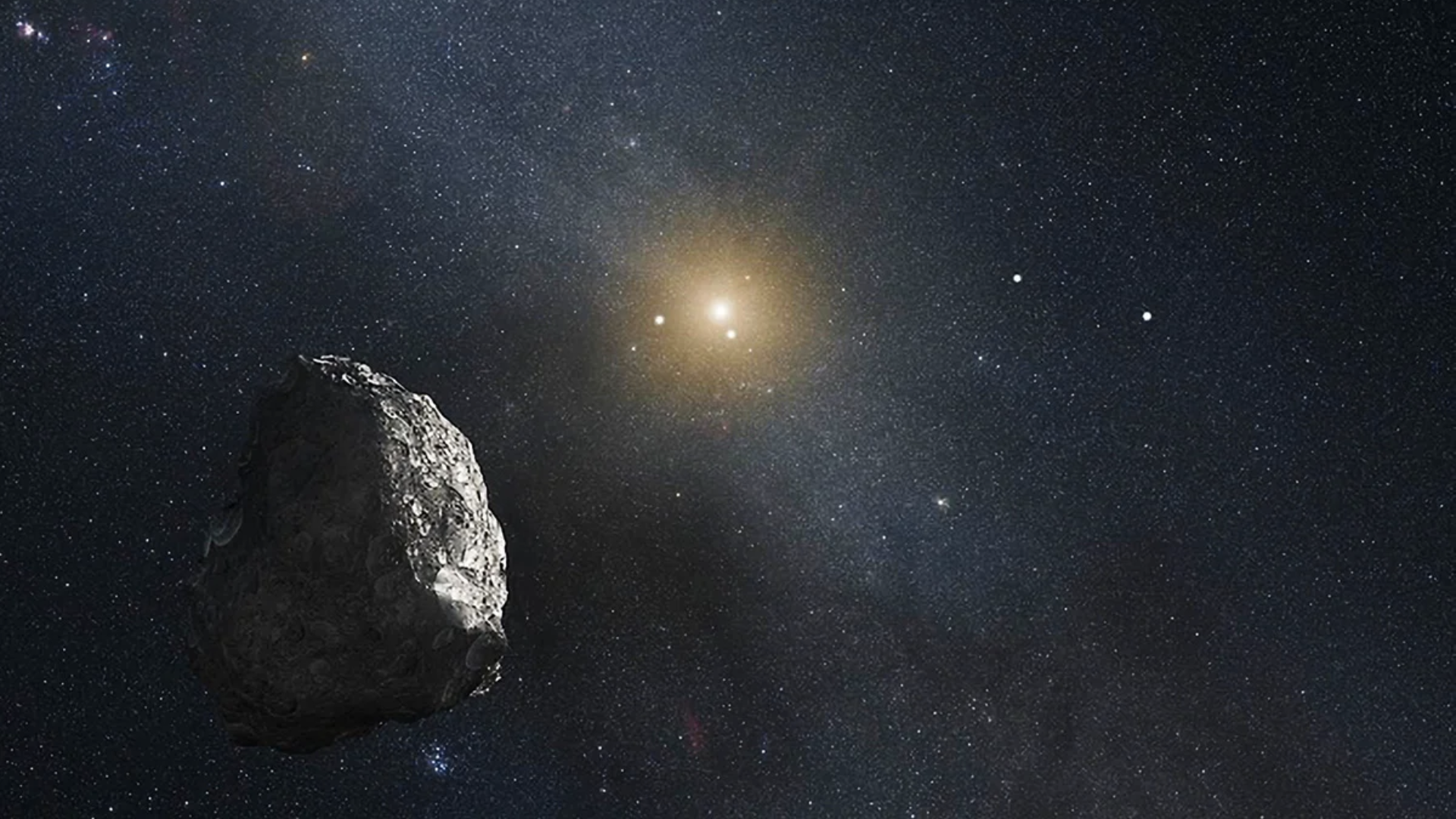
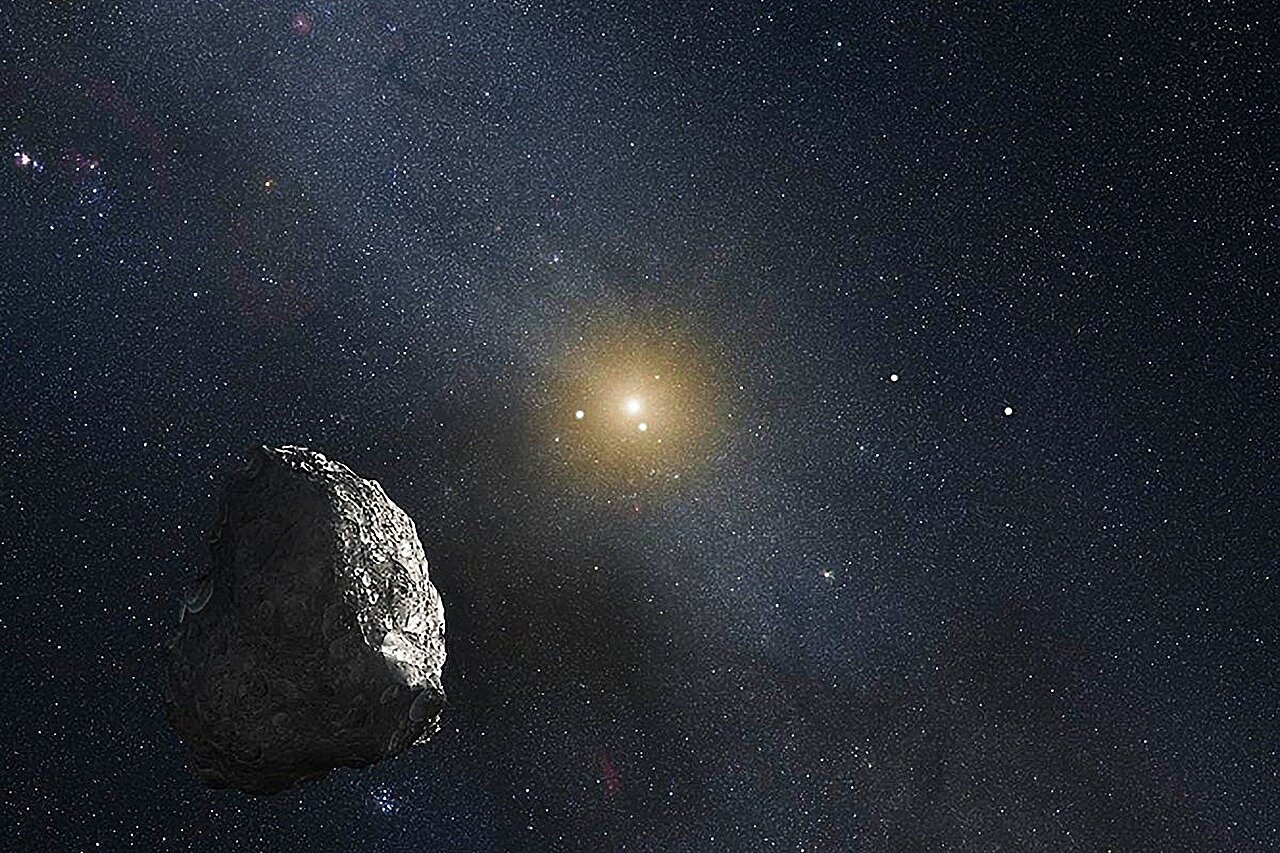
In an early data release from the Vera C. Rubin Observatory, scientists identified 11,097 new asteroids (along with 33 near-Earth objects and about 380 trans-Neptunian objects), with results confirmed by the MPC. The findings demonstrate Rubin's unprecedented survey power and foreshadow a dramatic expansion of the Solar System inventory during the ten-year LSST era, with data openly available for ongoing research.

Scientists Search for Hidden Massive Object at Solar System's Edge
science11 months ago

Scientists Search for Hidden Massive Object at Solar System's Edge

Scientists continue to investigate the possibility of a massive undiscovered planet, 'Planet Nine', influencing the orbits of distant objects in the Kuiper Belt, though recent discoveries and limited observational data make its existence uncertain. The search relies on telescopic observations, as space travel to the outer solar system would take over a century.

Webb Telescope Unveils CO2 and CO Ices Beyond Neptune
space-exploration2 years ago

Webb Telescope Unveils CO2 and CO Ices Beyond Neptune

Scientists using the James Webb Space Telescope have detected carbon dioxide and carbon monoxide ices on trans-Neptunian objects for the first time, revealing new insights into the formation and migration of celestial bodies in our solar system. The study, led by researchers from the University of Central Florida, found CO2 in 56 out of 59 observed objects, suggesting these ices are more widespread than previously thought. This discovery could significantly enhance our understanding of the early solar system's composition and the evolution of these distant objects.

"Discovery of Unknown Planet in Our Solar System Confirmed by Scientists"
astronomy2 years ago

"Discovery of Unknown Planet in Our Solar System Confirmed by Scientists"

Scientists have found new evidence supporting the existence of a hidden ninth planet in our solar system, known as Planet Nine. By studying the movements of trans-Neptunian objects, researchers have concluded that the best explanation for their behavior is the presence of an undiscovered planet. The upcoming Vera C Rubin Observatory in Chile is expected to provide further insights into the mysteries of our solar system's outer reaches.

"James Webb Space Telescope Reveals Neptune's Icy History and Potential for Life Beyond"
space2 years ago

"James Webb Space Telescope Reveals Neptune's Icy History and Potential for Life Beyond"

The James Webb Space Telescope has used its unprecedented spectral observation capabilities to study a pair of icy asteroids at the edge of the solar system, providing insights into the evolution of Neptune and the Kuiper Belt. This research represents the first time the surface composition of a small, binary pair of Trans-Neptunian Objects (TNOs) has been investigated, shedding light on the chemical compositions of these distant objects and their potential role in the distribution of molecules that gave birth to planets and life on Earth. The findings could also help track down how Neptune has migrated to reach its current orbit, and the team believes that the JWST will deliver even more information about objects in the Kuiper Belt and beyond Neptune in the future.

"Uncovering Neptune's Evolution with the James Webb Space Telescope"
astronomy2 years ago

"Uncovering Neptune's Evolution with the James Webb Space Telescope"

Scientists have used the James Webb Space Telescope to analyze the surface compositions of a binary duo of icy asteroids, Mors-Somnus, for the first time, shedding light on the evolution of Neptune and other objects in the outer solar system. The study, part of the DiSCo-TNOs program, provides insights into the dynamical history of Neptune and trans-Neptunian objects, offering clues about Neptune's migration and settlement into its final orbit. The findings also contribute to our understanding of the formation and composition of small celestial bodies beyond Neptune, providing valuable information about the origins of the planets, moons, and small bodies in our solar system.