Tag

Transposable Elements

All articles tagged with #transposable elements

DNA Methylation Loss in Large Dogs Linked to Accelerated Aging
science1 month ago

DNA Methylation Loss in Large Dogs Linked to Accelerated Aging

A new study published in Science suggests that large dogs age faster than small ones due to the rapid loss of DNA methylation marks that suppress 'jumping genes.' Analyzing nearly 900 dogs, researchers found that giant breeds lose these protective chemical tags 35% faster per year than small breeds, potentially leading to genomic instability and shorter lifespans.

Sea Anemones Reveal DNA Methylation as an Ancient Genome Shield
science5 months ago

Sea Anemones Reveal DNA Methylation as an Ancient Genome Shield

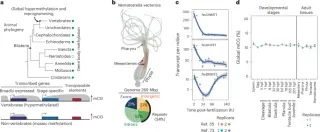
Removing DNA methylation in the sea anemone Nematostella vectensis had little impact on development but unleashed hidden transposable elements, suggesting DNA methylation evolved as a genomic defense against jumping genes. The study also found that some induced epigenetic changes can be inherited due to limited post-fertilization epigenetic resetting, offering insight into the ancestral role of DNA methylation and the evolution of gene regulation.

Gene body methylation acts as a genome defense and enables heritable regulatory variation in a cnidarian
epigenetics5 months ago

Gene body methylation acts as a genome defense and enables heritable regulatory variation in a cnidarian

In the cnidarian Nematostella vectensis, gene body methylation (gbM) marks stably expressed genes and is not a driver of dynamic transcription. Loss of 5mC via a DNMT1 inhibitor or DNMT1/UHRF1 morpholinos leads to global demethylation, widespread chromatin opening, and ectopic intragenic transcription, including activation of young transposons. Importantly, methylation is selectively re-established in the germline and is not globally reset after fertilization, allowing heritable aberrant methylation states and generating regulatory variation across generations—supporting gbM as an ancient genome defense in animals.

"Unveiling DNA Secrets with the Genomic Time Machine"
science-and-technology2 years ago

"Unveiling DNA Secrets with the Genomic Time Machine"

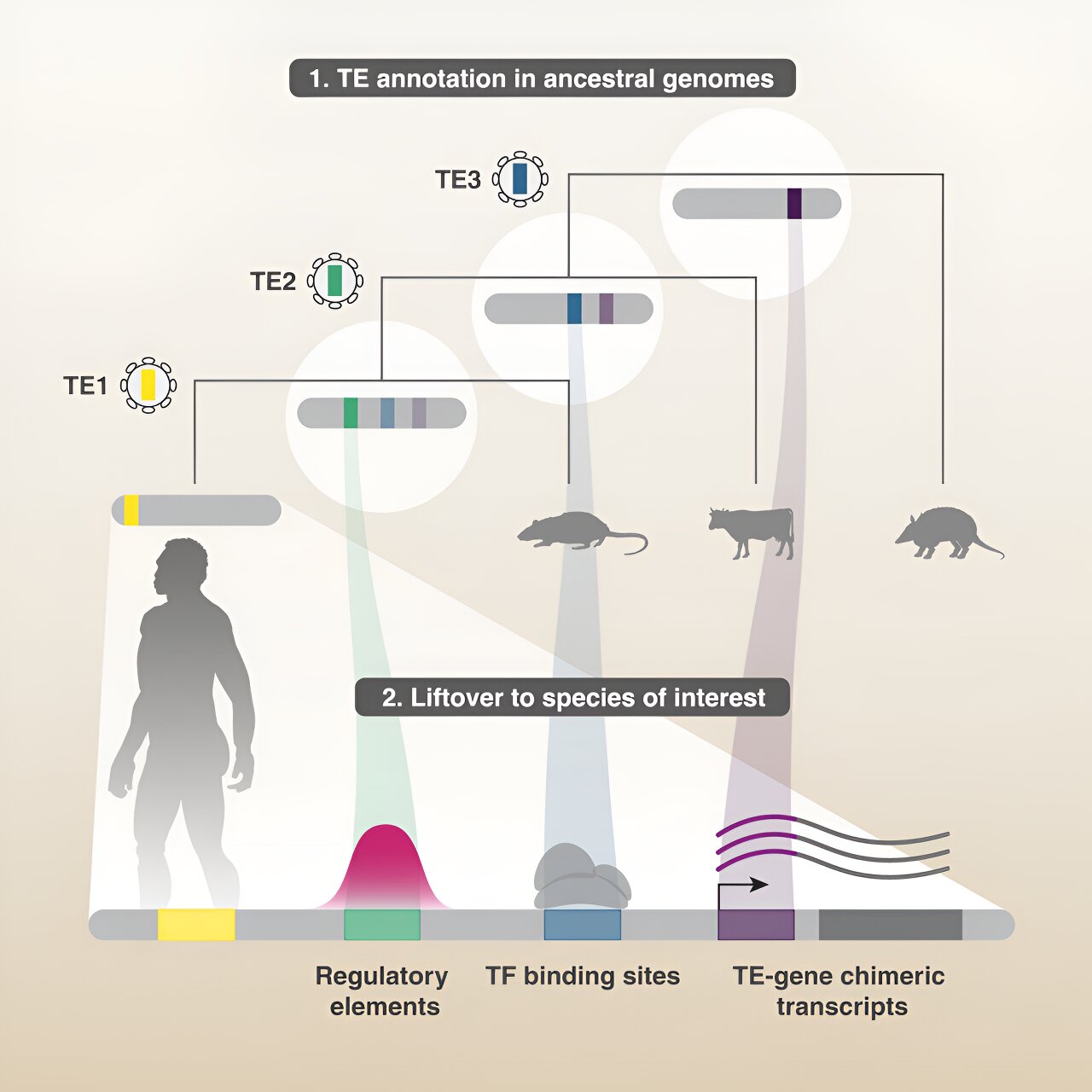
Researchers have used reconstructed ancestral genomes from various species as a "genomic time machine" to identify previously undetectable degenerate transposable elements (TEs) in the human genome. This approach allowed them to uncover a larger number of TEs than previously known, significantly contributing to the share of human DNA contributed by TEs. The study's findings could lead to better understanding of TEs and their regulatory roles, potentially providing insights into human diseases influenced by genetic factors, such as cancer, autoimmune and metabolic disorders, and the body's response to environmental stresses and aging.

Unlocking Immortality: The Potential of Jellyfish DNA in Extending Human Lifespan
science-and-technology3 years ago

Unlocking Immortality: The Potential of Jellyfish DNA in Extending Human Lifespan

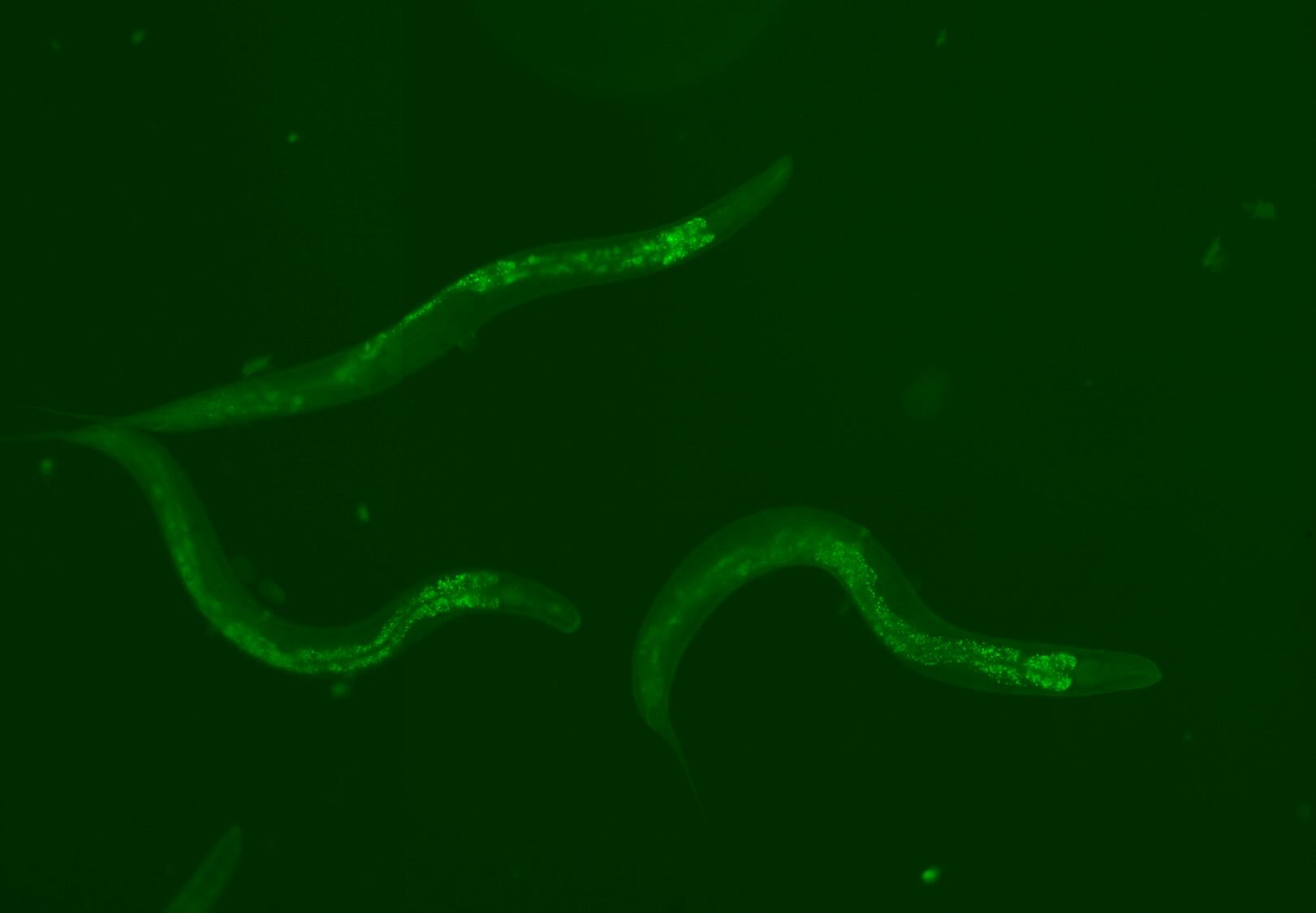
Researchers from Eötvös Loránd University have made a breakthrough in understanding the aging process by studying transposable elements (TEs) in DNA. They identified the Piwi-piRNA pathway, which controls the activity of TEs, and found that managing TEs can extend lifespan. By downregulating TEs in worms, the researchers observed slower aging and a significant increase in lifespan. This discovery has implications for medical and biological research, potentially leading to the development of methods to extend human life and improve health in later years. Additionally, the researchers discovered epigenetic changes in the DNA of aging worms, which could potentially be used as a biological clock to determine age.

Unveiling the Secrets of Aging: Insights from Transposable Elements Study
science3 years ago

Unveiling the Secrets of Aging: Insights from Transposable Elements Study

Researchers have discovered that controlling the activity of transposable elements (TEs), which are mobile DNA elements, can extend lifespan in worms. By downregulating specific TEs and strengthening the Piwi-piRNA pathway, the worms showed signs of aging slower and lived significantly longer. The study also revealed epigenetic changes in the DNA of the worms as they aged, which could potentially be used as a biological clock to determine age from DNA. This breakthrough in understanding the role of TEs and their control pathways opens up possibilities for developing methods to extend life and improve health in later years.

The Interplay of RNA and DNA Methylation in Stem Cell Fate and Transposable Element Regulation
science-and-technology3 years ago

The Interplay of RNA and DNA Methylation in Stem Cell Fate and Transposable Element Regulation

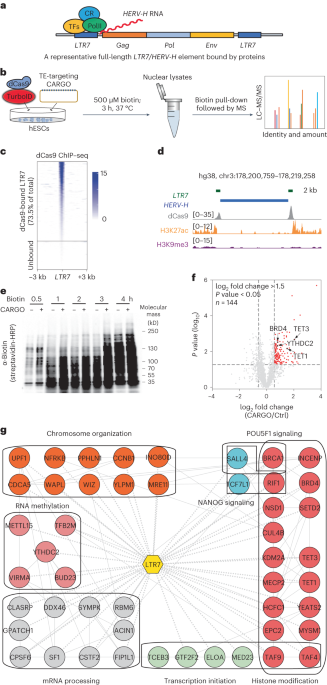
A study has revealed the crosstalk between RNA m6A and DNA methylation in regulating transposable element chromatin activation and cell fate in human pluripotent stem cells. The researchers found that RNA m6A modification influences DNA methylation patterns, leading to changes in chromatin accessibility and gene expression. This interplay between RNA m6A and DNA methylation provides insights into the regulation of transposable elements and their impact on cell fate determination.