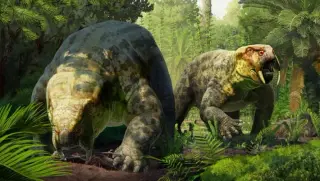
A new dicynodont species, Dinodontosaurus isiyavamanda, identified from fossils in Tanzania, suggests that key rock layers containing early dinosaur fossils are younger than previously thought, refining the timeline of dinosaur origins.
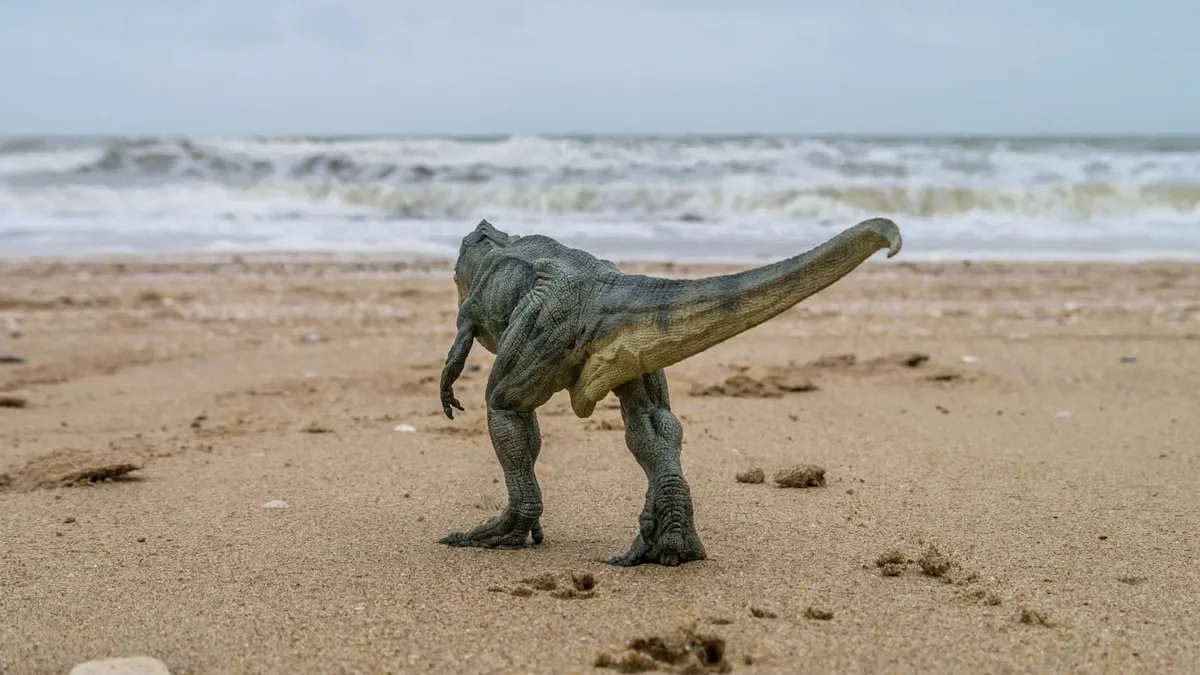
A 10-year-old girl and her mother found five large dinosaur footprints on Lavernock Point along the South Wales coast, spaced about 30 inches apart and believed to belong to a late Triassic camelotia sauropodomorph. Paleontologists from the National Museum Wales confirmed the prints’ pattern and significance, noting Wales has a growing record of dinosaur finds and that the site adds to millions of years of prehistoric activity in the region.
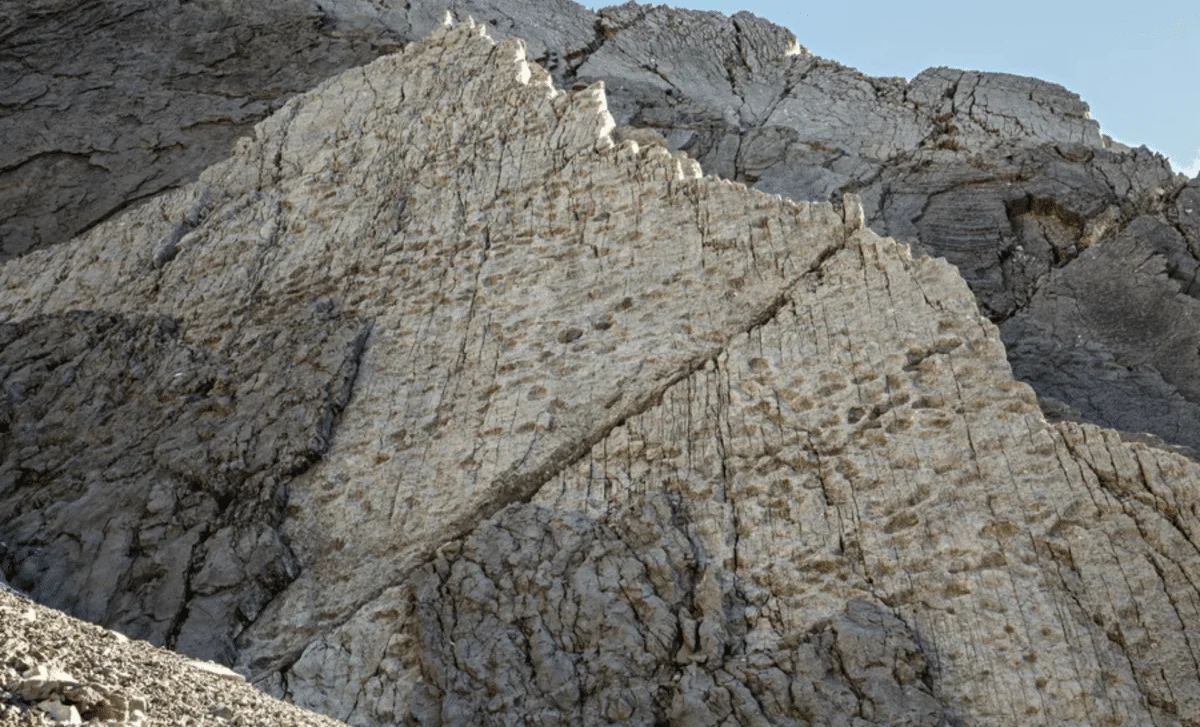
A photographer in Stelvio National Park, northern Italy, uncovers hundreds of remarkably well-preserved Triassic dinosaur footprints—some forming trackways that suggest coordinated herd movement and social behavior—leading scientists to map, preserve, and study the site for clues about prehistoric life.
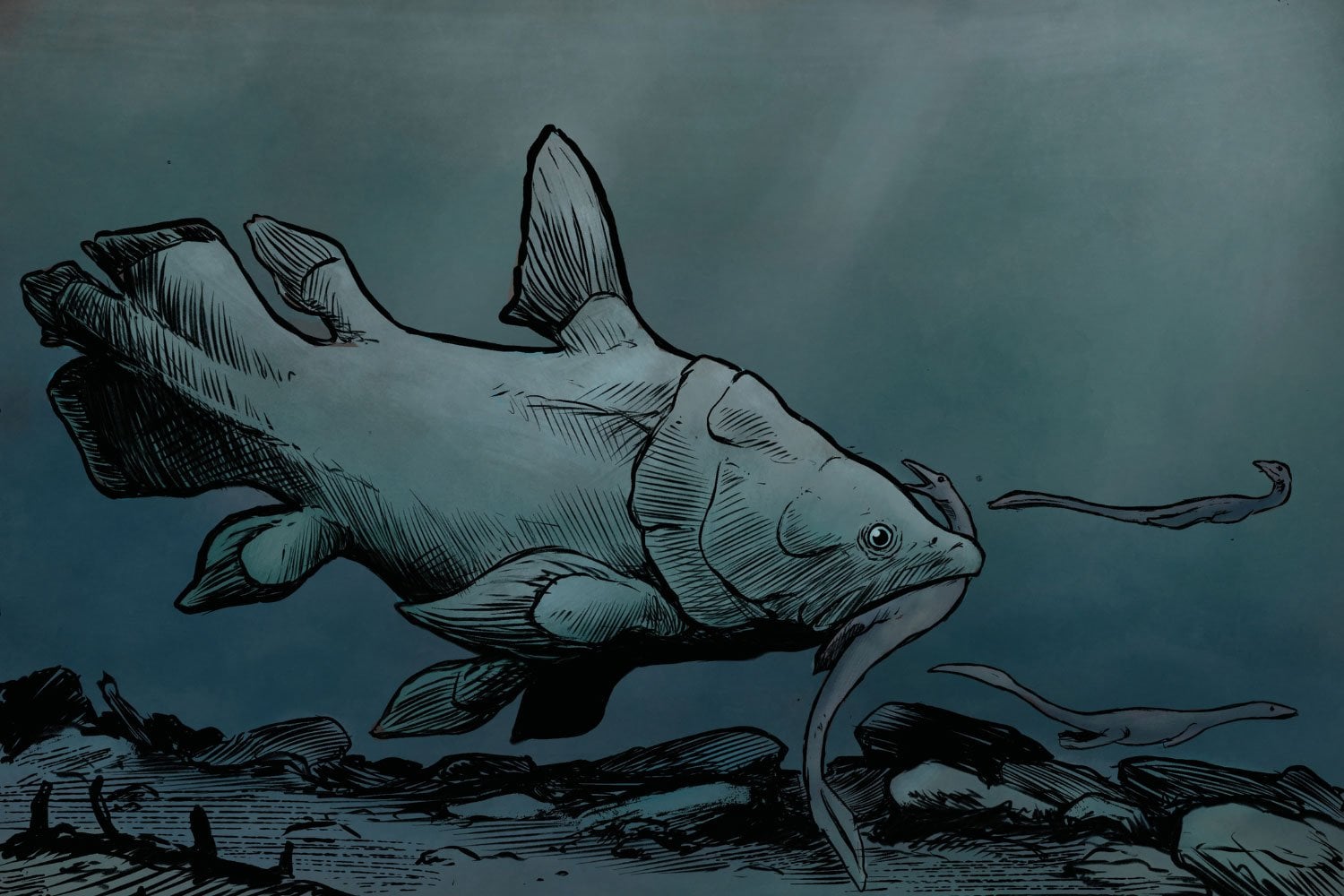
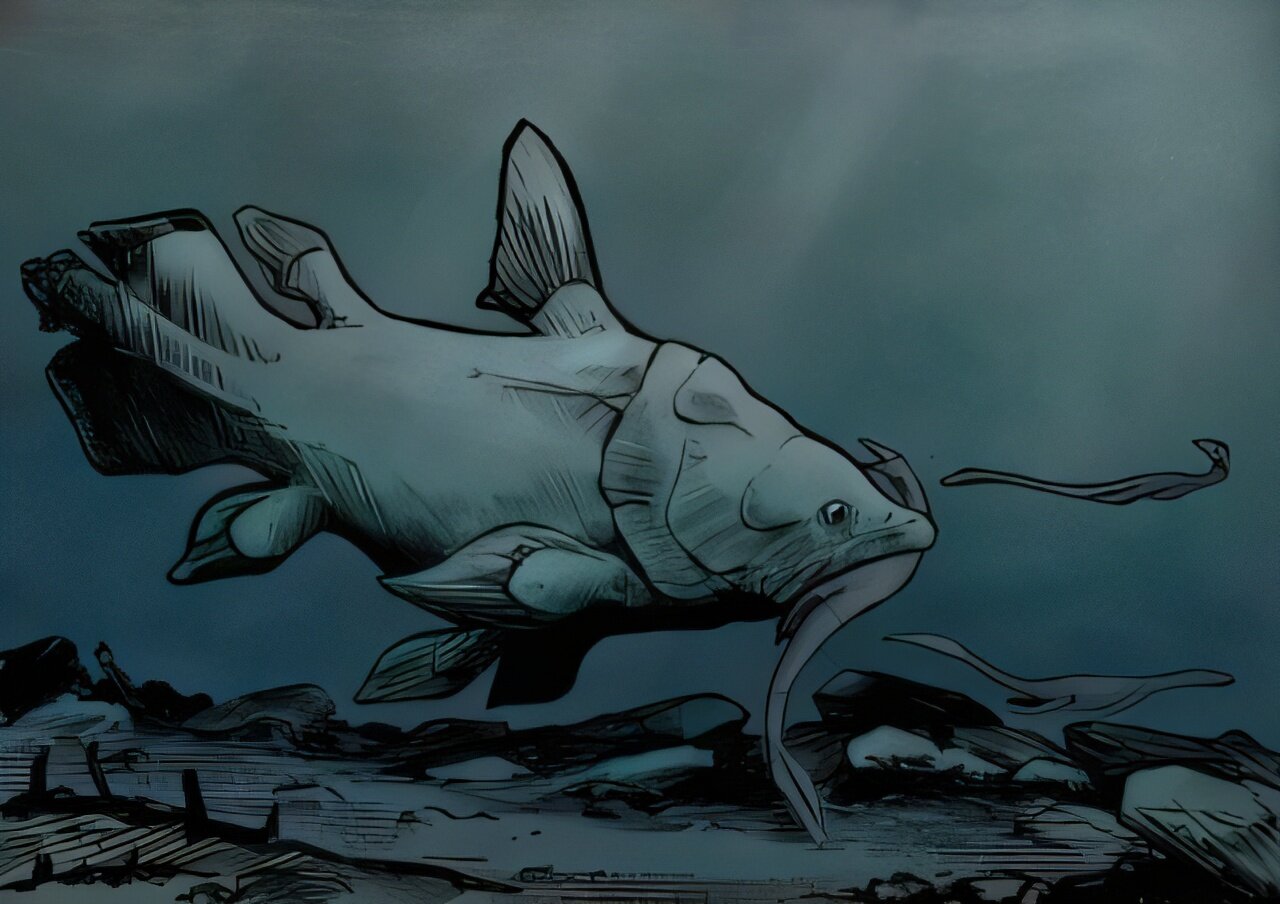
Researchers uncovered over fifty Triassic coelacanth fossils in UK museums, many misidentified for over 150 years, revealing a complex ancient ecosystem and expanding knowledge of this 'living fossil' from the time when the UK was a tropical sea archipelago.
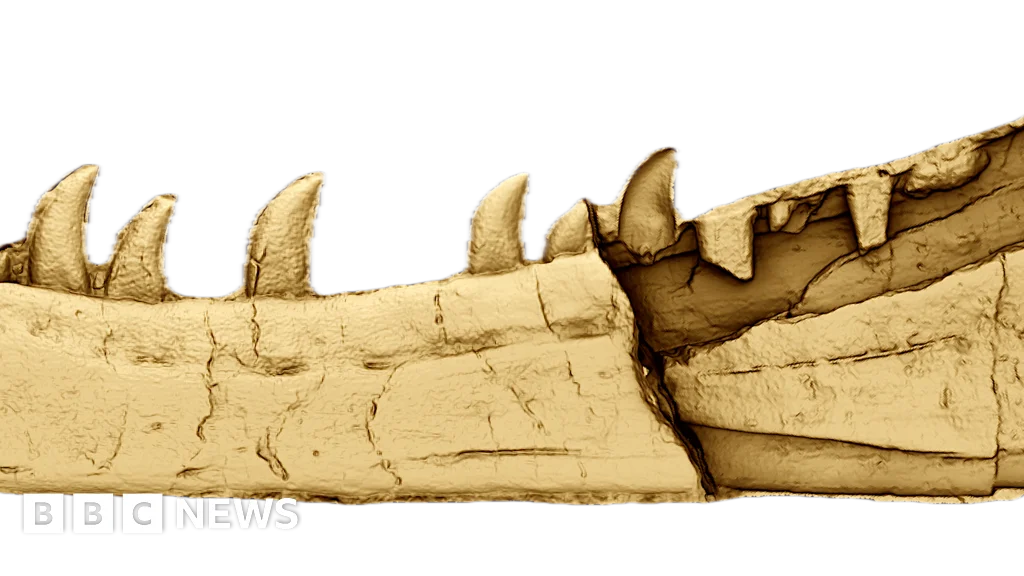
Paleontologists from the University of Bristol used modern 3D digital scanning techniques to identify a new dinosaur species, Newtonsaurus cambrensis, from a fossil found in 1899 in South Wales. The discovery reveals it was a large, carnivorous theropod that lived during the Triassic period, highlighting the importance of historical specimens and advanced technology in paleontology.
Researchers have identified over 50 coelacanth fossils from the British Triassic period, dating back around 200 million years, revealing a complex community of these 'living fossil' fish that had been misidentified or overlooked in museum collections for over 150 years.
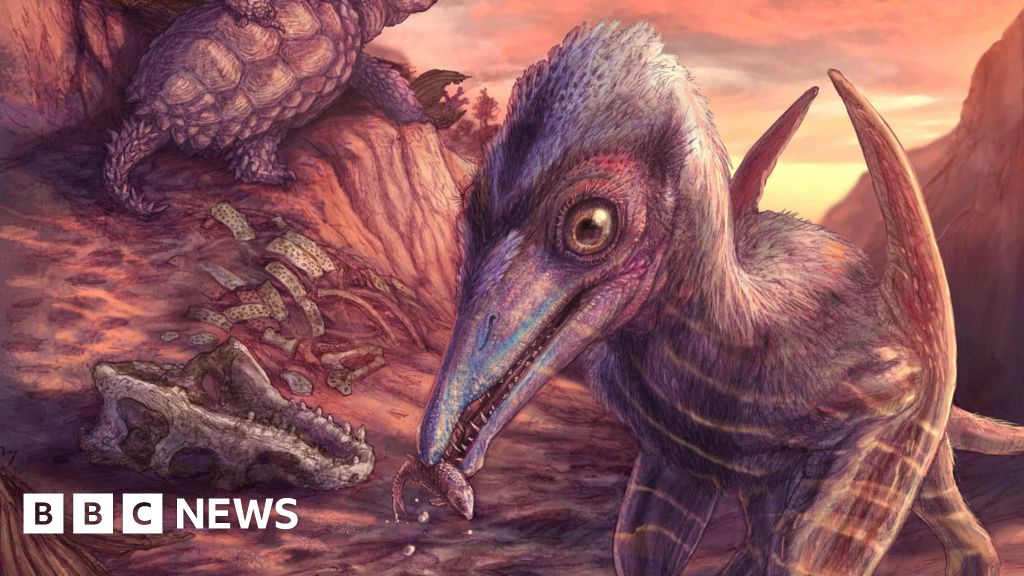
Scientists have discovered a new species of flying reptile, Eotephradactylus mcintireae, based on a jawbone found in Arizona, dating back over 200 million years. The fossil, preserved in volcanic ash, provides insights into the ecosystem of the Triassic period, revealing a diverse environment with extinct and modern animals coexisting, and suggests the pterosaur fed on armored fish.
A new study published in Nature suggests that fossilized dinosaur feces and vomit, known as bromalites, could provide insights into how dinosaurs evolved from minor species to dominant ones. Researchers, including Martin Qvarnström from Uppsala University, examined these trace fossils to test two hypotheses about dinosaur dominance: the 'competitive replacement' model, which attributes their success to superior adaptations, and the 'opportunistic replacement' model, which suggests adaptability to environmental changes. The study highlights the potential of coprolites to reveal details about ancient diets and ecological dynamics.
Researchers have conducted an extensive study of over 500 fossilized dinosaur droppings, revealing that dinosaurs' dietary flexibility allowed them to dominate the Earth during the Triassic period. The analysis showed that early dinosaurs were opportunistic eaters, consuming a variety of foods like insects, fish, and plants, which helped them adapt to the changing climate and ecosystems as Pangea broke apart. This adaptability gave them an edge over more specialized species, leading to their rise as the dominant terrestrial animals.
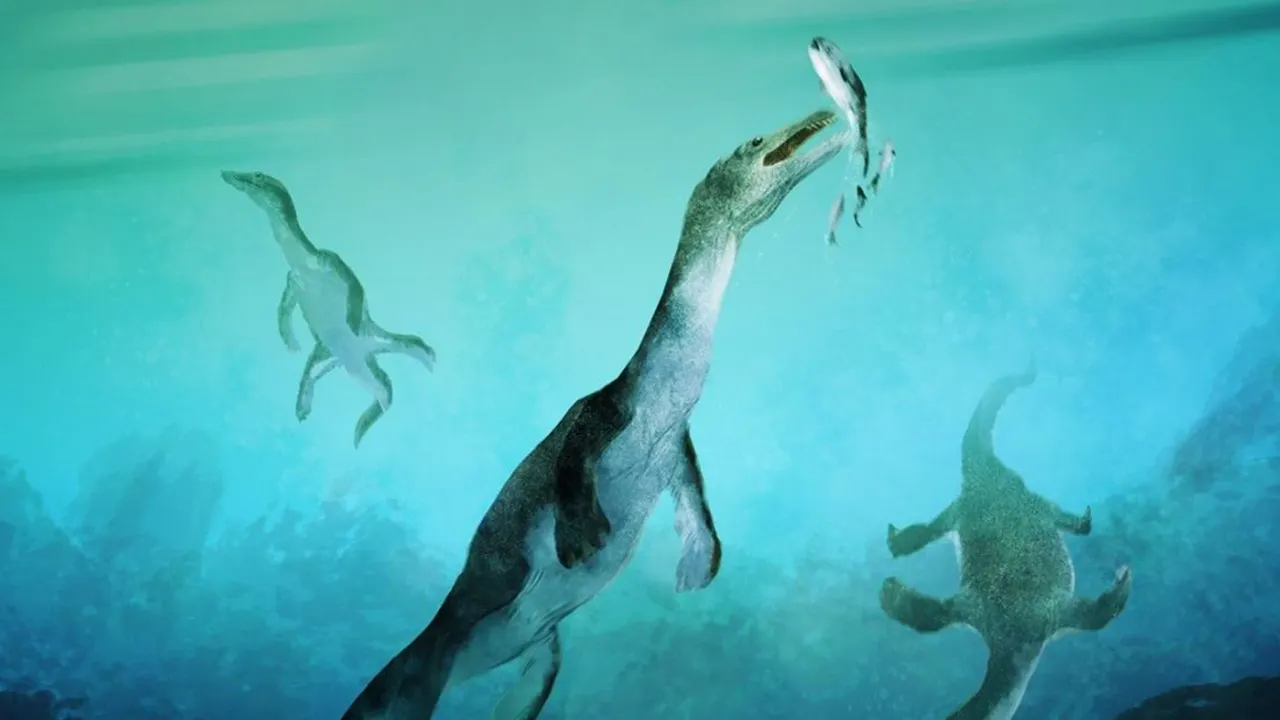
A 246 million-year-old nothosaur fossil discovered in New Zealand is the oldest marine reptile fossil found in the Southern Hemisphere. This finding, identified by Uppsala University’s Museum of Evolution, provides new insights into early sea reptiles' distribution and evolution following a mass extinction event. The fossil suggests that nothosaurs originated near the equator and spread rapidly, thriving in ancient polar regions due to extreme global warming.
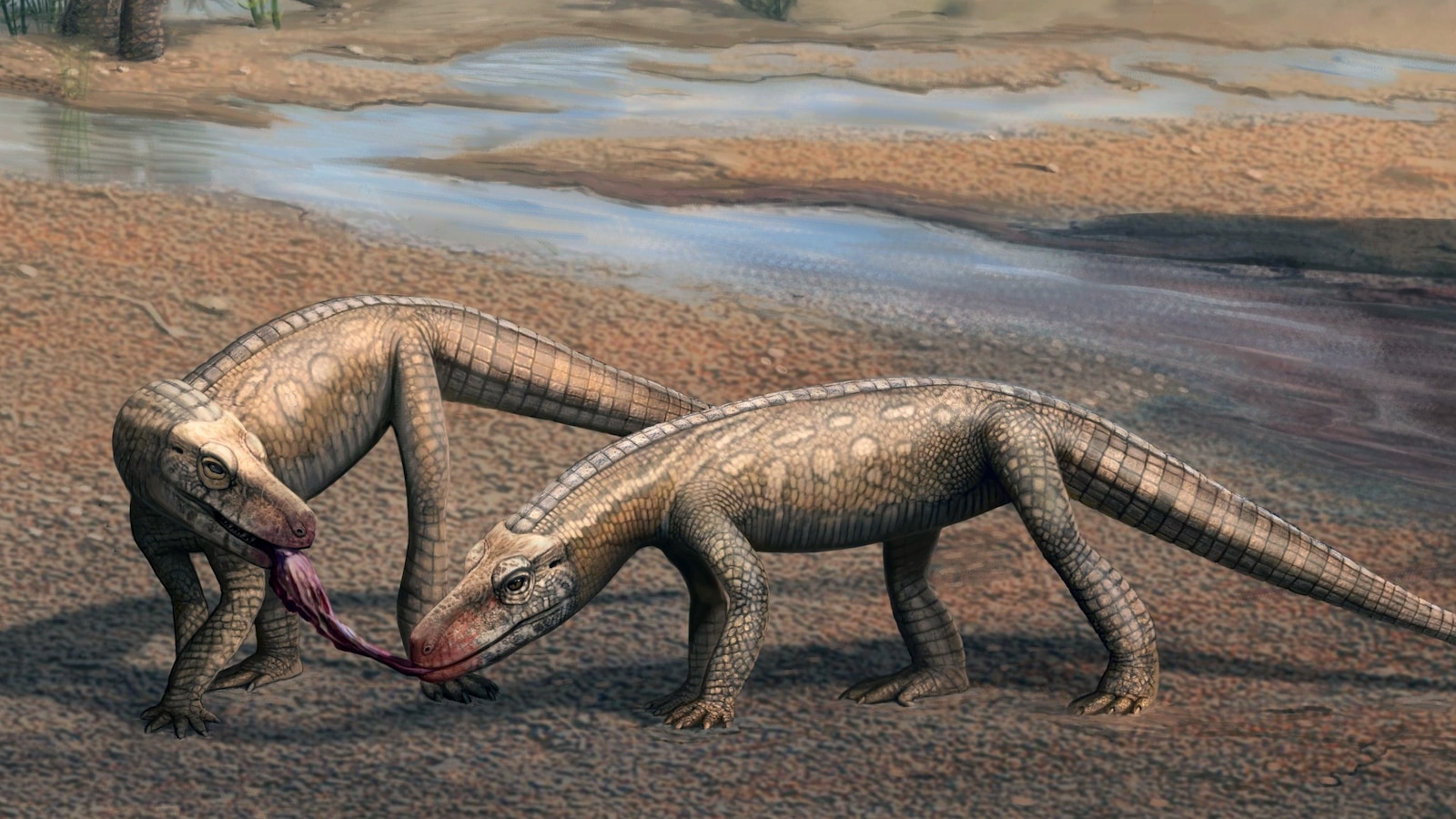
Paleontologists have discovered a new species of ancient crocodile-like reptile, Parvosuchus aurelioi, in southern Brazil. Dating back 237 million years, this small predatory reptile provides insights into pre-dinosaur ecosystems. The fossils, including a complete skull and partial skeleton, reveal that Parvosuchus aurelioi was an agile hunter with blade-like teeth. This discovery adds to the rare group of gracilisuchids, previously known from only three other species worldwide.
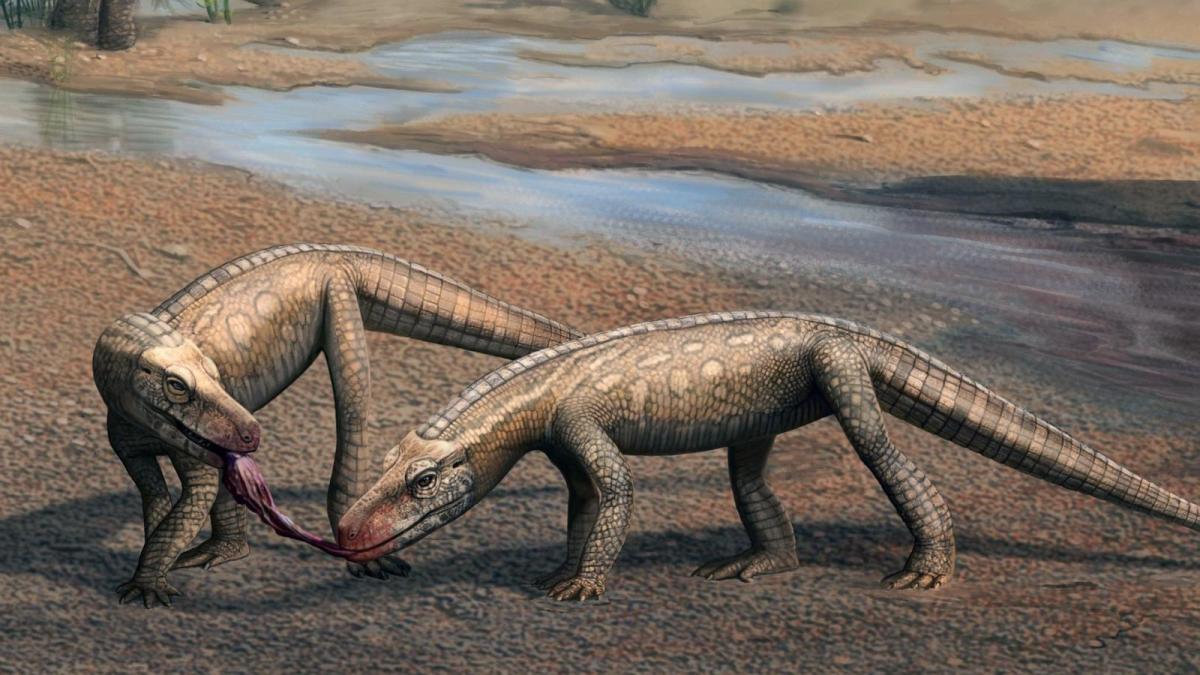
Paleontologists have discovered a new species of ancient crocodile-like reptile, Parvosuchus aurelioi, in southern Brazil. Dating back 237 million years, this small predatory reptile provides insights into pre-dinosaur ecosystems. The fossils, including a complete skull, reveal that Parvosuchus aurelioi was an agile hunter with blade-like teeth. This discovery highlights the complexity of Triassic ecosystems and adds to the rare group of gracilisuchids, previously known from only three other species worldwide.
Scientists have discovered a 200-million-year-old dinosaur ecosystem at a fossil site in Lavernock, Wales, dating back to the Triassic period. The study, published in the Proceedings of the Geologists’ Association, provides new insights into the local ecology of that era.
A major fossil discovery at Lavernock Point in Wales has revealed that early dinosaurs lived in a tropical lowland by the sea over 200 million years ago. The study, led by the University of Bristol, identified rare marine and terrestrial fossils, reconstructing a complex prehistoric ecosystem and providing new insights into dinosaur evolution. This discovery marks a significant advancement in understanding the paleontological history of the region.
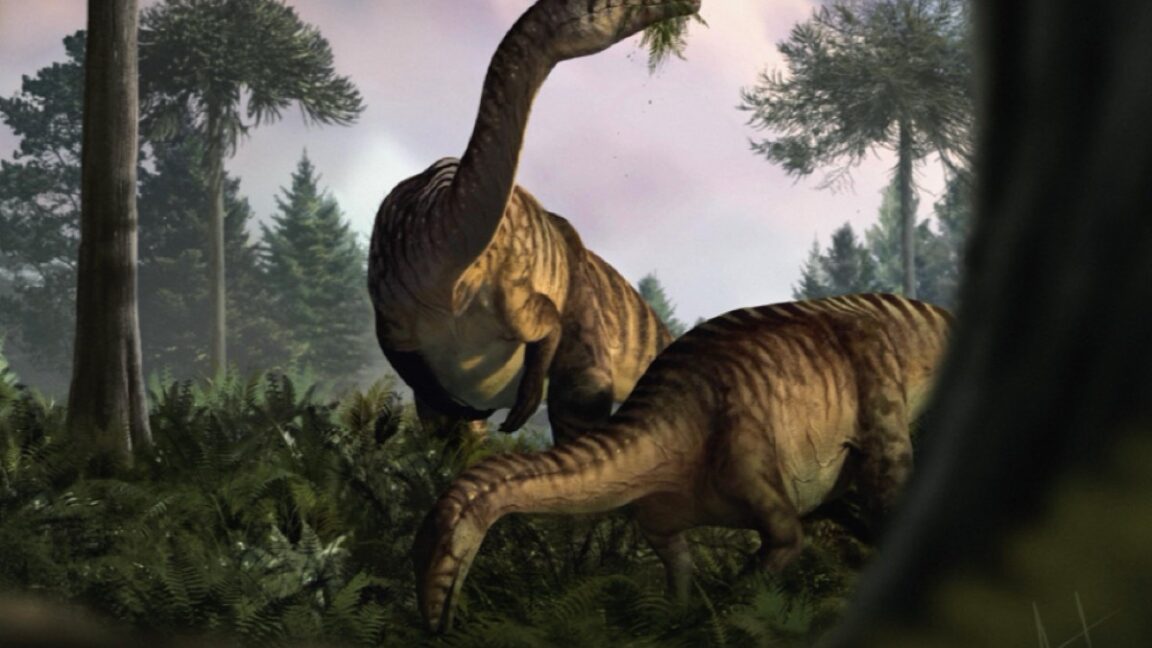
An international team of scientists has discovered a new species of herbivorous dinosaur, Musankwa sanyatiensis, in Zimbabwe. Dating back to the late Triassic Period, this find underscores Africa's untapped paleontological potential and highlights the region's significance for future archaeological research.