Tag

Vega

All articles tagged with #vega

Lyrid Meteor Shower Peaks Tonight With About 10 Meteors Per Hour
science1 month ago

Lyrid Meteor Shower Peaks Tonight With About 10 Meteors Per Hour

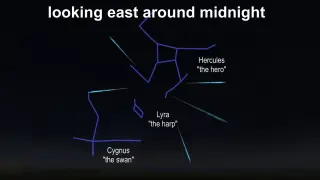
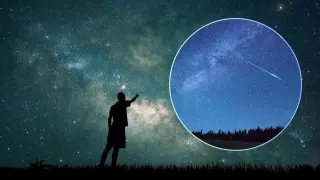
Tonight (Tuesday night, April 21, 2026) the Lyrid meteor shower peaks as Earth passes through debris from Comet Thatcher, producing meteors at about 30 miles per second. Expect roughly 10 meteors per hour under dark skies, best viewed after 10 p.m. as Lyra rises in the east; give your eyes 15 minutes to adjust and avoid phone use. The Moon sets after midnight and the radiant climbs higher, with the prime viewing window an hour or two before sunrise. Jupiter will be visible west of the Moon earlier in the evening.

Lyrid Meteor Shower Peaks Tonight: Up to 20 Meteors per Hour Under Dark Skies
space1 month ago

Lyrid Meteor Shower Peaks Tonight: Up to 20 Meteors per Hour Under Dark Skies

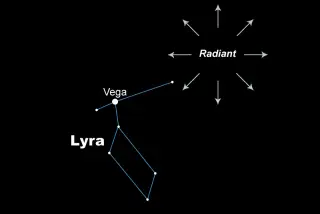
The Lyrid meteor shower peaks in the early predawn hours of April 22, with observers under dark skies potentially seeing up to 20 meteors per hour as the Moon sets around midnight; the radiant lies in Lyra near Vega, so look northeast and away from lights to catch longer streaks, and the best viewing is before dawn as Lyra climbs. For the strongest show, find a dark location, let your eyes adjust 20–30 minutes, and stay outside for at least an hour (fireballs are possible). If you can’t go outside, live streams of the sky show are available, and the meteors originate from debris left by Comet Thatcher.

Lyrid Meteor Shower: Peak Time and Best Viewing Tips This Week
space1 month ago

Lyrid Meteor Shower: Peak Time and Best Viewing Tips This Week

The Lyrid meteor shower is set to peak around 4 p.m. ET on Wednesday, with prime viewing for the Northern Hemisphere from Tuesday night through dawn Wednesday under a dark sky. To watch, seek out a dark, light-pollution-free area, lie on your back, and give your eyes about 45 minutes to adjust; avoid using your phone to protect night vision. Under favorable conditions you can expect roughly 10–20 meteors per hour, with occasional surges up to 100 per hour (though the next big outburst isn’t until 2040). The shower hails from Comet Thatcher and radiates from Lyra near Vega, and it runs through April 30. A next meteor shower, Eta Aquariids, peaks May 5–6.

Lyrid Meteor Shower to Light Up Skies This Week
astronomy1 month ago

Lyrid Meteor Shower to Light Up Skies This Week

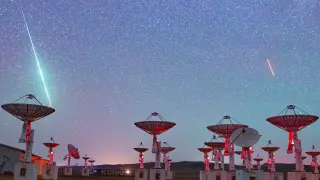
The Lyrid meteor shower, radiating from Lyra near Vega, peaks the night of April 21–22, with dark-sky observers catching about 15–20 meteors per hour from around midnight through dawn (a second viewing opportunity follows Wednesday night). The debris comes from Comet Thatcher, streaking through the atmosphere at roughly 108,000 mph about 80 miles up. No special equipment is needed—just a dark location and a comfortable spot to lie back as Lyra rises in the northeast. Even city dwellers can glimpse bright Lyrids away from lights; if clouds block the sky, you can instead monitor meteors via radar using LiveMeteors, where brighter fireballs produce louder pings. A fun fact: the parent comet won’t return near Earth again until about 2283.

Lyrid Meteor Shower 2026: Your guide to spotting shooting stars under dark skies
space1 month ago

Lyrid Meteor Shower 2026: Your guide to spotting shooting stars under dark skies

Space.com notes that the Lyrids (2026) radiate from Lyra and can deliver up to 15–20 meteors per hour under dark skies; after sunset, locate Lyra with Vega, then scan the surrounding sky for brighter, longer meteors. With the Moon setting after midnight, peak viewing should be dark, so find a wide, unobstructed spot, let your eyes dark-adapt for 20–30 minutes, stay comfortable, and be patient; a stargazing app can help identify Vega and Lyra for easier targeting.

April Lyrids to blaze across predawn skies with up to 18 meteors per hour
space2 months ago

April Lyrids to blaze across predawn skies with up to 18 meteors per hour

Space.com reports the Lyrid meteor shower peaks overnight April 21–22 with as many as ~18 meteors per hour. The radiant lies near Lyra’s Vega and the debris comes from Comet Thatcher (C/1861 G1). The shower runs April 16–25, best seen in dark, predawn skies away from light pollution after the Moon sets; give your eyes 20–30 minutes to adapt and consider red-light use for viewing and photography.

Webb Telescope Uncovers Mysterious Smooth Disk Around Star Vega
science1 year ago

Webb Telescope Uncovers Mysterious Smooth Disk Around Star Vega

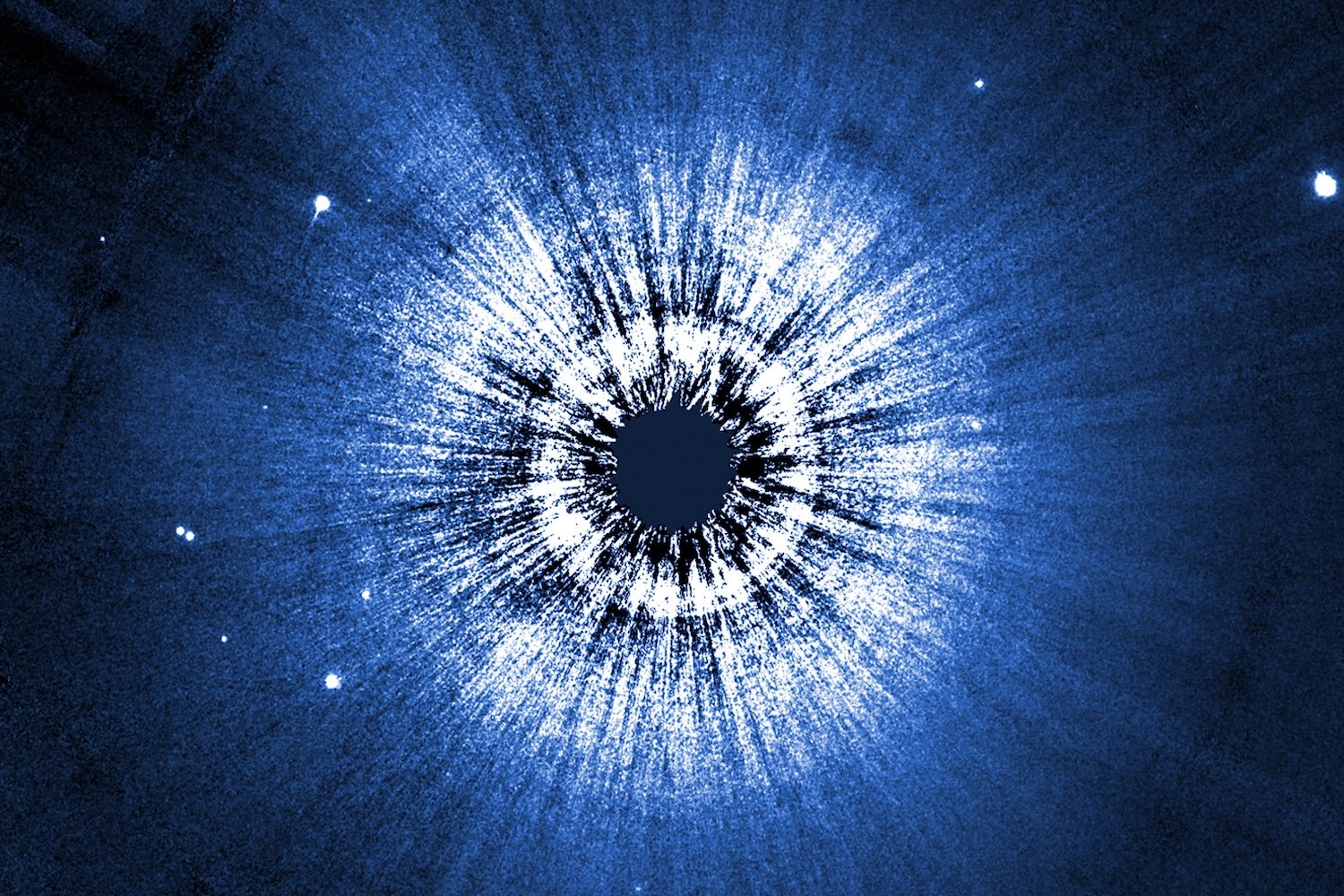
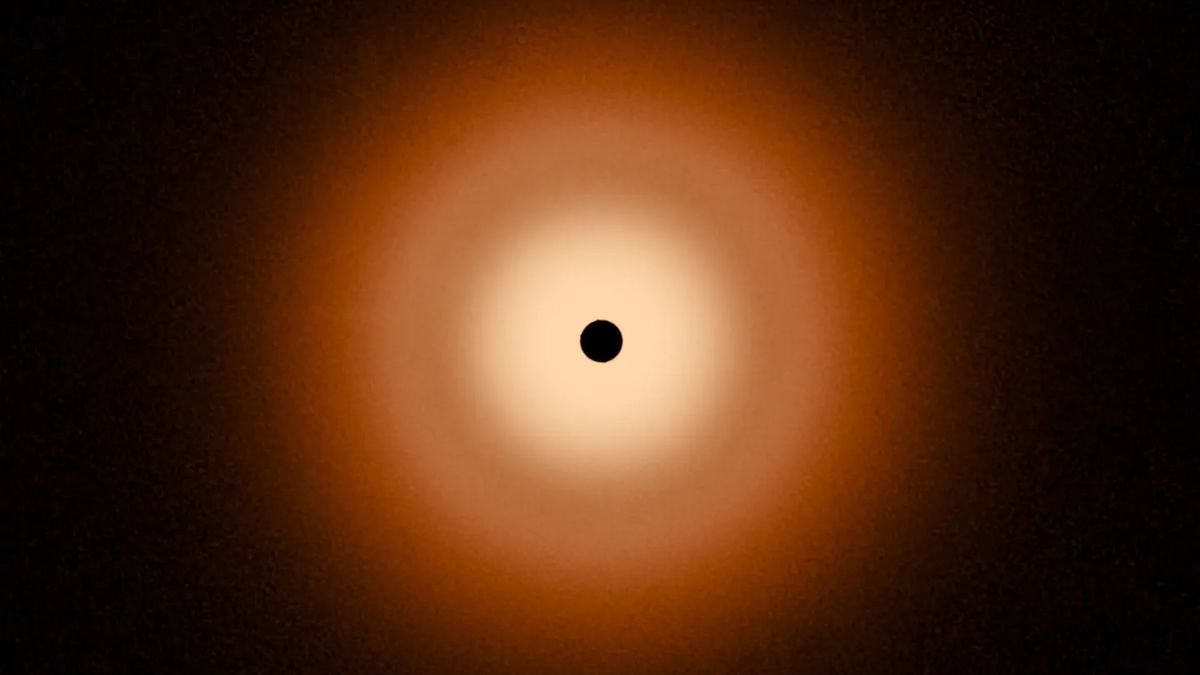
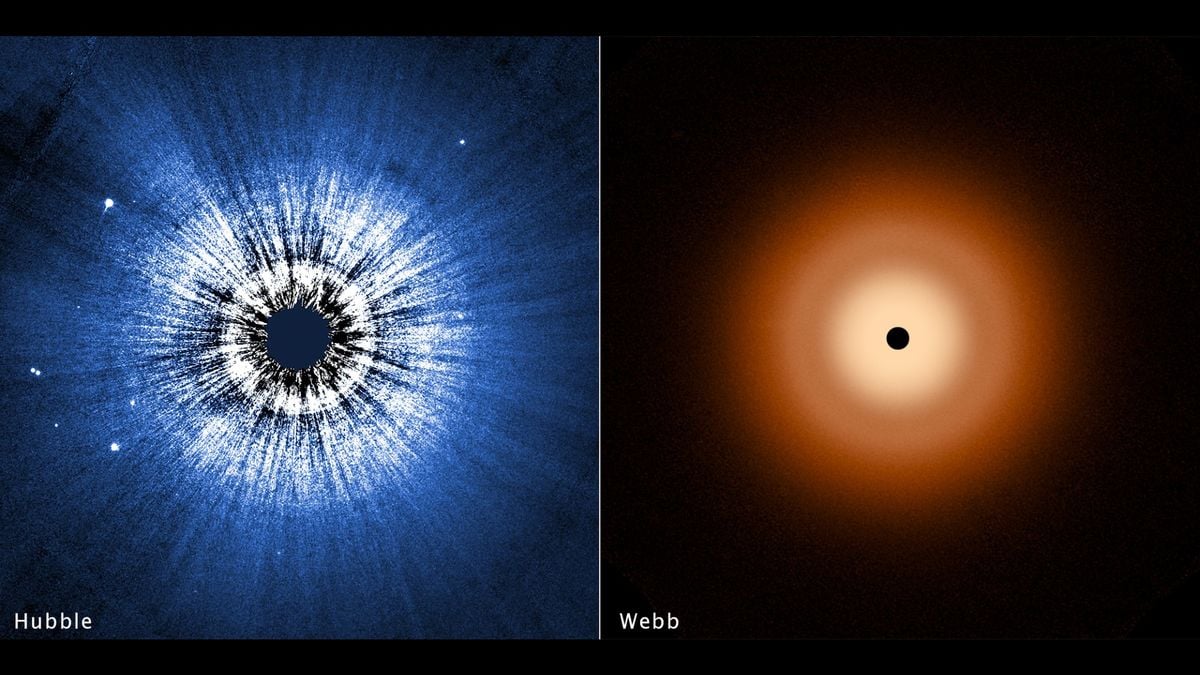
Astronomers using NASA's Hubble and Webb telescopes have found no evidence of planets in the debris disk around the star Vega, despite previous indications of planet-forming material. This discovery challenges existing models of planet formation and highlights the diversity of circumstellar disks. The smoothness of Vega's disk, unlike others observed, raises questions about the dynamics and evolution of such systems, prompting a reevaluation of exoplanetary system variety.

Webb Telescope Uncovers Mysterious Smooth Disk Around Star Vega
science1 year ago

Webb Telescope Uncovers Mysterious Smooth Disk Around Star Vega

The James Webb Space Telescope has captured images of a remarkably smooth, pancake-like circumstellar disk around the star Vega, suggesting no exoplanets have formed there. This finding challenges current understanding of planet formation, as similar stars like Fomalhaut show gaps in their disks indicative of exoplanets. Researchers are puzzled by the differences between these systems and are considering the implications for the prevalence of exoplanets in the galaxy.

Webb Telescope Uncovers Mysterious Smooth Disk Around Star Vega
science1 year ago

Webb Telescope Uncovers Mysterious Smooth Disk Around Star Vega

The James Webb Space Telescope has provided new insights into the debris disk surrounding the star Vega, revealing a smooth structure without clear planetary influence, challenging previous ideas about planetary formation. The disk's appearance, reminiscent of the depiction in Carl Sagan's 'Contact,' lacks the typical ring formations seen in other systems, prompting researchers to reconsider the diversity of exoplanet systems. The findings, which suggest possible unseen influences within the disk, are detailed in upcoming papers in The Astrophysical Journal.

Astronomers Baffled by Vega's Smooth Disk and Lack of Planets
science1 year ago

Astronomers Baffled by Vega's Smooth Disk and Lack of Planets

Astronomers using the Hubble and James Webb Space Telescopes have found a surprising lack of planets around the star Vega, despite its dusty disk. The observations reveal a smooth disk without distinct rings, unlike other stars like Fomalhaut, which have rings shaped by planets. While no planets larger than Neptune have been detected, the presence of smaller planets or super-Earths remains uncertain. The findings challenge current understanding of exoplanet systems and may help refine models of planet formation.

Amazon's Fire Devices Set to Abandon Android for Homegrown OS
technology2 years ago

Amazon's Fire Devices Set to Abandon Android for Homegrown OS

Amazon is reportedly developing a new operating system called Vega to replace Fire OS on its Fire devices. The new software, described as "fairly advanced," is expected to be rolled out across all of Amazon's devices and is largely web-based, making it easier for third-party developers to create compatible apps and add-ons. The move would allow Amazon to have a software experience unique to its brand and promote its services, such as Amazon Prime Video. The launch of Vega may be happening relatively soon, as efforts to develop the operating system have recently picked up steam.

Amazon to Replace Android with Homegrown Fire OS for Fire Tablets and Other Gear
technology2 years ago

Amazon to Replace Android with Homegrown Fire OS for Fire Tablets and Other Gear

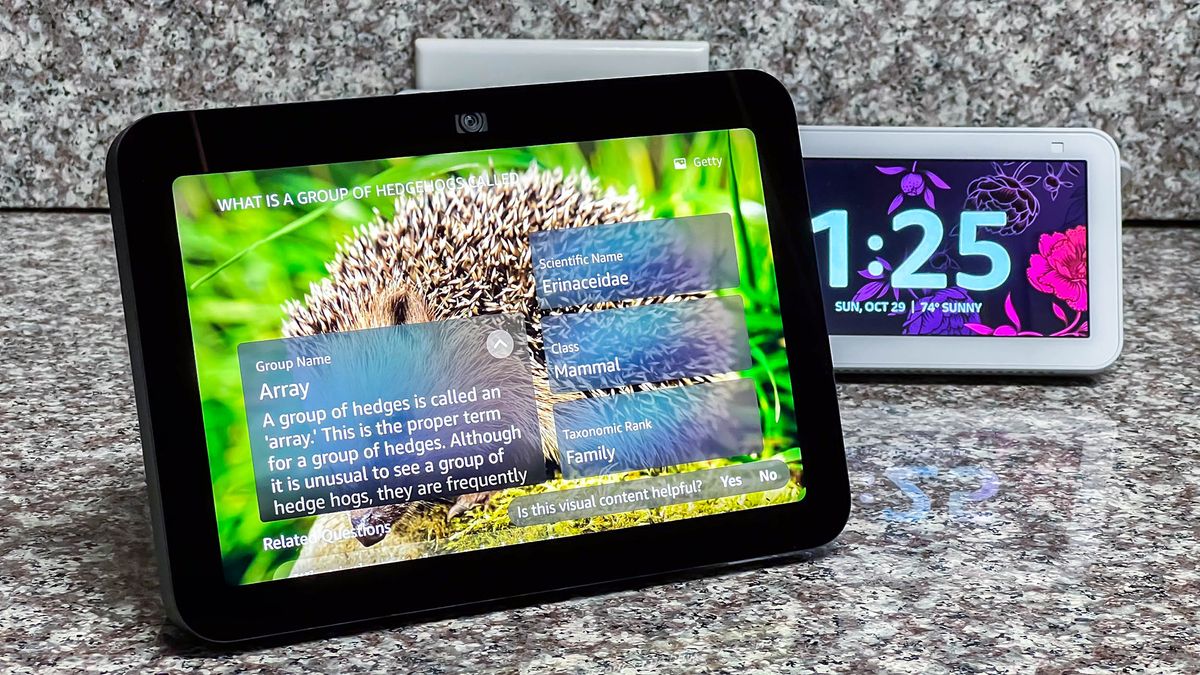
Amazon is reportedly developing an in-house replacement for its Android-based Fire OS, codenamed "Vega," which is built for easier app development. Vega, based on a flavor of Linux, uses the React Native application framework and could simplify development for Fire devices. The new OS could start shipping on Fire TV devices next year and eventually be extended to Echo smart displays, Fire tablets, and other Amazon products. This move would allow Amazon to have better control over advertising and paid services on their devices. Additionally, decoupling from Android has larger implications, as it frees Amazon from Google's restrictions on using a fork of Android. However, this may disappoint tinkerers who enjoy side-loading Google services onto Fire tablets.

AMD's Latest Driver Update: Adrenalin 23.11.1 Boosts Performance and Adds Modern Warfare 3 Support
technology2 years ago

AMD's Latest Driver Update: Adrenalin 23.11.1 Boosts Performance and Adds Modern Warfare 3 Support

AMD has released the Adrenalin 23.11.1 driver for its Polaris and Vega graphics cards, marking the first major release in two months. The driver update focuses on fixing intermittent corruption and issues with software compatibility, but does not include game optimizations. While AMD continues to support its older architectures, the release schedule for these cards differs from the RDNA series, and it is unclear if this driver is part of the main branch.

"Guide to Viewing Mesmerizing Blue Dot in Night Sky This Month"
astronomy3 years ago

"Guide to Viewing Mesmerizing Blue Dot in Night Sky This Month"

Vega, the fifth most luminous star in our celestial sphere, will be visible in the night sky throughout May, progressively ascending earlier each day in the northern hemisphere. It holds cultural significance and forms a part of the Summer Triangle alongside Altair and Deneb. Astronomers have discovered intriguing revelations about Vega, including the potential existence of rocky planets resembling Earth or Mars in its asteroid belt.