Tag

Viewing Conditions

All articles tagged with #viewing conditions

Aurora Alert: Solar Wind Could Paint the Sky Tonight
science19 days ago

Aurora Alert: Solar Wind Could Paint the Sky Tonight

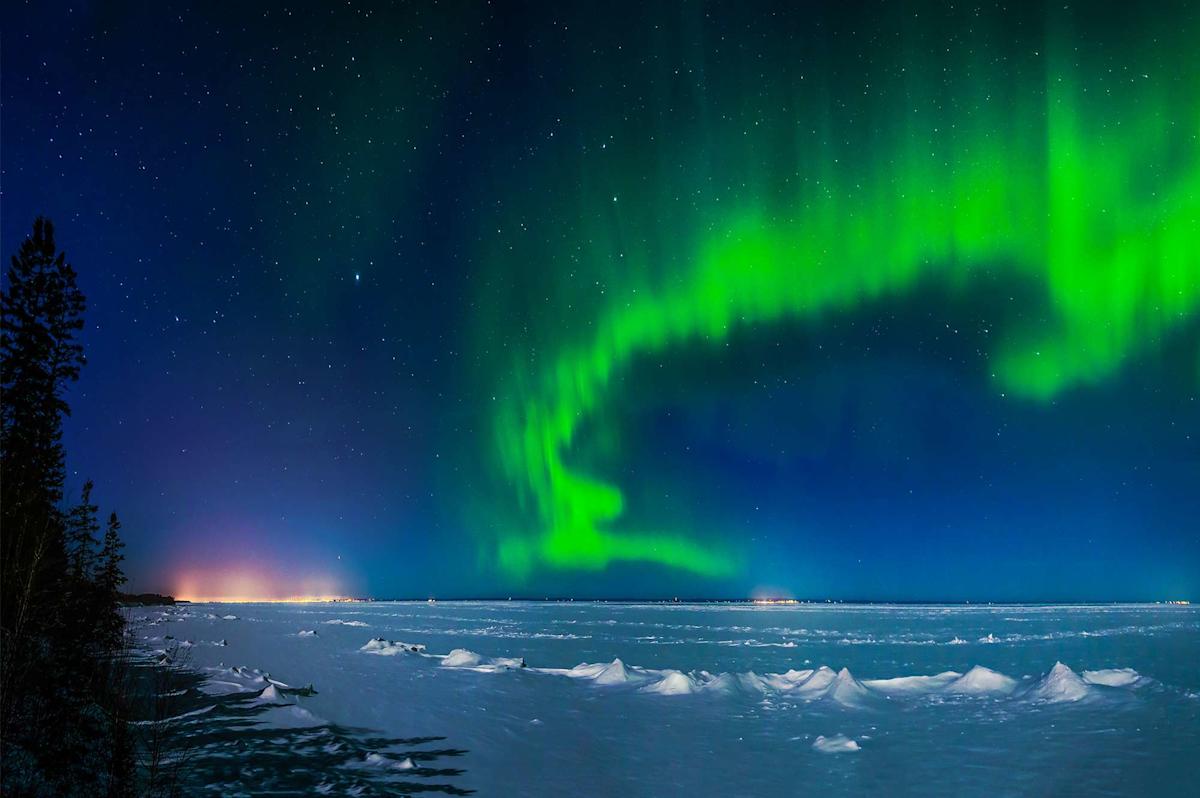
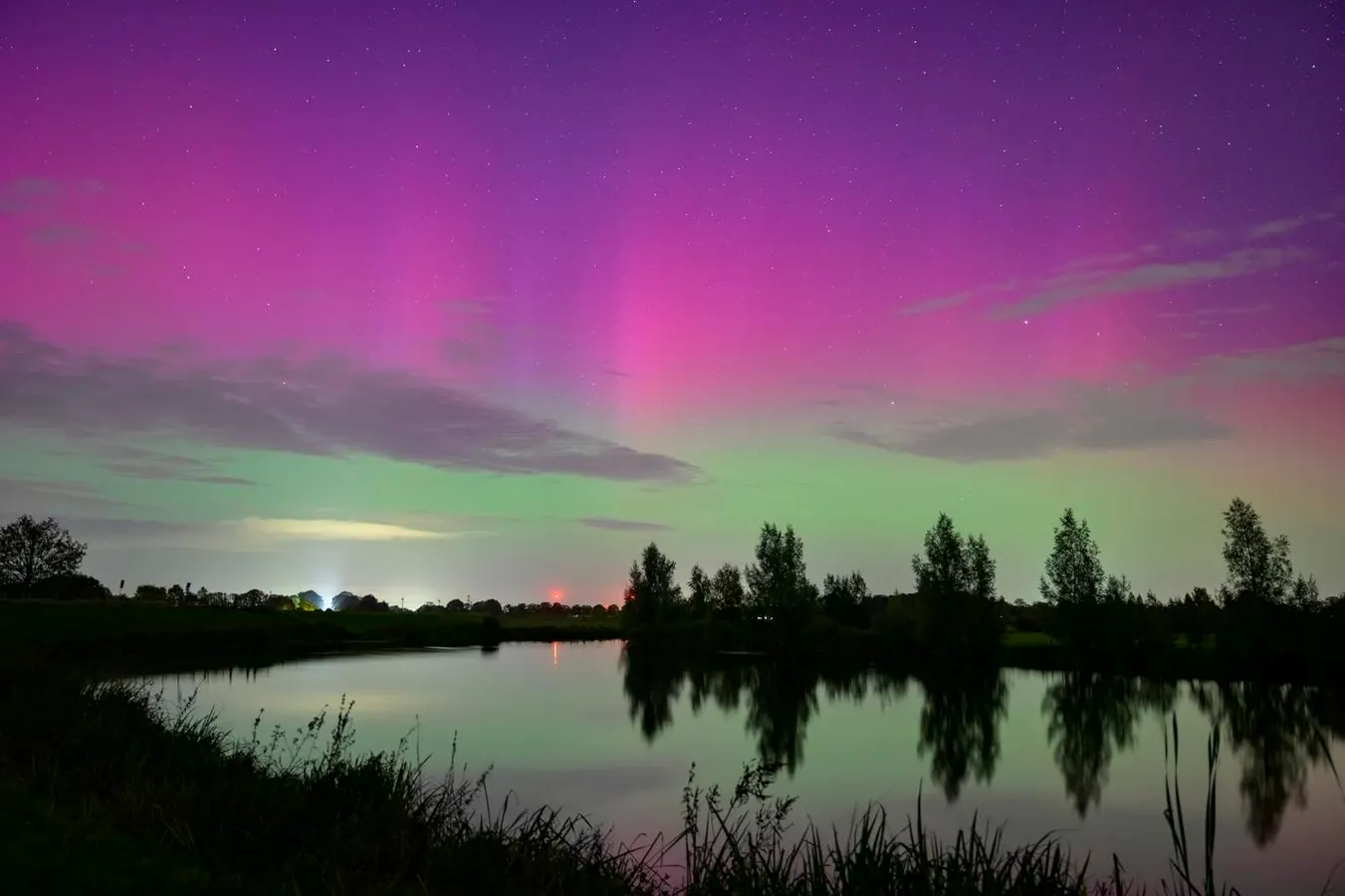
NOAA forecasts a G1–G2 geomagnetic storm driven by high-speed solar wind from a coronal hole, potentially lighting up the aurora tonight through early Friday (May 8) across Alaska, Canada, and parts of the northern U.S.; the best viewing is late at night into the early morning hours with clear, dark skies, though cloud cover and light pollution can limit visibility, and activity may extend to southern latitudes like Michigan or New York depending on conditions.

How to spot Monday's Atlas V rocket launch after sunset
science1 month ago

How to spot Monday's Atlas V rocket launch after sunset

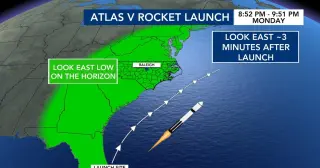
ULA's Atlas V is slated to launch Monday night, April 27, 2026, with a window from 8:52 p.m. to 9:51 p.m. Local sunset in Raleigh is around 8:00 p.m., so the rocket's vapor trail could be illuminated as it moves east, potentially forming a jellyfish-like glow about three minutes after liftoff. Look toward the eastern sky shortly after launch to catch the display; a live stream is available.

Blood Moon Lights Up Global Sky During 2026 Lunar Eclipse
science2 months ago

Blood Moon Lights Up Global Sky During 2026 Lunar Eclipse

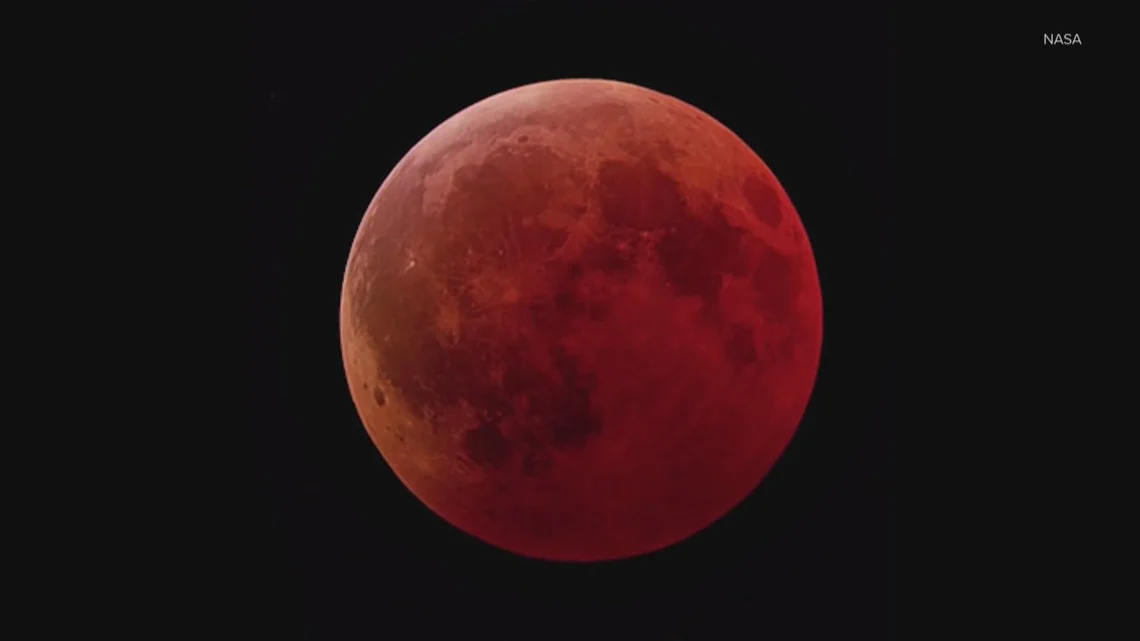
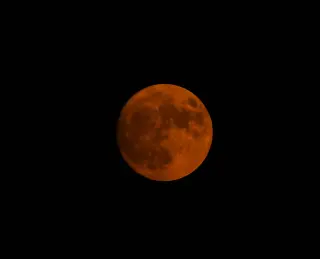
During the early hours of March 3, 2026, a total lunar eclipse turned the Moon copper-red as Earth’s shadow covered it; visibility varied by region, with favorable viewing across much of western North America, parts of South America, East Asia and Australia, weather permitting. Totality lasts about 59 minutes, beginning around 6:04 a.m. ET, and the next total lunar eclipse is expected in 2028.

Perseids Meteor Shower 2025: Peak Expectations and Moon's Impact
science9 months ago

Perseids Meteor Shower 2025: Peak Expectations and Moon's Impact

The Perseids meteor shower will peak on August 12-13, 2025, but a bright 84% full moon is expected to significantly reduce visibility, allowing viewers to see only the brightest meteors and decreasing the expected activity from about 50 to 10-20 meteors per hour. Viewing is best in dark, rural areas before dawn, and the shower has been ongoing since mid-July, continuing until August 23.

"Optimal Conditions Predicted for New Hampshire Total Solar Eclipse"
astronomy2 years ago

"Optimal Conditions Predicted for New Hampshire Total Solar Eclipse"

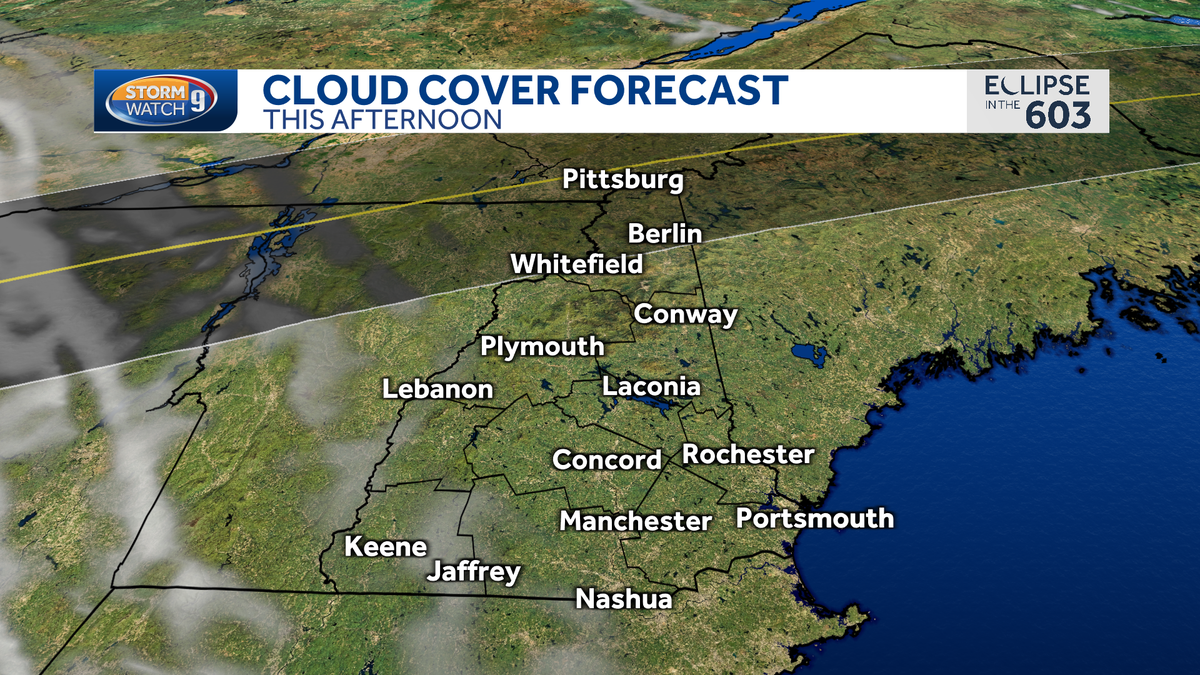
New Hampshire is set to have clear and sunny skies for the 2024 solar eclipse, making it one of the best spots in the country to view the event. Communities in the path of totality and the rest of the state can expect generally sunny conditions with temperatures ranging from the mid-50s to mid-60s. The partial eclipse will begin around 2:15 p.m. and peak just before 3:30 p.m., with some communities in northern New Hampshire in the path of totality, while the rest of the state will experience about 95% coverage of the sun.

"Clear Skies for Viewing Solar Eclipse 2024 in New York?"
astronomyweather2 years ago

"Clear Skies for Viewing Solar Eclipse 2024 in New York?"

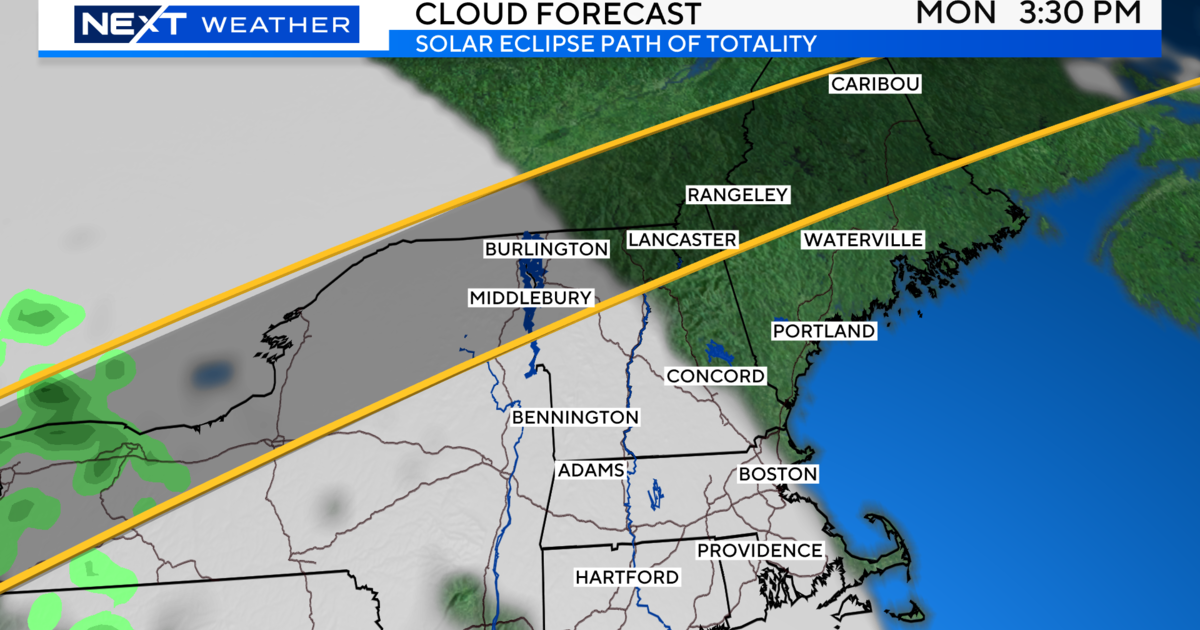
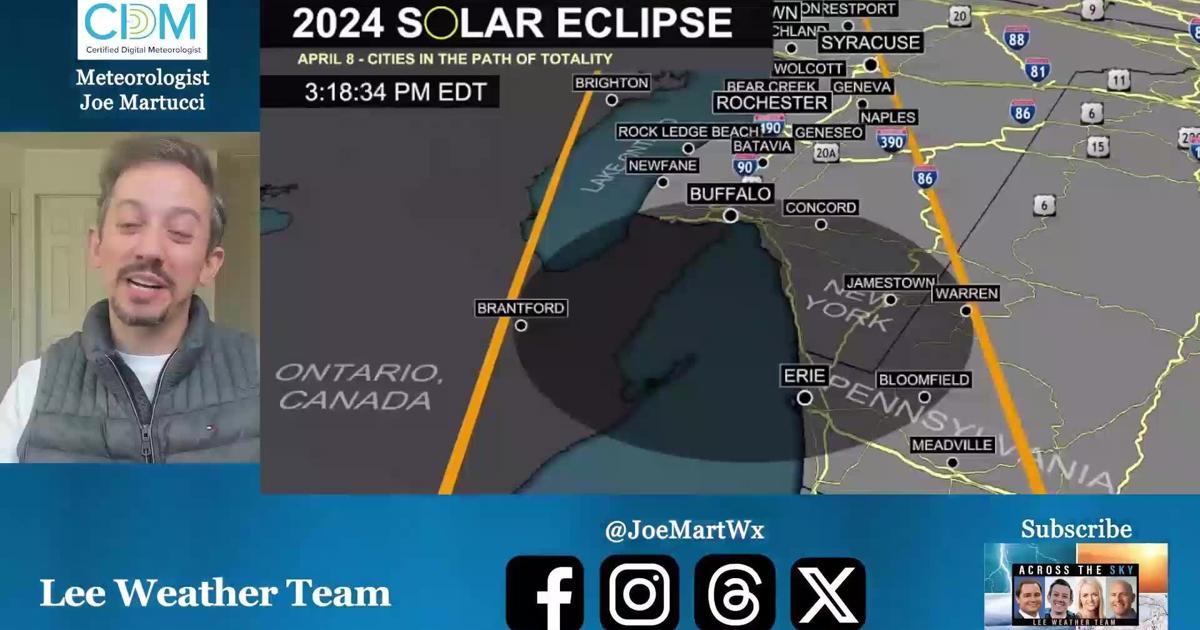
The total solar eclipse will be visible across parts of the United States, including New York, but the weather forecast indicates that the best viewing conditions will likely be in parts of New England and the Midwest, while clouds may obscure the view in portions of the interior Northeast. New York City is expected to have temperatures in the 60s, with some uncertainty about cloud cover during the eclipse, while Buffalo, New York, is forecast to have thicker cloud cover. However, even if it's cloudy, some of the eclipse may still be visible.

"Pittsburgh Solar Eclipse: Viewing Conditions and Forecast"
weather2 years ago

"Pittsburgh Solar Eclipse: Viewing Conditions and Forecast"

Mostly cloudy skies are expected in western Pennsylvania today, with some breaks in the clouds possible by lunchtime, especially northwest of Pittsburgh. The most ideal viewing zone near Pittsburgh will likely be over northern or central Ohio. The eclipse will begin around 2 p.m. with maximum coverage around 3:15 p.m., and there are some positive trends in the cloud cover forecast, but clouds won’t completely clear.

"2024 Solar Eclipse Viewing: Weather Forecast and Timing Across the U.S."
astronomy2 years ago

"2024 Solar Eclipse Viewing: Weather Forecast and Timing Across the U.S."

The weather forecast for the upcoming total solar eclipse in Massachusetts indicates mostly clear viewing conditions, with some high cirrus clouds expected in the afternoon. There is no chance of rain or snow, and temperatures will be comfortable, with light winds. The moment of totality is expected to occur between 3:26 and 3:34 pm, providing a unique opportunity to witness this rare astronomical event. Viewers are advised to put their phones down and fully immerse themselves in the experience.

"2024 Solar Eclipse: Path, Peak Times, and Safety Precautions"
astronomy2 years ago

"2024 Solar Eclipse: Path, Peak Times, and Safety Precautions"

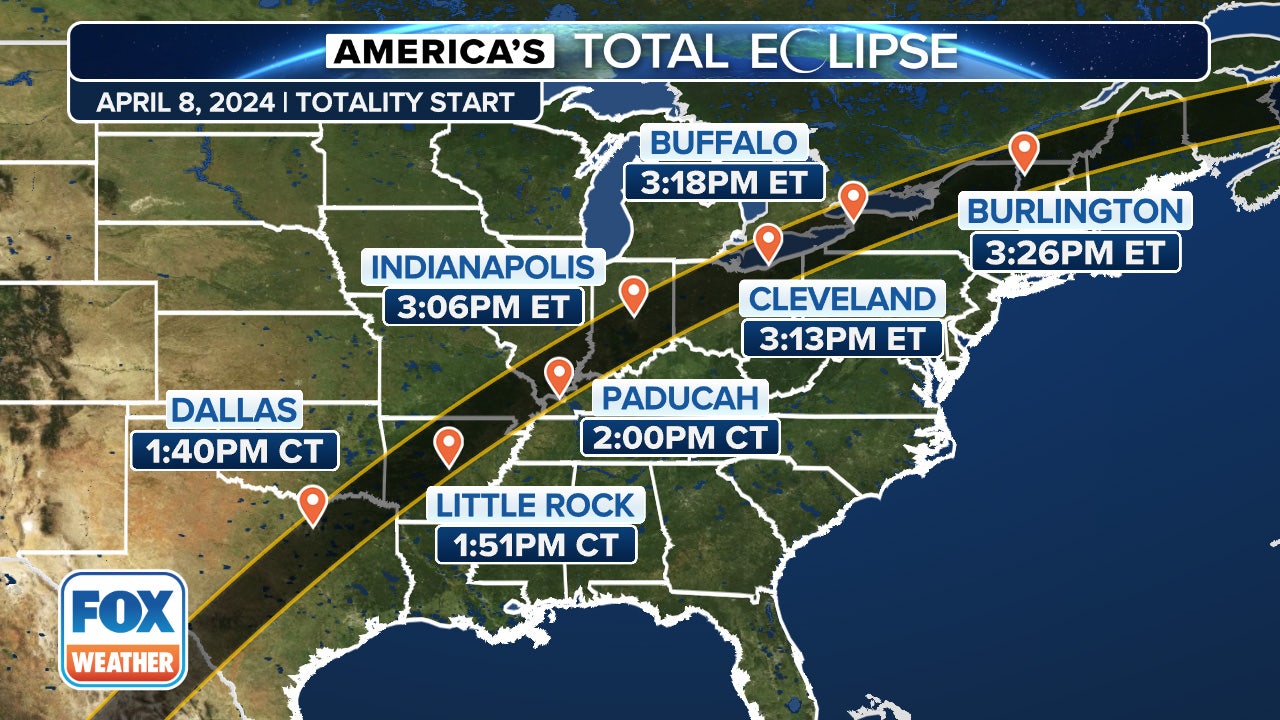
Updated weather forecasts for the 2024 solar eclipse show that New York City is likely to have good viewing conditions, while Texas and parts of the Great Lakes in the path of totality may experience disappointment due to increasing cloud cover. Specialized eclipse glasses are recommended for viewing the eclipse, and cities like Indianapolis and Louisville are expected to have optimal conditions, while areas like Austin, Buffalo, and San Antonio may have poor visibility due to cloud cover and potential storms.

"Severe Storms Threaten Solar Eclipse Viewers Across the U.S."
astronomyweather2 years ago

"Severe Storms Threaten Solar Eclipse Viewers Across the U.S."

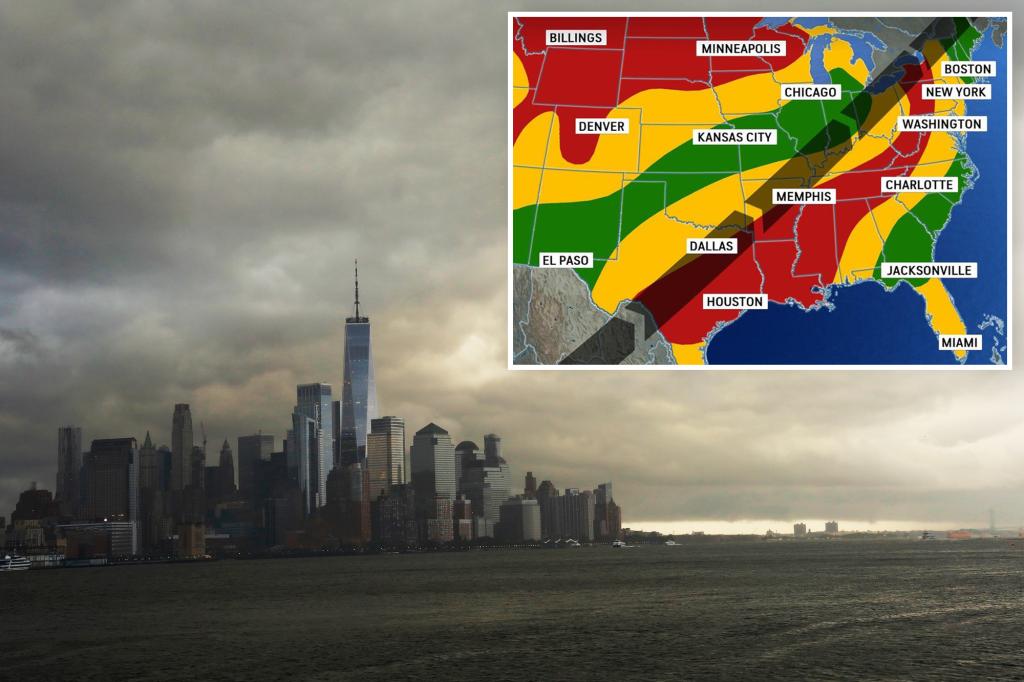
Severe storms may impact the viewing of the solar eclipse in parts of the Southwest, with a Level 2 risk for severe weather in Texas, Oklahoma, Arkansas, and Louisiana. Cloud cover and potential storms could hinder optimal viewing, but parts of the Northeast are forecast to have clear skies. A total of 32 million people in the US are within the eclipse's path of totality, with the next total solar eclipse visible across the contiguous US not expected until August 2044.