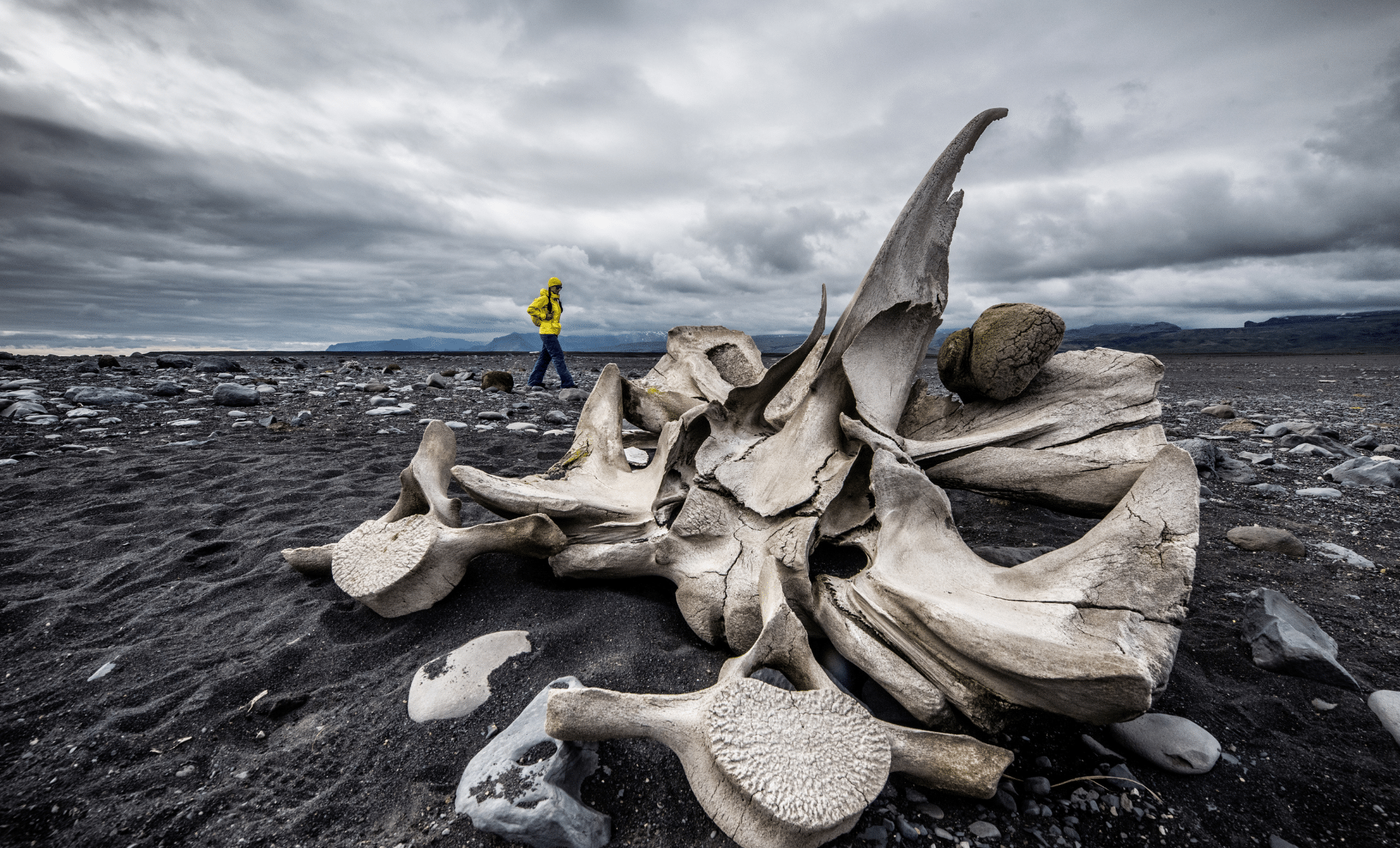
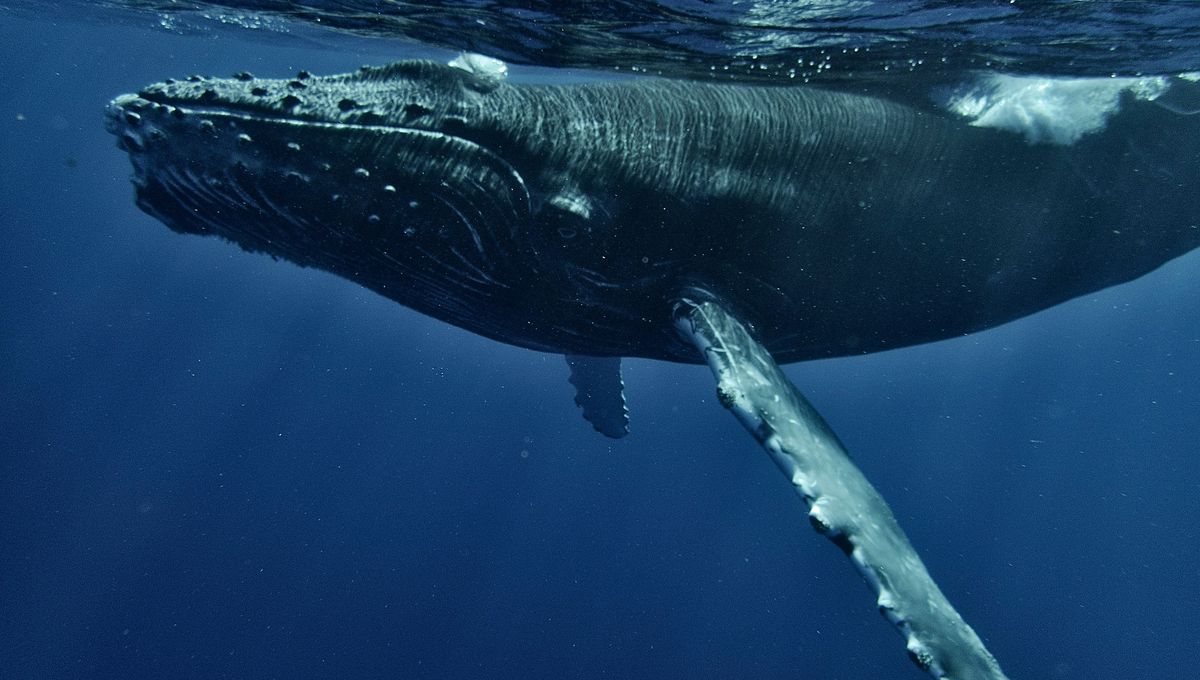
When a whale dies at sea, it often sinks to the deep ocean to become a whale fall, feeding a cascade of scavengers, microbes, and a chemosynthetic ecosystem around its bones that can support marine life for years to decades.
Researchers have tracked a baleen whale that calls around 52 Hz—far higher than known species—sparking the loneliest-whale tale, but scientists emphasize that this single signal does not prove isolation. It could be an unusual individual or a social life we can’t detect, and hydrophone data cannot reveal intention or replies beyond our listening range. The broader lesson: absence of an expected response may reflect our listening limits rather than the animal’s solitude.
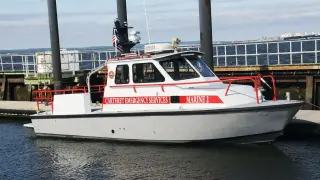
A surfacing whale breached beneath the Carteret Fire Department Marine Unit 2 near the mouth of Raritan Bay, causing catastrophic damage and forcing the crew to abandon ship. All firefighters were rescued with no injuries as nearby boaters and the Perth Amboy Fire Department’s marine unit aided in the response; the incident is under review and officials urged boaters to wear life jackets.
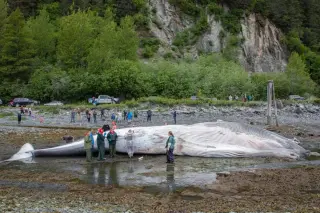
Wildlife groups urge Royal Caribbean to slow its ships to about 10 knots in whale hotspots after the Ovation of the Seas arrived in Seward with a deceased pregnant fin whale on its bow. NOAA’s necropsy indicated the death resulted from blunt-force trauma consistent with a ship strike, and the Center for Biological Diversity is calling for immediate vessel-speed reductions while investigations continue; Royal Caribbean says it is cooperating with authorities.
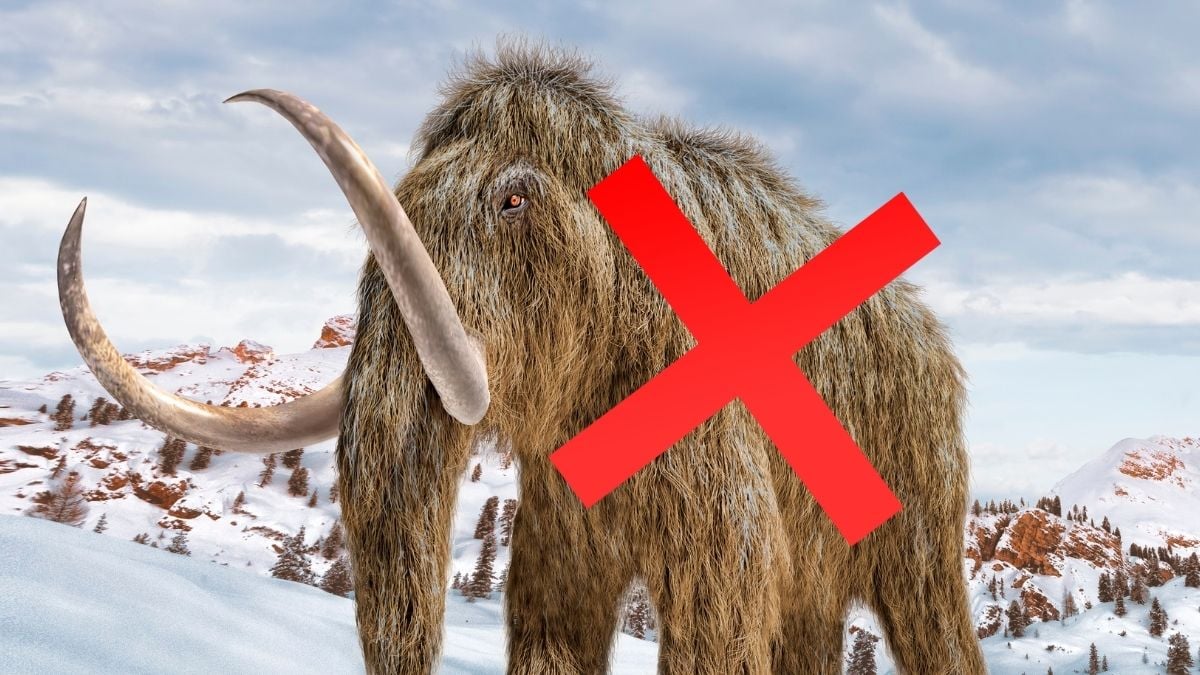
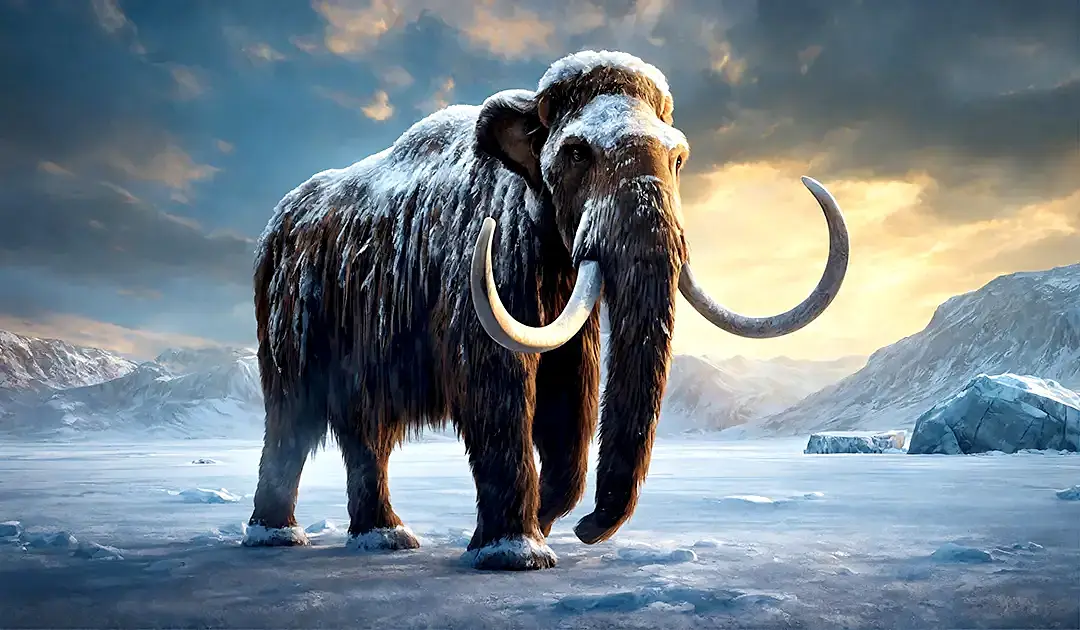
Fossils housed for decades at the University of Alaska Museum of the North were long labeled as woolly mammoths, but new radiocarbon dating and isotope analyses show they are two whales (likely a Northern Pacific right whale and a common minke whale) dating to about 2,000–3,000 years ago, far younger than mammoths. Mitochondrial DNA confirmed whale identity. How they ended up inland remains unclear, with hypotheses including inland whale incursions, transport by ancient humans, or a museum mix-up; the study concludes the specimens are not mammoths.
Danish authorities confirmed that Timmy the humpback whale, previously stranded in Germany and later released, has died after being found off Anholt in the Baltic Sea; a GPS tag on the carcass verified its identity, though bad weather prevented recovering the device.
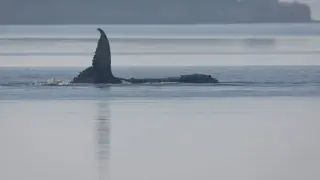
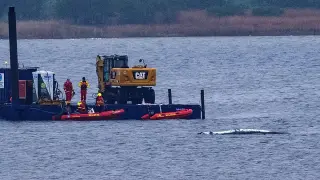
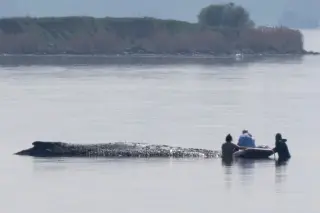
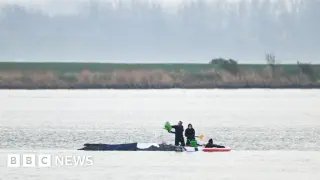
A humpback whale dubbed Timmy remains stranded on a sandbank off Germany’s Baltic coast near Poel Island; after briefly swimming away, it got stuck again, prompting rescue workers to renew efforts with inflatable cushions and pontoons to lift it back toward the North Sea or Atlantic, signaling the whale’s relatively good health and a renewed chance at saving it.
German rescuers are attempting to save Timmy the stranded humpback off Poel island by using large air cushions to lift and reposition the whale as part of a wildlife rescue operation.
Rescuers plan to lift the weakened humpback Timmy from a shallow Baltic Sea area off Poel using inflatable air cushions, then refloat him along the coast toward the North Sea. After earlier attempts failed and experts warned of high risk, officials approved a less invasive method deemed minimally risky, though the prognosis remains critical and the operation carries significant danger and uncertainty.
Fossilized bones in an Alaskan museum thought to be the last mammoth turned out to be whale bones, dating from 2,000 to 3,000 years ago, challenging previous assumptions about their age and origin, and highlighting the importance of DNA analysis in accurate species identification.
Recent analysis of fossils housed in Alaska's University of Alaska Museum revealed that what were thought to be mammoth bones from the Ice Age are actually from two ancient whales, a discovery confirmed through isotope and DNA analysis, challenging previous assumptions about the fossils' origins and highlighting the importance of modern scientific techniques.
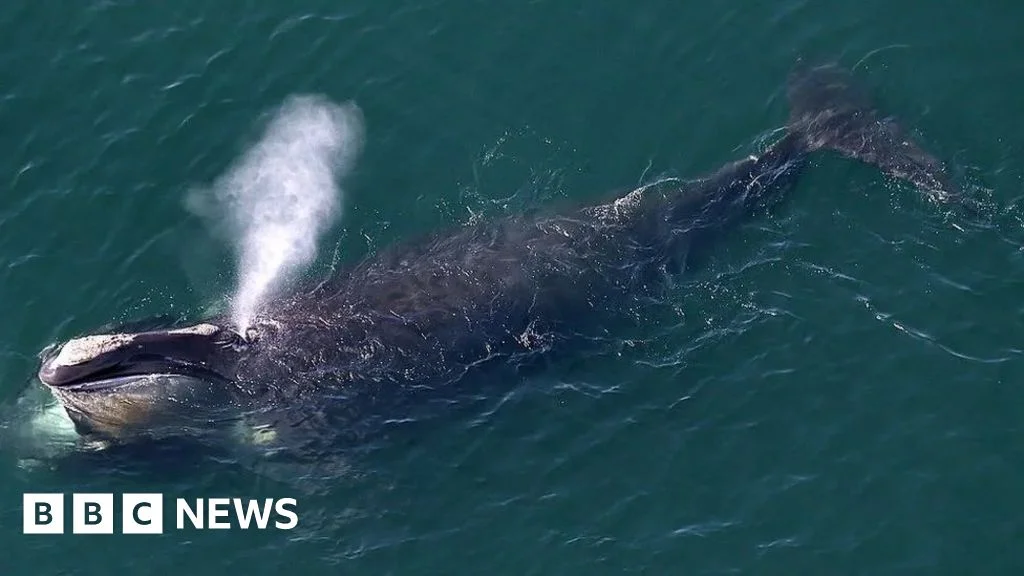
A rare North Atlantic right whale, first spotted off Donegal in Ireland, was later confirmed to have been sighted in Massachusetts Bay, US, highlighting its remarkable travel ability and the importance of international cooperation for its conservation.
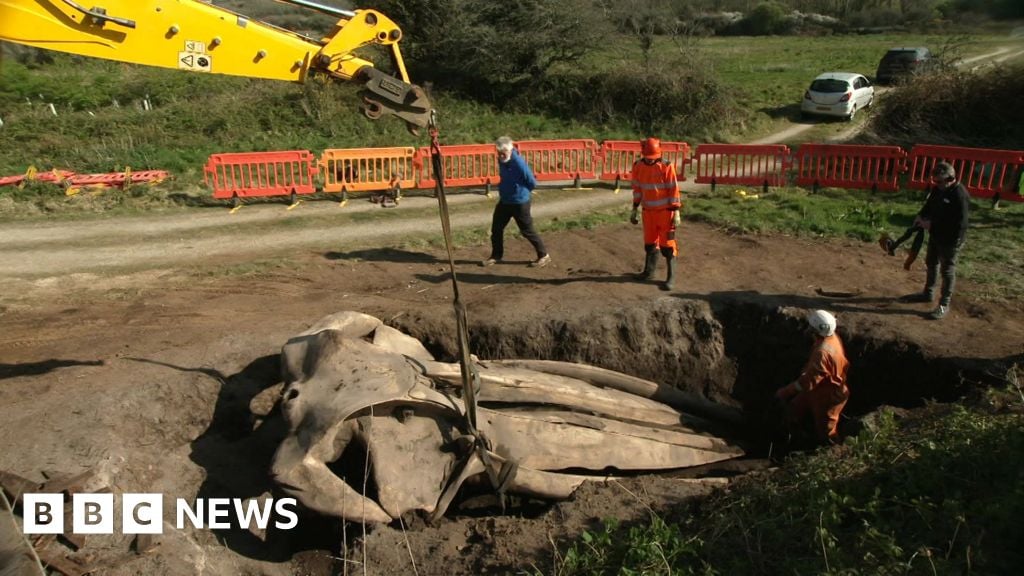
A fin whale's head, buried in Cornwall after it stranded and died in 2020, was excavated using heavy equipment and is now preserved as a monument, highlighting efforts to memorialize marine life and address biohazard concerns.
Recent DNA sequencing has revealed that bones previously thought to be juvenile woolly mammoths in Arctic regions are actually whale remains, highlighting the importance of modern genetic techniques in accurately identifying fossils and understanding Earth's history.
While blue whales and baleen whales cannot swallow humans due to their throat size and diet, toothed whales like sperm whales could theoretically swallow a human, but such incidents are extremely rare and usually accidental. Historical stories of humans being swallowed are likely false, and recent encounters tend to involve whales accidentally engulfing humans before releasing them. These incidents highlight the dangers of human encroachment on whale habitats.