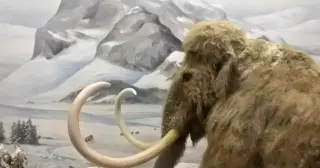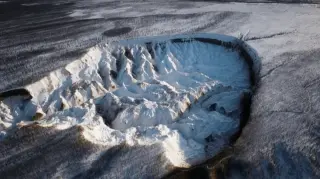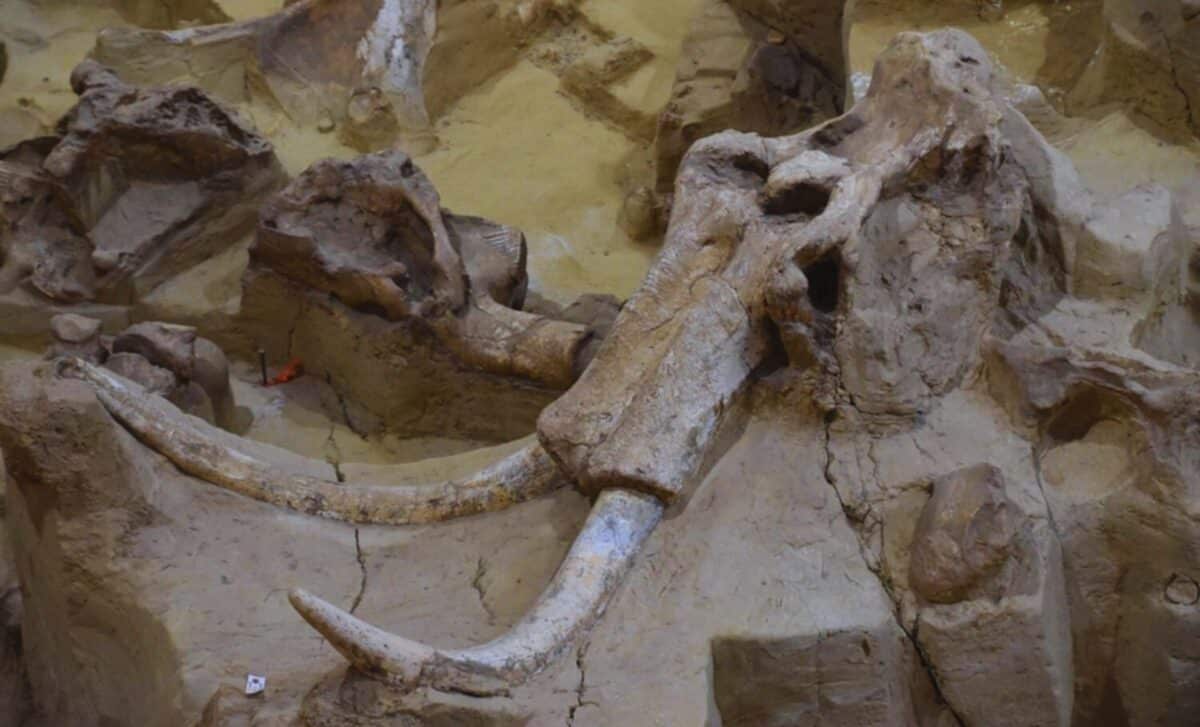
The Batagay megaslump in Siberia is widening as permafrost thaws, releasing greenhouse gases and unearthing ice-age fossils such as a 50,000-year-old mammoth and an ancient horse, highlighting climate feedback risks and ongoing paleontological discoveries.
Archaeologists in Alaska have corrected a misidentification: bones initially identified as ancient mammoths are actually whale remains located about 250 miles away, changing the interpretation of the discovery.
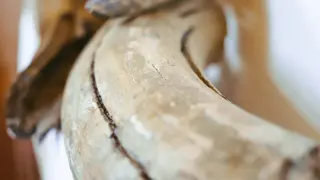
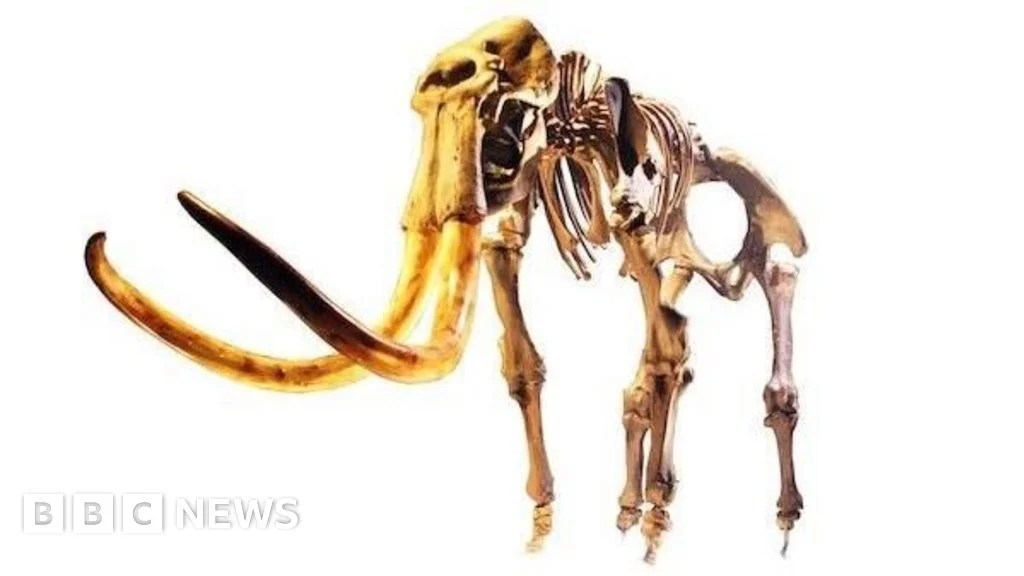
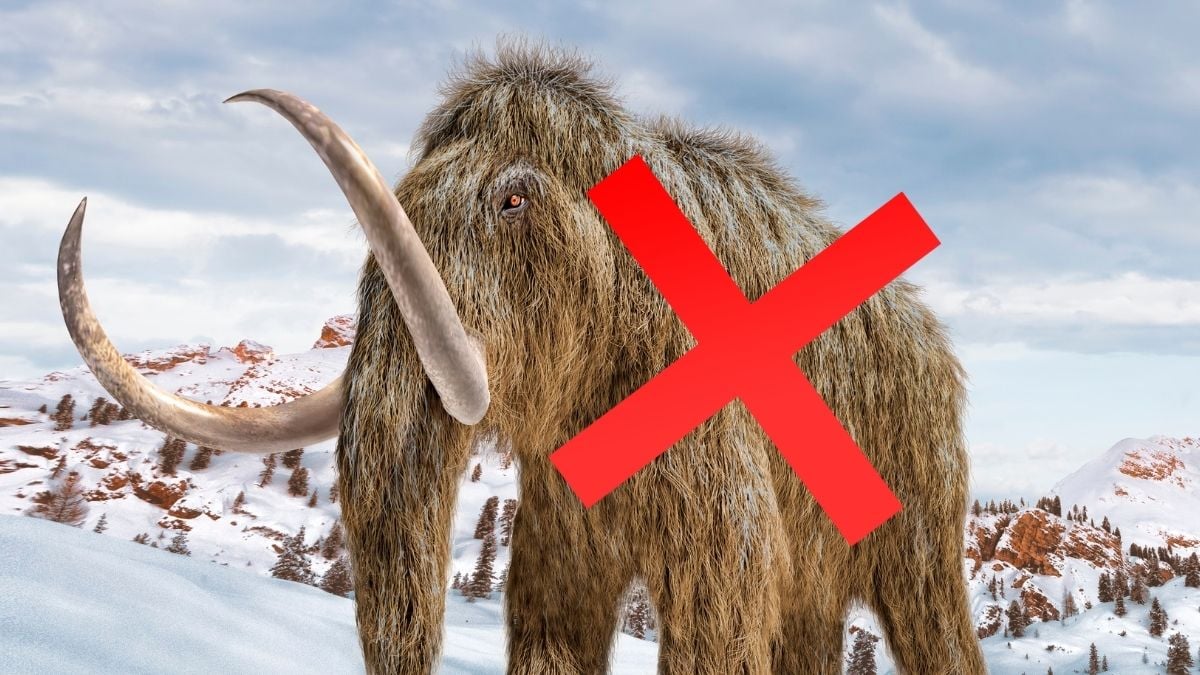
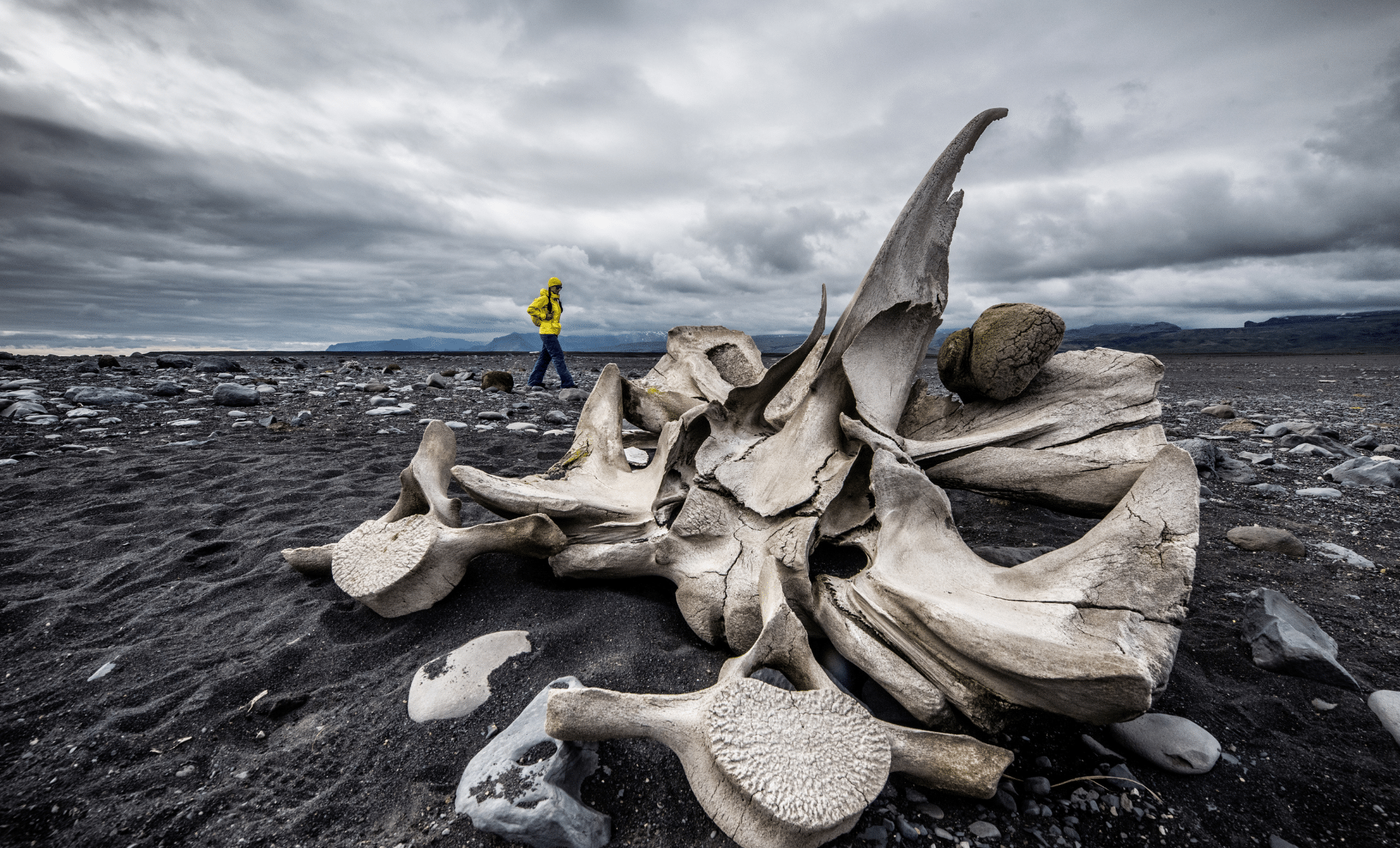
Fossils housed for decades at the University of Alaska Museum of the North were long labeled as woolly mammoths, but new radiocarbon dating and isotope analyses show they are two whales (likely a Northern Pacific right whale and a common minke whale) dating to about 2,000–3,000 years ago, far younger than mammoths. Mitochondrial DNA confirmed whale identity. How they ended up inland remains unclear, with hypotheses including inland whale incursions, transport by ancient humans, or a museum mix-up; the study concludes the specimens are not mammoths.
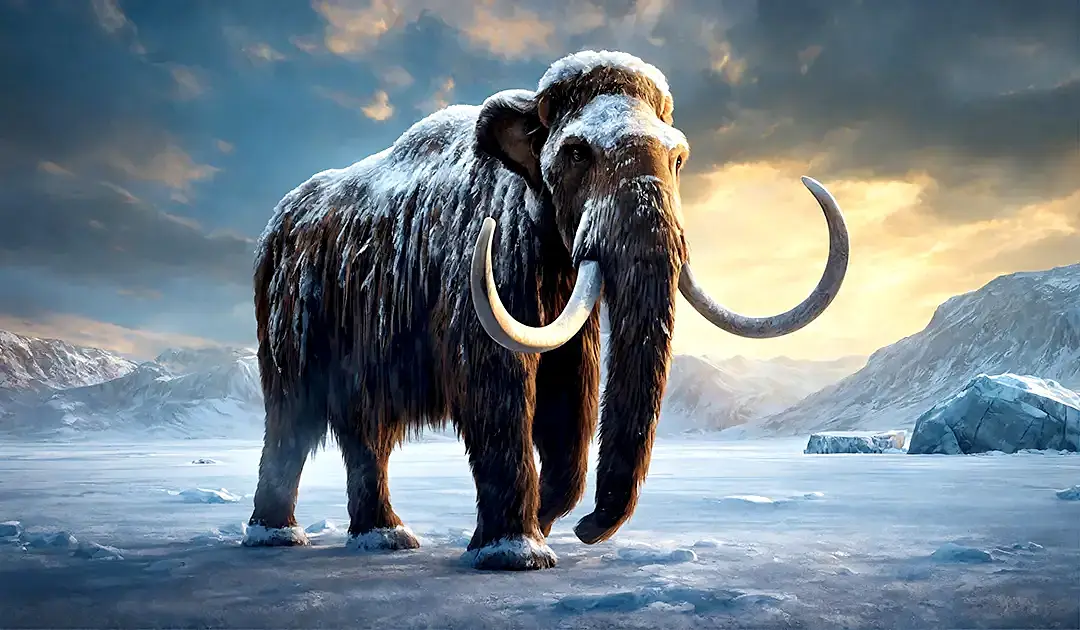
Colossal Biosciences is assembling hundreds of mammoth genomes to guide edits in the Asian elephant genome, testing changes in mice before attempting embryonic cloning to produce mammoth-like calves (potentially by 2028). The project aims to restore ecological roles of mammoths and advance conservation tools, but it faces scientific and ethical debate about whether this constitutes true de-extinction and how it would be implemented in Arctic ecosystems.
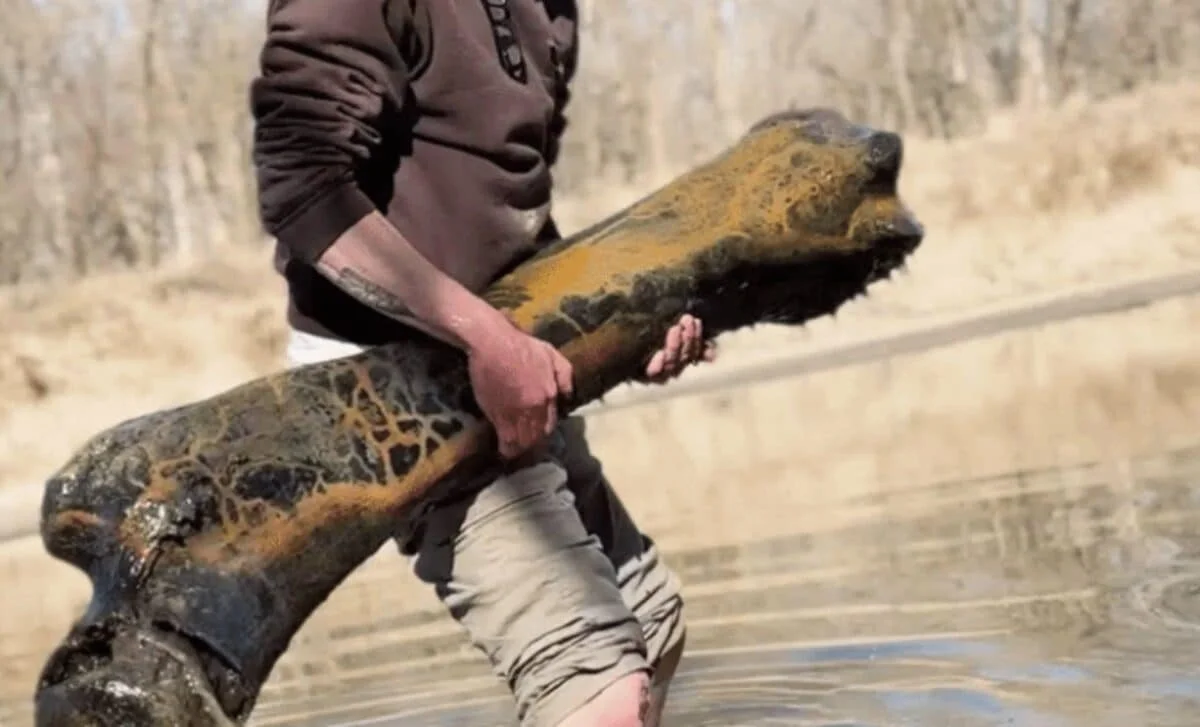
A Missouri fossil hunter pulled an 80-pound femur from a riverbed near Ravenwood, likely from a mammoth or mastodon, with the moment captured on video and fueling public interest in Ice Age megafauna and paleontology.
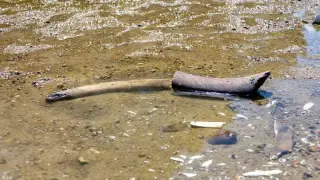
A fossil hunter waded into a Missouri river near Ravenwood and pulled out a massive, well-preserved femur believed to belong to a mammoth or mastodon, a striking find that has viewers buzzing about prehistoric giants.
In 1986 a couple walking near Condover in Shropshire unearthed hundreds of mammoth bones from a quarry, leading to the discovery of an adult mammoth and several juveniles—the most complete mammoth skeleton found in Britain and north-west Europe. Radiocarbon dating dated them to about 12,800 years ago, reshaping views of mammoths in western Europe. Analyses suggest the adult (about 30–32 years old) died after getting trapped in a kettle hole, with younger mammoths dying at different times. The bones were cleaned and studied across Ludlow, Cardiff, and Shropshire museums and are now displayed or stored, helping spur exhibits and a 40th-anniversary celebration of the find.
Fossilized bones in an Alaskan museum thought to be the last mammoth turned out to be whale bones, dating from 2,000 to 3,000 years ago, challenging previous assumptions about their age and origin, and highlighting the importance of DNA analysis in accurate species identification.
The NHL has three games scheduled, with the Winnipeg Jets aiming to end an 11-game losing streak against the Los Angeles Kings, the Chicago Blackhawks welcoming Connor Bedard back from injury to face the Washington Capitals, and the Utah Mammoth hosting the St. Louis Blues during a homestand. Key storylines include the Jets' struggles, Bedard's return, and the Mammoth's offensive depth.
Recent analysis of fossils housed in Alaska's University of Alaska Museum revealed that what were thought to be mammoth bones from the Ice Age are actually from two ancient whales, a discovery confirmed through isotope and DNA analysis, challenging previous assumptions about the fossils' origins and highlighting the importance of modern scientific techniques.
Recent DNA sequencing has revealed that bones previously thought to be juvenile woolly mammoths in Arctic regions are actually whale remains, highlighting the importance of modern genetic techniques in accurately identifying fossils and understanding Earth's history.
Fossils initially thought to be the youngest mammoth remains in Alaska were later identified through DNA testing as whale bones, revealing a case of mistaken identity and raising questions about how whale bones ended up far inland.
The Boston Bruins will host the Utah Mammoth at TD Garden for a regular-season game, with Swayman starting in goal. The Bruins, coming off a successful road trip and recent wins, aim to improve their home record against a skilled Mammoth team that recently defeated the Penguins. Key players include Charlie McAvoy, returning from injury, and Sean Kuraly, on a point streak. The Mammoth's top scorer is Nick Schmaltz, and they recently won in overtime against Pittsburgh.
The Boston Bruins are set to face the Utah Mammoth in Salt Lake City, with Joonas Korpisalo starting in goal and lineup adjustments made to improve their recent performance, while the Mammoth aim to continue their winning streak after a recent victory.
Scientists analyzed microbial DNA from over 480 mammoth remains spanning more than a million years, discovering host-associated bacteria like Erysipelothrix, which may have influenced mammoth evolution. The study highlights the potential of ancient microbiome research to deepen understanding of extinct animals' health and evolutionary history.