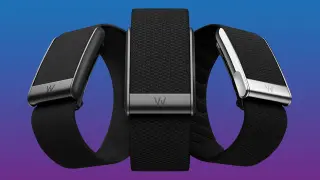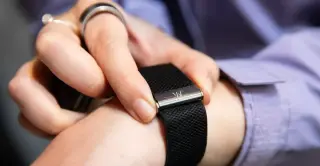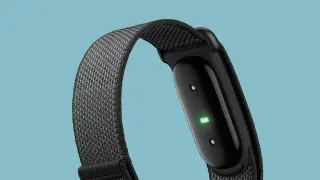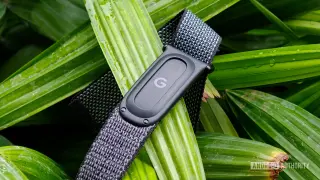
Garmin's Cirqa is a screenless, subscription-free fitness band that tracks 24/7 sleep and heart-rate data, integrates with Garmin Connect and Edge devices, and reinforces Garmin's ecosystem by letting users rely on Garmin algorithms without needing a smartwatch or subscription.
Garmin’s Cirqa is a new screenless fitness band aiming to rival Whoop, offering a largely one-time purchase at $199 with detailed metrics via Garmin Connect and optional Connect+ perks ($6.99/mo). It promises up to 10 days of battery life, but tests show Cirqa undercounts steps by about 16% in real use, while heart-rate tracking can be highly accurate versus a Polar H10. Whoop remains subscription-only, with a basic plan around $199/year and a premium plan at $359/year. For budget-conscious users who want a solid set of metrics without ongoing fees, Cirqa is compelling; for those seeking the depth of data-driven insights, Whoop’s subscription could be worth it.
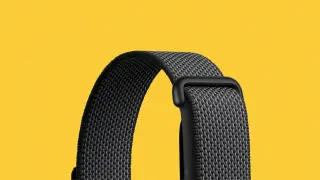
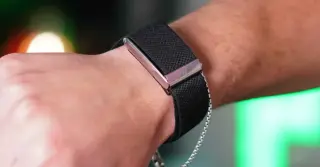
Garmin unveiled the Cirqa Smart Band, a screenless fitness tracker that costs $199.99 upfront with no subscription, pitched as a subscription-free alternative to Whoop and Fitbit; it tracks sleep, heart rate, stress, and Body Battery, supports 80 activities via a side button, and syncs data to Garmin Connect, with up to 10 days of battery life. Availability starts July 24, and Garmin aims to lure loyalists and budget-conscious buyers away from recurring-fee models.
Bevel Health has integrated with Google Health Connect to bring its AI-powered coaching to Fitbit Air users, offering personalized guidance based on biomarker trends and potentially closing the gap with Whoop’s holistic platform. The setup requires using the Bevel app and granting permissions, with Bevel Pro pricing up to $15/mo or $100/year and an optional Google Health Premium at $10/mo for advanced features. At the same time, Fitbit Air remains a cheaper alternative than Whoop’s full package, though total costs depend on Bevel’s subscription; the move underscores competition in AI health coaching, especially as Whoop has sued Bevel over related claims.
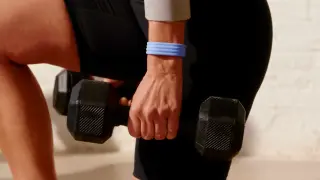
A three-week switch from WHOOP to Fitbit Air reveals a lighter, more comfortable wear (12g), strong battery life (8+ days), and surprisingly helpful Google Health AI summaries that trump WHOOP’s data-heavy app. Initial tracking hiccups faded with calibration, and at a $99 price the Air offers compelling value that could push me to switch fully—though dedicated athletes may still prefer WHOOP’s deeper metrics.
The FDA told wearable maker Whoop it would not pursue further enforcement action over its Blood Pressure Insights feature after tweaks; the agency had previously warned in 2025 that the reading constituted a medical device requiring clearance, a stance Whoop disputed by labeling the feature wellness-focused. Experts warn that even with these tweaks, the updated wellness guidance remains ambiguous and could pose risks to users.
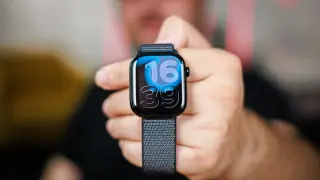
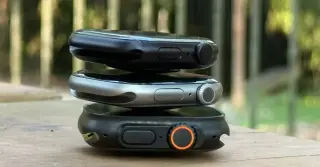
The Wall Street Journal’s wearables showdown finds the Apple Watch Series 11 delivering the strongest overall performance against the Oura Ring, Fitbit Air, and Whoop MG: a Stanford sleep study shows it matches lab sleep duration and aligns with lab sleep stages, while it leads in heart-rate accuracy and general activity tracking without a paid subscription. Whoop can match it when worn on the bicep; Fitbit Air and Oura falter under high-intensity activity. The Series 11 starts at $299 (often discounted).
Apple’s 11-year-old Watch is losing momentum as rivals Whoop, Oura, and Google-backed Fitbit Air push screenless health tracking focused on recovery and sleep. Leadership churn at Apple—retirements and exits across health, hardware, and marketing—amid a push to simplify Health and pursue AI-driven services. Oura’s confidential IPO filing signals competitive pressure, while Apple’s Health app remains cluttered and less actionable. watchOS 27 will be incremental, with heart-rate improvements and AI features drifting into iOS 27 more broadly, and a glucose-monitoring project—once a Jobs-era ambition—still progress-laden. The market is expanding beyond wrists toward glasses and other devices, pressuring Apple to decide whether to lead a screenless, AI-powered health era or risk falling behind.
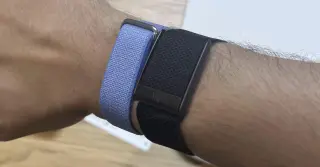
Google’s Fitbit Air is a slim, screenless fitness tracker designed to rival Whoop, promising up to a week of battery life in a lighter, smaller form factor (12g) with a left-side LED status light and a double-tap to check battery or dismiss alarms. It’s priced at $99 with a $35 Google Store credit for pre-orders before May 25, and wider shipping begins May 26; demo units are live in Google Store locations, and side-by-side comparisons show the Air is notably slimmer than Whoop.
A pre-release readout compares Fitbit Air to WHOOP: Fitbit Air appears slimmer and easier to wear, and costs $99 upfront with free ongoing health metrics (optional $9.99/month for Google Health Coach); WHOOP starts at about $200 per year and requires a paid subscription for metrics, making Fitbit Air cheaper in the long run.
Google launches the Fitbit Air, a $99 screenless tracker that prioritizes passive health data, seven-day battery life, and a Google Health app with optional Premium AI insights, positioning it as a minimalist alternative between Whoop and smartwatches. It’s smaller and cheaper than Whoop, aims to return Fitbit to its original, low-friction tracking ethos, and ships May 26 (preorder now, with a Stephen Curry edition at $130). The Google Health app rolls out May 19 and may integrate medical data for a broader health ecosystem.
Whoop will offer US users live, on-demand video consultations with licensed clinicians starting this summer, leveraging the app’s biometric data and HealthEx electronic health record syncing; some features are paid add-ons, and the service isn’t intended to replace a primary doctor, while new AI coaching and proactive check-ins expand the platform’s capabilities.
Google is reportedly launching a screenless Fitbit Air—a Whoop-style wearable that tracks health metrics all day and surfaces insights in the Fitbit app instead of a display; expected to debut as soon as May 7, 2026, around a $99 price with multiple band options, after Steph Curry teased a new wearable and ahead of Google I/O.
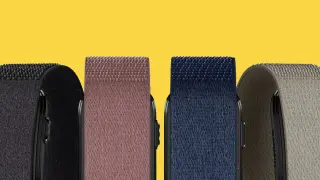
A rumored Fitbit Air, a screen-free fitness tracker aiming to rival Whoop, is expected to launch around May 16 for about $99. It would focus on passive metrics like sleep, heart rate, HRV, and activity without a monthly fee, and would offer multiple color options and bands (Obsidian, Lavender, Berry) as Google continues to push into health wearables.
Steph Curry has been spotted wearing a rumored, screen‑free Fitbit in public and teased the device in a sponsored Google post. Bloomberg reports Google is developing a screenless, Whoop‑style fitness band with AI coaching and a potential paid subscription, with a launch expected later this year.