Simulations suggest comets likely failed to deliver life's essential chemicals to Earth
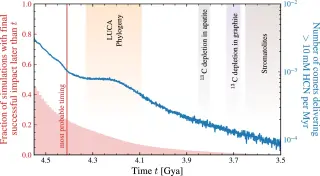
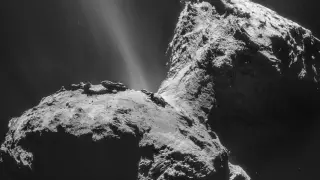
A new study challenges the long-held theory that comets seeded life on Earth. Researchers at the University of Cambridge ran 100,000 computer simulations to model the heavy bombardment Earth experienced over 4 billion years ago. The results indicate that comets struck the planet at velocities too high to preserve fragile organic molecules, specifically hydrogen cyanide (HCN). While comets contain these essential building blocks, the simulations suggest that successful delivery was an exceedingly rare 'fluke' rather than a steady source. This shifts scientific focus toward alternative origins, such as asteroid impacts or endogenous synthesis, and suggests Mars may have been a more viable target for cometary delivery due to lower impact velocities.