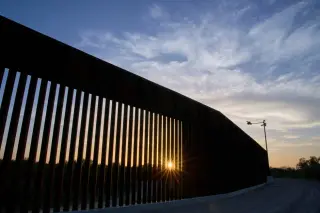
Judge won’t block border wall on tribal land, construction proceeds
A federal judge refused to block the Trump administration’s plan to build a border wall along tribal land, allowing construction to move forward.

All articles tagged with #indigenous people
A federal judge refused to block the Trump administration’s plan to build a border wall along tribal land, allowing construction to move forward.

Brooklyn Rivera, an indigenous leader in Nicaragua, has died in custody after nearly three years in detention, a development that underscores ongoing concerns about political imprisonment and human rights under the Ortega government.
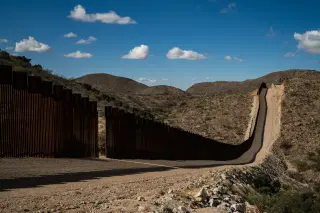
Trump’s border-wall expansion in the Arizona desert damaged a rare Indigenous intaglio—a roughly 200‑foot ground etching resembling a fish and thought to be at least 1,000 years old—after heavy machinery cut a 60–70‑foot swath inside Cabeza Prieta National Wildlife Refuge. The project’s DHS waivers to bypass environmental and Indigenous protections have alarmed Native communities and conservationists as hundreds of miles of barriers are rapidly built across the border, prompting calls for accountability and greater site protection.
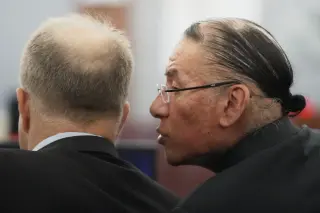
Nathan Chasing Horse, known for Dances With Wolves, was sentenced to life in prison in Nevada after a jury found him guilty on multiple sexual assault charges involving Indigenous women and girls; three accusers testified and prosecutors say he exploited his Lakota identity as a healer to abuse victims, with convictions on some counts and acquittals on others.
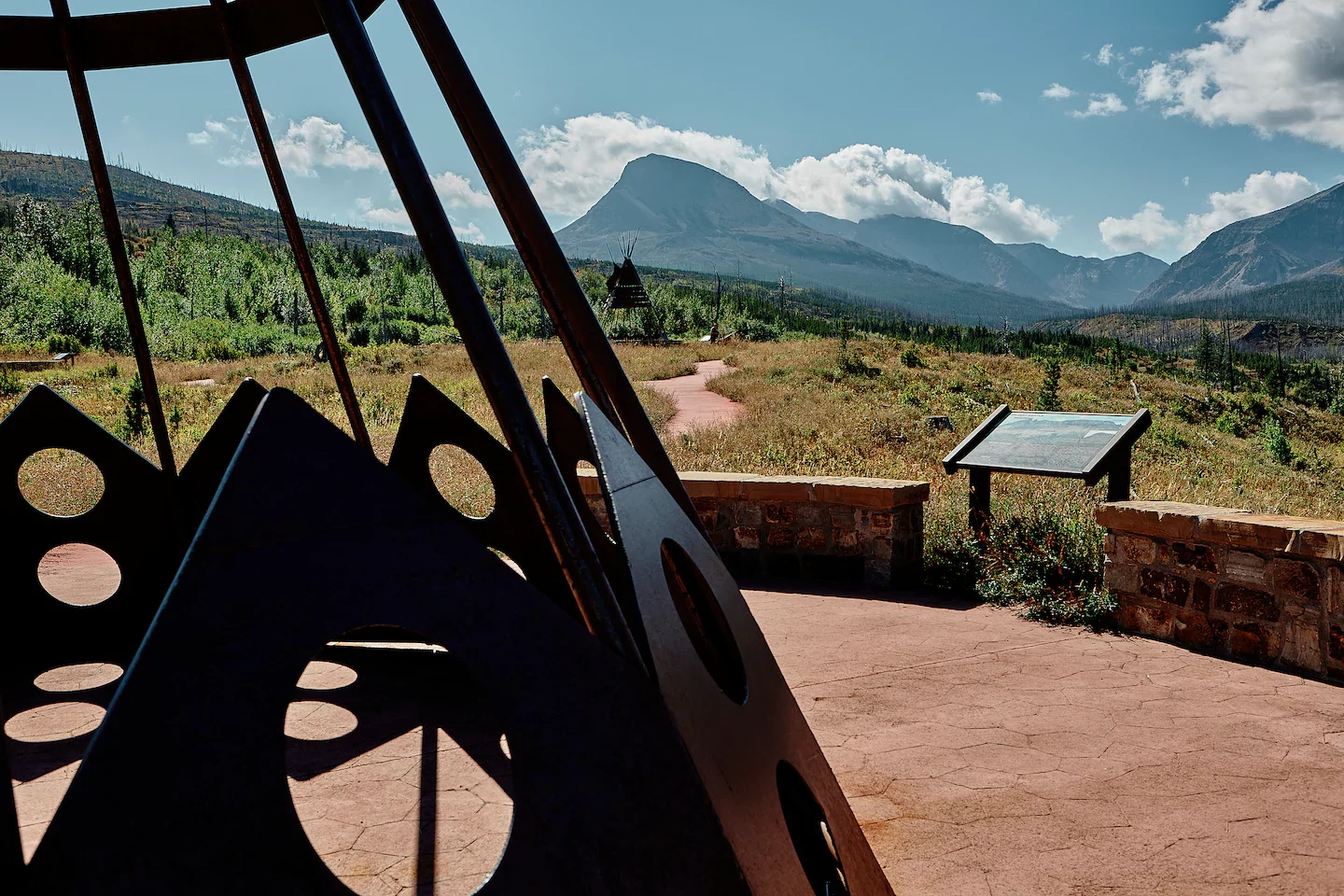
Trump officials have ordered the removal of signs and displays about climate change, environmental protection, and Native American history from Grand Canyon and 16 other national parks as part of a broader push to reshape how American history is presented.
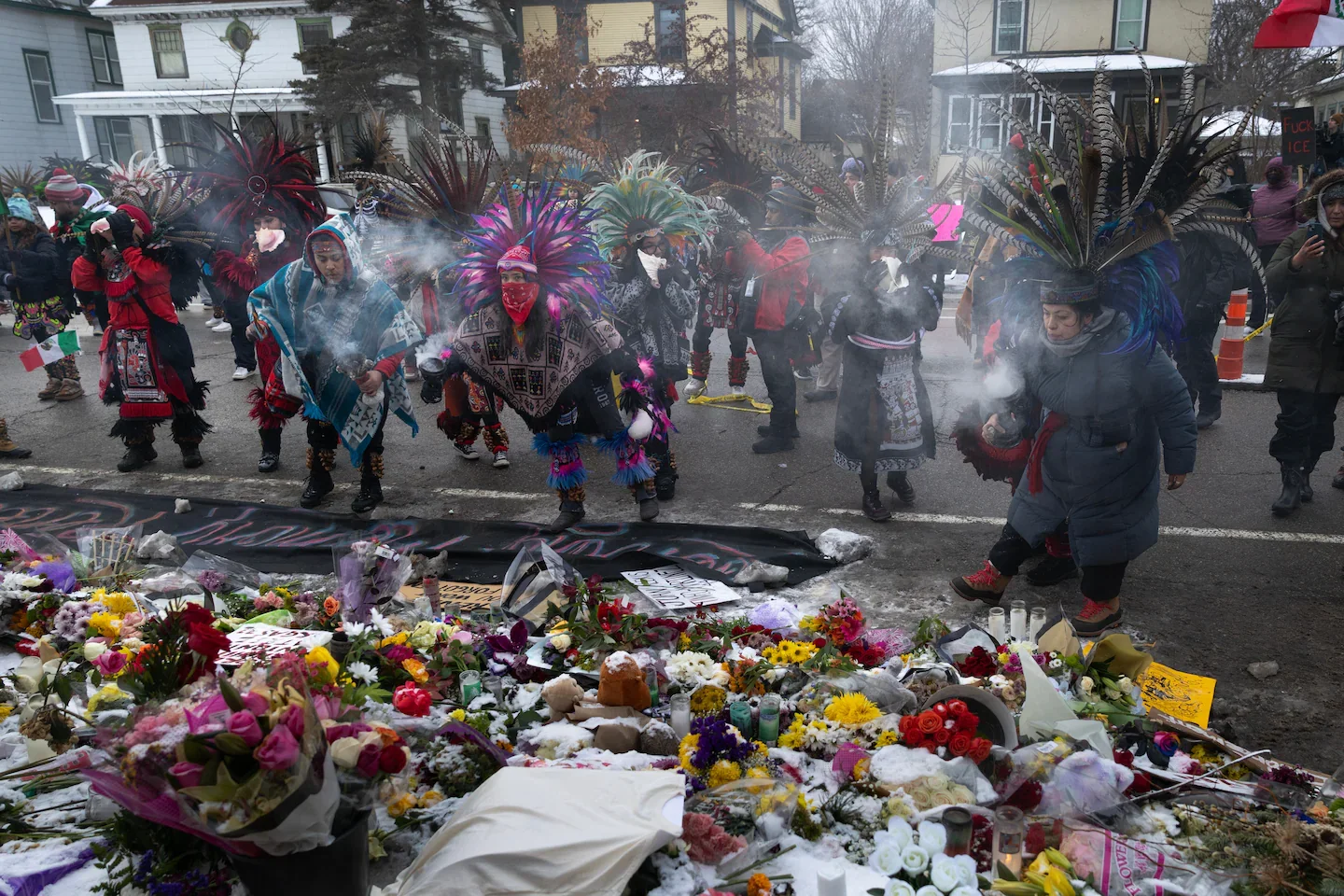
Tribal leaders say Indigenous people in Minneapolis have been stopped, questioned, harassed, and in some cases detained by federal immigration officers solely because of their skin color or names, raising concerns about racial profiling by ICE.
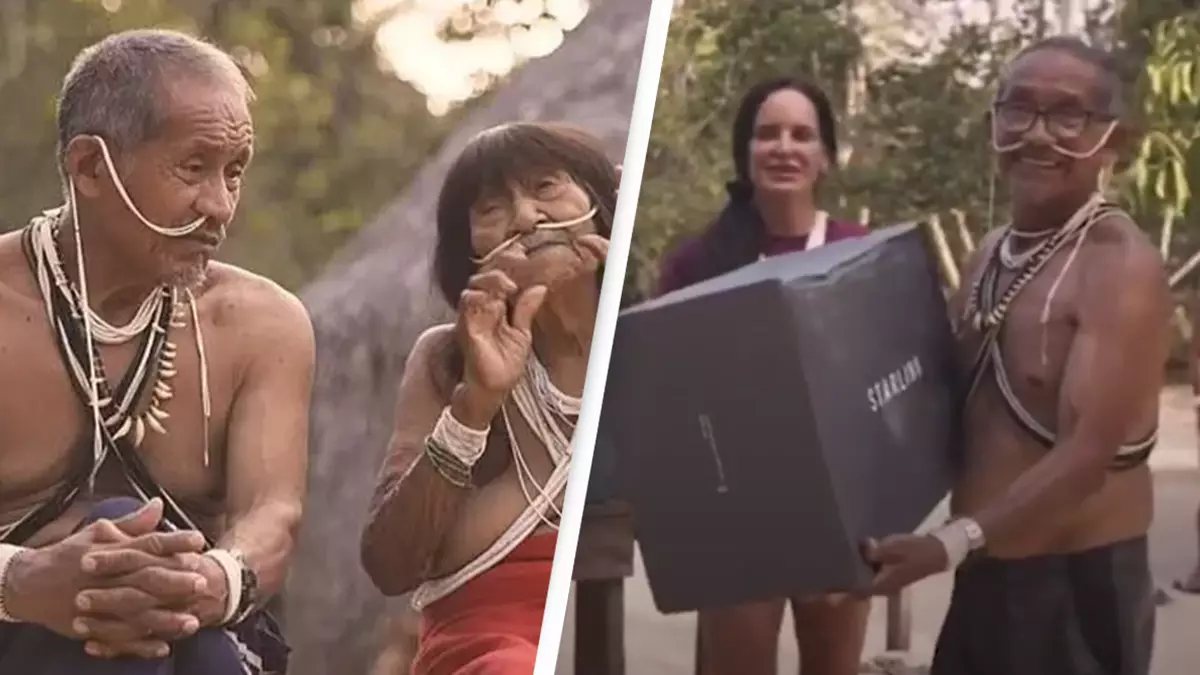
A remote Amazonian tribe, the Marubo, has gained internet access through Elon Musk's Starlink satellites, leading to both positive outcomes, such as improved emergency response, and negative consequences, including increased exposure to pornography and reduced family interaction.
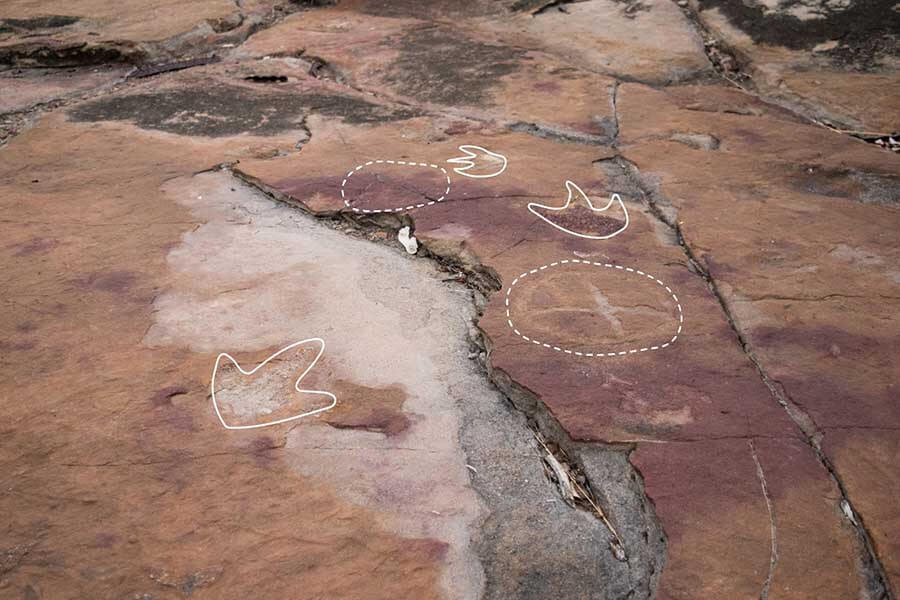
Petroglyphs found near dinosaur footprints in Brazil suggest that prehistoric indigenous people may have been aware of and interested in the footprints, although it's unclear if they knew about dinosaurs. The carvings, dating back between 9,400 and 2,620 years, display geometric shapes and may have been created during communal gatherings, possibly with the use of psychotropic plants. The unprecedented clarity of the association between the petroglyphs and dinosaur prints at this site could have significant implications across paleontology, archaeology, and cultural heritage studies.
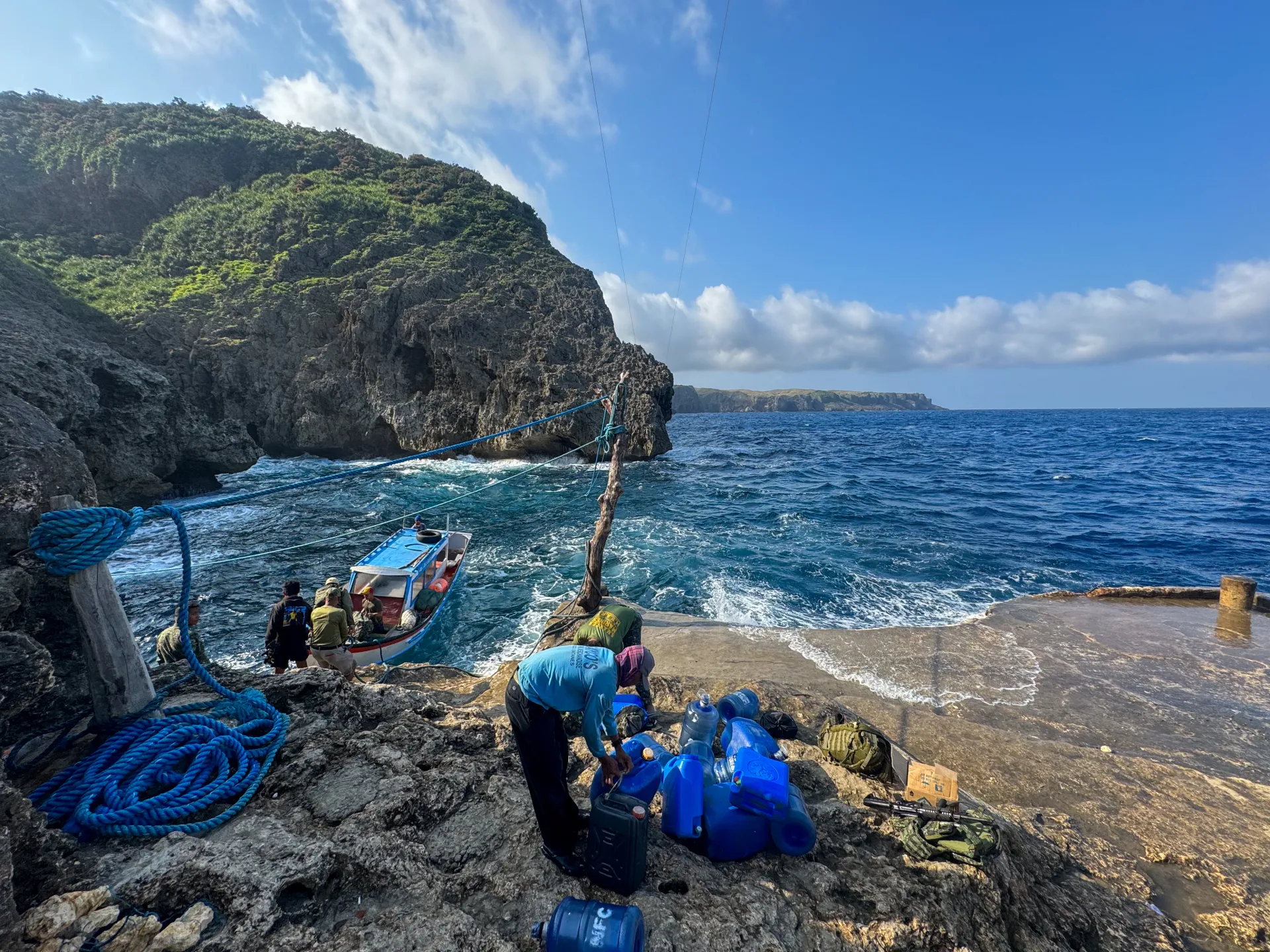
Indigenous people in the northernmost Philippine province of Batanes, particularly on the island of Itbayat, are preparing to defend their community and country amid rising tensions in the South China Sea. With China's aggressive posture and the Philippines accusing China of attacking its boat, the Philippine military is bolstering its defence of Batanes and has called on the Indigenous Ivatans to join the country’s reserve forces, with 119 residents, including Cyrus Malupa, joining the Navy reserve forces in March.

Scientists have extracted data from Antarctic ice cores dating back 800,000 years, revealing insights into past climate, volcanic eruptions, and human activities. A recent study using ice cores showed the impact of European colonization on Indigenous populations, with the deaths of 56 million people leading to increased forest growth and reduced carbon dioxide levels. This demonstrates the significant influence of human actions on the Earth's atmosphere, highlighting the lasting effects of historical events on the planet.
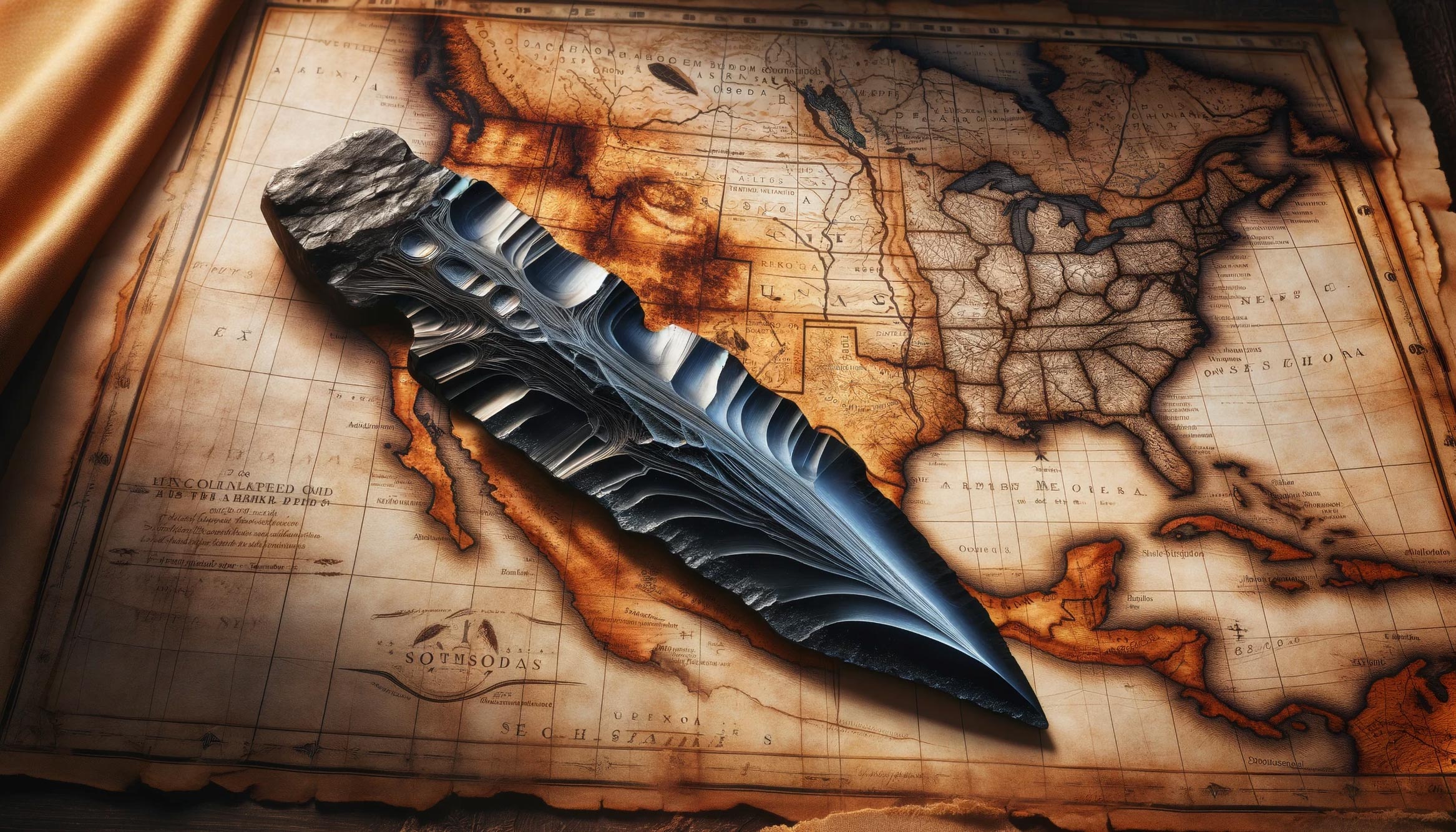
A small obsidian blade found in the Texas Panhandle has provided compelling evidence of Francisco Vasquez de Coronado’s expedition over 470 years ago, according to SMU anthropologist Matthew Boulanger. The blade's chemical composition ties it to Central Mexico, where indigenous people used obsidian to produce cutting tools until the Spanish conquest. Boulanger's findings, published in the Journal of the North Texas Archeological Society, suggest that the artifact is part of a Coronado-related site and a clue to the expedition’s trail, emphasizing the importance of documenting artifact locations for archaeological research.
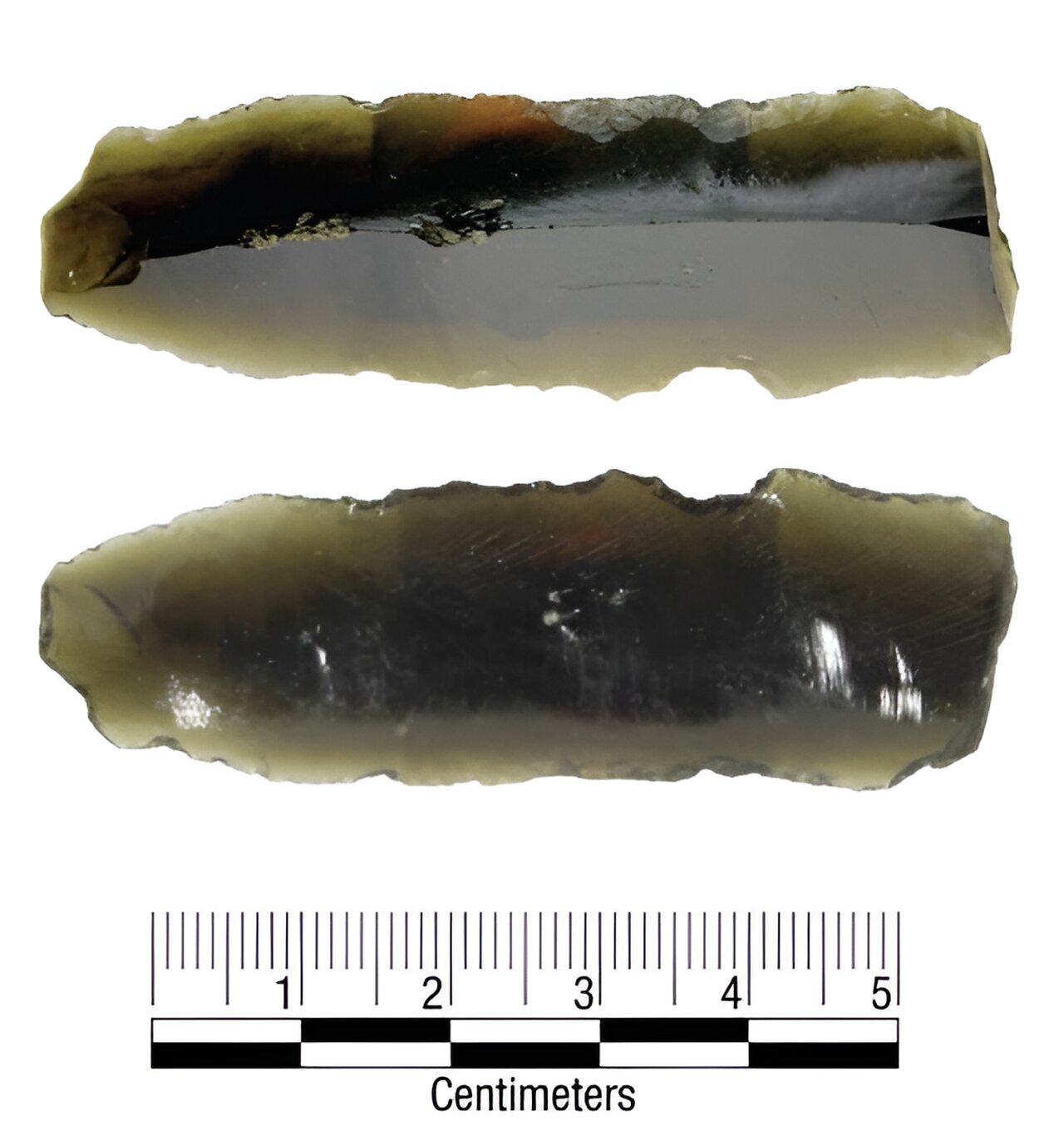
A small piece of obsidian found in the Texas Panhandle has been linked to Spanish explorer Francisco Vasquez de Coronado's expedition by SMU anthropologist Matthew Boulanger. The artifact's chemical composition ties it to Central Mexico's Sierra de Pachuca mountain range, where indigenous people used obsidian to produce cutting tools. The discovery suggests that Coronado's expedition, which included indigenous people from Mexico, may have passed through the area. The artifact's origin raises questions about trade networks and provides potential clues to the expedition's trail, emphasizing the importance of documenting artifact locations for archaeologists.

Members of the Truku tribe in Taiwan reflect on their identity and the challenges they face as Indigenous people. They discuss the impact of colonial oppression, forced assimilation, and restrictions on hunting, which is integral to their way of life. Despite efforts by the Taiwanese government to recognize and support Indigenous communities, there is still a long way to go in addressing historical trauma and restoring cultural practices. The Truku people emphasize the importance of recognizing and preserving their shared history for all residents of Taiwan to live in harmony.
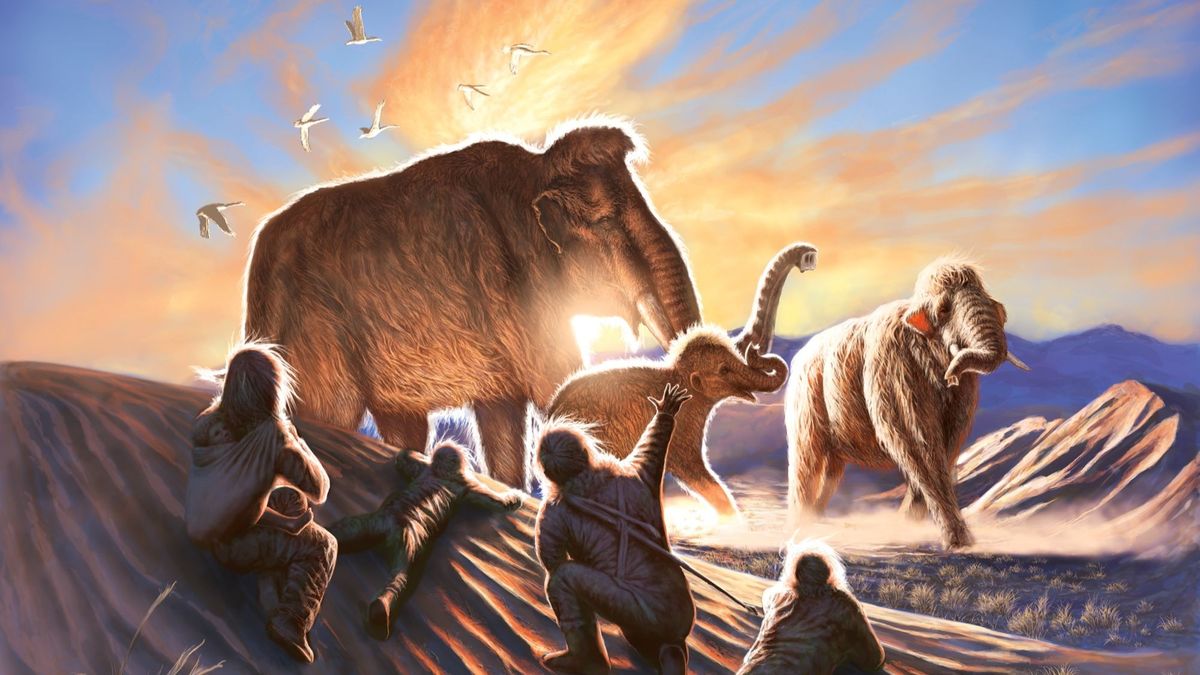
Scientists have retraced the journey of a female woolly mammoth named Elma from her birthplace in present-day Canada to eastern central Alaska, where she met her end around 14,000 years ago at the hands of hunter-gatherers. Elma's tusk revealed that she covered roughly 620 miles in under three years, indicating a significant movement for a single mammoth. Analysis of her tusk's chemical elements and ancient DNA provided valuable information about her diet, location, and relationships with other mammoths, shedding light on the interactions between mammoths and early Indigenous people in the region.

New Zealand's newly elected conservative government plans to repeal the country's pioneering smokefree bill, which aimed to cut down on smoking by limiting nicotine levels, reducing the number of retailers, and banning cigarette sales to those born after 2008. The bill was seen as a cause for celebration by the indigenous Māori and Pasifika populations, who have higher smoking rates. The government argues that the bill violates freedom of choice and fuels crime. Additionally, the government plans to abolish the Māori Health Authority, which oversees indigenous health policies and care delivery. Critics argue that these actions will lead to more tobacco-related deaths and exacerbate health inequities for indigenous communities. Protests have already begun, with Māori and Pasifika communities mobilizing to reverse the government's plans.